Introduction
Zeolite has become one of the most versatile water purification media in the United States. Municipal drinking water plants, industrial wastewater treatment systems, stormwater biofilters, aquaculture facilities, swimming pools, and point-of-use filters use natural and modified zeolites to remove ammonium, heavy metals, radionuclides, organic micro-pollutants, and undesirable taste-and-odor compounds. The performance of zeolite media depends not only on the mineral’s cation-exchange capacity and pore structure, but also on how the raw ore is crushed, dried, ground, classified, and packaged. This is why selecting the right zeolite mill is a critical decision for US media producers. Shanghai Zenith Machinery Co., Ltd. has extensive experience in industrial powder grinding and can supply complete milling solutions for zeolite water purification media.
Why Zeolite Is a Preferred Water Purification Media in the United States
Natural zeolites such as clinoptilolite, mordenite, and chabazite possess a rigid three-dimensional aluminosilicate framework. This framework contains channels and cages that give zeolite a high surface area and a strong affinity for positively charged ions. In water treatment, zeolite acts as an ion exchanger and adsorbent. Ammonium ions, which are common in municipal wastewater and recirculating aquaculture systems, are captured by exchange with sodium, potassium, or calcium ions in the zeolite structure. Heavy metals such as lead, cadmium, copper, zinc, and nickel can also be removed, especially when zeolites are modified or combined with other treatment steps. Some zeolite media also reduce radionuclides, including strontium and cesium, and help polish industrial effluent before discharge.
In the United States, zeolite media are used in both granular and powdered forms. Granular media are typically placed in pressure vessels, gravity filters, or biofilter beds. Powdered zeolites are used in slurry reactors, adsorption-based polishing systems, and specialty filtration products. Each application demands a specific particle size distribution, purity level, mechanical strength, and hydraulic behavior. US buyers increasingly expect documented performance, consistent quality, and compliance with standards such as NSF/ANSI 61 for drinking water system components and NSF/ANSI 372 for lead-free products. These requirements place significant pressure on manufacturers to control the entire milling process.
Key Properties That Determine Zeolite Media Performance
Particle Size Distribution
Particle size distribution is one of the most important specifications for water purification media. If the media are too coarse, the adsorption kinetics may be slow, and the available surface area per unit volume is reduced. If the media are too fine, the filter bed may suffer from high pressure drop, poor backwashing, channeling, or excessive fines migration. For granular applications, producers often target screen cuts such as 8×30 mesh, 14×40 mesh, or 20×50 mesh. For powdered adsorption applications, the target may be 100 mesh, 200 mesh, 325 mesh, or even finer. A modern grinding mill with an efficient air classifier allows producers to adjust the top size and minimize unwanted fines.
Cation-Exchange Capacity and Purity
Cation-exchange capacity, or CEC, indicates how many exchangeable cations are available in the zeolite. High-CEC zeolite is preferred for ammonium and heavy metal removal. However, CEC is not the only factor. Mineral impurities such as quartz, feldspar, clay, and iron-bearing minerals can dilute the active zeolite content and affect color, pH, and leachability. Milling equipment should therefore minimize contamination from wear parts and provide a clean, closed circuit with dust collection.
Hardness and Attrition Resistance
Filter media must withstand repeated backwashing, thermal cycling, and chemical regeneration. Attrition resistance depends on the ore quality and the processing method. Over-crushing can create micro-cracks that reduce durability. Gentle, efficient comminution and proper classification help preserve the natural strength of the zeolite granules while producing the desired fine fraction.
Moisture and Activation
Zeolite ore can contain significant moisture. Drying before grinding improves mill efficiency and prevents clogging. In some plants, thermal activation is also used to remove water from the zeolite channels and increase adsorption capacity. Vertical mills and integrated drying systems can combine drying, grinding, and classifying in one step, reducing plant complexity and energy consumption.
From Raw Zeolite to Water Purification Media: The Milling Circuit
A typical zeolite processing circuit for water purification media includes primary crushing, secondary crushing, drying, grinding, classification, dust collection, screening, and packaging. The goal is to liberate the zeolite from associated gangue minerals while producing a narrow particle size distribution. For granular media, the circuit may emphasize crushing and screening with limited grinding. For powdered media, the grinding and classification stages are more intensive. In either case, the mill must be selected according to feed size, moisture content, target fineness, capacity, and product cleanliness.
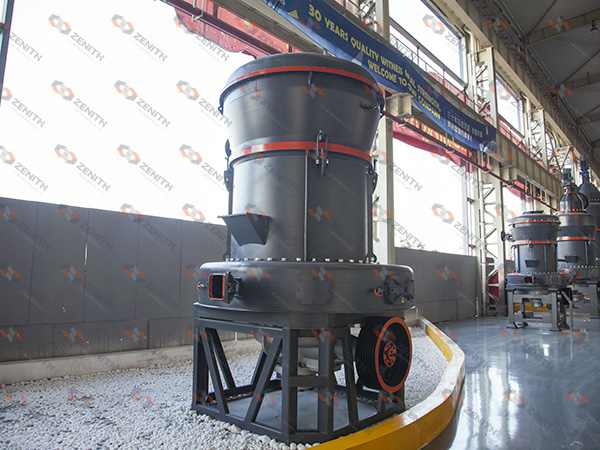
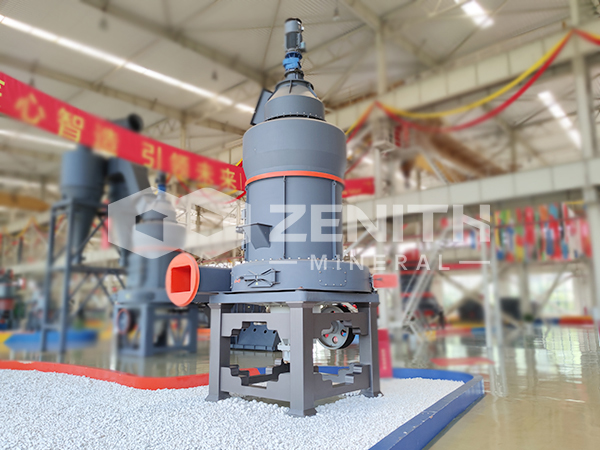
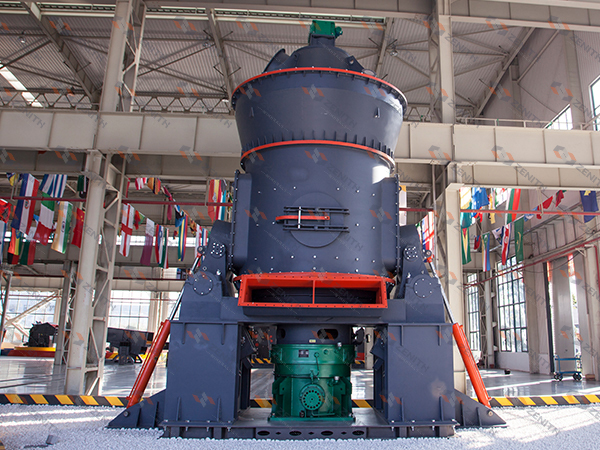
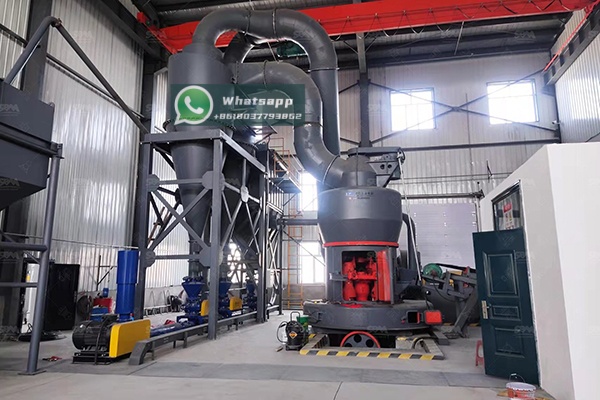
Shanghai Zenith Machinery Co., Ltd. is an excellent manufacturer of ore grinding equipment in China and has made significant achievements in the field of ultra-fine powder grinding. The company specializes in research, development, and production of industrial powder grinding equipment and related devices. Its portfolio includes MTW Trapezium Grinding Mill, Ball Mill, MTM Medium-Speed Grinding Mill, Raymond Mill, LM Vertical Grinding Mill, LUM Ultrafine Vertical Mill, XZM Ultrafine Grinding Mill, and Hammer Mill. For zeolite water purification media producers in the United States, two products stand out: the MTW Trapezium Grinding Mill and the LUM Ultrafine Vertical Mill.
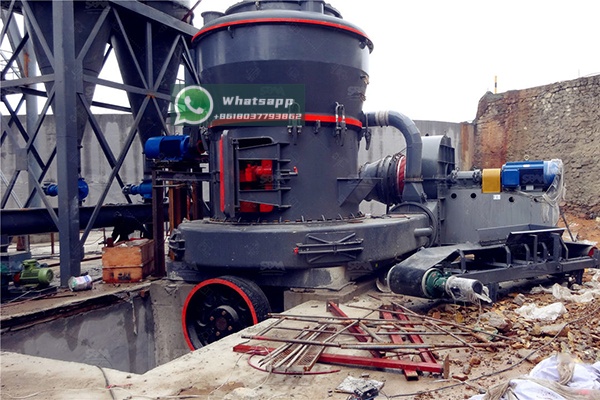
Recommended Product: MTW Trapezium Grinding Mill
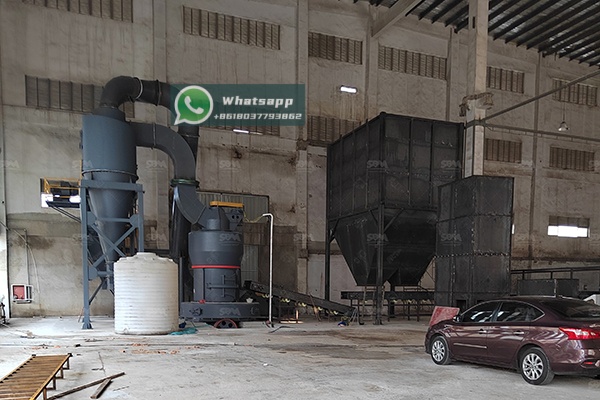
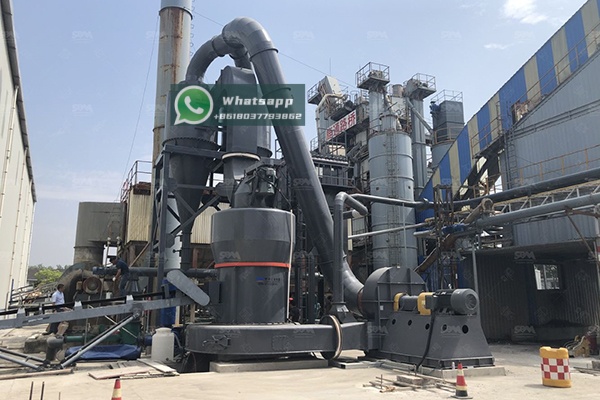
The MTW Trapezium Grinding Mill is a patented mill known for its compact structure, long service life, and eco-friendly design. It is suitable for processing materials with a maximum input size of 50 mm and can produce a final product as fine as 0.038 mm. This makes it an excellent choice for zeolite media producers who need flexible output from coarse powder to fine powder. The mill can be used to produce zeolite for granular media blends, powdered filter media, and specialty adsorption products. Its integrated classifier allows operators to adjust the final particle size, which is essential when serving different US water treatment customers.
| Model | Max. Feed Size (mm) | Final Size (mm) | Capacity (t/h) | Main Motor (kW) | Fan Motor (kW) |
|---|---|---|---|---|---|
| MTW110 | <30 | 1.6-0.045 | 3-9 | 55 | 55 |
| MTW110Z | <30 | 1.6-0.045 | 3-10 | 55 | 55 |
| MTW138Z | <35 | 1.6-0.045 | 6-17 | 90 | 110 |
| MTW175G | <40 | 1.6-0.045 | 9.5-25 | 160 | 200 |
| MTW215G | <50 | 1.6-0.045 | 15-45 | 280 | 315 |
For a medium-scale US zeolite media plant, the MTW138Z can deliver 6-17 t/h with a 90 kW main motor, while the MTW175G can reach 9.5-25 t/h. Larger operations may choose the MTW215G, which offers 15-45 t/h and accepts feed up to 50 mm. This scalability is valuable in the United States, where demand for zeolite media ranges from small regional suppliers to large municipal contracts.
Recommended Product: LUM Ultrafine Vertical Mill
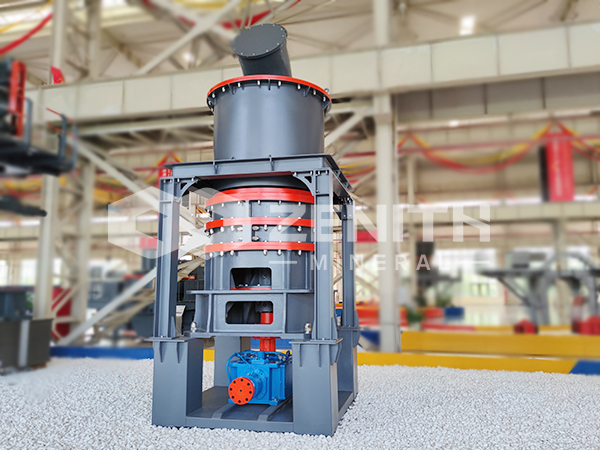
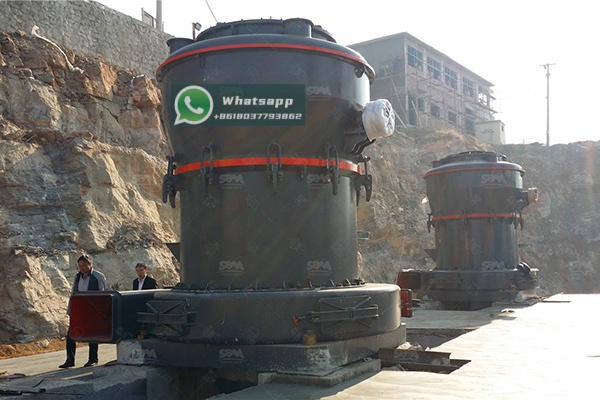
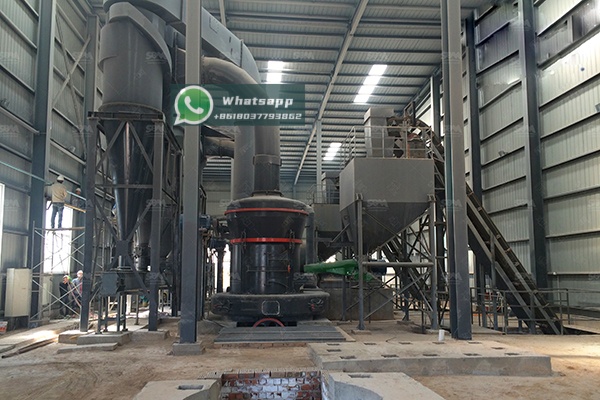
When zeolite is used as a high-performance powdered adsorbent, ultrafine grinding can increase surface area and improve access to internal channels. The LUM Ultrafine Vertical Mill integrates grinding, drying, classifying, and transportation while occupying minimal space. It is designed to produce a high content of end-fines and features intelligent control for easier maintenance. This mill is ideal for producing ultrafine zeolite powders for advanced water purification applications, including slurry reactors, point-of-use cartridges, and specialty composite media.
| Model | Main Machine Power (kW) | Capacity (t/h) | Size Distribution D97 (μm) |
|---|---|---|---|
| LUM1525 | 220-250 | 1.6-11.5 | 5-30 |
| LUM1632 | 280-315 | 2.0-13.5 | 5-30 |
| LUM1836 | 355-400 | 2.3-15 | 5-30 |
With D97 values from 5 to 30 microns, the LUM series can produce zeolite powders fine enough for rapid ion exchange and adsorption, while its capacity of up to 15 t/h supports commercial production. For US manufacturers that need a compact, automated, and energy-efficient ultrafine grinding solution, the LUM Ultrafine Vertical Mill is a strong complement to the MTW Trapezium Grinding Mill.
Selecting the Right Mill for US Water Treatment Applications
Choosing a zeolite mill should begin with the end product specification. For granular filter media, the producer may require a circuit that minimizes fines and preserves particle strength. For powdered media, the priority is precise top-size control and high surface area. MTW Trapezium Grinding Mill is adaptable, robust, and suitable for medium-fine zeolite powder production. LUM Ultrafine Vertical Mill is better suited to ultrafine products where a narrow D97 range and high end-fines content are required. Other Zenith mills, such as the LM Vertical Grinding Mill, XZM Ultrafine Grinding Mill, and Ball Mill, can also be integrated depending on capacity, moisture, and product target.
US water treatment customers often require consistent quality, documented particle size analysis, and compliance with health and safety standards. A closed grinding system with pulse-jet dust collection, wear-resistant liners, and automated controls helps meet these expectations. The mill should also be easy to clean and maintain to prevent cross-contamination between zeolite grades. Shanghai Zenith can provide engineering support, equipment selection, and after-sales service for zeolite projects in the United States.
Quality Control and Compliance for the US Market
Quality control should cover chemical composition, CEC, particle size distribution, bulk density, moisture, pH, attrition, and leachables. In the United States, drinking water treatment media may need to meet NSF/ANSI 61 requirements, and components must comply with lead-free regulations. State-level approvals may also apply. Producers should use certified sieves and laser particle size analyzers to verify each production lot. A reliable mill with stable classification performance reduces variability and helps ensure that the final zeolite media perform consistently in the field.
Conclusion
Zeolite is a valuable water purification media in the United States because of its ion-exchange and adsorption capabilities. To convert raw zeolite into high-quality granular or powdered media, producers need efficient crushing, drying, grinding, and classification equipment. Shanghai Zenith Machinery Co., Ltd. offers proven solutions for this industry. The MTW Trapezium Grinding Mill is an excellent choice for flexible medium-fine zeolite production, while the LUM Ultrafine Vertical Mill delivers advanced ultrafine grinding for high-performance adsorbents. By selecting the right Zenith mill and implementing strict quality control, US zeolite media producers can improve product consistency, reduce operating costs, and meet the demanding requirements of municipal, industrial, and residential water treatment markets.
Key Equipment
Want This Solution for Your Project?
Contact us for a customized quotation and technical proposal.
Interested in This Solution?
Send us a message and our engineers will get back to you within 24 hours.