Introduction
Oman is investing heavily in infrastructure, housing, ports, logistics and industrial diversification under Oman Vision 2040. This investment is driving steady demand for construction materials, including ordinary Portland cement and, increasingly, blended cement. Blended cement production is attractive because it can reduce clinker factor, lower energy consumption and carbon intensity, and use locally available supplementary cementitious materials such as limestone, gypsum, pozzolana, fly ash and ground granulated blast-furnace slag. For cement producers in Oman, the selection of an efficient and reliable cement clinker mill is therefore a strategic decision that affects product quality, operating cost, plant footprint and long-term sustainability.
Why Blended Cement Matters in Oman
Blended cement is produced by intergrinding or blending Portland cement clinker with one or more mineral additions. In Oman, limestone is widely available and can be used as a quality-controlled filler to produce Portland limestone cement. Gypsum is added to regulate setting time. Depending on market requirements and local resources, pozzolana, fly ash or slag may also be used to improve durability, reduce heat of hydration and lower the clinker content of the final product.
From a commercial perspective, blended cement can lower production cost per tonne because less clinker is required. From an environmental perspective, replacing part of the clinker with mineral additions reduces specific CO2 emissions and energy consumption. However, these benefits depend strongly on consistent grinding performance. The clinker mill must handle variations in clinker grindability, additive moisture, feed size distribution and target fineness while maintaining stable output and cement quality.
Grinding Challenges in Blended Cement Production
Clinker is an abrasive and relatively hard material. When it is ground together with softer or more brittle additives such as limestone and gypsum, the components can behave differently in the mill. Overgrinding of soft components and undergrinding of clinker can lead to unstable particle size distribution, inconsistent strength development and higher power consumption. Moisture in additives or in the grinding circuit can also cause coating, blockage and reduced efficiency.
Omani cement plants may also face high ambient temperatures, dust conditions and the need for reliable continuous operation. The clinker mill must therefore be robust, easy to maintain and capable of integrating drying, grinding, classification and transport functions where possible. Energy efficiency is another priority because grinding is one of the most power-intensive stages in cement manufacturing.
Selecting the Right Cement Clinker Mill
A suitable clinker mill for blended cement production should be selected according to capacity, product fineness, clinker and additive grindability, moisture content, available space, power supply and maintenance strategy. Important criteria include:
- Stable production capacity that matches the required cement output and market demand.
- Flexible fineness control to produce different blended cement grades.
- Efficient drying capability when grinding moist additives.
- Low specific power consumption and low wear rate.
- Compact layout and low civil construction cost.
- Reliable operation with simple maintenance and spare parts support.
- Compliance with environmental and dust control requirements.
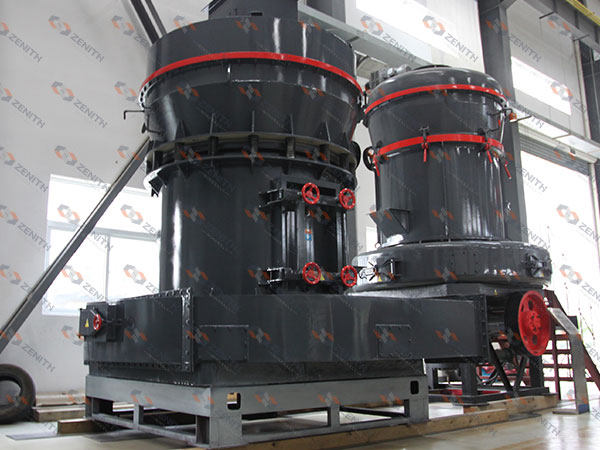
For modern blended cement grinding plants, vertical grinding mills are often preferred for their integrated functions and energy efficiency. Ball mills remain a proven option for flexible operation and conventional circuit design. In many projects, a combination of a vertical mill for high-capacity clinker and additive grinding and a ball mill for specialty products can provide both efficiency and operational flexibility.
Recommended Solution: LM Vertical Grinding Mill from Shanghai Zenith Machinery
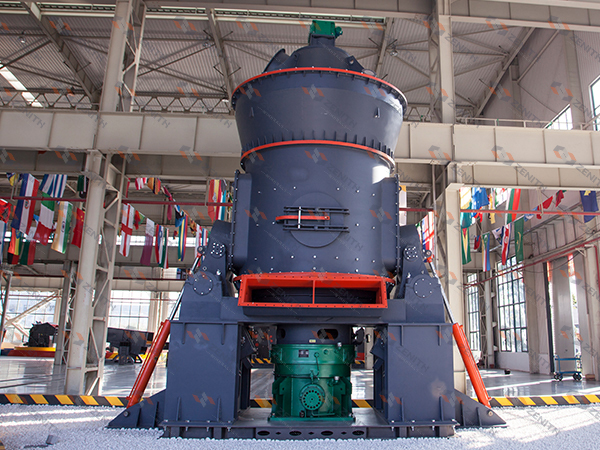
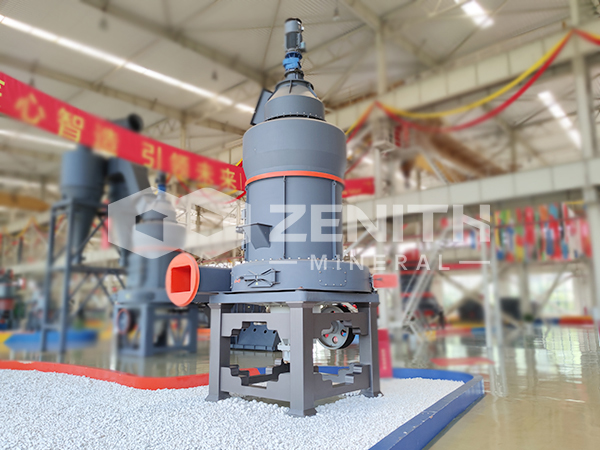
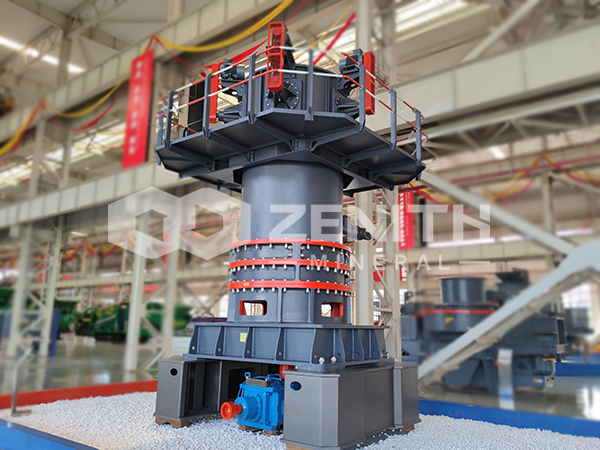
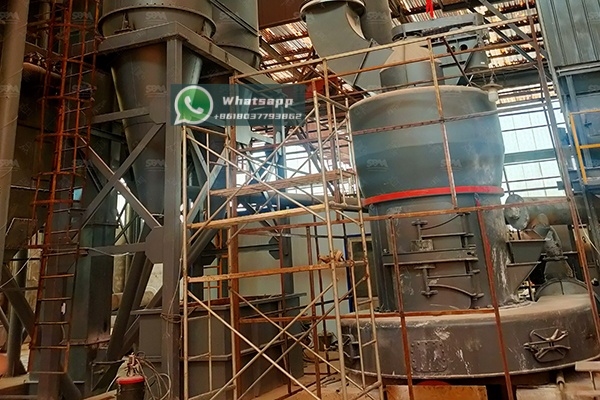
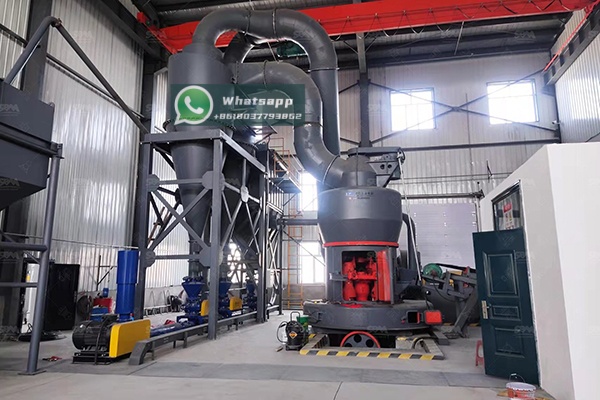
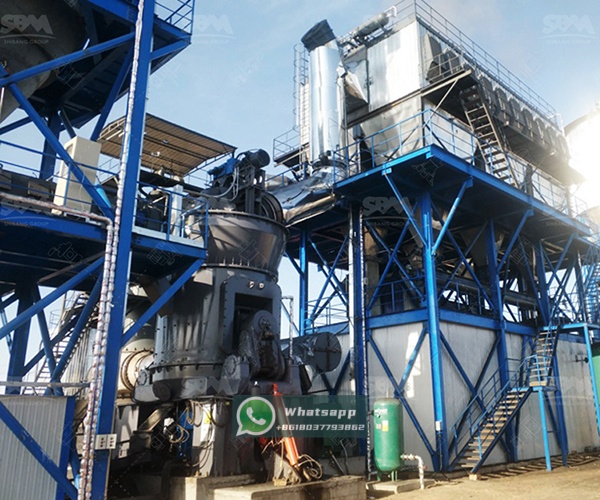
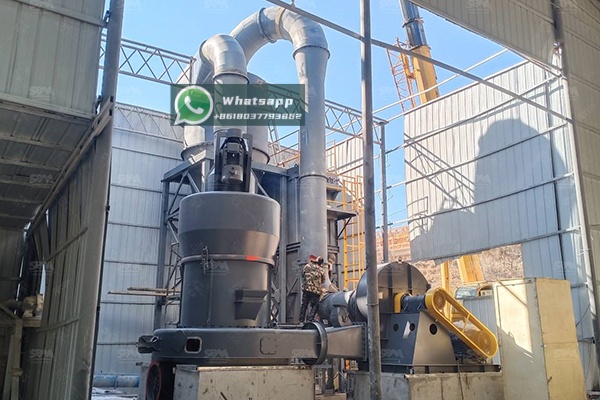
Shanghai Zenith Machinery Co., Ltd. is an experienced manufacturer of industrial grinding equipment. For cement clinker and blended cement production in Oman, the LM Vertical Grinding Mill is recommended as a primary grinding solution. The LM series integrates crushing, grinding, powder selection, drying and material conveying into one compact system. This design reduces auxiliary equipment, lowers the plant footprint and supports stable product fineness with efficient drying of raw materials and additives.
For medium to large cement grinding lines, the LM280K is a strong candidate. It has a plate diameter of 2800 mm, a capacity range of 50 to 170 t/h, an output fineness range of 170 to 45 μm, a maximum feed size of up to 50 mm and a main motor of 1250 kW. For smaller grinding stations or phased capacity expansion, the LM190K offers 23 to 68 t/h with a 500 kW main motor, while the LM130K provides 10 to 28 t/h with a 200 kW main motor. Final model selection should be confirmed after testing clinker and additive samples and defining the target cement fineness and production schedule.
Key Advantages of the LM Vertical Grinding Mill
- Integrated drying, grinding, classification and conveying reduce system complexity.
- Compact installation saves civil construction and plant space.
- Efficient grinding and classification support stable cement fineness.
- Suitable for grinding clinker together with limestone, gypsum, slag and other additives.
- Low noise and enclosed operation help meet environmental requirements.
- Simple operation and maintenance reduce long-term downtime.
Complementary Solution: Ball Mill for Flexible Blended Cement Grinding
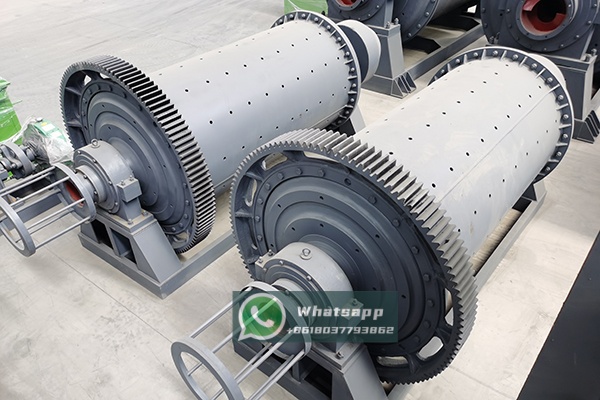
For producers who require conventional circuit design, easy fineness adjustment or a complementary grinding unit, the Ball Mill from Shanghai Zenith Machinery is a reliable option. Ball mills are highly adaptable to different raw materials and are suitable for continuous production. They can be configured for dry or wet processes depending on the application. In cement grinding, the dry process configuration is normally used, and the final product fineness can be adjusted by mill operation and classification equipment.
A representative model such as the Φ2700×4500 Ball Mill has a rotation speed of 20.7 r/min, grinding media weight of 48 t, an output capacity range of 12 to 90 t/h and a motor power of 430 kW. These parameters illustrate the scale and drive power required for medium-capacity grinding. The Ball Mill can be used as a standalone clinker grinding unit or as part of a combined grinding strategy where different blended cement products require separate fineness profiles.
Process Configuration and Quality Control
A typical blended cement grinding plant includes clinker and additive storage, proportioning and feeding, grinding, classification, dust collection, cement transport and storage. When using the LM Vertical Grinding Mill, the drying and classification functions are integrated into the mill system, which simplifies the flowsheet. When using a Ball Mill, a separate drying system and air classifier may be required depending on material moisture and target fineness.
Quality control is essential. Operators should monitor clinker factor, gypsum addition, limestone content, feed moisture, mill power, product fineness and particle size distribution. Online or laboratory sampling should be used to confirm setting time, compressive strength and consistency. Stable feeding and proper additive proportioning are critical for producing consistent blended cement that meets Omani and international standards.
Sustainability and Operational Benefits
Blended cement production supports Oman’s sustainability goals by reducing clinker consumption and lowering CO2 emissions per tonne of cement. Efficient grinding equipment further reduces electricity consumption and waste. The LM Vertical Grinding Mill supports these goals through integrated drying and classification, low specific power consumption and compact plant design. The Ball Mill offers long service life and high adaptability, making it useful where a proven and flexible grinding solution is preferred.
Shanghai Zenith Machinery Co., Ltd. provides technical consultation, equipment selection, process configuration and after-sales support for grinding projects. By combining the right mill with proper process design and quality control, Omani cement producers can build a reliable clinker grinding system for blended cement production that meets market demand, controls operating cost and supports long-term sustainable growth.
Conclusion
For blended cement production in Oman, the cement clinker mill must deliver stable capacity, flexible fineness control, efficient drying and low operating cost. The LM Vertical Grinding Mill, especially the LM280K for larger capacities and the LM190K for medium capacities, is recommended as a primary solution for integrated and energy-efficient clinker and additive grinding. The Ball Mill, represented by models such as Φ2700×4500, is recommended as a complementary or alternative solution where conventional circuit flexibility is required. With careful material testing, process design and equipment selection, cement producers in Oman can achieve high-quality blended cement production while reducing energy use and environmental impact.
Key Equipment
Want This Solution for Your Project?
Contact us for a customized quotation and technical proposal.

Interested in This Solution?
Send us a message and our engineers will get back to you within 24 hours.