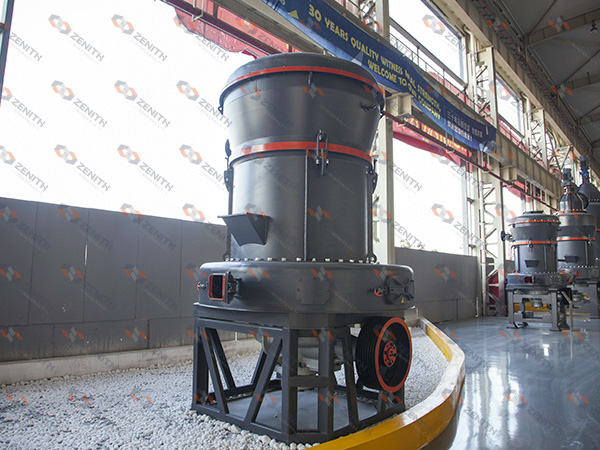

Feldspar Grinding Mill for Glass Ceramics in Saudi Arabia
Saudi Arabia is investing heavily in construction, housing, hospitality, and industrial diversification under Vision 2030. This creates strong demand for glass, glass-ceramics, sanitaryware, tiles, tableware, and advanced ceramic products. Feldspar is one of the most important raw materials in these industries. It acts as a flux, lowering the melting temperature of silica and reducing energy consumption in glass furnaces. In ceramic bodies and glazes, feldspar contributes alumina and alkalis, promoting vitrification, mechanical strength, thermal shock resistance, and chemical durability. However, the performance of feldspar depends largely on its particle size distribution, purity, and consistency. Therefore, selecting the right feldspar grinding mill is a critical decision for glass and ceramic producers in Saudi Arabia.
Why Feldspar Grinding Is Important for Glass and Ceramics
Feldspar is a framework silicate mineral containing potassium, sodium, calcium, or barium. In glass manufacturing, finely ground feldspar helps form a homogeneous melt and improves the chemical stability of the final product. In ceramic tiles, sanitaryware, and porcelain insulators, feldspar reacts with silica and clay during firing to form a glassy phase that binds the body together. In glazes, it provides the glossy surface and controls maturing temperature.
For glass batch, the required fineness is often between 40 mesh and 200 mesh, depending on furnace design and batch composition. For ceramic bodies, 200 mesh to 325 mesh is common. For high-end glazes and advanced ceramics, 325 mesh to 800 mesh or even finer may be required. If the powder is too coarse, melting and vitrification become incomplete, causing defects such as pinholes, bubbles, and low strength. If the powder is too fine, the batch may dust excessively, segregate, or cost more to produce. A professional grinding system must deliver a stable and controllable particle size distribution.
Key Requirements for Feldspar Milling in Saudi Arabia
Saudi Arabia’s climate and industrial environment place special demands on grinding equipment. High ambient temperatures, dust, and long operating hours require robust machines with reliable lubrication, cooling, and dust collection. Energy efficiency is also important because grinding is a major cost center. In addition, iron contamination must be controlled. Even small amounts of iron can discolor glass and white ceramic products, reducing their market value. Dry grinding is often preferred for feldspar powder supplied to glass and ceramic plants, while wet ball milling may be used when downstream processing requires a slurry.
Recommended Solution: LM Vertical Grinding Mill
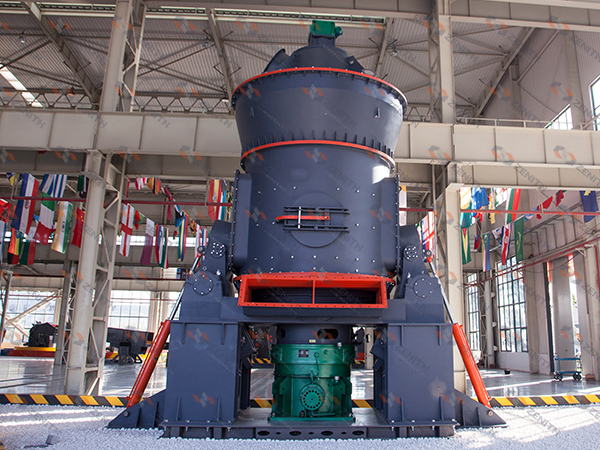
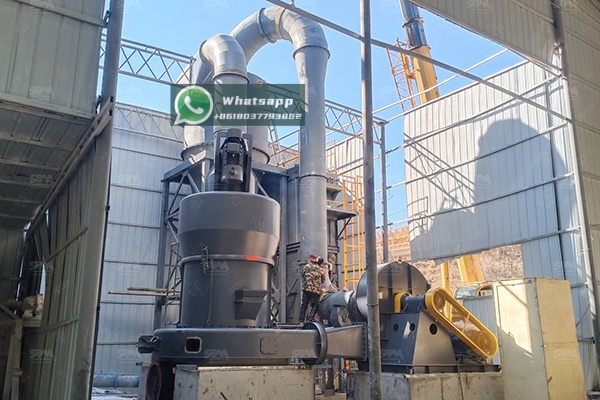
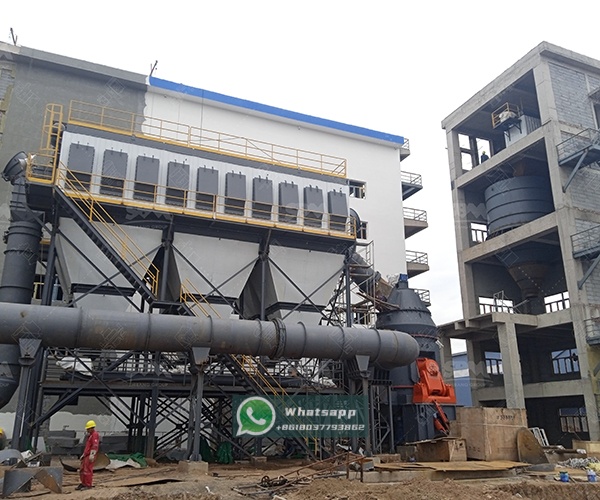
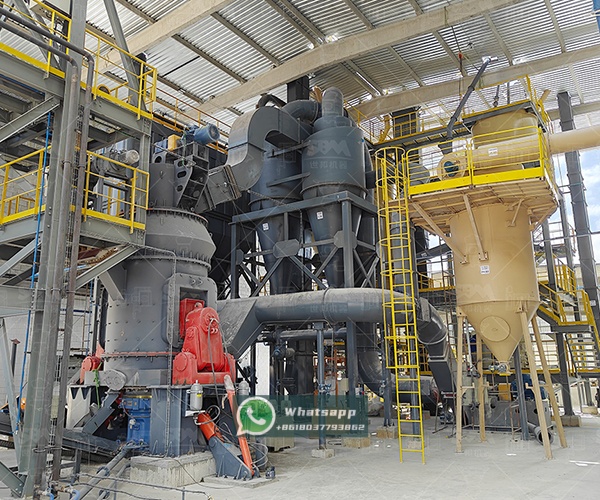
Shanghai Zenith Machinery Co., Ltd. is an excellent manufacturer of ore grinding equipment in China and has made great achievements in the field of ultra-fine powder grinding. For large-scale feldspar powder production in Saudi Arabia, the LM Vertical Grinding Mill is an outstanding choice. It integrates crushing, grinding, powder selection, drying, and material conveying into one compact system. This reduces civil engineering, footprint, and conveying points. The LM series can process materials with a maximum feed size of less than 38 mm to 50 mm and produce a final fineness of about 170 to 40 microns. Capacity ranges from 10-28 t/h for LM130K, 23-68 t/h for LM190K, and 50-170 t/h for LM280K. The main motor power ranges from 200 kW to 1250 kW. For a glass or ceramic plant requiring dependable tonnage and consistent fineness, the LM Vertical Grinding Mill offers high grinding efficiency, low noise, and excellent environmental performance.
Recommended Solution: XZM Ultrafine Grinding Mill
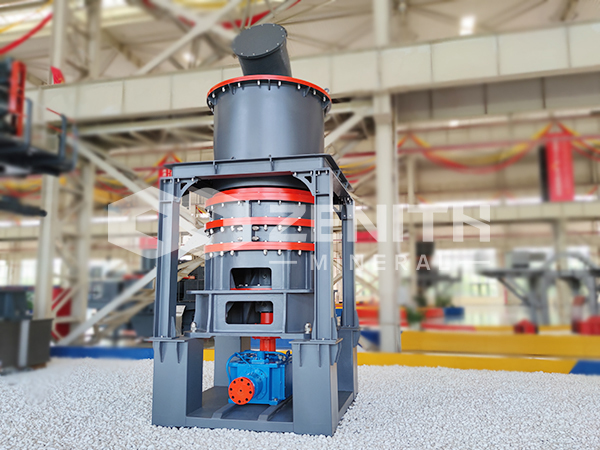
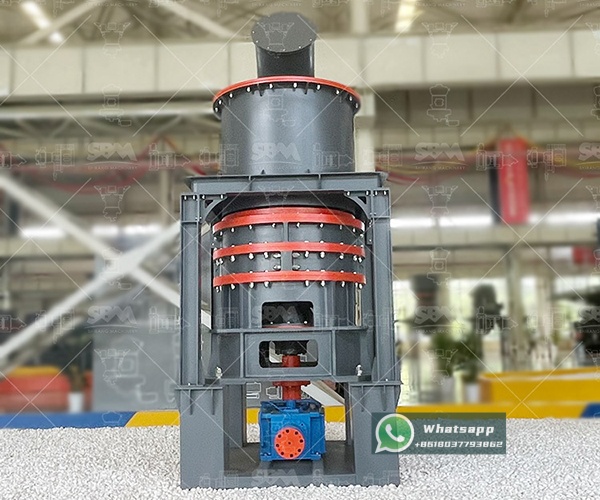
For applications that need finer feldspar powder, such as high-quality glazes, porcelain, and advanced ceramics, the XZM Ultrafine Grinding Mill is recommended. It is widely used for superfine powder production and can achieve 325-2500 mesh. The XZM221 has a working diameter of Φ800 mm, maximum feed size of less than 20 mm, output of 500-4500 kg/h, and main motor power of 75 kW. The XZM268 has a working diameter of Φ1680 mm, maximum feed size of less than 20 mm, output of 5000-25000 kg/h, and main motor power of 315 kW. It is suitable for grinding soft or medium-hard materials with moisture content below 6%. Since feldspar is a medium-hard mineral, proper moisture control and wear-resistant liners are important. The XZM mill provides a flexible route to premium ultrafine feldspar powder with a narrow particle size distribution.

Alternative Mills for Different Production Scales
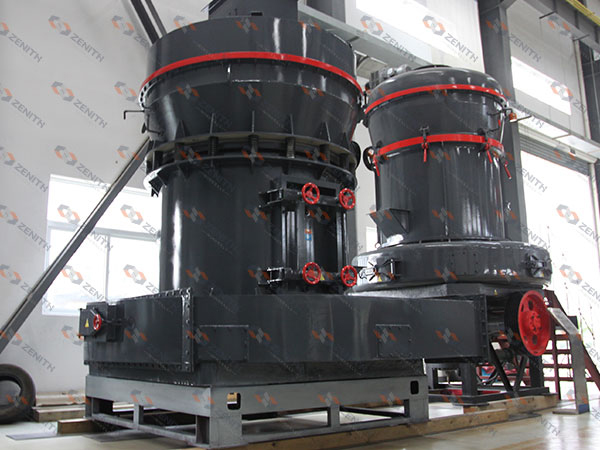
Shanghai Zenith also produces MTW Trapezium Grinding Mill, MTM Medium-Speed Grinding Mill, Raymond Mill, Ball Mill, Hammer Mill, and LUM Ultrafine Vertical Mill. The MTW Trapezium Grinding Mill is suitable for materials with maximum feed size up to 50 mm and final size as fine as 0.038 mm. Models include MTW110 with capacity 3-9 t/h and MTW215G with capacity 15-45 t/h. The MTM Medium-Speed Grinding Mill is an ideal substitute for traditional Raymond mills, with models such as MTM100, MTM130, and MTM160. For wet processing or when a conventional ball mill is preferred, Zenith ball mills are available in many sizes, including Φ1500×4500 with capacity 3-6 t/h and Φ2700×4500 with capacity 12-90 t/h. These options allow customers to match equipment to raw material properties, product specifications, and investment budget.
Complete Feldspar Grinding Plant Configuration
A typical feldspar grinding plant includes a raw material hopper, vibrating feeder, jaw crusher or hammer crusher, grinding mill, classifier, cyclone collector, bag filter, screw conveyor, bucket elevator, and packing machine. Magnetic separation may be installed before or after grinding to remove iron-bearing particles. For glass batch, batching and mixing systems can be integrated. For ceramic glazes, fine classification and dust collection are essential. Shanghai Zenith can provide process design, equipment manufacturing, installation guidance, commissioning, spare parts, and operator training. This full-service approach helps Saudi customers reduce project risk and achieve stable production quickly.
How to Select the Right Feldspar Grinding Mill
Selection should be based on four main factors: required capacity, target fineness, allowable iron content, and available budget. If the plant needs more than 20 t/h and a product between 80 and 325 mesh, the LM Vertical Grinding Mill is often the most efficient choice. If the product must be finer than 325 mesh, the XZM Ultrafine Grinding Mill is a strong candidate. If the raw material is very hard or the plant requires wet processing, a ball mill may be more suitable. If the capacity is small and the budget is limited, Raymond Mill or MTM Medium-Speed Grinding Mill can be considered. In all cases, testing the actual feldspar sample is recommended to confirm hardness, moisture, abrasiveness, and particle size requirements.
Conclusion
Saudi Arabia’s glass and ceramic industries need high-quality feldspar powder to remain competitive. The right grinding mill can improve product quality, lower energy consumption, and increase production reliability. Shanghai Zenith Machinery Co., Ltd. offers a complete range of grinding equipment, from LM Vertical Grinding Mill for large-scale production to XZM Ultrafine Grinding Mill for premium fine powder. With robust engineering, advanced classification, and practical service support, Zenith can help glass and ceramic producers in Saudi Arabia build efficient and profitable feldspar grinding plants. For project-specific recommendations, contact Shanghai Zenith with your raw material data, capacity target, and final product fineness.
Key Equipment
Want This Solution for Your Project?
Contact us for a customized quotation and technical proposal.
Interested in This Solution?
Send us a message and our engineers will get back to you within 24 hours.