Introduction
Egypt’s construction industry has been expanding steadily, driven by new cities, infrastructure projects, and residential developments. As a result, demand for high-performance construction materials and additives is rising. Among these, perlite powder has gained a strong foothold as a lightweight filler and functional additive in gypsum boards, plasters, lightweight concrete, and insulating panels. To achieve consistent quality and economic efficiency, a reliable perlite milling line is essential. Shanghai Zenith Machinery Co., Ltd., an excellent manufacturer of ore grinding equipment in China, provides advanced grinding systems that help Egyptian producers turn raw perlite ore into value-added construction fillers.
Perlite and Its Role in Construction Fillers
Perlite is a naturally occurring volcanic glass with the unique property of expanding under heat. When heated rapidly, it pops like popcorn to form a lightweight, porous material. This expanded perlite is widely used in construction because it is chemically inert, fire-resistant, and thermally insulating. For filler applications, perlite is ground into fine powders that can improve the workability, durability, and insulating performance of building products. The fineness and particle-size distribution of the powder are critical to its performance. This is why the choice of milling equipment for perlite processing is a central decision for any construction-filler project in Egypt.
In comparison with other fillers, perlite offers low bulk density, high surface area, and good porosity. These characteristics help building material manufacturers reduce the weight of finished products while maintaining mechanical strength. Perlite fillers are also compatible with cement, gypsum, and various polymer binders, which makes them a flexible option for many formulations. As Egyptian construction projects become more demanding, the need for uniform and high-purity perlite powder continues to grow.
Designing a Perlite Milling Line
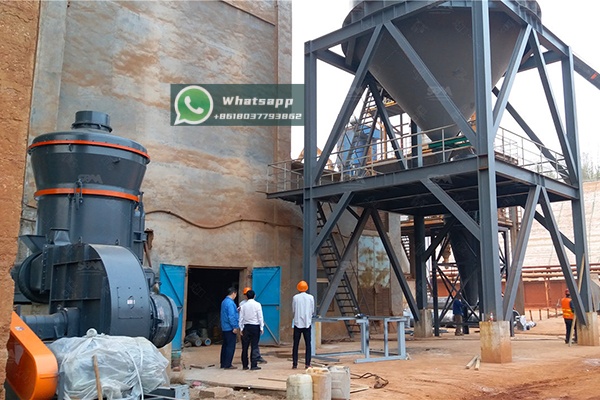
A complete perlite milling line usually consists of primary crushing, feeding, grinding, classification, and powder collection. Raw perlite with a maximum size of 300 to 400 mm is first reduced by a jaw crusher to about 30 to 50 mm. The crushed material is then conveyed into a grinding mill, where it is ground to the required fineness. The classifier inside the mill ensures that oversized particles are returned for further grinding, while fine powder is collected by a bag filter or cyclone. This integrated process maximizes efficiency and minimizes product variation.
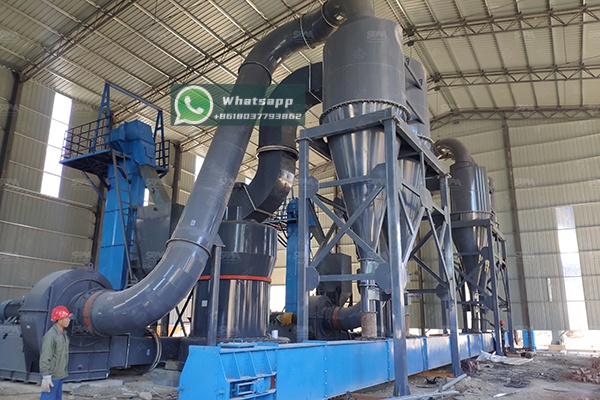
For a typical Egyptian plant, the line can be arranged with a vibrating feeder, a bucket elevator, a grinding mill, a dust collector, and a centralized control panel. The raw perlite is stored in a silo and fed at a controlled rate to prevent mill overload. The mill operates under negative pressure, which helps to prevent dust leakage and ensures a safe working environment. After collection, the finished powder is transported to packaging or storage. In this way, the milling line can run continuously with minimal manual intervention.
Key Considerations for Egyptian Producers
When selecting a perlite grinding solution, producers in Egypt must consider moisture content, abrasiveness, target fineness, and throughput. Perlite is generally soft and easy to grind, but it can be abrasive because of its natural silica content. Therefore, equipment with wear-resistant parts and a stable grinding process is recommended. Energy efficiency is also important, as grinding often accounts for the largest share of operating costs. Finally, producers need a supplier that offers reliable after-sales service and spare parts support. Shanghai Zenith Machinery Co., Ltd. has long experience in the field of ultra-fine powder grinding and supplies machines that address these demands.
Recommended Grinding Equipment from Zenith
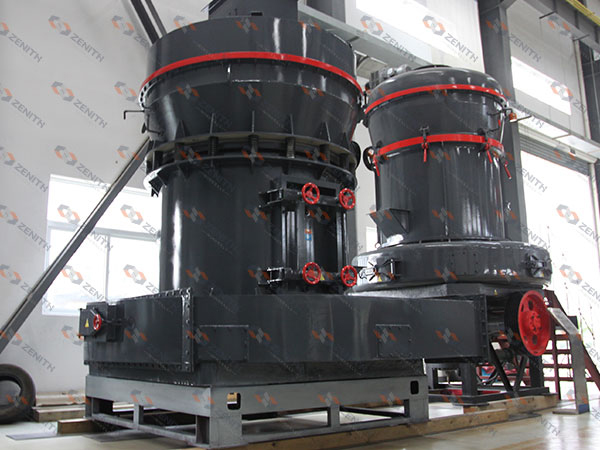
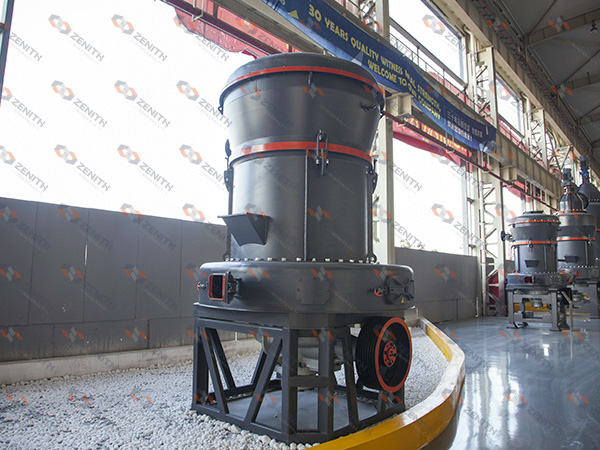
MTW Trapezium Grinding Mill
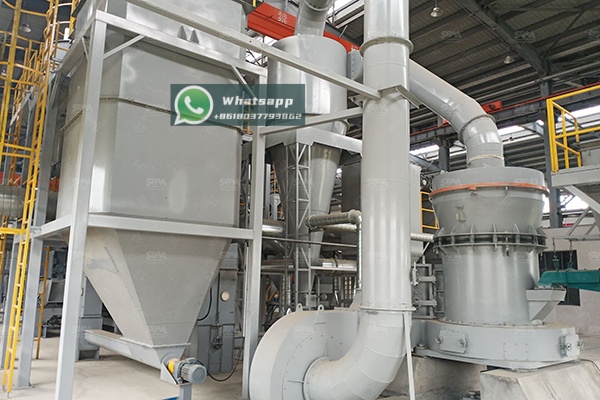
For medium-capacity perlite filling production, the MTW Trapezium Grinding Mill is an ideal choice. It has compact structure, long service life, and an eco-friendly design. With a maximum feed size of 50 mm, the mill can handle pre-crushed perlite directly. The final product size ranges from 1.6 mm to 0.045 mm, allowing producers to meet typical filler specifications. Several models are available to match the scale of operation. For instance, the MTW175G has a capacity of 9.5 to 25 tonnes per hour with a main motor power of 160 kW, making it suitable for medium-size lines. Larger producers can choose the MTW215G, which delivers up to 45 tonnes per hour.
| Model | Max Feed Size | Final Size | Capacity |
|---|---|---|---|
| MTW138Z | <35 mm | 1.6-0.045 mm | 6-17 t/h |
| MTW175G | <40 mm | 1.6-0.045 mm | 9.5-25 t/h |
| MTW215G | <50 mm | 1.6-0.045 mm | 15-45 t/h |
The trapezium-shaped grinding roller and ring improve grinding efficiency and reduce energy consumption. In addition, the mill is equipped with a high-efficiency classifier so that the perlite powder can be controlled within a precise range. This is especially important for construction fillers that require stable quality from batch to batch.
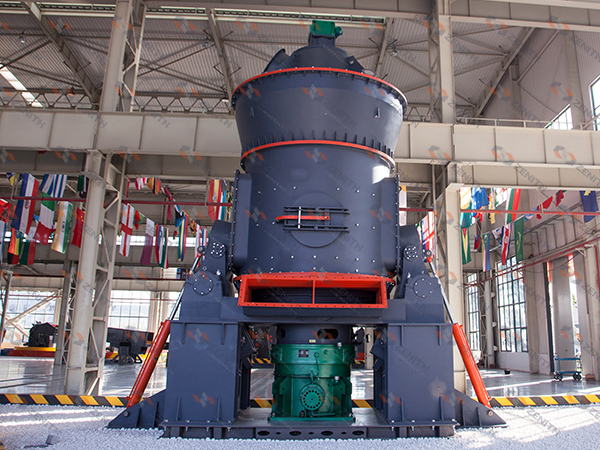
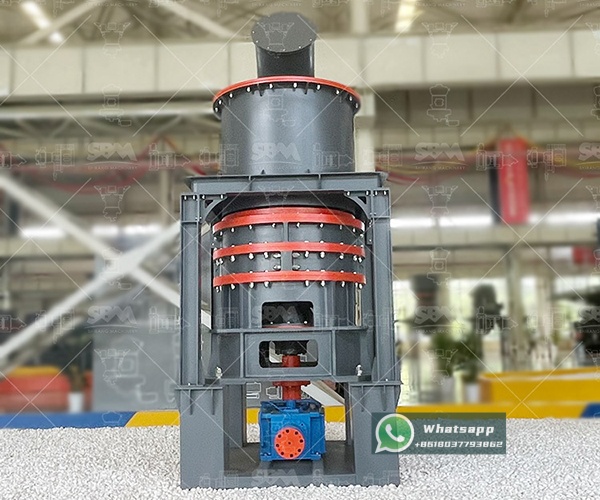
LUM Ultrafine Vertical Mill
When the project requires ultra-fine perlite fillers with a narrow particle distribution, the LUM Ultrafine Vertical Mill is another excellent option. It integrates grinding, drying, classifying, and transportation in one unit, and it occupies a compact footprint. The mill can produce powders with a D97 size of 5 to 30 μm, which corresponds to approximately 600 to 2500 mesh. This makes it ideal for high-end construction fillers, sealants, and specialized insulating coatings.
| Model | Main Machine Power | Capacity | Size Distribution D97 |
|---|---|---|---|
| LUM1525 | 220-250 kW | 1.6-11.5 t/h | 5-30 μm |
| LUM1632 | 280-315 kW | 2.0-13.5 t/h | 5-30 μm |
| LUM1836 | 355-400 kW | 2.3-15 t/h | 5-30 μm |
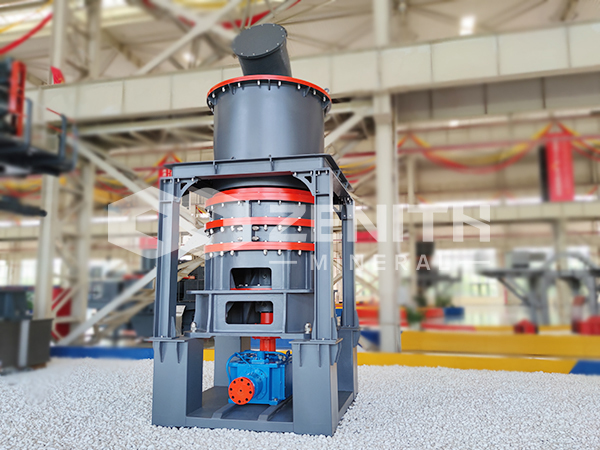
For Egyptian producers that wish to produce both coarse fillers and ultra-fine powders, a combination of MTW and LUM mills can be considered. The MTW mill can handle the main filler stream, while the LUM mill can be used for value-added high-fineness products. This approach offers flexibility in the marketplace and maximizes the return on investment.
Conclusion
As Egypt continues to develop its infrastructure and building sectors, the demand for high-quality lightweight fillers will remain strong. Perlite is a proven material in construction, and its value can be greatly enhanced through professional milling. A well-designed perlite milling line with reliable grinding equipment is the key to producing consistent, high-performance fillers. Shanghai Zenith Machinery Co., Ltd. offers a comprehensive range of mills, including the MTW Trapezium Grinding Mill, the LUM Ultrafine Vertical Mill, Raymond mill, ball mill, and other grinding machines. With robust construction, advanced classifiers, and energy-efficient operation, Zenith equipment helps Egyptian producers stay competitive in the growing construction filler market.
Key Equipment
Want This Solution for Your Project?
Contact us for a customized quotation and technical proposal.

Interested in This Solution?
Send us a message and our engineers will get back to you within 24 hours.