Introduction: The Critical Role of Barite in Oil & Gas Drilling
Barite (barium sulfate, BaSO4) is an essential industrial mineral, with its primary application being as a weighting agent in drilling fluids for oil and gas exploration. In the demanding environment of oil well drilling, particularly in regions like Oman with its complex geological formations and high-pressure reservoirs, the quality of barite powder is non-negotiable. The American Petroleum Institute (API) standard for drilling-grade barite (API 13A) mandates a minimum specific gravity of 4.20 g/cm³ and requires that at least 97% of the particles pass through a 200-mesh (75-micron) screen, with a maximum of 30% by weight being less than 6 microns. Achieving this precise particle size distribution (PSD) consistently and cost-effectively requires specialized grinding equipment. This article delves into the technical requirements for producing API-grade barite powder and presents premier grinding solutions from Shanghai Zenith Machinery Co., Ltd., a renowned manufacturer in China’s ore grinding equipment industry.
Oman’s oil and gas sector is a cornerstone of its economy, with major production from fields in Block 6 and other areas. The development of tight gas and enhanced oil recovery (EOR) projects has increased demand for high-performance drilling fluids. Local barite deposits, such as those in the Al Jabal Al Akhdar region, or imported barite ore must be processed to meet stringent specifications. Choosing the right grinding mill is paramount for drillers and mud service companies operating in Oman, as it directly impacts drilling efficiency, wellbore stability, and overall operational costs.
Key Technical Requirements for Oil Drilling Grade Barite
1. Particle Size & Fineness Control
The API standard specifies that the barite powder must have a specific gravity of 4.20 minimum. The fineness requirement is critical: 97% passing through 200 mesh (75 microns) and a maximum of 30% passing through 6 microns. This prevents the barite from becoming too fine, which can negatively impact the rheology of the drilling mud. A consistent PSD ensures stable mud density, effective cuttings transport, and efficient downhole pressure control.
2. Moisture Content
For free-flowing barite powder, the moisture content must be kept low, typically below 1%. High moisture can cause caking, bridging, and poor handling in pneumatic conveying systems used on drilling rigs. Efficient grinding mills often integrate drying capabilities to manage moisture during processing.
3. Purity and Contamination
While specific gravity is the primary indicator of purity, levels of soluble alkaline earth metals (like calcium) must be controlled. The grinding process must not introduce excessive iron or other contaminants that could affect the mud’s chemical properties. Using wear-resistant grinding components is essential.
4. Production Capacity & Energy Efficiency
Given the logistics of supplying drilling operations, a steady and high-capacity production line is needed. Energy efficiency is also a major factor, as grinding accounts for a significant portion of the operational cost of barite processing. Modern mills offer capacities from several tons per hour to over 40 tons per hour, catering to both small-scale users and large industrial terminals.
Shanghai Zenith: A Preferred Manufacturer for Barite Grinding Solutions
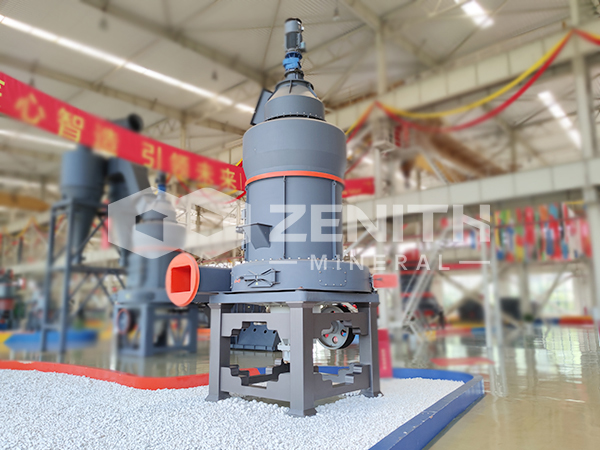
Shanghai Zenith Machinery Co., Ltd. has established itself as a leading manufacturer of industrial grinding equipment. With comprehensive research and development capabilities, the company provides robust solutions for ultra-fine powder processing. For the specific application of barite grinding for the oil drilling grade market in Oman, Zenith’s MTW Series Trapezium Grinding Mill and LUM Series Ultrafine Vertical Roller Mill stand out as optimal choices.
These mills are designed to handle the high specific gravity and abrasive nature of barite while delivering the precise fineness and high throughput required by the API standard. Let’s examine these two flagship products.
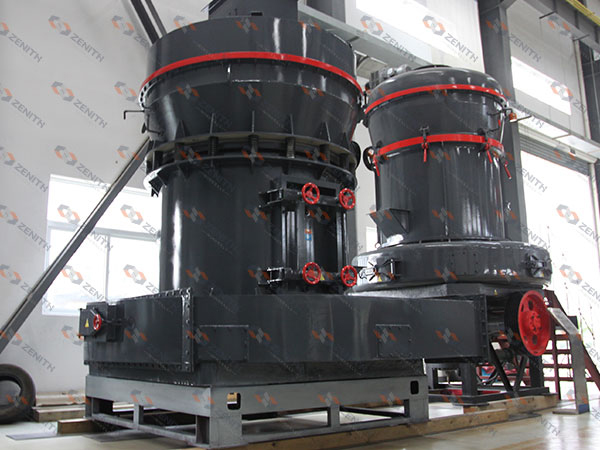
Recommended Product 1: MTW Trapezium Grinding Mill
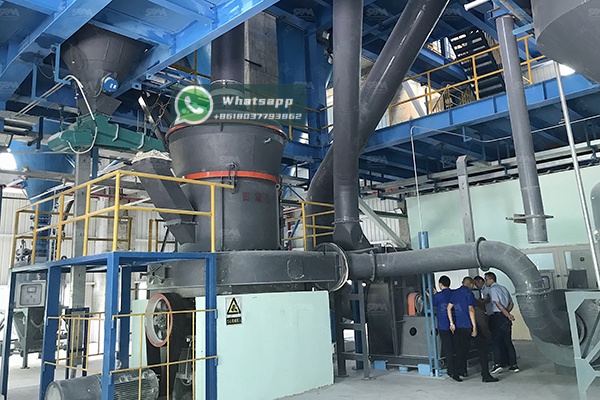
The MTW Trapezium Mill is a multi-patented workhorse, renowned for its compact structure, long service life, and environmentally friendly operation. It is particularly well-suited for processing barite with a maximum input size of up to 50mm, producing a final product with a fineness down to 0.038mm (400 mesh). Its unique trapezium-shaped grinding roller and ring design improves grinding efficiency and reduces vibration.
Key Advantages for Barite Processing:
- High Capacity & Flexibility: The MTW175G model, for example, can produce 9.5 to 25 tons per hour of API-grade barite powder, making it ideal for medium to large-scale processing plants in Oman.
- Precise Particle Size Control: The built-in classifier can be easily adjusted to ensure that at least 97% of the product passes through 200 mesh, perfectly meeting API spec.
- Durability & Low Maintenance: The use of high-quality alloy steel and an improved lubrication system minimizes wear on the grinding rollers and rings, which is crucial when processing the dense and slightly abrasive barite ore.
- Environmental Compliance: The mill is equipped with a pulse dust collector and a noise-reducing design, ensuring it meets modern environmental standards in the Sultanate.
For a typical barite d50 of 20-25 microns (API grade), the MTW215G model offers an impressive capacity of 15-45 tons per hour, powered by a 280kW main motor and a 315kW fan motor. This ensures that even the largest drilling fluid mixing plants in Oman can maintain a steady inventory of high-quality barite powder.
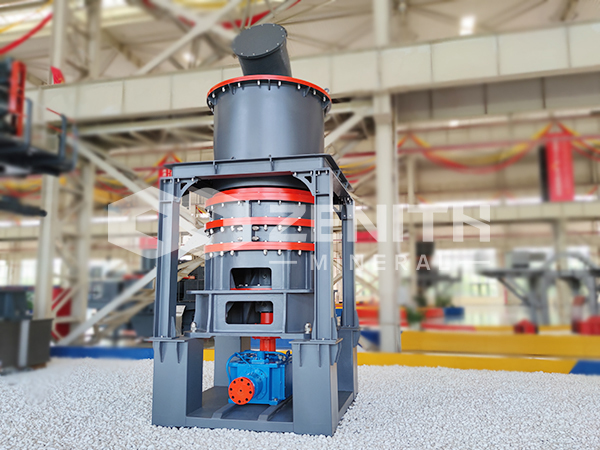
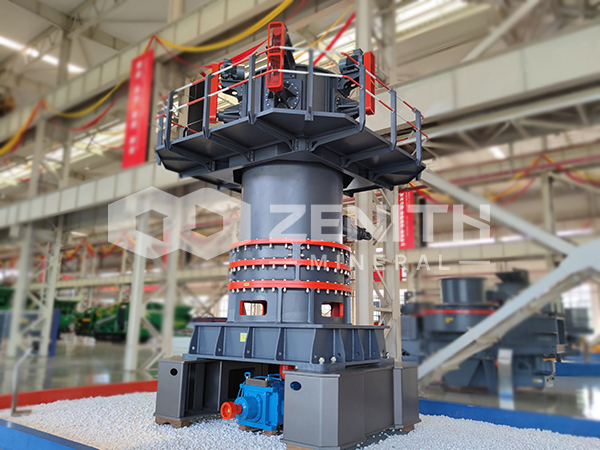
Recommended Product 2: LUM Ultrafine Vertical Roller Mill
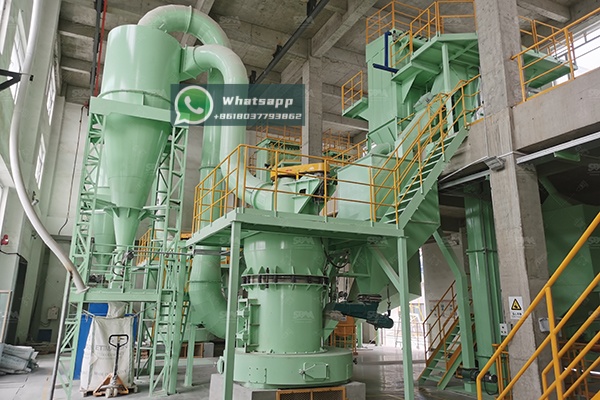
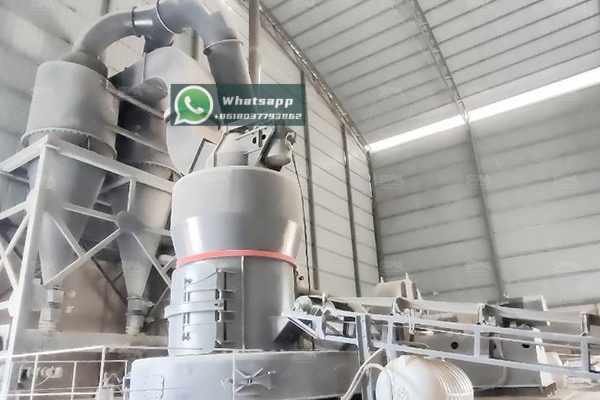
While the MTW mill is excellent for the standard API grade, the LUM Ultrafine Vertical Roller Mill is the ultimate solution for applications requiring higher fineness or a more stringent control of ultra-fine particles (e.g., for high-density muds where finer grinding can improve suspension properties without increasing viscosity too much). The LUM mill integrates grinding, drying, classifying, and conveying into a single compact system.
Why the LUM Mill is a Game-Changer:
- Superior Fineness: It can produce powders with a D97 of 5-30 microns, easily exceeding the API 200 mesh standard and creating a higher quality product that can be marketed at a premium.
- Integrated Classification: The classifier is integrated into the mill body, providing a clean cut and preventing over-grinding. This reduces energy consumption and minimizes the generation of unwanted ultra-fine particles (below 6 microns).
- Lower Energy Consumption per Ton: Compared to traditional ball mills, the LUM series can save 30-50% in energy costs, a significant advantage in Oman where energy costs are a key operational consideration.
- Small Footprint: Its vertical design reduces the floor space required for the milling system, simplifying civil engineering and installation.
Comparative Analysis: MTW vs. LUM for Oman’s Needs
The choice between the MTW Trapezium Mill and the LUM Ultrafine Vertical Mill depends on the specific production goals of the client in Oman.
Use the MTW Series if:
- Your primary goal is to produce standard API-13A grade barite (200 mesh, D50 ~20-25 microns) at the lowest possible capital investment per ton of capacity.
- You prioritize ease of maintenance and proven, robust technology familiar to local operators.
- Your required capacity is in the range of 3 to 45 tons per hour.
Use the LUM Series if:
- You require a higher quality product, such as barite for deep-water drilling or high-temperature/high-pressure (HTHP) wells where a tighter PSD is critical.
- Energy efficiency and operational cost reduction are your top priorities.
- You are working with space constraints and prefer a streamlined, integrated system.
- You need to produce a finer product (e.g., 325 mesh or finer) for specialized applications or to create a differentiated product for the market.
Conclusion: Securing Your Supply Chain with Zenith
The success of drilling operations in Oman hinges on the quality and consistency of the drilling mud, with barite being its backbone. Investing in a high-quality barite grinding mill from Shanghai Zenith Machinery Co., Ltd. is not just an equipment purchase; it is a strategic decision to ensure operational reliability and cost efficiency.
Zenith’s experience in ultra-fine powder grinding spans decades, and their equipment—such as the MTW Trapezium Mill and LUM Ultrafine Vertical Mill—is engineered to meet the rigorous demands of the oil and gas industry. Whether you are setting up a new barite processing plant in Duqm or Sohar, or expanding an existing facility, Zenith offers a complete solution: from the crusher to the mill, bagging machine, and centralized control system.
By choosing Zenith, Oman’s drilling fluid service companies gain a partner committed to technological excellence, after-sales support, and the highest standard of quality. Contact Zenith today to discuss how their grinding mills can optimize your barite processing project and support the nation’s vital energy sector.
Key Equipment
Want This Solution for Your Project?
Contact us for a customized quotation and technical proposal.
Interested in This Solution?
Send us a message and our engineers will get back to you within 24 hours.