Introduction: Why Zeolite Matters for Water Treatment in Malaysia
Malaysia has a diverse and rapidly developing water treatment sector. Municipal utilities, industrial parks, palm oil processing facilities, aquaculture farms, and landfill operators all need reliable filtration and adsorption media. Zeolite has become a preferred material because it combines ion exchange, molecular sieving, and adsorption in one natural or synthetic aluminosilicate. In water treatment, zeolite is used to remove ammonium, heavy metals such as lead, copper, cadmium, and zinc, organic pollutants, odours, and some radioactive isotopes. Its porous structure and high cation exchange capacity make it especially effective for ammonia-nitrogen control in wastewater and drinking water applications.
However, raw zeolite does not deliver consistent performance without proper processing. The material must be crushed, dried, ground, classified, and sometimes activated. Particle size is one of the most important variables. Granular zeolite filter media, usually in the range of 0.5 mm to 2 mm, is used in packed beds where water flows through the media. Fine zeolite powder, often 200 mesh to 325 mesh or even finer, is used in batch adsorption, slurry reactors, and composite filter products. Ultra-fine zeolite powder can provide a much higher surface area, but it also requires precise grinding and classification to avoid excessive fines, dust, and material loss. This is why choosing the right zeolite grinding mill is critical for Malaysian producers and water treatment companies.
Key Requirements for Zeolite Grinding in Water Treatment Media Production
Zeolite is not an easy material to grind uniformly. Depending on its origin, it may contain quartz, clay, feldspar, and moisture. Natural zeolite can have a Mohs hardness between 3.5 and 5.5, while synthetic zeolite may be softer but more sensitive to heat and contamination. A good grinding system should therefore achieve the following goals:
- Controlled particle size distribution for either granular media or fine powder.
- High capacity with stable output, especially for large water treatment projects.
- Low iron contamination, because iron can reduce the adsorption efficiency of zeolite.
- Effective dust collection and environmental protection.
- Ability to handle moisture through drying or integrated drying-grinding processes.
- Easy maintenance and reliable spare parts supply in the Malaysian market.
In Malaysia, tropical humidity adds another challenge. Raw zeolite stored in open yards can absorb moisture, which may cause clogging in mills, reduced capacity, and inconsistent fineness. An ideal solution often includes pre-drying, enclosed conveying, and a grinding mill with reliable classification. For medium-fine filter media, a trapezium mill or vertical mill is usually suitable. For ultra-fine adsorption powder, an ultrafine mill is preferred. Shanghai Zenith Machinery Co., Ltd., an excellent manufacturer of ore grinding equipment in China, has developed a full range of mills for these different requirements.
Recommended Shanghai Zenith Grinding Mills for Zeolite in Malaysia
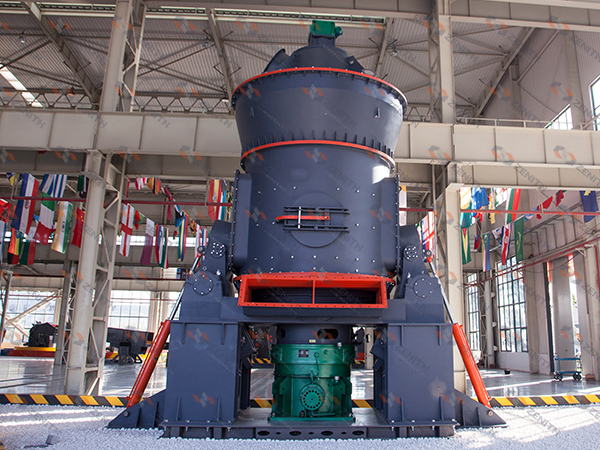
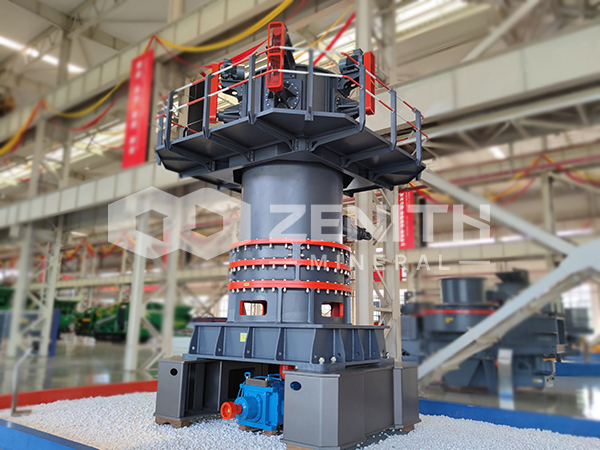
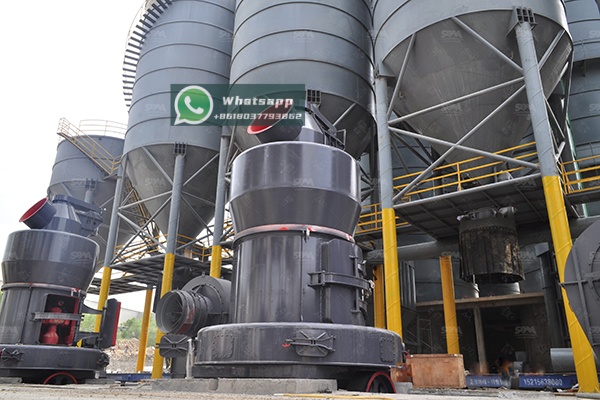
Shanghai Zenith Machinery Co., Ltd. specializes in the research, development, and production of industrial powder grinding equipment. The company has made great achievements in the field of ultra-fine powder grinding, and its equipment is used in mining, building materials, chemical processing, and environmental industries. For zeolite processing in Malaysia, we recommend two products: the MTW Trapezium Grinding Mill and the XZM Ultrafine Grinding Mill. These two mills cover different production targets, from filter-grade granular media to advanced superfine adsorbent powder.
1. MTW Trapezium Grinding Mill for Filter-Grade Zeolite Media
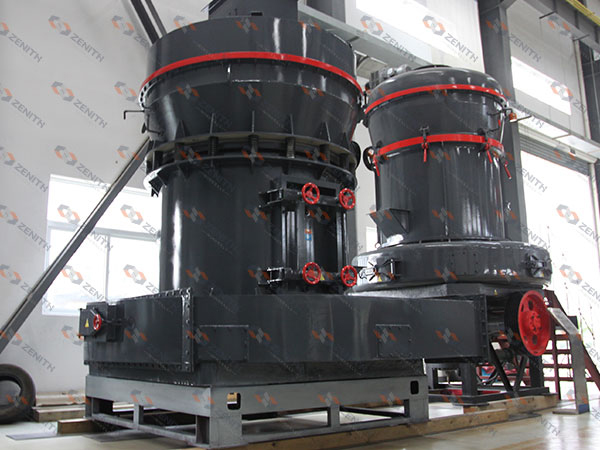
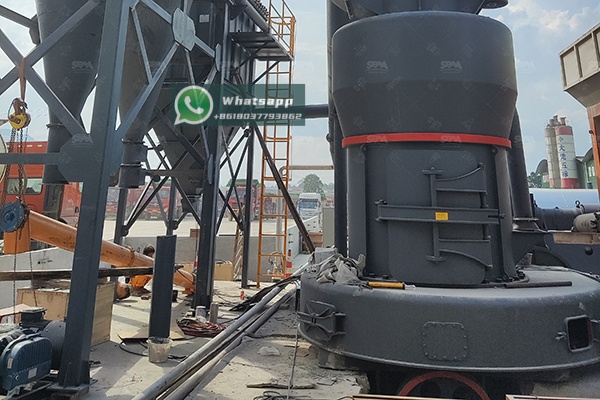
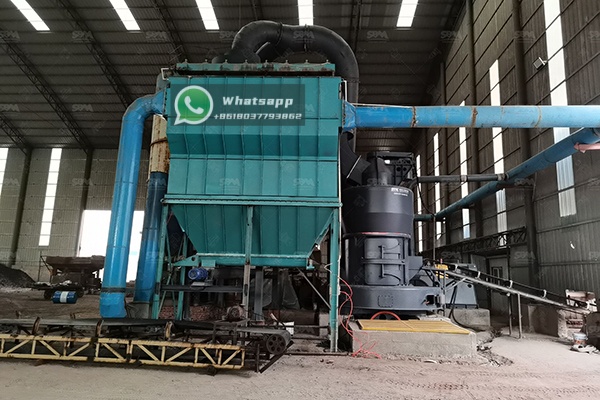
The MTW Trapezium Grinding Mill is a patented grinding system known for its compact structure, long service life, and eco-friendly design. It is suitable for processing materials with a maximum input size of 50 mm and can produce a final product as fine as 0.038 mm. For zeolite water treatment media, the MTW mill is an excellent choice when the target product is in the range of 0.045 mm to 1.6 mm, which corresponds roughly to 30 mesh to 325 mesh. This range covers many granular filter media and medium-fine adsorption powders used in municipal and industrial water treatment.
The MTW series offers flexible capacity, from small and medium plants to large production lines. Its internal classification system helps control the top size of the product, while the curved grinding path and optimized rollers improve grinding efficiency. The mill also features low vibration, low noise, and a reliable sealing system, which are important for keeping zeolite powder clean and minimizing dust in Malaysian production facilities.
| Model | Max. Feed Size (mm) | Final Size (mm) | Capacity (t/h) | Main Motor (kW) | Fan Motor (kW) |
|---|---|---|---|---|---|
| MTW110 | <30 | 1.6-0.045 | 3-9 | 55 | 55 |
| MTW110Z | <30 | 1.6-0.045 | 3-10 | 55 | 55 |
| MTW138Z | <35 | 1.6-0.045 | 6-17 | 90 | 110 |
| MTW175G | <40 | 1.6-0.045 | 9.5-25 | 160 | 200 |
| MTW215G | <50 | 1.6-0.045 | 15-45 | 280 | 315 |
For a Malaysian zeolite water treatment media producer, the MTW175G or MTW215G can be a strong option for large-scale production. They can deliver 9.5-25 t/h and 15-45 t/h respectively, making them suitable for supplying regional water utilities, industrial wastewater plants, and filter media distributors. If the project requires a smaller capacity, the MTW138Z offers 6-17 t/h with a 90 kW main motor, which is a practical balance between output and energy consumption.
2. XZM Ultrafine Grinding Mill for Advanced Zeolite Adsorbents
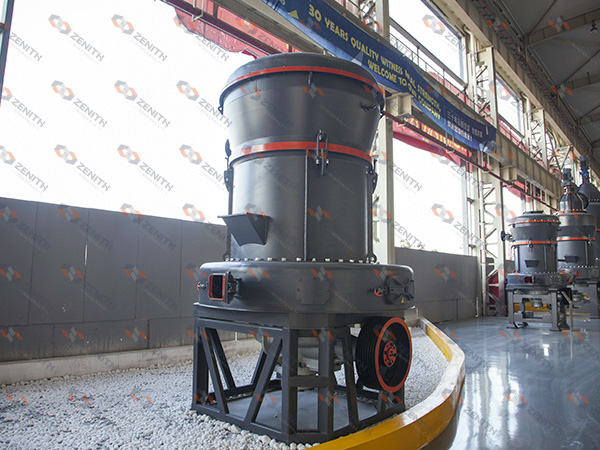
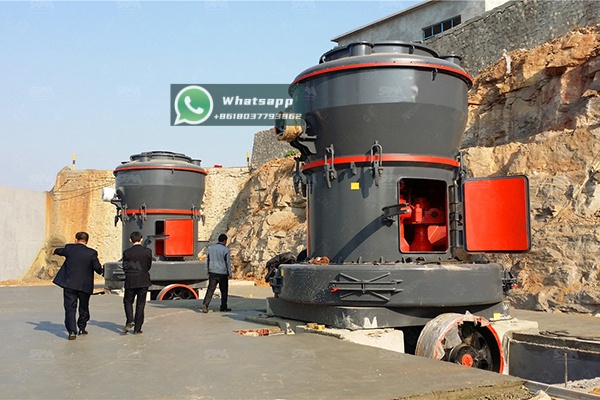
The XZM Ultrafine Grinding Mill is widely used for superfine powder production. It is suitable for grinding soft or medium-hard materials with moisture content below 6%, and it can achieve an output fineness of 325-2500 mesh. For zeolite, this means the mill can produce very fine powder with high specific surface area, which is valuable for advanced adsorption applications. When zeolite is used to remove ammonium, heavy metals, dyes, or odours from water, finer particles can provide faster adsorption kinetics and higher contact efficiency, provided that the material is properly dispersed and separated after treatment.
The XZM series is designed for ultra-fine powder production and includes intelligent control, stable classification, and easy maintenance. It is an excellent solution for Malaysian companies that want to produce high-value zeolite powder for drinking water purification, industrial effluent polishing, aquaculture water treatment, or specialty filter cartridges. The XZM mill can also support the production of zeolite-based composites, where fine zeolite powder is mixed with polymers, ceramics, or activated carbon.
| Model | Working Diameter (mm) | Max. Feed Size (mm) | Final Size (mesh) | Output (kg/h) | Main Motor Power (kW) |
|---|---|---|---|---|---|
| XZM221 | Φ800 | ≤20 | 325-2500 | 500-4500 | 75 |
| XZM268 | Φ1680 | ≤20 | 325-2500 | 5000-25000 | 315 |
For a medium-scale zeolite powder line, the XZM221 with 500-4500 kg/h output is a good starting point. For a larger and more commercial operation, the XZM268 can produce 5,000-25,000 kg/h, which equals 5-25 t/h of ultra-fine zeolite powder. This capacity is attractive for Malaysian producers who plan to export to ASEAN markets or supply large water treatment projects. The combination of MTW for medium-fine media and XZM for superfine powder allows a single plant to serve multiple product segments.
How Ground Zeolite Is Used in Malaysian Water Treatment
Ground zeolite has many applications in Malaysia. In municipal wastewater treatment, zeolite media can reduce ammonium nitrogen, which is a major cause of eutrophication and is regulated in many discharge standards. In drinking water treatment, zeolite can be used as part of a multi-barrier process to remove ammonia, iron, manganese, and some trace metals. Industrial sectors such as electronics, electroplating, textile, and food processing use zeolite for heavy metal removal and wastewater polishing. Palm oil mill effluent and landfill leachate also contain nitrogen and organic pollutants that can be treated with zeolite-based systems.
In aquaculture, zeolite is used to control ammonia in ponds and recirculating systems. Fine zeolite powder can be applied in slurry reactors or mixed into filter beds, while granular zeolite is used in flow-through filters. For rainwater harvesting and stormwater treatment, zeolite can help remove dissolved pollutants before discharge or reuse. The right particle size depends on the reactor design. Packed beds need granular media with good hydraulic conductivity, while batch adsorption systems can use fine powder for faster reactions. This is why a flexible grinding circuit is so important.
Selection Guide: MTW vs. XZM for Zeolite Grinding
Choosing between the MTW Trapezium Grinding Mill and the XZM Ultrafine Grinding Mill depends mainly on the target product and production scale. The MTW mill is better for filter-grade and medium-fine zeolite products, especially when output is measured in tons per hour. It handles larger feed sizes and offers high capacity with a compact footprint. The XZM mill is better for superfine zeolite powder, especially when the final product must be finer than 325 mesh and when high surface area is the priority. It is ideal for advanced adsorption products, but it usually requires stricter moisture control and dust collection.
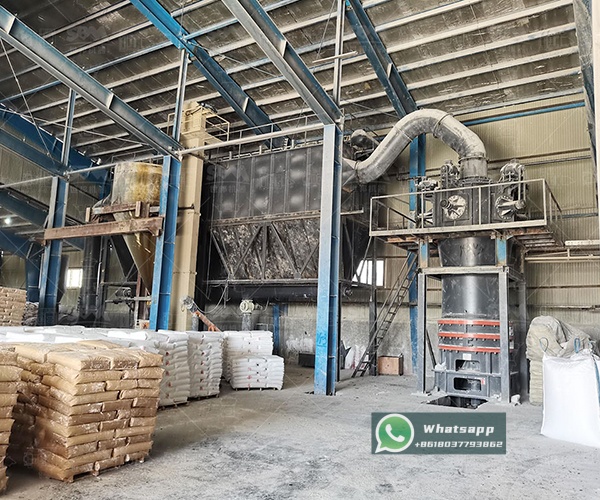
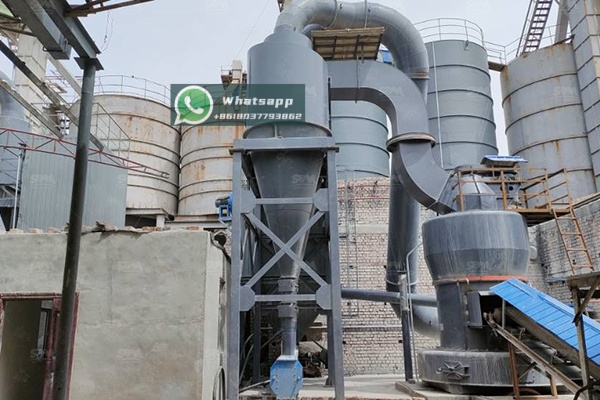
Malaysian producers should also consider energy consumption, wear parts, maintenance access, and local service support. A complete zeolite processing line may include a jaw crusher or hammer crusher, a dryer, a feeder, the grinding mill, a classifier, a dust collector, a screw conveyor, and a packing machine. Shanghai Zenith can provide not only the grinding mill but also related equipment for the full powder production process. This integrated approach reduces interface risk and helps ensure consistent product quality.
Conclusion
Zeolite is a valuable water treatment media in Malaysia, and its performance depends heavily on proper grinding and classification. For granular filter media and medium-fine powder, the MTW Trapezium Grinding Mill from Shanghai Zenith Machinery Co., Ltd. offers high capacity, reliable operation, and final sizes from 1.6 mm to 0.045 mm. For advanced superfine zeolite adsorbents, the XZM Ultrafine Grinding Mill delivers 325-2500 mesh powder with output capacities up to 25,000 kg/h. Together, these two mills provide a professional solution for Malaysian zeolite processors serving municipal water, industrial wastewater, aquaculture, and environmental remediation markets. With Shanghai Zenith as an experienced manufacturer of ore grinding equipment and ultra-fine powder grinding technology, customers in Malaysia can build a competitive and sustainable zeolite water treatment media production line.
Key Equipment
Want This Solution for Your Project?
Contact us for a customized quotation and technical proposal.
Interested in This Solution?
Send us a message and our engineers will get back to you within 24 hours.