
1. Introduction: Silica Powder Market Perspective for Syria
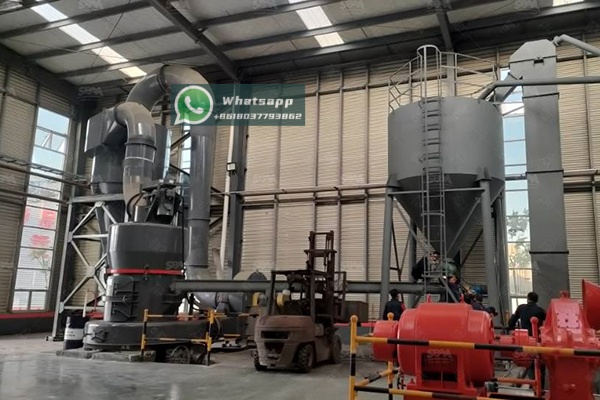
Quartz grinding is a vital processing step for converting natural quartz deposits into industrial silica powder. In Syria, this process is especially relevant because domestic quartz and silica-sand reserves can support the production of value-added materials for glass, ceramics, fiberglass, paints, construction chemicals and filtration media. As reconstruction and industrial diversification proceed, Syrian producers are looking for efficient quartz grinding mills that can deliver consistent silica powder with the right particle size and purity. A modern grinding mill helps mineral processors avoid the expense of selling raw quartz and move into higher-margin powder products.
Silica powder specification is determined mainly by its SiO2 content and particle size distribution. Quartz ore must be crushed, ground and classified. The grinding stage decides productivity, energy cost and final quality. A reliable quartz grinding mill for silica powder must therefore resist abrasive wear, control product fineness, and operate with low metal contamination.
2. Understanding Silica Powder Specifications and Grinding Requirements
Applications require different grades of silica powder. Ordinary glass production often uses silica sand at a relatively coarse particle size; ceramics and refractory materials need milled powder of 80-325 mesh; fillers, coatings and adhesives often require D97 below 45 micrometres; high-end plastic and rubber products use very fine silica powder with D97 even below 10 micrometres. The choice of grinding mill must always begin with target fineness and required throughput.
Because quartz is extremely hard, conventional impact mills may generate excessive wear and overheating. In contrast, roller mills, trapezium mills and vertical mills use compressive grinding mechanisms that produce less noise, lower energy consumption and less accidental iron contamination.
3. Shanghai Zenith Machinery: A Reliable Grinding Technology Partner
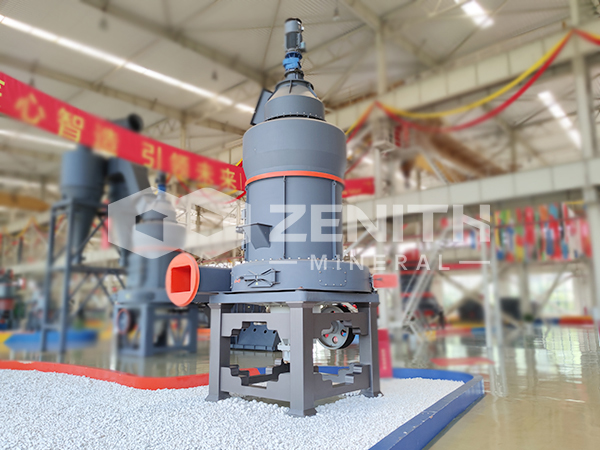
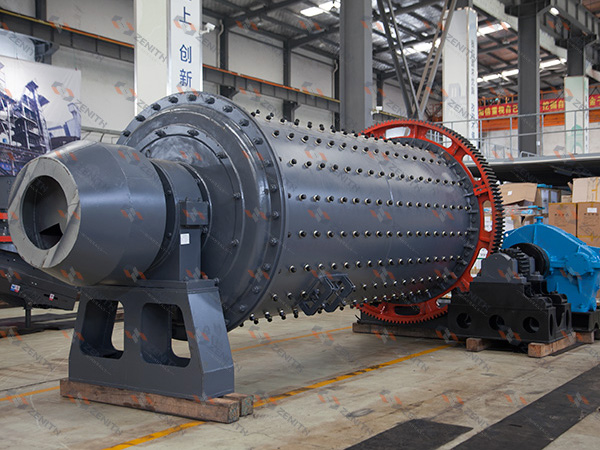
Shanghai Zenith Machinery Co., Ltd. is recognized as an excellent manufacturer of ore grinding equipment in China and has accumulated rich experience in the field of ultra-fine powder grinding. The company specializes in the research, development and production of industrial powder grinding equipment and related devices. The Zenith product portfolio includes the MTW Trapezium Grinding Mill, MTM Medium-Speed Grinding Mill, Raymond Mill, LM Vertical Grinding Mill, LUM Ultrafine Vertical Mill, XZM Ultrafine Grinding Mill, Ball Mill and Hammer Mill. All of these machines can handle mineral materials such as quartz, feldspar, limestone, calcite, dolomite and talc.
For silica powder producers in Syria, the compact footprint, energy efficiency and easy maintenance offered by modern Zenith mills are important advantages. Furthermore, spare-parts availability and after-sales engineering support are critical in remote production fields.
4. Recommended Grinding Mills for Silica Powder in Syria
After evaluating typical quartz feed size, available power, desired output and target market, we recommend the MTW Trapezium Grinding Mill for coarse and medium silica powder, and the LUM Ultrafine Vertical Mill for premium ultrafine silica powder. Each Zenith machine can be configured for stable particle size distribution and high on-stream availability.
4.1 MTW Trapezium Grinding Mill: Versatile Coarse to Medium Silica Grinding
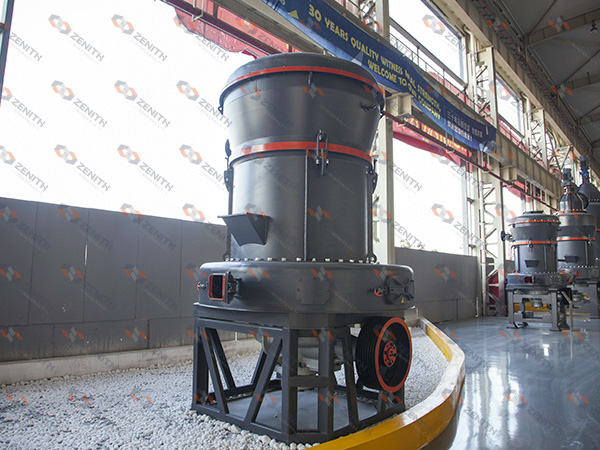
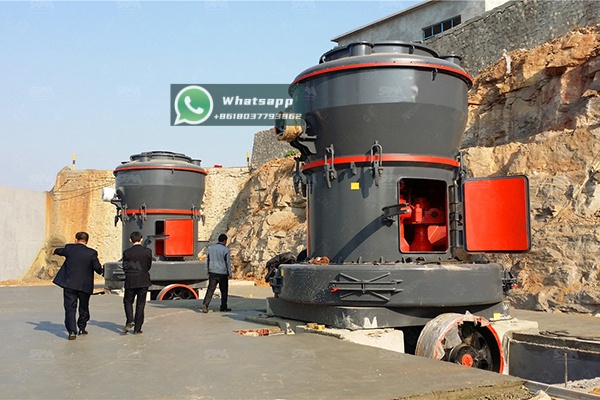
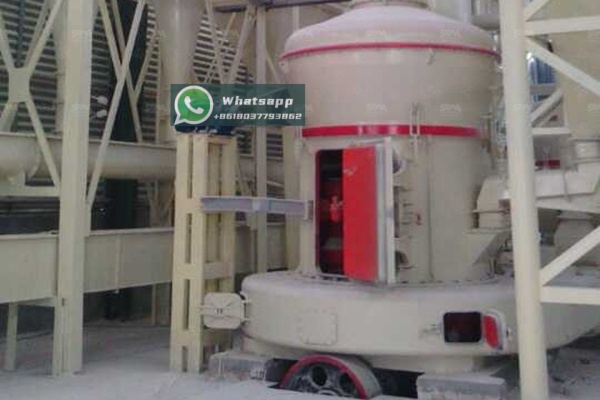
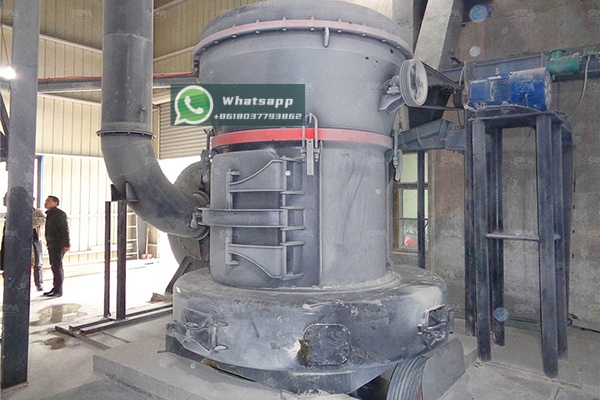
The MTW Trapezium Grinding Mill is a multi-patented machine that has proven its value in quartz and hard ores. It can reduce quartz with a maximum feed size of 30-50 mm to final powder in a range from 1.6 mm down to 0.045 mm, which corresponds to approximately 325 mesh. This range is suitable for many silica products used in glass, ceramics and building materials. The integrated impulsive separator allows operators to change fineness without stopping production.
For a plant in Syria, the MTW mill provides high capacity per unit of occupied area. The arched air duct and low-resistance classifier improve energy efficiency, while wear-resistant grinding roller and grinding ring extend maintenance intervals and reduce downtime losses.
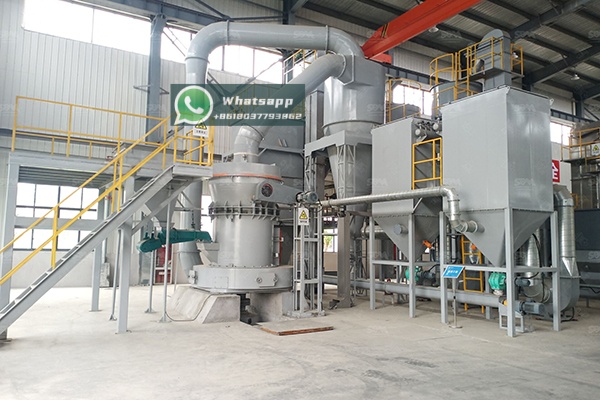
Common configurations are listed below. The MTW175G is usually selected for mid-sized silica powder plants, while the MTW215G supports large lines with hourly output up to 45 tons.
| Model | Max Feed Size (mm) | Final Size (mm) | Capacity (t/h) | Main Motor (kW) |
|---|---|---|---|---|
| MTW110Z | <30 | 1.6-0.045 | 3-10 | 55 |
| MTW138Z | <35 | 1.6-0.045 | 6-17 | 90 |
| MTW175G | <40 | 1.6-0.045 | 9.5-25 | 160 |
| MTW215G | <50 | 1.6-0.045 | 15-45 | 280 |
4.2 LUM Ultrafine Vertical Mill: Premium High-Fineness Silica Grinding
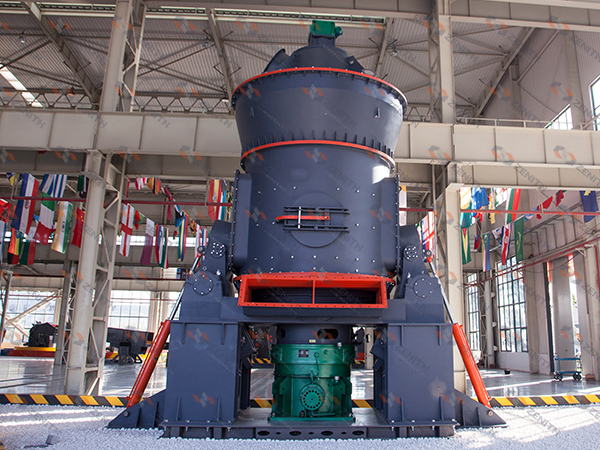
When the project objective is to sell premium silica filler for paints, plastics, rubber and chemical applications, the LUM Ultrafine Vertical Mill should be considered. The LUM series combines grinding, classification and drying in one energy-saving machine. Its vertical layout consumes much less floor space than a ball mill of comparable capacity, while the high-efficiency dynamic classifier can control D97 between 5 and 30 micrometres.
The LUM mill is engineered to minimize iron contamination. Contact parts are built with abrasion-resistant materials, and the intelligent control system monitors pressure, temperature, vibration and current, making operation easier for Syrian plant operators.
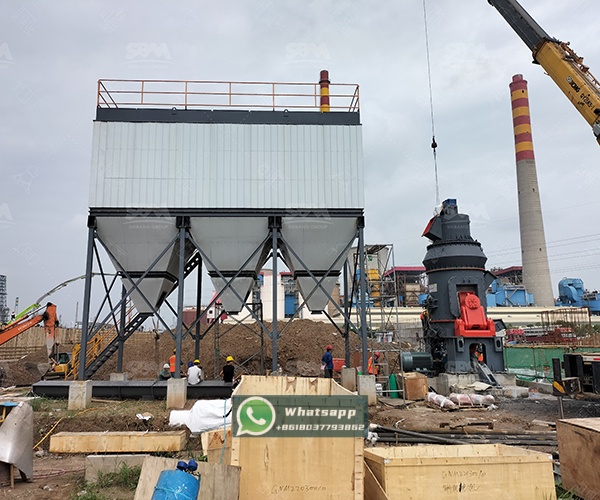
Typical LUM equipment data are shown below.
| Model | Main Machine Power (kW) | Capacity (t/h) | D97 (μm) |
|---|---|---|---|
| LUM1525 | 220-250 | 1.6-11.5 | 5-30 |
| LUM1632 | 280-315 | 2.0-13.5 | 5-30 |
| LUM1836 | 355-400 | 2.3-15 | 5-30 |
5. Practical Design Considerations for Silica Plants in Syria
In Syria, power supply can vary between regions. A grinding mill should be equipped with stable electrical protection and an intelligent starter cabinet. Because quartz is abrasive, the feed hopper, screw conveyor, classifier blades and all pneumatic pipes should have adequate wear protection. A cyclone and a bag filter are usually installed after the mill to recover fine silica and protect the environment.
Zenith grinding stations are adaptable to these constraints. A simple flow is silo – feeder – grinding mill – separator – collector. If wet sand with moisture below 6% is used, hot air can be introduced inside the vertical grinding mill to improve performance. If feed block size is larger than specifications, a jaw crusher or other pre-crushing device should be placed ahead of the mill.
Investors in Syria should also compare capital cost and energy consumption for each product grade. The MTW mill is generally more cost-effective when final product is around 0.045 mm and output is medium or high; the LUM mill provides a better solution when the product requires extremely fine particle size and high value. A well-designed flowsheet avoids over-grinding, reduces metal wear, and allows fast return on investment.
6. Conclusion
The selection of a quartz grinding mill is the key to successful silica powder production in Syria. With domestic quartz resources and growing opportunities in construction, glass and advanced materials, Syrian processors can produce both ordinary silica powder and high-value ultrafine silica fillers. Shanghai Zenith Machinery Co., Ltd. manufactures grinding mills that combine high output, fine powder quality and economical operation. For coarse and medium silica powder, the MTW Trapezium Grinding Mill is an efficient and dependable choice. For ultrafine silica products, the LUM Ultrafine Vertical Mill offers excellent particle size control. A well-matched Zenith mill will help Syrian producers maximize the value of their natural quartz resources.
Want This Solution for Your Project?
Contact us for a customized quotation and technical proposal.
Interested in This Solution?
Send us a message and our engineers will get back to you within 24 hours.