
Introduction
Pakistan is endowed with abundant mineral resources, and feldspar is one of the most significant industrial minerals found in the country, particularly in regions like Khyber Pakhtunkhwa, Gilgit-Baltistan, and Balochistan. With the rapid growth of Pakistan’s ceramics and porcelain industry, the demand for high-quality feldspar powder has surged. Feldspar serves as a vital fluxing agent in porcelain production, lowering the melting temperature and enhancing the strength, translucency, and aesthetic appeal of ceramic bodies. To meet the stringent quality requirements of the porcelain sector, efficient and reliable grinding equipment is essential. This article explores the critical role of feldspar grinding mills in Pakistan’s porcelain production, highlights the challenges faced by local manufacturers, and presents advanced solutions from Shanghai Zenith Machinery Co., Ltd., a leading Chinese manufacturer of ore grinding equipment.
Importance of Feldspar Grinding for Porcelain
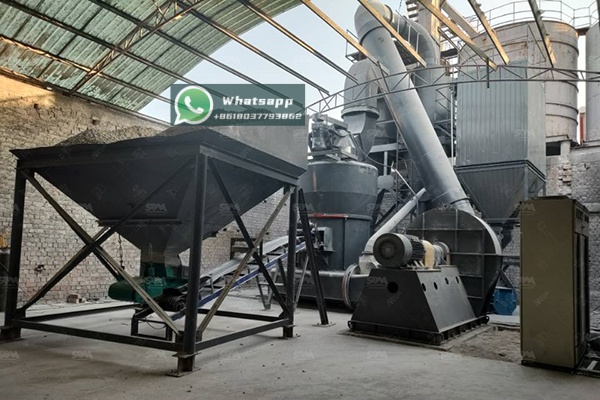
Porcelain production relies heavily on finely ground feldspar, which must meet specific particle size distribution and purity standards. Typically, porcelain manufacturers require feldspar powder with a fineness of 200 to 325 mesh (74–44 microns) or even finer for premium products. The grinding process not only reduces particle size but also increases the specific surface area, ensuring uniform mixing with other raw materials such as kaolin, quartz, and ball clay. Properly ground feldspar improves the vitrification process, reduces porosity, and imparts a smooth glossy finish to final products. In Pakistan, where traditional grinding methods using ball mills are still common, the industry faces challenges such as high energy consumption, inconsistent product quality, and low production capacity. Modern grinding mills with advanced technology can address these issues, enabling local manufacturers to compete in international markets.
Challenges in Pakistan’s Porcelain Industry
Despite the abundance of feldspar reserves, Pakistan’s porcelain industry has been hindered by several factors:
- Inconsistent Quality: Many local grinding operations rely on outdated equipment that cannot achieve uniform particle size distribution, leading to defects in porcelain tiles and tableware.
- High Energy Costs: Conventional ball mills consume excessive electricity, increasing production costs in a country where energy prices are volatile.
- Environmental Concerns: Dust emissions and noise pollution from open-air grinding operations violate environmental regulations in urban areas.
- Limited Capacity: Existing grinding lines often have throughputs below 5 tons per hour, insufficient to meet the growing demand from new ceramic factories being established across Punjab and Sindh.
To overcome these hurdles, Pakistani porcelain manufacturers are increasingly turning to advanced grinding solutions that offer higher efficiency, better product consistency, and lower operating costs.
Solutions from Shanghai Zenith Machinery
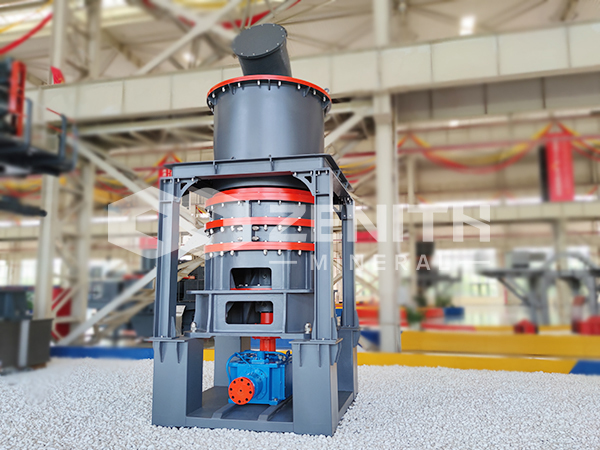
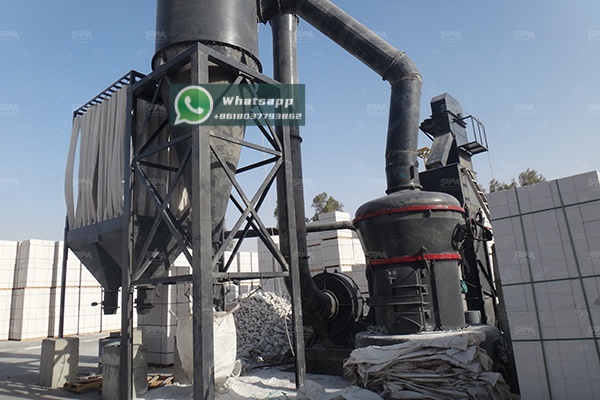
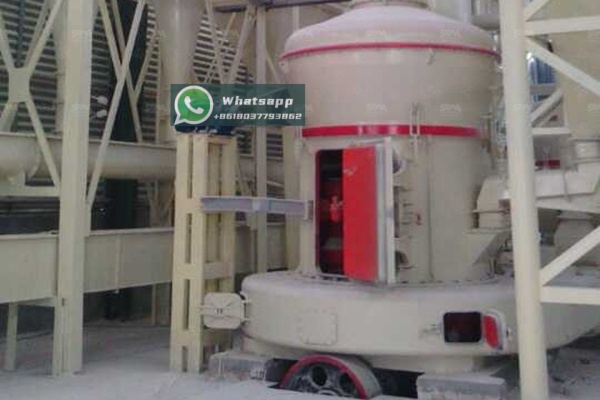
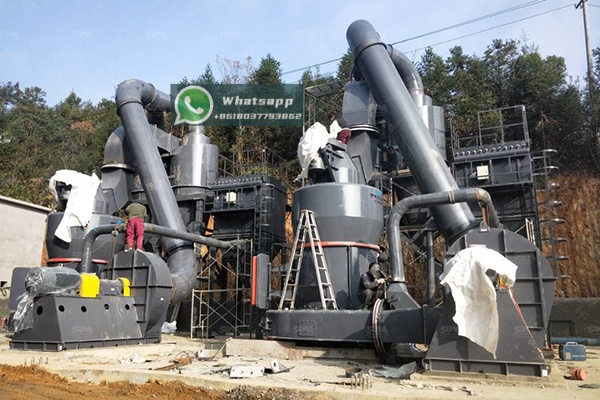
Shanghai Zenith Machinery Co., Ltd. has over three decades of experience in designing and manufacturing industrial grinding equipment. As an excellent manufacturer of ore grinding equipment in China, the company has achieved remarkable success in the field of ultra-fine powder grinding. Their comprehensive product line includes MTW Trapezium Grinding Mill, Ball Mill, MTM Medium-Speed Grinding Mill, Raymond Mill, LM Vertical Grinding Mill, LUM Ultrafine Vertical Mill, XZM Ultrafine Grinding Mill, and Hammer Mill. For Pakistan’s porcelain industry, two models stand out due to their proven performance in feldspar grinding applications: the MTW Trapezium Grinding Mill and the LUM Ultrafine Vertical Mill.
Recommended Product 1: MTW Trapezium Grinding Mill
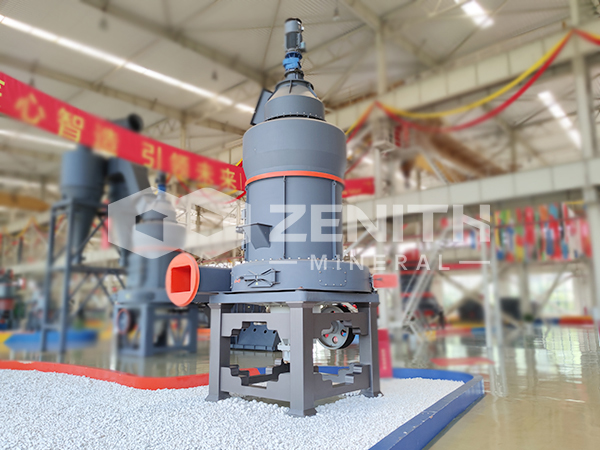
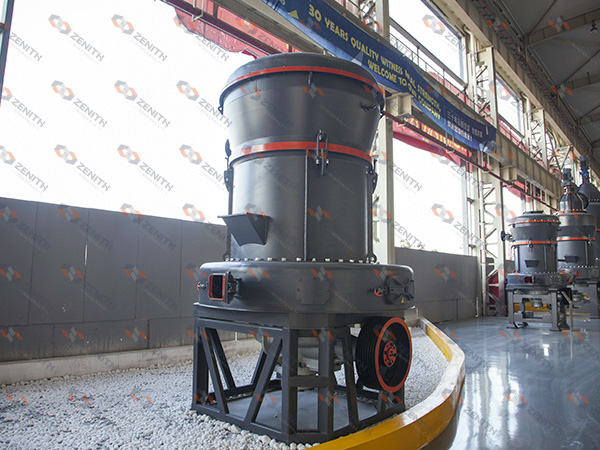
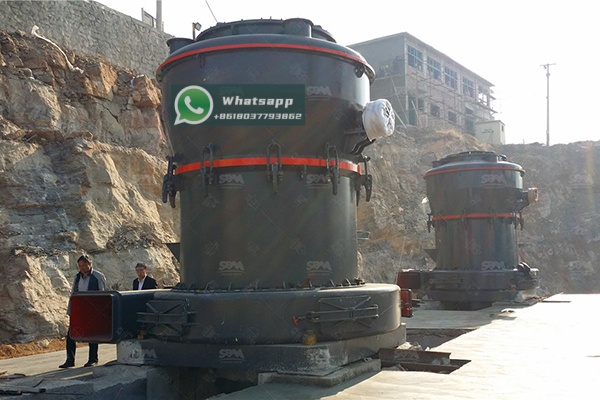
The MTW series is a patented grinding mill known for its compact structure, long service life, and eco-friendly operation. It is ideal for processing feldspar with a maximum feed size of up to 50 mm, and can produce final products as fine as 0.038 mm (400 mesh). Key advantages include:
- High Capacity: The MTW175G model offers a capacity of 9.5–25 t/h, sufficient for medium-to-large scale porcelain factories.
- Energy Efficiency: Advanced internal classifier and curved air duct design reduce power consumption by 30% compared to traditional Raymond mills.
- Low Maintenance: The grinding roller and ring are made of high-manganese steel with wear-resistant overlays, extending service intervals.
- Environmental Compliance: Equipped with a pulse dust collector and noise enclosure to meet Pakistan’s NEQS standards.
Technical Parameters (Model MTW175G):
Max Feed Size: <40 mm
Final Size: 1.6–0.045 mm (10–400 mesh)
Capacity: 9.5–25 t/h
Main Motor Power: 160 kW
Fan Motor Power: 200 kW
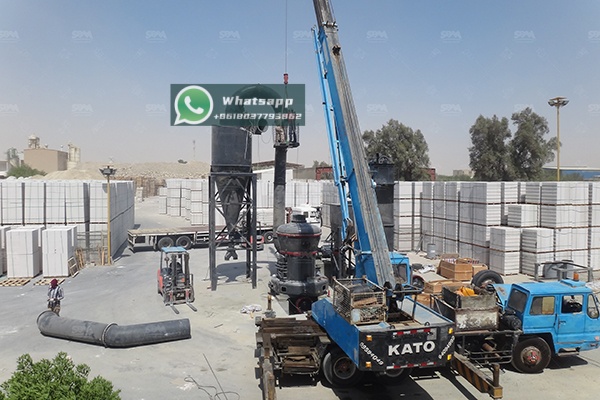
This mill is already operating successfully in several feldspar processing plants in Pakistan’s Punjab province, producing 325-mesh powder for high-end porcelain tiles.
Recommended Product 2: LUM Ultrafine Vertical Mill
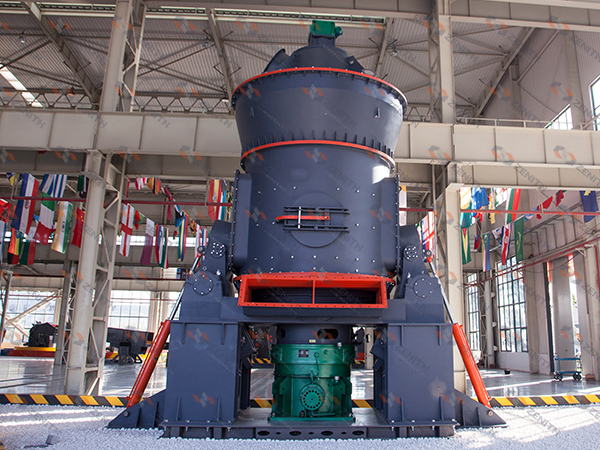
For porcelain manufacturers seeking ultra-fine feldspar powder (325–1250 mesh) for premium tableware and sanitaryware, the LUM Ultrafine Vertical Mill is the optimal choice. It integrates grinding, drying, classifying, and material conveying in one unit, occupying minimal floor space. Features include:
- Ultra-Fine Output: Achieves D97 = 5–30 microns, meeting the strictest particle size specifications for high-end porcelain.
- Intelligent Control: PLC-based system automatically adjusts grinding pressure and classifier speed to maintain consistent product fineness.
- Lower Operating Cost: Due to the vertical layout and grinding roller mechanism, energy consumption is 40% lower than ball mills of equivalent capacity.
- Easy Maintenance: Hydraulic jack-up device allows quick roller replacement without dismantling the mill body.
Technical Parameters (Model LUM1632):
Main Machine Power: 280–315 kW
Capacity: 2.0–13.5 t/h
Size Distribution D97: 5–30 μm (approx. 600–2500 mesh)
The LUM series is particularly suitable for Pakistani manufacturers who want to produce high-value feldspar powder for export or for supplying multinational porcelain brands operating in the region.
Conclusion
As Pakistan’s porcelain industry continues to expand, the need for efficient, reliable, and cost-effective feldspar grinding solutions becomes ever more critical. Shanghai Zenith Machinery Co., Ltd. offers a range of advanced grinding mills that can transform local raw minerals into premium-grade powder, enabling Pakistani manufacturers to reduce costs, improve product quality, and increase competitiveness. Whether for standard 200-mesh feldspar or ultra-fine grades, the MTW Trapezium Grinding Mill and LUM Ultrafine Vertical Mill represent the state of the art in industrial grinding technology. By investing in these machines, Pakistani porcelain producers can unlock the full potential of their domestic mineral resources and capture a larger share of the global ceramic market.
For detailed consultation, sample testing, and customized solutions, contact Shanghai Zenith Machinery’s representative office in Lahore or Islamabad. With a strong track record of over 200 installations in South Asia, Zenith is your trusted partner in powder processing excellence.
Key Equipment
Want This Solution for Your Project?
Contact us for a customized quotation and technical proposal.
Interested in This Solution?
Send us a message and our engineers will get back to you within 24 hours.