
Introduction to Talc in the Plastic Industry
Talc, a hydrated magnesium silicate mineral, is one of the most widely used functional fillers in the plastics industry. Its unique lamellar structure, high whiteness, chemical inertness, and thermal stability make it an ideal additive for improving mechanical properties, dimensional stability, and surface finish of plastic products. In the production of polypropylene (PP), polyethylene (PE), and engineering plastics, talc powder enhances rigidity, heat resistance, and reduces warpage. The demand for high-quality talc powder with controlled particle size distribution has been rising steadily, particularly in emerging economies like India where the plastics sector is expanding rapidly.
The Growing Plastics Market in India
India is one of the fastest-growing plastics markets in the world, driven by urbanization, infrastructure development, automotive manufacturing, and consumer goods. According to industry reports, the Indian plastics industry is projected to grow at a CAGR of over 10% in the next five years, with significant demand for plastic compounds, masterbatches, and recycled materials. Talc-filled polypropylene compounds are particularly popular in the automotive sector for interior and exterior parts, as well as in household appliances and packaging. To meet the stringent quality standards of these applications, Indian processors require talc powders with consistent fineness—typically 800 to 1250 mesh (10–20 μm)—low moisture content, and high purity.
The availability of high-grade talc reserves in states like Rajasthan and Madhya Pradesh provides a local advantage, but the efficiency of grinding technology directly impacts the cost and quality of the final product. Therefore, selecting the right grinding mill is critical for Indian talc processors to achieve competitive production rates while maintaining product specifications.
Key Requirements for Talc Grinding in Plastics
Talc is a soft mineral (Mohs hardness 1) but can be abrasive due to its layered structure. Effective grinding requires equipment that can handle moderate feed sizes (typically <20 mm from primary crushers) and produce ultrafine powders with narrow particle size distributions. The main technical parameters to consider include:
- Final fineness: For plastics filler applications, D97 of 5–30 μm (equivalent to 600–2500 mesh) is common. Finer powders provide better reinforcement but increase energy consumption.
- Capacity: Production rates from 500 kg/h to several tons per hour are needed depending on the scale of the operation.
- Moisture content: Talc may contain up to 5% inherent moisture; the mill should have drying capability to ensure final product moisture below 1%.
- Energy efficiency: Electricity costs in India are a major operational expense; high-efficiency mills reduce overall cost per ton.
- Maintenance and wear parts: Abrasion resistance is important to minimize downtime and replacement costs.
Shanghai Zenith Machinery: A Trusted Partner for Grinding Solutions
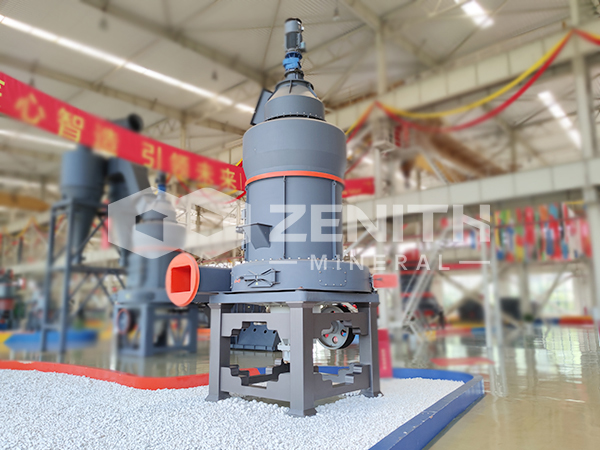
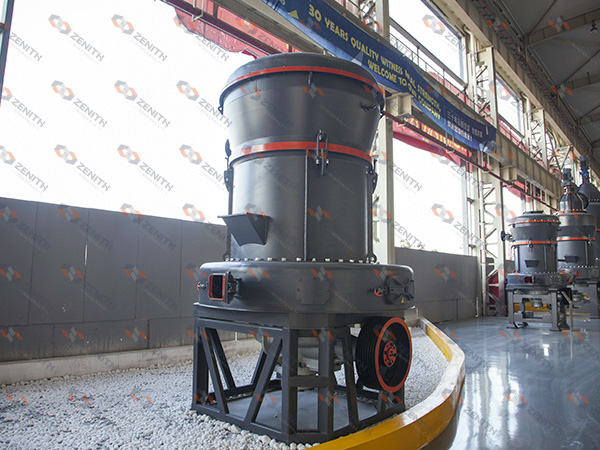
Shanghai Zenith Machinery Co., Ltd. is a premier manufacturer of ore grinding equipment in China, with decades of experience in the field of ultrafine powder grinding. The company specializes in the research, development, and production of industrial mills, offering a comprehensive product line that includes MTW Trapezium Grinding Mill, Ball Mill, MTM Medium-Speed Grinding Mill, Raymond Mill, LM Vertical Grinding Mill, LUM Ultrafine Vertical Mill, XZM Ultrafine Grinding Mill, and Hammer Mill. Zenith’s mills are known for their robust construction, high efficiency, and intelligent control systems, making them ideal for talc processing in India’s plastics industry.
Recommended Grinding Mills for Talc Processing
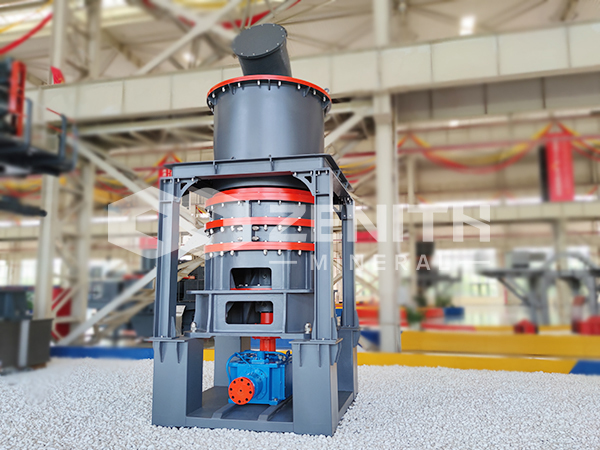
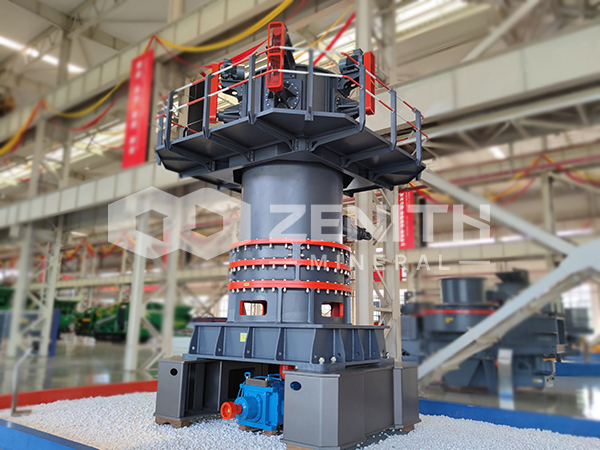
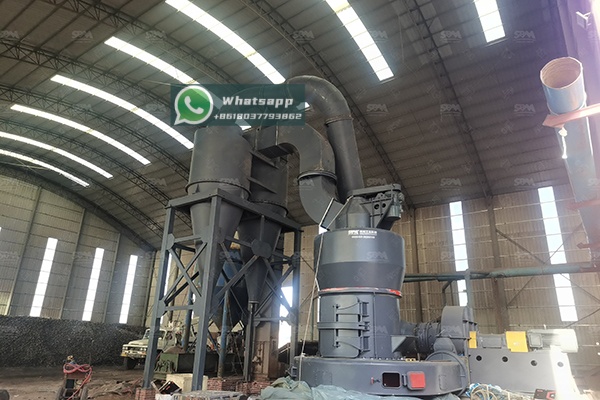
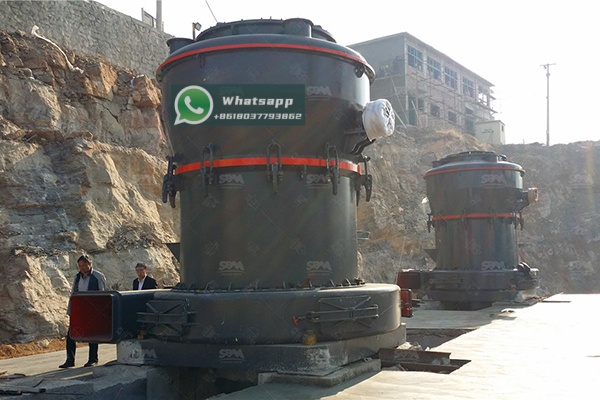
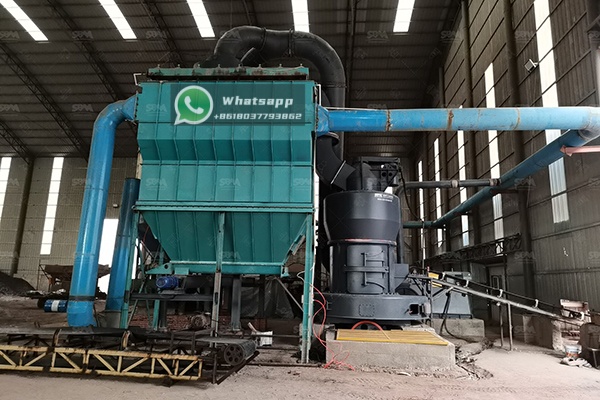
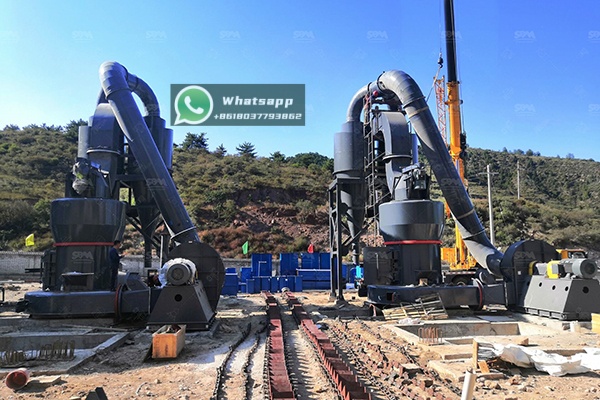
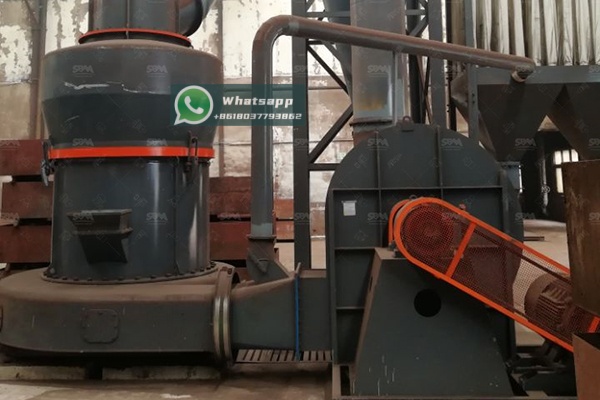
Based on the specific requirements of Indian plastics producers—fine powder, high capacity, and reliability—Zenith offers two outstanding solutions: the XZM Ultrafine Grinding Mill and the LUM Ultrafine Vertical Mill. Both are engineered for ultrafine grinding of soft to medium-hard materials like talc.
XZM Ultrafine Grinding Mill
The XZM series is a classic choice for superfine powder production, widely adopted in talc processing plants. Its key advantages include:
- Final fineness adjustable from 325 to 2500 mesh (D97 5–44 μm).
- Roller and ring design ensures uniform grinding with minimal vibration.
- Built-in classifier enables precise particle size control.
- Compact footprint and low noise operation.
Technical parameters (model XZM221):
- Working diameter: Φ800 mm
- Max feed size: ≤20 mm
- Final size: 325–2500 mesh
- Output: 500–4500 kg/h
- Main motor power: 75 kW
For larger production requirements, the XZM268 model delivers up to 25,000 kg/h with a 315 kW main motor. These mills are especially suitable for Indian plants aiming to produce high-value talc powder for masterbatch and engineering plastic applications.
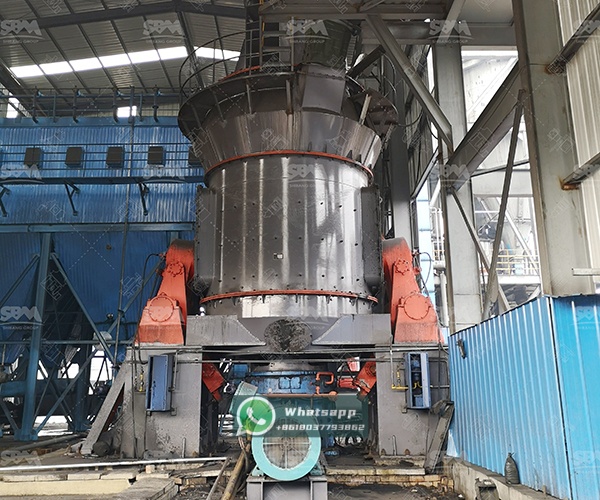
LUM Ultrafine Vertical Mill
The LUM series represents Zenith’s latest innovation in vertical roller mill technology, integrating grinding, drying, classifying, and conveying in one unit. It offers distinct benefits for talc grinding:
- Compact vertical design saves floor space by up to 50% compared to ball mills.
- Intelligent automatic control system ensures stable operation and consistent product quality.
- High grinding efficiency with lower specific energy consumption (typically 30% less than traditional mills).
- Product fineness D97: 5–30 μm (equivalent to 600–2500 mesh).
Technical parameters (model LUM1525):
- Main machine power: 220–250 kW
- Capacity: 1.6–11.5 t/h
- Size distribution D97: 5–30 μm
For larger outputs, models LUM1632 and LUM1836 provide capacities up to 15 t/h. The LUM mill’s ability to handle feed moisture up to 10% while drying simultaneously is a significant advantage for talc with variable moisture content.
Advantages of Choosing Zenith’s Mills for Indian Plastics Production
Investing in Zenith grinding equipment brings multiple benefits to Indian talc processors:
- Proven reliability: Thousands of units installed globally, with strong after-sales support in India through local service centers.
- Energy savings: Both XZM and LUM mills achieve specific energy consumption as low as 20–30 kWh per ton for talc grinding, reducing operating costs.
- Product consistency: Advanced classifiers ensure that 97% of the powder stays within the target size range, critical for plastic compounding.
- Ease of maintenance: Modular design allows quick replacement of wear parts, minimizing downtime.
- Customization: Zenith can tailor the mill configuration to match specific raw material properties and production targets.
Conclusion
The Indian plastics industry’s growing demand for high-quality talc filler presents a significant opportunity for local processors. By adopting advanced grinding technology from Shanghai Zenith Machinery, companies can achieve the ultrafine particle sizes, high capacity, and cost efficiency required to compete in the global market. The XZM Ultrafine Grinding Mill and LUM Ultrafine Vertical Mill offer proven solutions that combine reliability, energy efficiency, and precision. For talc grinding applications in India’s plastics production, Zenith’s equipment stands out as the optimal choice to drive productivity and profitability.
For more information or to request a customized quotation, contact Shanghai Zenith Machinery Co., Ltd. today and take the first step toward superior talc powder processing.
Key Equipment
Want This Solution for Your Project?
Contact us for a customized quotation and technical proposal.
Interested in This Solution?
Send us a message and our engineers will get back to you within 24 hours.