1. Introduction: Meeting Indonesia’s Granite Milling Demand
Indonesia is one of the fastest-growing construction markets in Southeast Asia. From new highways, ports, airports, and high-rise residential towers to industrial parks and public infrastructure, the demand for high-quality building materials is expanding at an unprecedented rate. Granite, with its exceptional hardness, durability, and aesthetic appeal, is widely used in building projects. However, before granite can be used as a filler, additive, aggregate, or raw material for artificial stone and cement, it must be ground into precise particle sizes. This is where an efficient granite milling line becomes essential. In the Indonesian archipelago, local granite quarries supply raw stone, but the country still needs advanced processing technology to convert run-of-mine stone into high-value powders. A well-designed milling line can turn this hard rock into a profitable product while meeting both local and export standards.
2. Challenges in Granite Milling
Granite is a hard, abrasive igneous rock with a Mohs hardness of 6 to 7. Its high silica content makes it difficult to process and causes significant wear on grinding media and mill components. Additionally, construction projects require a consistent powder fineness, often between 0.045 mm and 0.18 mm, depending on the application. Some ultra-fine filler products demand even finer particles, below 5 microns. Moisture content, feed size, and capacity also vary among project sites. A milling line must therefore be robust, energy-efficient, and flexible enough to handle changing requirements. For example, granite contains high levels of quartz and feldspar, which quickly dull conventional tools. Mill wear parts must therefore be manufactured from high-chrome or alloy steel. Furthermore, the heat generated during grinding must be managed to prevent moisture-related clogging.
3. Typical Granite Milling Process
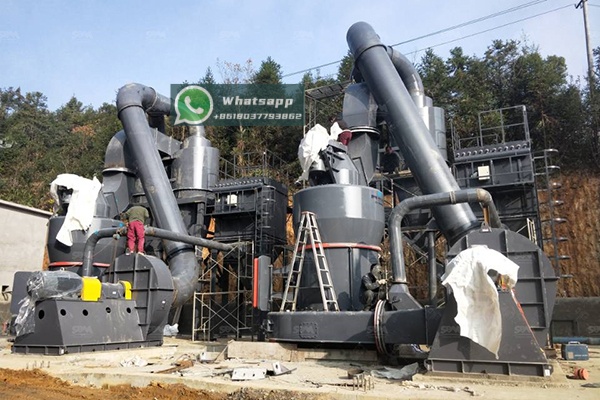
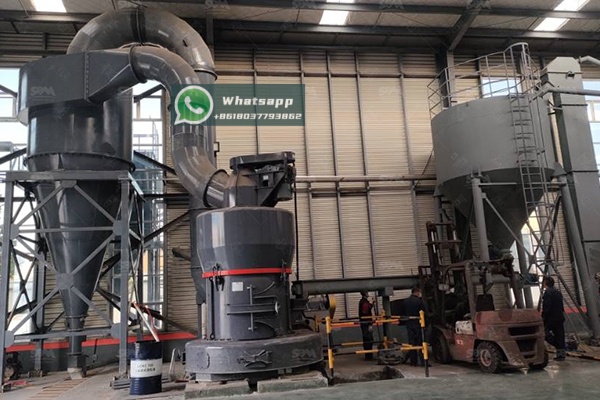
The production line starts with primary crushing, usually a jaw crusher, followed by a secondary cone crusher to reduce granite into smaller particles below 50 mm. The crushed granite is then conveyed into a grinding mill, where rotating grinding rollers and rings pulverize the material. Fine powder is carried by airflow to a classifier, while oversized particles return for further grinding. The final product is collected by a bag filter or cyclone and then stored or packed. To ensure smooth operation, a complete line also includes feeders, belt conveyors, dust collectors, electrical control systems, and powder packing units. The entire line is controlled from a central panel, allowing operators to adjust the mill speed, separator speed, and air flow in real time. This ensures that the final powder meets the tight tolerances required by Indonesian building specifications.
4. Choosing the Right Grinding Equipment
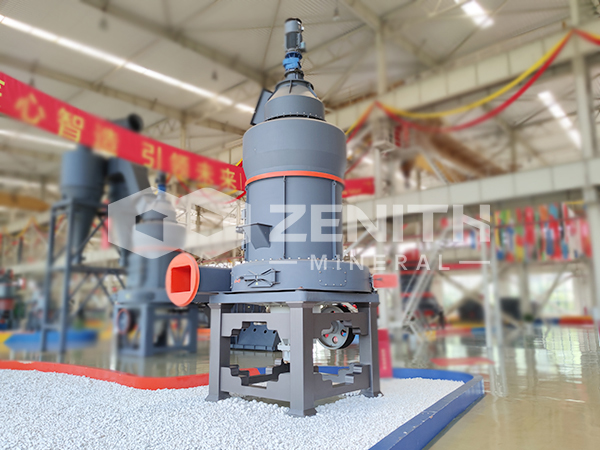
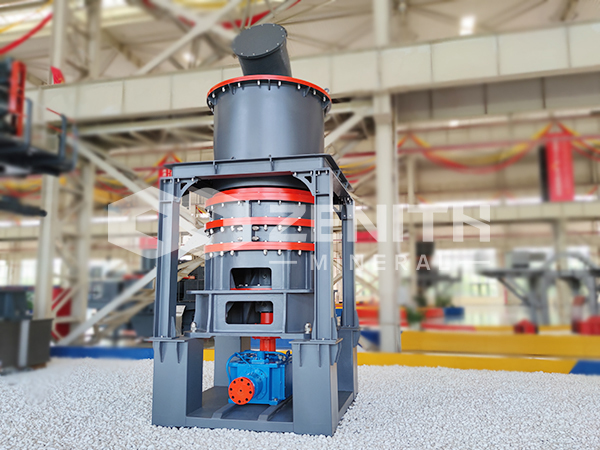
Selecting the correct mill for granite depends on several factors: required output fineness, processing capacity, energy consumption, and site conditions. For Indonesia building projects, where space may be limited and operation efficiency directly affects profitability, a compact yet high-capacity mill is ideal. Two types of grinding mills are especially suitable for granite powder production: the MTW Trapezium Grinding Mill and the LM Vertical Grinding Mill. Both are manufactured by Shanghai Zenith Machinery Co., Ltd., an excellent manufacturer of ore grinding equipment in China with extensive experience in ultra-fine powder grinding. In many cases, a complete line includes a pre-crusher, bucket elevator, silo, and vibrating feeder to provide an even material flow. This upstream stability is vital for achieving the mill’s rated capacity.
5. MTW Trapezium Grinding Mill: Proven Performance
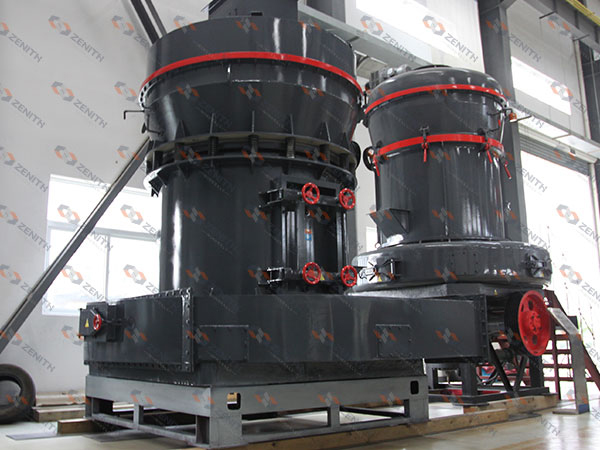
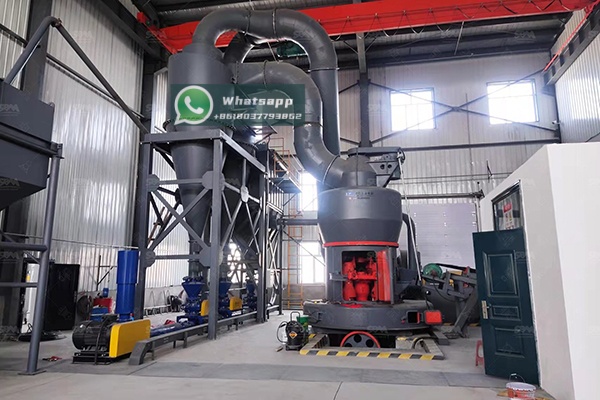
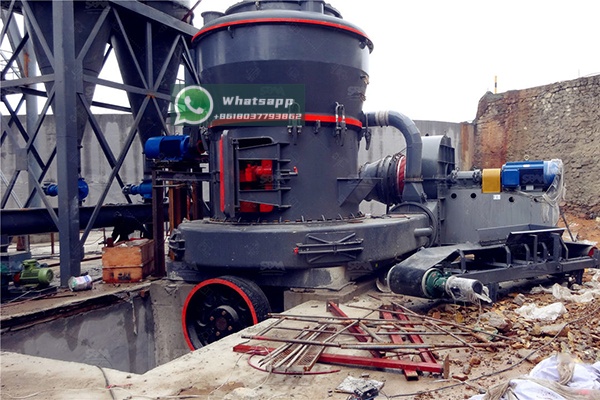
The MTW Trapezium Grinding Mill is one of Zenith’s flagship products. Featuring multiple patents, a compact structure, long service life, and environmentally friendly design, the MTW mill is an ideal solution for granite milling in Indonesia. It accepts feed material up to 50 mm and can produce a final powder as fine as 0.038 mm. For medium to large building projects, the MTW175G model is highly recommended: maximum feed size below 40 mm, final product size adjustable from 1.6 to 0.045 mm, capacity from 9.5 to 25 t/h, main motor 160 kW, and fan motor 200 kW. This combination offers high production efficiency, low energy consumption, and easy operation. The trapezium-shaped grinding roller and ring reduce vibration and ensure a large contact area, which improves grinding efficiency and prolongs equipment life. An internal lifting device and lubrication system make maintenance convenient for operators in remote project sites.
| Model | Max Feed Size (mm) | Final Size (mm) | Capacity (t/h) | Main Motor (kW) |
|---|---|---|---|---|
| MTW138Z | <35 | 1.6-0.045 | 6-17 | 90 |
| MTW175G | <40 | 1.6-0.045 | 9.5-25 | 160 |
| MTW215G | <50 | 1.6-0.045 | 15-45 | 280 |
6. LM Vertical Grinding Mill: Integrated Efficiency
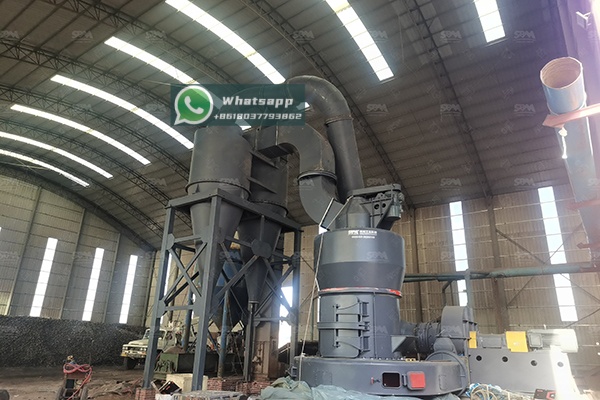
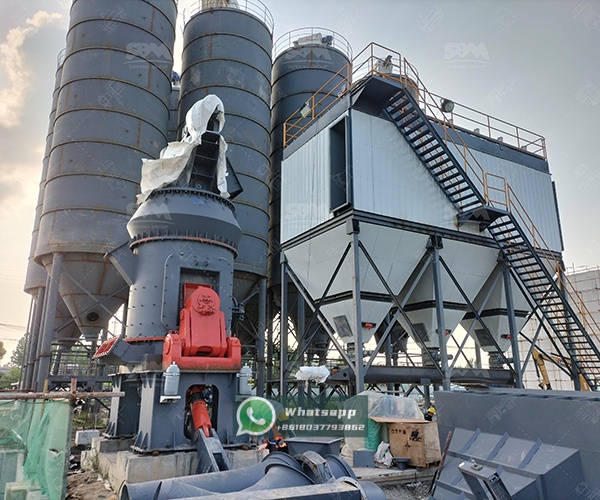
For project developers who prefer a single machine that can perform multiple functions, the LM Vertical Grinding Mill is an excellent choice. It integrates crushing, grinding, powder selection, drying, and material conveying into one compact system. This dramatically reduces the occupational area compared to conventional milling circuits. In granite powder production, the LM vertical mineral mill series is exceptionally effective. For example, the LM130K can produce 10 to 28 tons per hour with a fineness range of 170 to 40 microns, using a 200 kW main motor and accepting feed with maximum size below 38 mm. The larger LM190K increases capacity to 23-68 t/h with up to 500 kW main motor. These machines are designed for high throughput and stable operation under severe conditions. The vertical mill also features a centralized grinding table and pneumatic conveying system, which lowers the risk of overheating and over-grinding. This makes it a particularly attractive option for continuous three-shift operations in large infrastructure projects.
| Model | Max Feed Size (mm) | Fineness (μm) | Capacity (t/h) | Main Motor (kW) |
|---|---|---|---|---|
| LM130K | <38 | 170-40 | 10-28 | 200 |
| LM190K | <45 | 170-40 | 23-68 | 500 |
7. Granite Powder Applications in Building Projects
Ground granite powder is used as a filler in asphalt mixtures, a partial replacement for cement, an ingredient in artificial stone, a raw material for ceramic tiles, and an additive in polymer composites. In Indonesia, decorative stone panels, paving blocks, and roof tiles also require uniform fine powders. The ability to control fineness directly influences surface finish and durability. A proper milling line therefore enables a building material producer to diversify products and capture greater market value. Additionally, the increasing use of granite powder in self-compacting concrete and high-performance mortar is opening new opportunities for Indonesian manufacturers. A versatile milling line allows them to quickly adjust fineness without losing production time.
8. Advantages for Indonesia Building Projects
By using Zenith’s granite milling equipment, Indonesian building projects can achieve several important benefits. First, consistent powder quality improves the strength and workability of concrete and mortar. Second, high thermal efficiency and intelligent control reduce operating costs. Third, robust construction extends equipment life, reducing downtime and maintenance expenses. Fourth, compact layouts simplify installation and require less civil engineering work, which is critical on congested urban sites. Finally, Zenith offers complete grinding solutions including mills, classifiers, dust collectors, and control systems, ensuring a turnkey line tailored to each project’s needs. The availability of original spare parts and after-sales support from Zenith’s local distributors further minimizes operational risk. This support network is a key reason why many Indonesian companies choose Zenith as their grinding equipment partner.
9. Conclusion and Recommendation
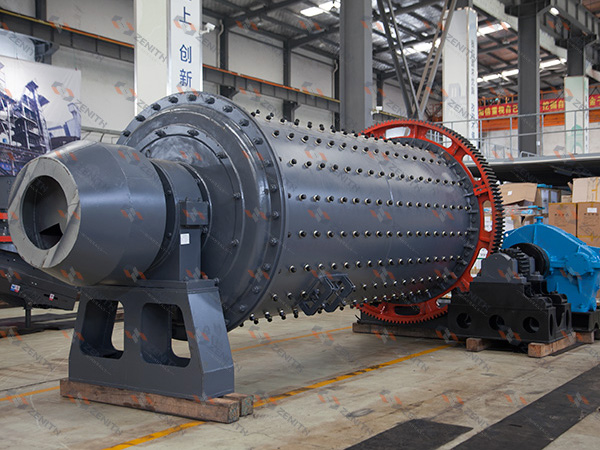
As Indonesia continues to modernize its infrastructure, the demand for processed granite will remain strong. Investing in a reliable granite milling line is not only about capacity; it is about total cost of ownership, product quality, and project efficiency. Shanghai Zenith Machinery Co., Ltd. offers a full range of industrial powder grinding equipment, including MTW Trapezium Grinding Mill, MTM Medium-Speed Grinding Mill, LM Vertical Grinding Mill, LUM Ultrafine Vertical Mill, XZM Ultrafine Grinding Mill, Raymond Mill, Ball Mill, and Hammer Mill. For most granite building material projects, the MTW Trapezium Grinding Mill and LM Vertical Grinding Mill provide the best balance of performance, reliability, and value. Contact Zenith today to design a granite milling line that meets your Indonesia project’s specific requirements. Whether the project is a small-scale tile factory or a multi-million-ton cement plant, Zenith has a milling solution that fits. By combining a strong product portfolio with responsive engineering support, we help clients turn local granite into dependable global-quality raw material.
Key Equipment
Want This Solution for Your Project?
Contact us for a customized quotation and technical proposal.
Interested in This Solution?
Send us a message and our engineers will get back to you within 24 hours.