
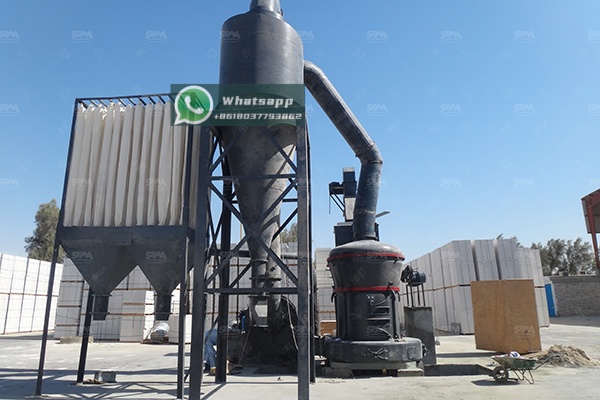
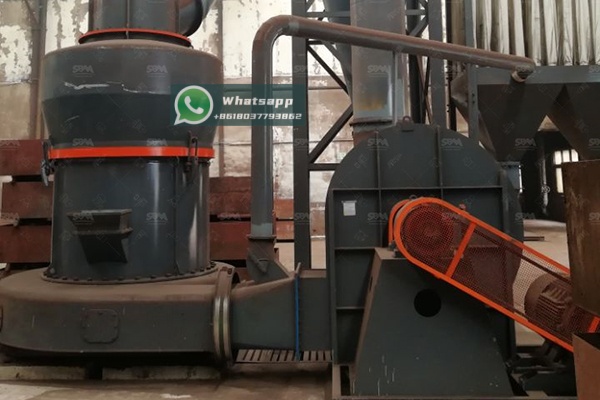
Dolomite and the Growing Demand for 300 Mesh Powder in the United States
Dolomite is a naturally occurring calcium magnesium carbonate mineral with the chemical formula CaMg(CO3)2. It is widely distributed across the United States, with significant deposits in Ohio, Indiana, Illinois, Michigan, Wisconsin, Missouri, and other states. Because of its unique chemistry, dolomite is valued in agriculture, construction, glass manufacturing, ceramics, paints, plastics, rubber, and environmental applications. As U.S. industries continue to demand consistent, high-quality mineral fillers and additives, the production of 300 mesh dolomite powder has become an important processing target for many producers.
In practical powder terminology, 300 mesh dolomite powder refers to a fine powder that passes through a 300-mesh screen. Depending on the standard used, this corresponds to an average particle size of approximately 45 to 53 microns. The exact particle size distribution, brightness, moisture content, and chemical purity can vary by deposit and application. For many buyers in the United States, 300 mesh is a versatile specification: fine enough for good dispersion and reactivity, yet economical enough for large-volume industrial use.
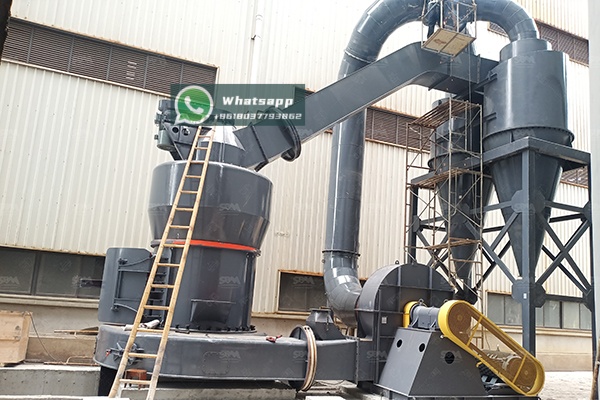
Why 300 Mesh Dolomite Powder Is Important to U.S. Industries
The United States has a mature industrial minerals market. Dolomite powder is used as a filler, extender, soil conditioner, flux, and functional additive. At 300 mesh, the powder offers a balanced combination of fineness, flowability, and cost. It can be used in dry and wet processing systems and can be blended with other minerals such as calcium carbonate, talc, and silica.
Main Application Areas
- Construction and building materials: 300 mesh dolomite is used in joint compounds, stucco, roofing products, asphalt shingles, and specialty cements. It can improve whiteness, strength, and dimensional stability.
- Agriculture: Dolomite powder is applied to acidic soils to adjust pH and supply magnesium and calcium. A 300 mesh product dissolves and reacts at a practical rate for many agricultural programs.
- Glass and ceramics: Dolomite acts as a flux and source of calcium and magnesium. Controlled particle size helps achieve consistent melting behavior and finished product quality.
- Paints, coatings, and plastics: As a filler and extender, 300 mesh dolomite can improve opacity, rheology, and cost efficiency in paints, coatings, plastics, and rubber compounds.
- Environmental applications: Dolomite is used in flue gas desulfurization, mine water treatment, and other acid neutralization processes. Finer powder increases surface area and reaction speed.
Because each application has different requirements, U.S. producers need grinding systems that can deliver stable 300 mesh output with minimal downtime, low energy consumption, and reliable dust control.
Technical Requirements for Milling Dolomite to 300 Mesh
Dolomite has a Mohs hardness of about 3.5 to 4, so it is softer than quartz and many other industrial minerals. However, it is still abrasive enough that wear protection matters. To produce 300 mesh powder efficiently, a mill must combine proper crushing, grinding, classification, and collection. Key technical considerations include feed size, moisture content, target capacity, product fineness, particle size distribution, energy consumption, and environmental compliance.
In the United States, producers also face strict workplace safety and environmental regulations. Dust emissions must be controlled, and equipment must be designed for easy maintenance and clean operation. Automation is increasingly important because it helps stabilize product quality, reduce labor costs, and optimize energy use. For these reasons, many U.S. dolomite processors prefer modern grinding mills with advanced classifiers and reliable dust collection systems.
Recommended Zenith Dolomite Grinding Mills for 300 Mesh Powder
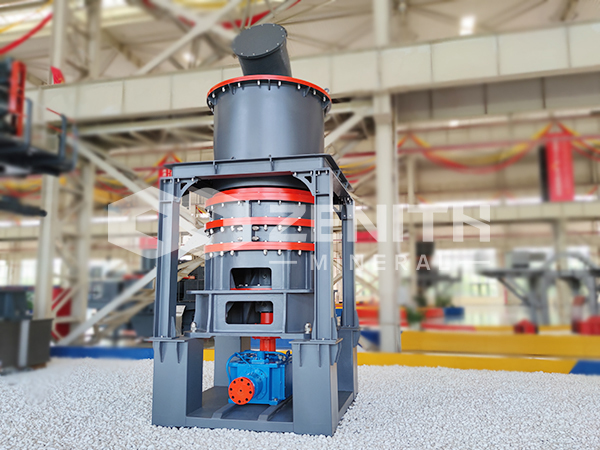
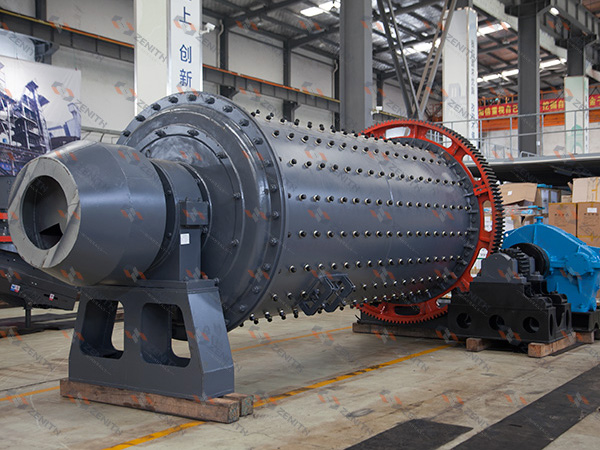
Shanghai Zenith Machinery Co., Ltd. is an excellent manufacturer of ore grinding equipment in China and has made great achievements in the field of ultra-fine powder grinding. The company specializes in the research, development, and production of industrial powder grinding equipment and related devices. Its main products include the MTW Trapezium Grinding Mill, Ball Mill, MTM Medium-Speed Grinding Mill, Raymond Mill, LM Vertical Grinding Mill, LUM Ultrafine Vertical Mill, XZM Ultrafine Grinding Mill, and Hammer Mill.
For U.S. dolomite producers targeting 300 mesh powder, Zenith recommends two especially suitable solutions: the MTW Trapezium Grinding Mill and the MTM Medium-Speed Grinding Mill. Both can be configured for fine dolomite grinding and can support different production scales.
1. MTW Trapezium Grinding Mill
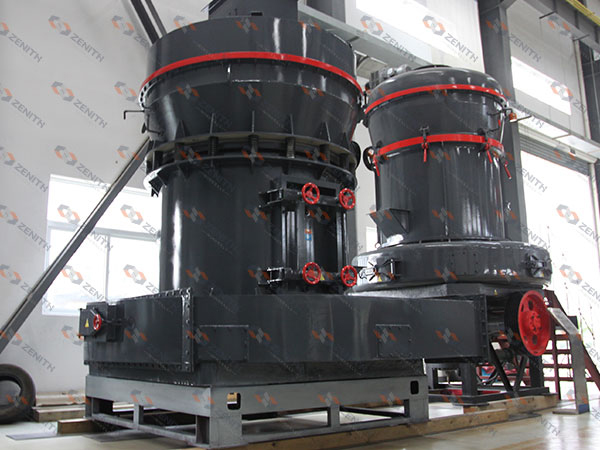
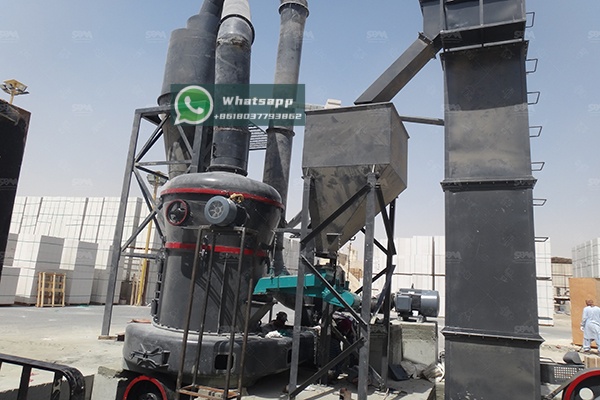
The MTW Trapezium Grinding Mill is a grinding mill with multiple patents, known for its compact structure, long service life, and eco-friendly design. It is suitable for processing materials with a maximum input size of 50 mm and can produce a final product as fine as 0.038 mm in optimized configurations. In standard specifications, the final size range is 1.6 to 0.045 mm, which includes the 300 mesh target of approximately 45 to 53 microns.
For a U.S. dolomite operation, the MTW mill offers several advantages. Its integrated classifier helps maintain a narrow particle size distribution. The mill is designed for stable operation and low maintenance, and its enclosed system supports dust control. Depending on capacity requirements, producers can select from several models. The MTW138Z is suitable for medium-scale production, while the MTW175G and MTW215G are strong choices for larger U.S. projects.
| Model | Max. Feed Size (mm) | Final Size (mm) | Capacity (t/h) | Main Motor (kW) | Fan Motor (kW) |
|---|---|---|---|---|---|
| MTW110 | <30 | 1.6-0.045 | 3-9 | 55 | 55 |
| MTW110Z | <30 | 1.6-0.045 | 3-10 | 55 | 55 |
| MTW138Z | <35 | 1.6-0.045 | 6-17 | 90 | 110 |
| MTW175G | <40 | 1.6-0.045 | 9.5-25 | 160 | 200 |
| MTW215G | <50 | 1.6-0.045 | 15-45 | 280 | 315 |
With capacities from 3 t/h to 45 t/h, the MTW series can match small, medium, and large dolomite powder plants. This makes it a flexible recommendation for U.S. producers who may need to expand production over time.
2. MTM Medium-Speed Grinding Mill
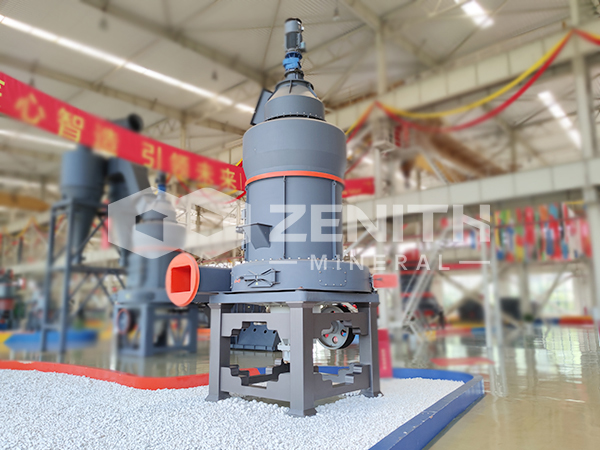
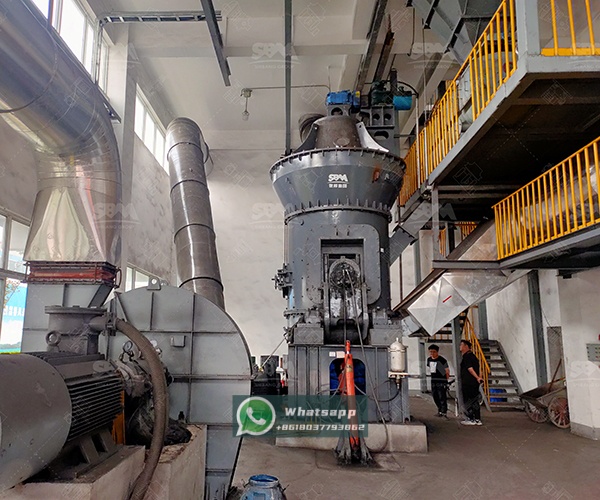
The MTM Medium-Speed Grinding Mill adopts world-leading powder processing technology and is an ideal substitute for traditional mills such as the Raymond Mill. It features an upgraded structure, higher efficiency, and energy-saving production. For dolomite processors who require a proven medium-speed mill for 300 mesh powder, the MTM series is an excellent alternative.
The MTM mill is available in three main models: MTM100, MTM130, and MTM160. Their capacities range from 3 t/h to 22 t/h, with main unit motor power from 37 kW to 132 kW. The MTM160 is particularly suitable for medium to large U.S. dolomite projects that need higher output and consistent fineness. With proper adjustment of the classifier, the MTM mill can produce fine dolomite powder for agricultural, construction, and industrial filler applications.
| Name | Ring Roll Number (pcs) | Max. Feed Size (mm) | Output (t/h) | Main Unit Motor Power (kW) |
|---|---|---|---|---|
| MTM100 | 4 | <25 | 3-8 | 37 |
| MTM130 | 5 | <30 | 6-11 | 75 |
| MTM160 | 6 | <35 | 9-22 | 132 |
Both the MTW and MTM mills can be integrated with feeding, classification, dust collection, and packaging systems. Zenith can also provide technical support for layout design, equipment selection, installation, and maintenance, which is valuable for U.S. customers who need dependable long-term operation.
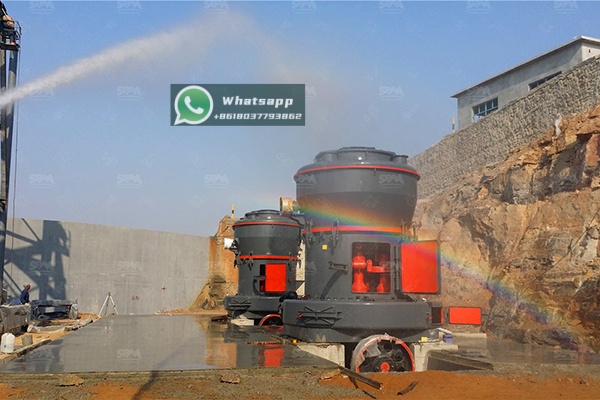
How to Select the Right Mill for U.S. Dolomite Operations
Selecting a dolomite mill for 300 mesh powder requires more than comparing capacity tables. Producers should consider the actual feed size from the quarry or mine, the moisture content of the raw material, the desired product particle size distribution, the required output per hour, and the available floor space. Energy costs, maintenance intervals, wear part life, and dust control are also important. In the United States, local service support and spare parts availability can significantly affect total operating cost.
For small to medium operations, the MTM Medium-Speed Grinding Mill may offer an efficient balance of investment and output. For higher capacity or more demanding product quality, the MTW Trapezium Grinding Mill is often the preferred choice. If a project requires ultrafine powder below 300 mesh, Zenith also offers the XZM Ultrafine Grinding Mill, LUM Ultrafine Vertical Mill, and LM Vertical Grinding Mill, but for a straightforward 300 mesh dolomite product, the MTW and MTM series are highly practical.
Conclusion
The United States has strong and steady demand for 300 mesh dolomite powder across agriculture, construction, glass, ceramics, paints, plastics, and environmental industries. Producing this powder efficiently requires a reliable grinding mill with accurate classification, low energy consumption, and effective dust control. Shanghai Zenith Machinery Co., Ltd. provides proven solutions for dolomite processing, especially the MTW Trapezium Grinding Mill and the MTM Medium-Speed Grinding Mill. With capacities from 3 t/h to 45 t/h and final fineness suitable for 300 mesh production, these mills can help U.S. dolomite producers improve product consistency, reduce operating costs, and meet growing market demand.
Key Equipment
Want This Solution for Your Project?
Contact us for a customized quotation and technical proposal.
Interested in This Solution?
Send us a message and our engineers will get back to you within 24 hours.