
Introduction: The Critical Role of Phosphate in Bangladesh Agriculture
Bangladesh, a nation with a rapidly growing population and limited arable land, faces immense pressure to boost agricultural productivity. Phosphorus (P) is an essential macronutrient for crop growth, playing a vital role in energy transfer, photosynthesis, and root development. The country’s soils are often deficient in available phosphorus, making phosphate fertilizers indispensable for achieving high yields of rice, wheat, maize, and vegetables. However, the effectiveness of phosphate fertilizers depends heavily on the particle size and fineness of the ground phosphate rock. To unlock the full nutrient potential, efficient grinding technology is required to produce fine, uniform phosphate powder that can be easily assimilated by crops. This is where advanced phosphate grinding mills come into play.
Why Bangladesh Needs High-Quality Phosphate Grinding Solutions
Bangladesh imports significant quantities of phosphate rock, primarily from North Africa and the Middle East. The raw rock must be processed into a fine powder (typically 80-100% passing 100 mesh or finer) before it can be used in fertilizer manufacturing or direct soil application. Traditional grinding methods often lead to high energy consumption, inconsistent particle size distribution, and excessive wear. Moreover, the humid climate of Bangladesh demands equipment that is durable and resistant to moisture. An efficient grinding mill not only reduces operational costs but also ensures that the final product meets the stringent specifications required for optimal crop uptake. With the government’s push for food security and self-sufficiency, investing in modern grinding technology is a strategic move for local fertilizer producers and agricultural cooperatives.
Shanghai Zenith Machinery: A Trusted Partner in Powder Processing
Shanghai Zenith Machinery Co., Ltd. has established itself as an excellent manufacturer of ore grinding equipment in China, with remarkable achievements in ultra-fine powder grinding. Specializing in the research, development, and production of industrial powder grinding equipment, Zenith offers a comprehensive range of mills designed to handle various materials, including phosphate rock. Their machines are known for high efficiency, low energy consumption, and robust construction – ideal for the demanding conditions in Bangladesh. Among their flagship products, the MTW Trapezium Grinding Mill and the LM Vertical Grinding Mill stand out as prime choices for phosphate grinding.
Product Recommendation: MTW Trapezium Grinding Mill – The Workhorse for Phosphate
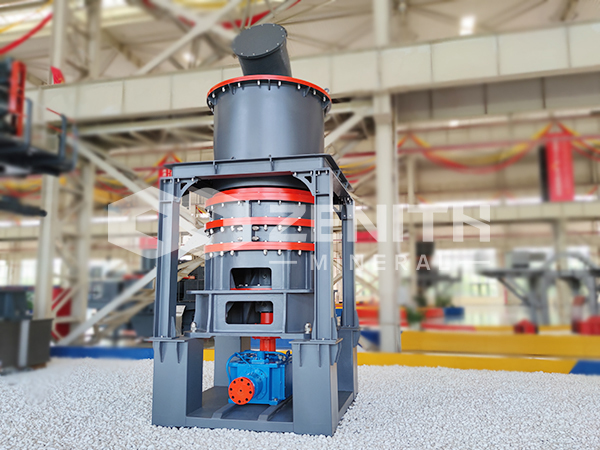
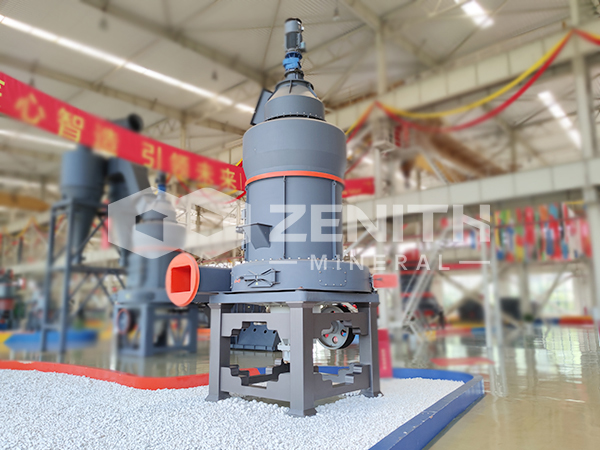
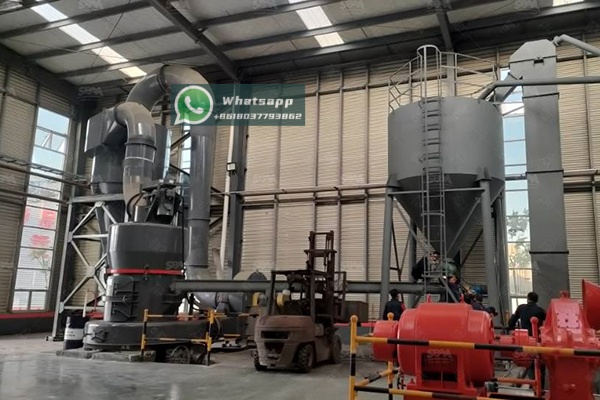
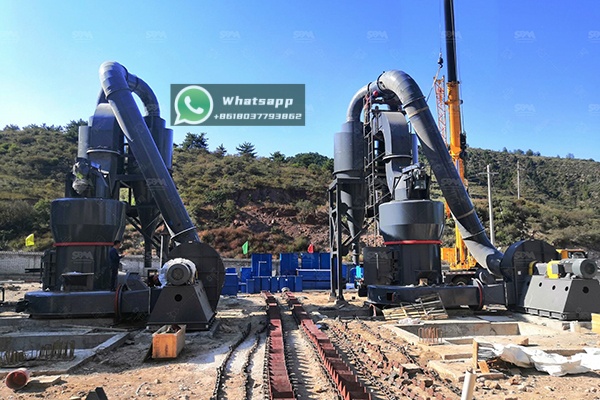
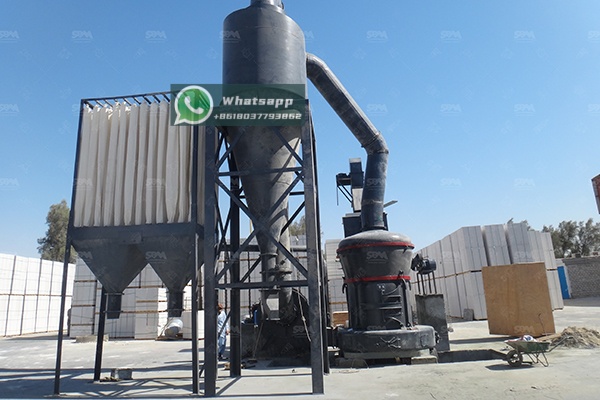
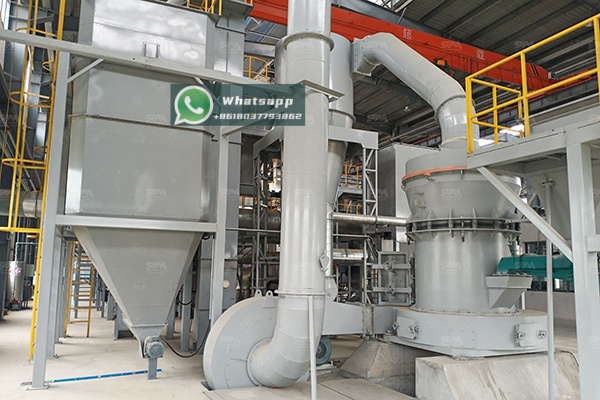
The MTW Trapezium Grinding Mill is a patented, eco-friendly solution that combines compact structure, long service life, and high capacity. It can process materials with a maximum input size of up to 50mm and produce a final product as fine as 0.038mm (400 mesh). For typical phosphate rock grinding (e.g., P2O5 content 25-30%), the MTW series delivers stable performance and energy savings of up to 30% compared to traditional ball mills. The trapezoidal grinding ring and roller design improve grinding efficiency and reduce vibration. Key parameters for phosphate applications include:
- Model MTW175G: Max feed size 40mm, final size 1.6-0.045mm, capacity 9.5-25 t/h, main motor 160kW. Ideal for medium-scale fertilizer plants.
- Model MTW215G: Max feed size 50mm, final size 1.6-0.045mm, capacity 15-45 t/h, main motor 280kW. Suitable for large-scale operations.
The MTW mill’s internal classifier ensures precise particle size control, producing a uniform product that maximizes nutrient availability. Its sealed gearbox and advanced dust collection system also meet the environmental standards increasingly enforced in Bangladesh.
Product Recommendation: LM Vertical Grinding Mill – Integrated Efficiency for Large Projects
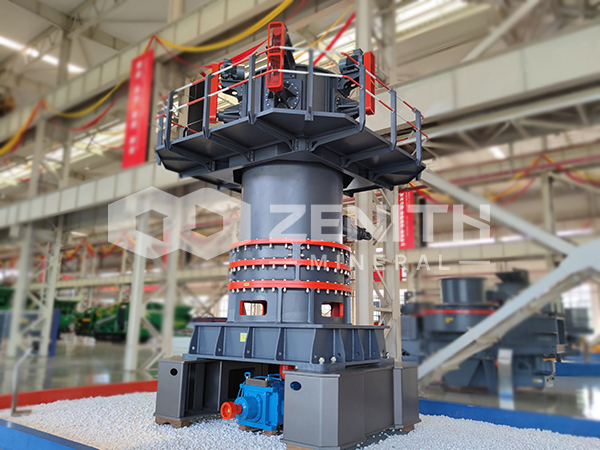
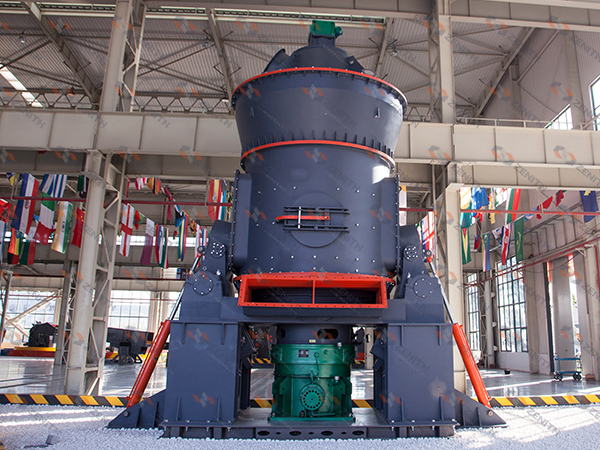
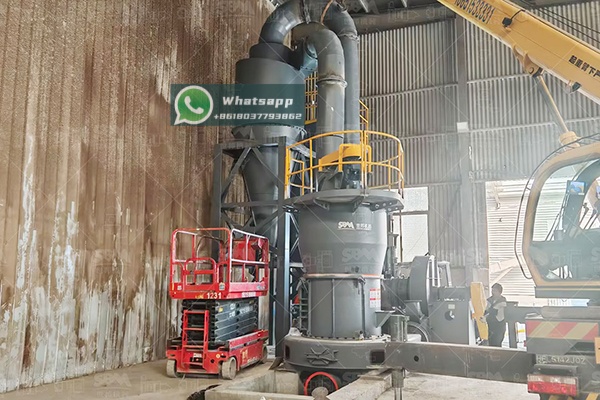
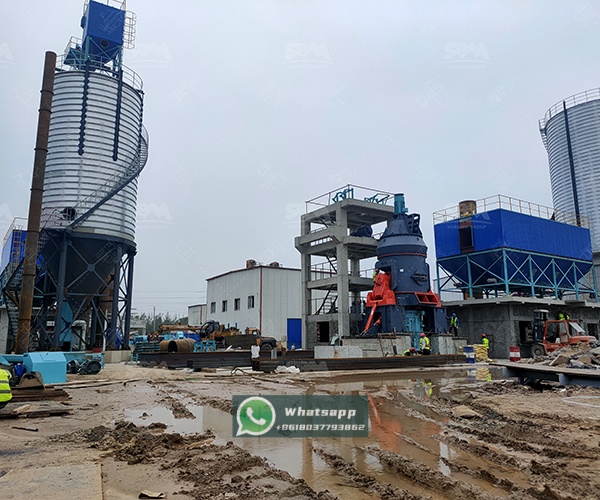
For higher capacity requirements and integrated processes, the LM Vertical Grinding Mill is an excellent alternative. It combines crushing, grinding, drying, classifying, and material conveying in a single unit – significantly reducing the plant footprint. The LM series is particularly advantageous when processing moist phosphate rock, as it can handle feed materials with up to 15% moisture content (using hot air drying). The vertical roller mill design minimizes metal-to-metal contact, leading to lower wear costs. For phosphate grinding, the LM130K or LM190K models are recommended:
- LM130K: Plate diameter 1300mm, capacity 10-28 t/h, output fineness 170-40μm, main motor 200kW. Suitable for small to medium production lines.
- LM190K: Plate diameter 1900mm, capacity 23-68 t/h, output fineness 170-40μm, main motor 500kW. Perfect for large fertilizer complexes.
The LM mill’s hydraulic system allows easy adjustment of grinding pressure, ensuring consistent product quality even with varying rock hardness.
Technical Considerations for Phosphate Grinding in Bangladesh
When selecting a grinding mill for phosphate, several factors must be evaluated:
- Moisture Content: Bangladesh’s high humidity often increases the moisture in stored phosphate rock. Both MTW and LM mills can be equipped with drying systems (hot air generator) to prevent material clogging.
- Abrasiveness: Phosphate rock is moderately abrasive. The wear parts of Zenith mills are made of high-chrome alloy, extending service life. For MTW mills, the grinding roller and ring can be easily replaced without dismantling the main machine.
- Power Supply Stability: Rural areas in Bangladesh may face voltage fluctuations. Zenith mills are designed with heavy-duty motors and VFD control options to handle such conditions.
- Maintenance and Spare Parts: Zenith has a global service network; spare parts for MTW and LM mills are readily available through regional distributors in South Asia.
Case Study: Improving Crop Yields with Finer Phosphate Powder
A study by the Bangladesh Agricultural Research Institute (BARI) indicated that using phosphate powder with a fineness of 90% passing 100 mesh increased rice yield by 15% compared to coarser material (80% passing 60 mesh). The enhanced surface area allows faster dissolution in soil moisture. With Zenith’s MTW mill, fertilizer producers can consistently achieve 95% passing 100 mesh or finer, directly contributing to higher nutrient efficiency and reduced fertilizer application rates. This not only lowers costs for farmers but also minimizes environmental runoff – a growing concern in the Ganges-Brahmaputra delta.
Conclusion: Empowering Bangladesh’s Food Security
As Bangladesh strives to become a middle-income nation, its agricultural sector must adopt modern technologies to sustain growth. Investing in high-performance phosphate grinding mills from Shanghai Zenith Machinery is a proven way to enhance fertilizer quality, reduce production costs, and ultimately boost crop yields. Whether choosing the versatile MTW Trapezium Grinding Mill or the integrated LM Vertical Grinding Mill, operators in Bangladesh can rely on Zenith’s decades of experience and commitment to excellence. By ensuring a steady supply of finely ground phosphate, these machines play a pivotal role in nourishing the nation’s crops and securing its food future.
For more detailed technical specifications and a customized quotation for your Bangladesh phosphate grinding project, please contact Shanghai Zenith Machinery Co., Ltd. – your partner in powder processing innovation.
Key Equipment
Want This Solution for Your Project?
Contact us for a customized quotation and technical proposal.
Interested in This Solution?
Send us a message and our engineers will get back to you within 24 hours.