Zeolite Grinding Mill for Vietnam Agriculture Soil
Vietnam is one of Southeast Asia’s most dynamic agricultural producers, supplying rice, coffee, pepper, fruit, cashew, and aquaculture products to global markets. However, many farming regions in the Mekong Delta, Central Highlands, and Red River Delta are facing serious soil problems. Intensive cultivation, unbalanced fertilizer use, and tropical rainfall have caused soil acidification, compaction, nutrient depletion, and low organic matter. To maintain sustainable productivity, Vietnamese farmers and agricultural input companies are increasingly adopting natural soil amendments such as zeolite.
Zeolite is a crystalline aluminosilicate mineral formed from volcanic ash and water. It has a three-dimensional porous structure and a strong negative charge, which make it an ideal soil conditioner. When applied to agricultural land, zeolite improves the soil’s cation exchange capacity, retains water and nutrients, reduces nitrate leaching, and promotes the slow release of ammonium and potassium. In Vietnam, zeolite is particularly valuable for sandy soils, lateritic soils, and degraded acidic soils that dominate many rural provinces.
However, the performance of zeolite is directly linked to its particle size. Coarse zeolite granules are useful for slow-release applications, while fine zeolite powder is required for uniform incorporation into the soil or for manufacturing high-quality fertilizer blends. Agricultural-grade zeolite often needs a fineness of 0.045 mm to 0.075 mm, which corresponds to approximately 200 to 325 mesh. Premium products may demand ultra-fine powder below 30 micrometers. This is why an efficient and precise grinding mill is the central piece of equipment in any zeolite processing plant.
The Role of Zeolite in Improving Soil Health
Zeolite acts as a microscopic reservoir. Its channels and cavities trap water and dissolved nutrients, then release them gradually as plants need them. This property reduces fertilizer losses and allows farmers to use less nitrogen while maintaining crop yields. Zeolite also helps buffer soil pH and improves root development by increasing soil porosity. For Vietnam’s rice paddies, a lighter soil structure can reduce waterlogging stress; for coffee and pepper farms in the highlands, better moisture retention means stronger resilience during the dry season.
Research has shown that zeolite-amended soils exhibit higher levels of plant-available potassium and ammonium, lower aluminum toxicity, and increased microbial activity. These benefits translate into healthier plants, higher yields, and lower input costs. With the Vietnamese government promoting sustainable agriculture and greener supply chains, zeolite-based soil conditioners are expected to see strong market growth in the coming years. This creates a clear opportunity for local processors to grind zeolite into consistent, high-quality powder.
Why Grinding Zeolite Matters
Raw zeolite extracted from quarries normally has a particle size of 30 to 50 mm or even larger. This material cannot be used directly as a soil amendment because it is too coarse to mix uniformly with the topsoil. Grinding reduces zeolite into a fine powder with a large specific surface area, allowing it to interact quickly with soil particles and plant roots. The grinding process also breaks down impurity aggregates and homogenizes the mineral composition, ensuring that every kilogram of zeolite powder delivers the same agronomic benefits.
A zeolite grinding mill must be robust enough to handle the abrasive nature of the mineral. Zeolite hardness is typically 3.5 to 5.5 on the Mohs scale, and it may contain quartz or feldspar impurities. Therefore, wear-resistant components, efficient classification, and low energy consumption are essential. In addition, the mill should be easy to operate and maintain, especially in remote agricultural processing facilities where technical support may be limited.
Shanghai Zenith: A Trusted Grinding Mill Manufacturer
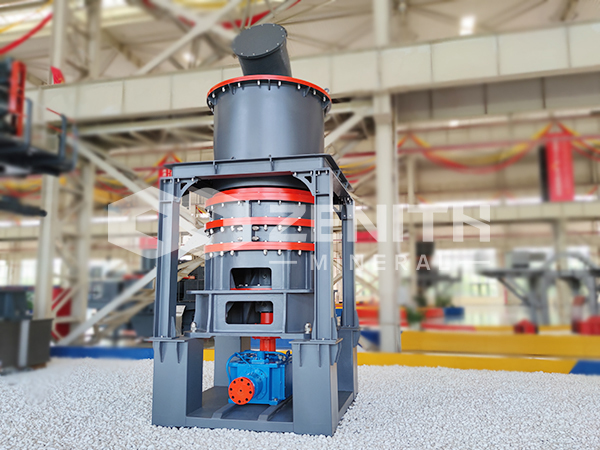
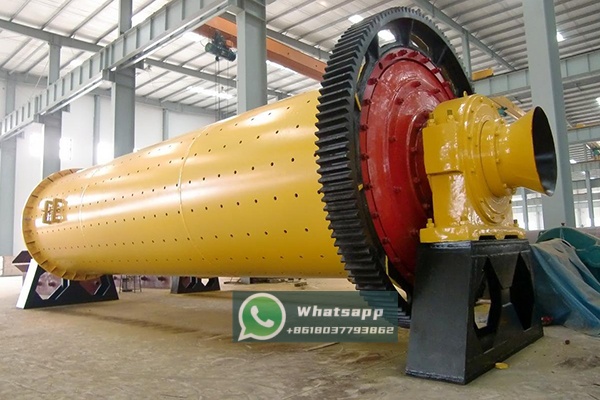
Shanghai Zenith Machinery Co., Ltd. is an excellent manufacturer of ore grinding equipment in China, with extensive experience in the field of ultra-fine powder grinding. The company specializes in the research, development, and production of industrial powder grinding equipment and related devices. Zenith’s main products include MTW Trapezium Grinding Mill, Ball Mill, MTM Medium-Speed Grinding Mill, Raymond Mill, LM Vertical Grinding Mill, LUM Ultrafine Vertical Mill, XZM Ultrafine Grinding Mill, and Hammer Mill. These machines are sold worldwide and have earned a reputation for high efficiency, stable performance, and long service life.
Zenith’s grinding mills are designed with modern technology, including advanced classifiers, intelligent lubrication systems, and eco-friendly dust collection. The company also provides complete project support, from raw material testing to plant layout and after-sales service. For Vietnamese zeolite producers, partnering with Zenith means access to dependable equipment and technical expertise that can reduce operational risks and improve product consistency.
Recommended Solution 1: MTW Trapezium Grinding Mill
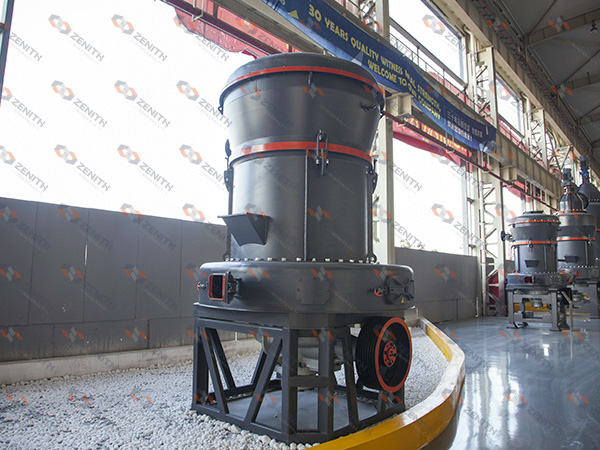
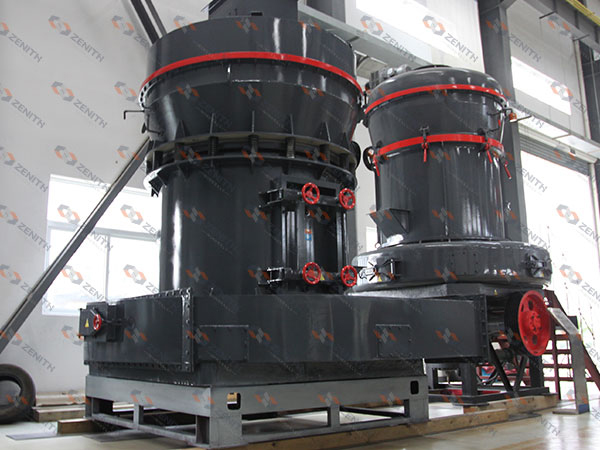
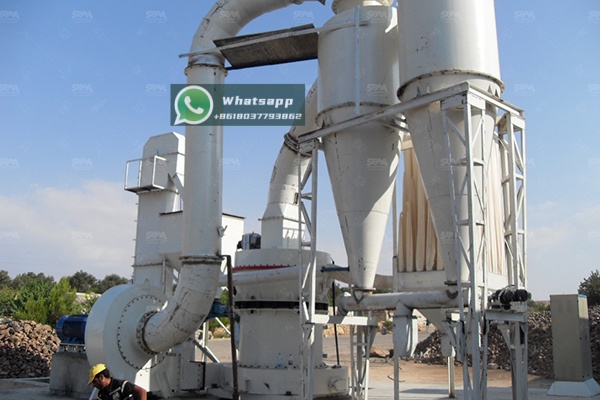
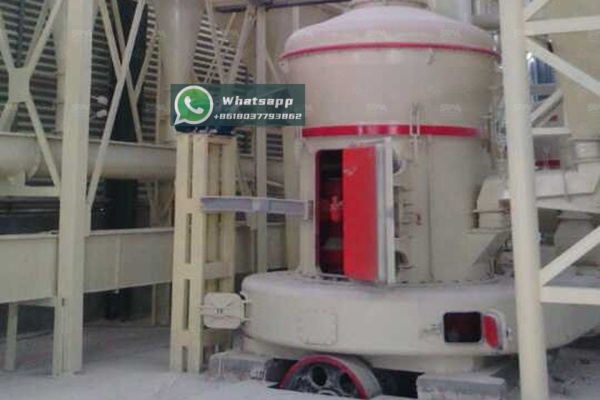
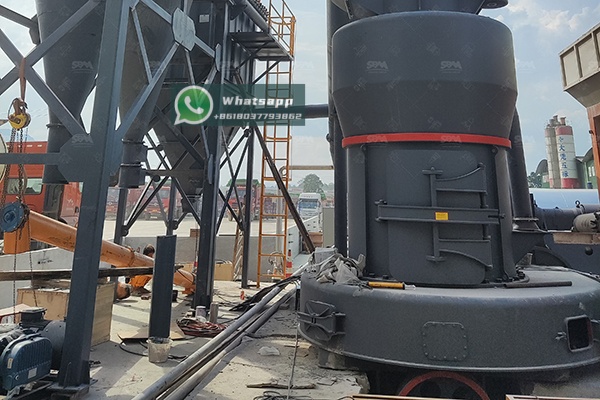
The MTW Trapezium Grinding Mill is a multi-patented flagship product in Zenith’s lineup. It features a compact structure, high grinding efficiency, and a final product size as fine as 0.038 mm. The mill is ideal for producing agricultural-grade zeolite with a particle size of 0.045 mm, which meets the requirements of most soil amendment applications in Vietnam. The MTW mill also has a curved air duct, an anti-leak bearing structure, and an internal circulation lubrication system that reduce maintenance and prolong service life.
| Model | Max Feed Size (mm) | Final Size (mm) | Capacity (t/h) | Main Motor (kW) |
|---|---|---|---|---|
| MTW110Z | <30 | 1.6-0.045 | 3-10 | 55 |
| MTW138Z | <35 | 1.6-0.045 | 6-17 | 90 |
| MTW175G | <40 | 1.6-0.045 | 9.5-25 | 160 |
| MTW215G | <50 | 1.6-0.045 | 15-45 | 280 |
For a medium-scale zeolite processing plant in Vietnam, the MTW138Z is an excellent starting point. It accepts feed sizes up to 35 mm, produces powder from 1.6 mm down to 0.045 mm, and delivers 6 to 17 tons per hour. This capacity can support the production of soil conditioners for thousands of hectares each season. If a larger operation is planned, the MTW175G or MTW215G can be selected to achieve outputs up to 45 tons per hour.
Recommended Solution 2: LUM Ultrafine Vertical Mill
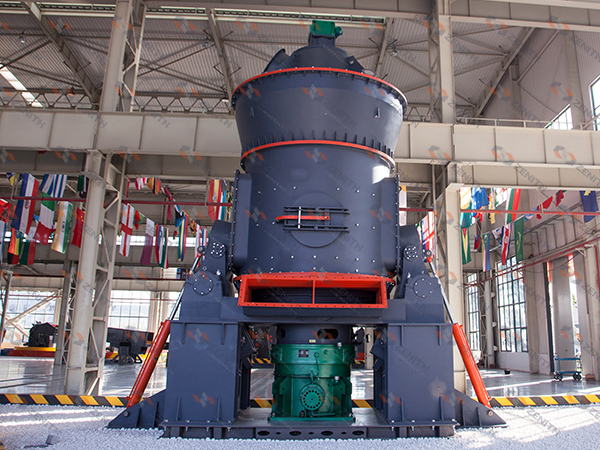
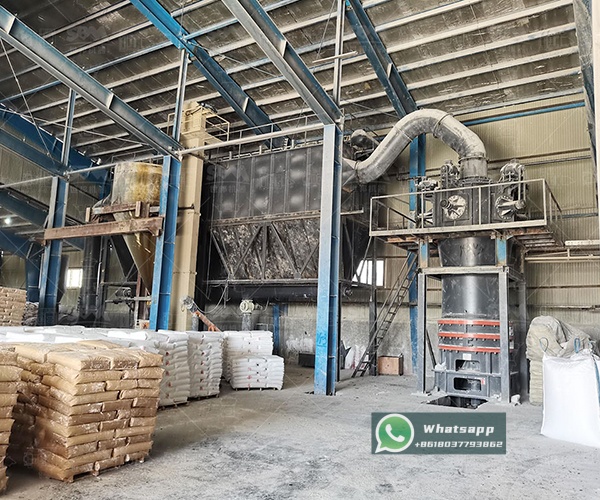
For processors who want to produce ultra-fine zeolite with a higher market value, the LUM Ultrafine Vertical Mill is an excellent investment. This mill integrates grinding, drying, classifying, and conveying in one compact system. It can generate a D97 particle size of 5 to 30 micrometers, equivalent to roughly 600 to 2500 mesh. Ultra-fine zeolite has a larger surface area and reacts more readily with soil colloids, making it ideal for premium fertilizers, seed coatings, and high-performance soil amendments.
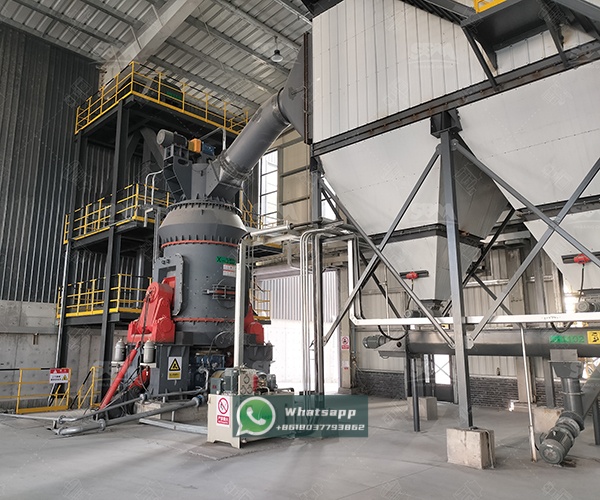
| Model | Main Machine Power (kW) | Capacity (t/h) | Size Distribution D97 (μm) |
|---|---|---|---|
| LUM1525 | 220-250 | 1.6-11.5 | 5-30 |
| LUM1632 | 280-315 | 2.0-13.5 | 5-30 |
| LUM1836 | 355-400 | 2.3-15 | 5-30 |
The LUM mill features intelligent control, low energy consumption, and easy maintenance. It is particularly suited to producers who aim to export zeolite-based agricultural products or create branded soil conditioners for Vietnam’s high-value crop segments. The mill’s compact footprint also saves valuable plant space, while its integrated classifier ensures a narrow particle size distribution without additional sorting equipment.
Selecting the Right Grinding Mill for Your Zeolite Project
Choosing the correct grinding mill depends on several factors: raw material feed size, target fineness, required capacity, moisture content, and available power supply. The MTW Trapezium Grinding Mill is the most versatile solution for standard zeolite powder, while the LUM Ultrafine Vertical Mill meets the demand for micro-fine products. For crushing raw zeolite before fine grinding, Zenith’s Hammer Mill can reduce large lumps to 0-3 mm in a single step. The XZM Ultrafine Grinding Mill is another alternative for those requiring 325 to 2500 mesh output.
Zenith’s engineers can help customers conduct a material test, design a complete processing line, and select the right model based on actual site conditions. Vietnam’s tropical climate and seasonal rainfall also affect the moisture content of mined zeolite; the LUM mill can integrate drying, while the MTW mill can be equipped with a hot air system if needed. By working with Zenith, processors receive a tailor-made solution that maximizes uptime and return on investment.
Conclusion
Zeolite is a highly effective natural solution for improving Vietnam’s agricultural soil. It enhances nutrient retention, water holding capacity, and crop resilience. To unlock these benefits, zeolite must be ground to the appropriate fineness using a reliable industrial mill. Shanghai Zenith Machinery Co., Ltd. offers world-class zeolite grinding mills, including the MTW Trapezium Grinding Mill for agricultural-grade powder and the LUM Ultrafine Vertical Mill for ultra-fine premium products. With high capacity, precise classification, and proven durability, these mills are well suited to Vietnam’s growing zeolite market. Contact Zenith today to discuss your requirements and take the next step toward sustainable agriculture soil improvement.
Key Equipment
Want This Solution for Your Project?
Contact us for a customized quotation and technical proposal.
Interested in This Solution?
Send us a message and our engineers will get back to you within 24 hours.