Introduction
Malaysia’s construction industry has experienced robust growth over the past decade, driven by major infrastructure projects, residential developments, and commercial building expansions. This rapid urbanization has created an insatiable demand for high-quality cement, which is the backbone of any construction activity. At the heart of cement production lies the critical process of grinding cement clinker—a nodular material produced from limestone and clay that, when finely ground with gypsum, forms the final cement product. Selecting the right grinding mill for cement clinker is therefore essential for achieving the desired fineness, reducing energy consumption, and ensuring consistent product quality. Shanghai Zenith Machinery Co., Ltd., an excellent manufacturer of ore grinding equipment in China, offers a comprehensive range of grinding mills tailored to the needs of cement plants worldwide. With decades of experience in research, development, and production of industrial powder grinding equipment, Zenith has made great achievements in the field of ultra-fine powder grinding. This article explores the key considerations for cement clinker grinding in Malaysian construction plants and highlights two of Zenith’s most suitable solutions: the LM Vertical Grinding Mill and the Ball Mill.
Understanding Cement Clinker Grinding
Cement clinker is typically ground to a fineness of 300–400 m²/kg (Blaine) to produce ordinary Portland cement. The grinding process consumes a significant portion of the total energy used in cement manufacturing, often accounting for up to 40% of the plant’s electrical power. Therefore, efficiency and reliability are paramount. In addition to energy savings, modern mills must also comply with environmental regulations regarding dust emissions and noise levels. Malaysian construction plants, which often operate in densely populated or environmentally sensitive areas, require equipment that is not only productive but also eco-friendly. Shanghai Zenith Machinery’s grinding mills are designed with these challenges in mind, combining advanced technology with robust construction.
Key Factors in Selecting a Cement Clinker Grinding Mill
When choosing a mill for cement clinker, plant managers consider several factors: feed size, required fineness, capacity, moisture content, and overall operating cost. Clinker typically enters the mill at sizes up to 50 mm, and the final product must have a controlled particle size distribution. Grinding aids are often used to improve efficiency, and the mill’s wear parts must be durable to handle the abrasive nature of clinker. Furthermore, ease of maintenance and automation are critical for plants aiming to reduce downtime and labor costs. Shanghai Zenith Machinery offers a portfolio of mills that meet these requirements, with parameters specifically designed for the cement industry.
LM Vertical Grinding Mill: A Comprehensive Solution
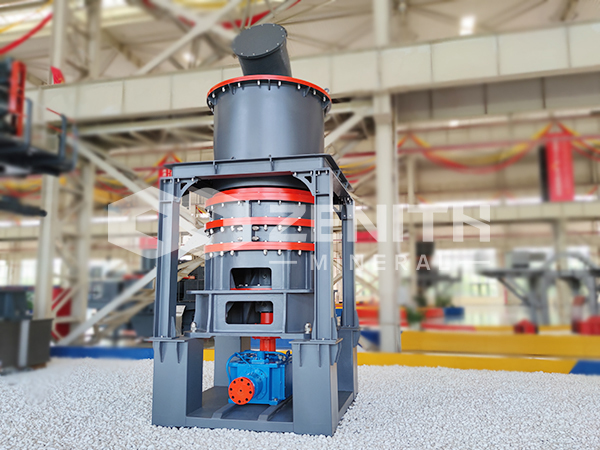
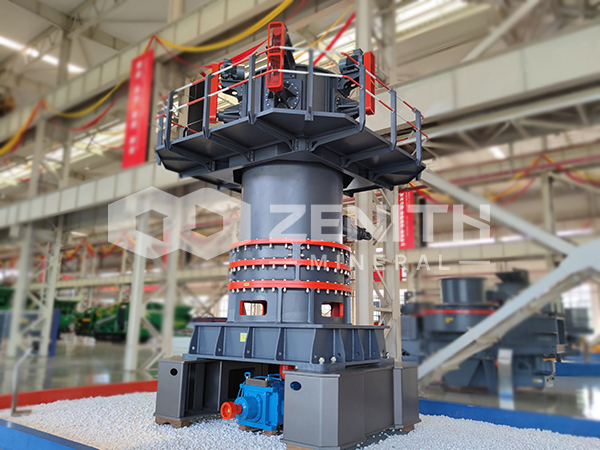
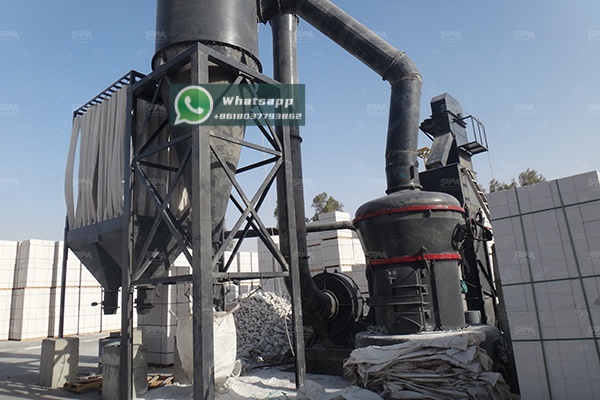
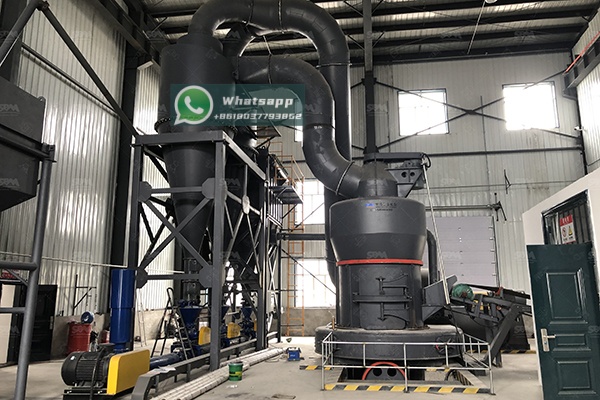
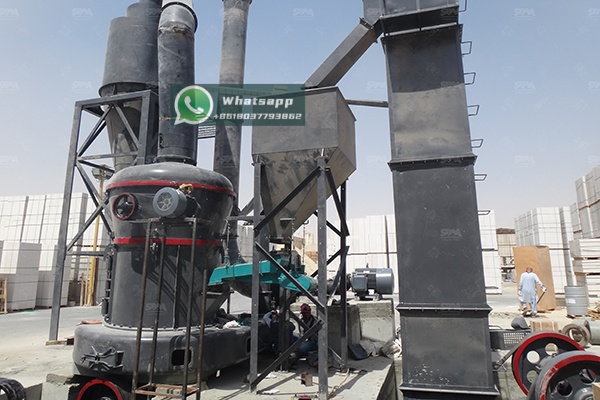
One of the most advanced grinding technologies for cement clinker is the LM Vertical Grinding Mill. This mill integrates five functions—crushing, grinding, powder selection, drying, and material conveying—into a single compact unit. Its small occupational area makes it ideal for plants with limited space, a common constraint in Malaysian urban construction sites. The LM vertical mill uses a grinding table and rollers to pulverize clinker, and an integrated classifier ensures precise fineness control. The mill’s hydraulic system allows for easy adjustment of grinding pressure, optimizing performance for different clinker types.
For cement clinker grinding, the LM Vertical Mineral Mill series is particularly suited. Take the LM190K model as an example: it has a plate diameter of 1900 mm, a capacity of 23–68 t/h, and can produce a final fineness of 170–40 μm (approximately 80–400 mesh). The maximum feed size is 45 mm, and the main motor power is 500 kW. This model is widely used in medium-to-large cement plants worldwide and has proven its reliability in high-demand environments. Another popular choice is the LM280K, with a capacity of 50–170 t/h and a main motor of 1250 kW, suitable for large-scale integrated cement operations.
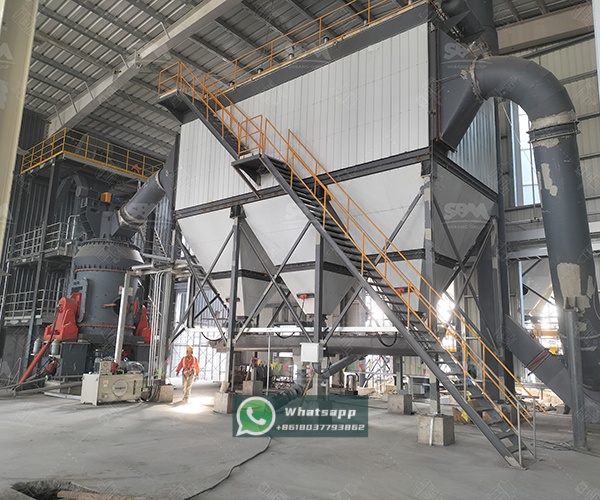
The LM vertical mill offers significant energy savings compared to traditional ball mills—typically 30–50% lower power consumption. Its sealed system minimizes dust leakage, contributing to a cleaner working environment. Additionally, the mill’s wear parts have a long service life, reducing maintenance costs. For Malaysian construction plants looking to upgrade their grinding lines or build new facilities, the LM Vertical Grinding Mill is an excellent choice that combines high efficiency with environmental compliance.
Ball Mill: The Time-Tested Classic
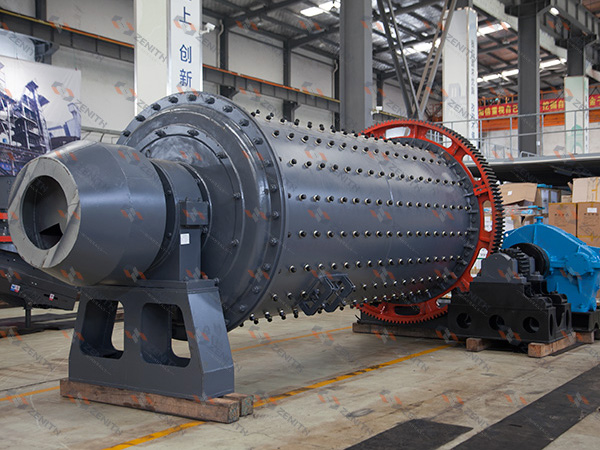
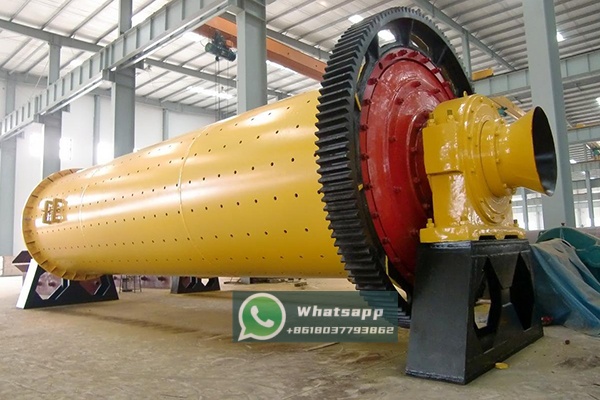
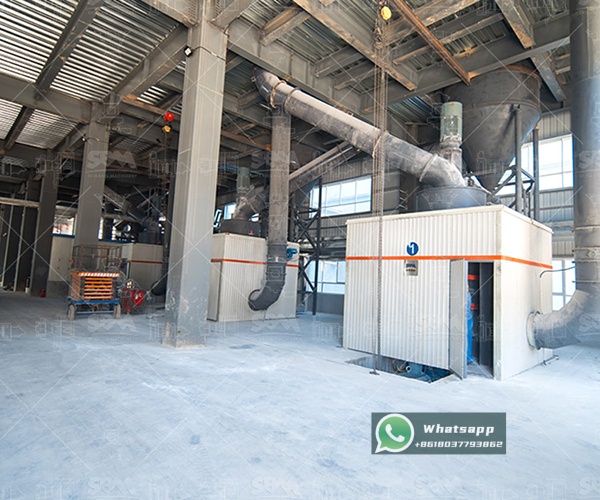
Despite the rise of vertical roller mills, the Ball Mill remains a staple in cement clinker grinding, especially for plants that require high flexibility in product fineness or operate with variable feed materials. Shanghai Zenith Machinery offers a range of Ball Mills suitable for both dry and wet processes. The wet-type over-flow ball mill, such as the GMQY series, is commonly used in cement grinding circuits. For example, the GMQY2445 model has a shell size of 2400×4500 mm, an effective volume of 18.2 m³, a grinding media weight of 31 tons, and a capacity of 9.8–50 t/h depending on feed characteristics. The motor power is 355 kW, providing robust performance for continuous production.
Another well-suited model for cement clinker is the Φ2700×4500 wet-type ball mill, with a rotation speed of 20.7 r/min, grinding media weight of 48 tons, and capacity of 12–90 t/h. Its main motor power is 430 kW. This mill is ideal for intermediate-capacity plants that need to handle a wide range of clinker hardness. Ball mills are known for their simplicity and reliability; they can be easily adjusted to produce different fineness by changing the grinding media size or the rotation speed. Moreover, ball mills are highly adaptable to raw materials, making them suitable for plants that process various types of clinker or add supplementary cementitious materials like fly ash or slag.
One key advantage of Zenith’s ball mills is their robust construction, featuring high-quality steel shells and wear-resistant liners. The discharge system is designed to handle large volumes continuously, and the mill can be operated in both open and closed circuits depending on the desired final product. For Malaysian construction plants that already have ball mill experience or require a proven, low-risk solution, the Zenith ball mill offers excellent value with a long operational life.
Why Choose Shanghai Zenith Machinery?
Shanghai Zenith Machinery Co., Ltd. is an excellent manufacturer of ore grinding equipment in China, specializing in the research, development, and production of industrial powder grinding equipment. The company’s products are exported to over 120 countries and regions, including many cement plants in Southeast Asia. Zenith provides comprehensive technical support, from plant layout design to commissioning and after-sales service. For Malaysian construction plants, Zenith’s local representatives can assist with feeder configurations, classifier settings, and grinding aid recommendations to optimize mill performance.
Additional Grinding Options for Specific Needs
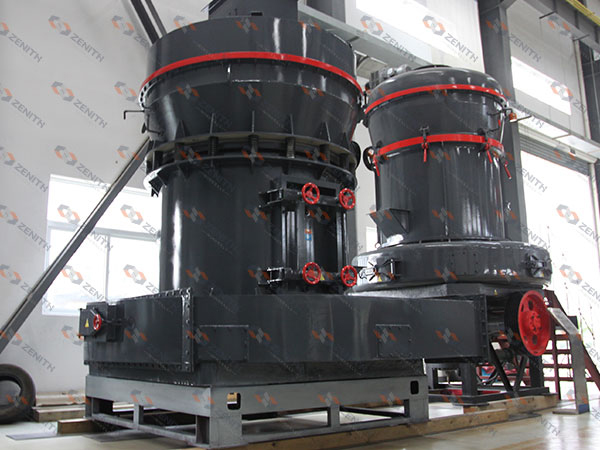
While the LM Vertical Mill and Ball Mill are the top recommendations for cement clinker, Zenith also offers other mills that may be suitable for auxiliary processes. For instance, the MTW Trapezium Grinding Mill is an excellent choice for pre-grinding or grinding cement raw meal. Its compact structure and eco-friendly design make it a versatile addition to any plant. The MTW138Z model, with a capacity of 6–17 t/h and final fineness down to 0.045 mm, can be used in conjunction with a ball mill in a hybrid grinding system. Similarly, the LUM Ultrafine Vertical Mill can produce ultra-fine products (5–30 μm) for specialized cement blends or additive applications. However, for mainstream cement clinker grinding, the LM and Ball Mill remain the most cost-effective and reliable choices.
Conclusion
Malaysia’s construction boom demands a steady supply of high-quality cement, and that starts with efficient clinker grinding. Shanghai Zenith Machinery’s LM Vertical Grinding Mill and Ball Mill offer two distinct but complementary solutions that meet the needs of modern cement plants. The LM mill excels in energy efficiency, space savings, and environmental performance, while the Ball Mill provides proven reliability, flexibility, and ease of operation. By investing in Zenith’s advanced grinding technology, Malaysian construction plants can reduce their production costs, improve product quality, and contribute to a more sustainable future. Whether you are planning a greenfield cement plant or upgrading an existing facility, Zenith has the expertise and equipment to help you succeed.
For more information on product specifications, pricing, or to request a customized solution, please contact Shanghai Zenith Machinery Co., Ltd. or visit their official website. Our team of engineers is ready to assist you in selecting the perfect cement clinker grinding mill for your Malaysian construction plant.
Key Equipment
Want This Solution for Your Project?
Contact us for a customized quotation and technical proposal.
Interested in This Solution?
Send us a message and our engineers will get back to you within 24 hours.