

Talc Mill for Fine Cosmetic Powder in the Philippines
The Philippines has a dynamic beauty and personal care industry, and talc continues to play a central role in many cosmetic powders. Loose powder, pressed powder, blush, eye shadow, and related products depend on cosmetic-grade talc that is fine, uniform, white, and safe. However, producing such talc requires more than a simple pulverizer. It demands a carefully selected grinding system that can control particle size, prevent contamination, manage dust, and maintain stable output. For companies operating in the Philippines, where energy costs, logistics, and regulatory compliance all affect profitability, the choice of talc mill is a strategic decision. Shanghai Zenith Machinery Co., Ltd., an experienced manufacturer of ore grinding equipment in China, offers proven solutions for ultrafine powder production, including the XZM Ultrafine Grinding Mill and the LUM Ultrafine Vertical Mill.
The Importance of Fine Talc in Cosmetic Formulations
Cosmetic talc is valued for its softness, lubricity, opacity, oil absorption, and ability to improve texture. In loose and pressed powders, particle size distribution directly affects feel and performance. If the talc is too coarse, the product may feel gritty and apply unevenly. If the distribution is too wide, the powder may not compress well or may separate during storage. For premium cosmetics, manufacturers often target a very fine powder, frequently in the range of 5 to 30 microns or finer, depending on the formulation. A narrow and controllable particle size distribution helps ensure smooth coverage, good adhesion, and consistent color development when talc is blended with pigments such as titanium dioxide, iron oxides, and mica.
In addition, cosmetic talc must be free from harmful contaminants. Asbestos-free status is essential, and heavy metal content, microbial load, and foreign matter must be controlled. The grinding process itself can introduce contamination if the mill wears excessively or if the system is not designed for clean production. Therefore, a talc mill for cosmetic powder must combine fine grinding performance with hygienic design, reliable classification, and effective dust collection.
The Philippine Market for Cosmetic Talc
The Philippine cosmetics market continues to expand, supported by a large young population, growing urbanization, and increasing demand for personal care products. Local manufacturers and importers serve both domestic brands and international labels. At the same time, the country has mineral resources and industrial capacity that can support local processing of industrial minerals. For talc processors, this creates opportunities to supply cosmetic-grade powder to formulators in Metro Manila, Calabarzon, Central Visayas, Davao Region, and other manufacturing hubs.
Yet the Philippine market also presents practical challenges. Electricity costs are relatively high, so energy-efficient grinding is important. Imported equipment must be durable and easy to maintain, because access to specialized spare parts can affect uptime. Environmental regulations require dust control and responsible waste management. Cosmetic manufacturers also expect consistent quality from batch to batch, which means the mill must deliver stable fineness and capacity. A well-designed talc grinding line can help Philippine producers meet these demands while reducing operating costs.
Key Requirements for a Cosmetic Talc Grinding Mill
When selecting a talc mill for fine cosmetic powder, several factors should be evaluated. First, the target fineness must be matched to the application. Some products require 325 mesh, while premium applications may require 1250 mesh, 2500 mesh, or even finer. Second, capacity must align with market demand and available raw material supply. Small and medium producers may need hundreds of kilograms per hour, while larger operations may require several tons per hour. Third, the mill should handle talc’s soft nature efficiently. Talc has a Mohs hardness of about 1, so it is relatively easy to grind, but ultrafine grinding still requires effective classification and airflow control.
Fourth, contamination control is critical. The grinding zone, classifiers, cyclones, and collection system should be designed to minimize iron and other wear debris. Magnetic separation before and after grinding is often recommended. Fifth, the system should include reliable dust collection to protect workers and the environment. Sixth, maintenance should be straightforward, with wear parts that are accessible and reasonably priced. Finally, the equipment supplier should offer process support, spare parts, and technical service. These requirements point toward advanced ultrafine mills such as the XZM and LUM series from Shanghai Zenith Machinery Co., Ltd.
Recommended Zenith Solutions for Philippine Talc Processors
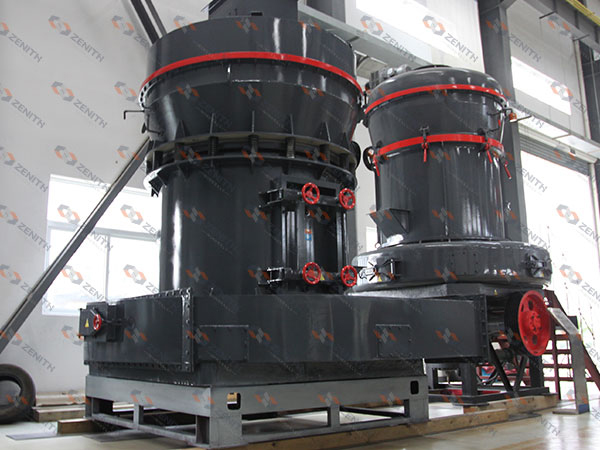
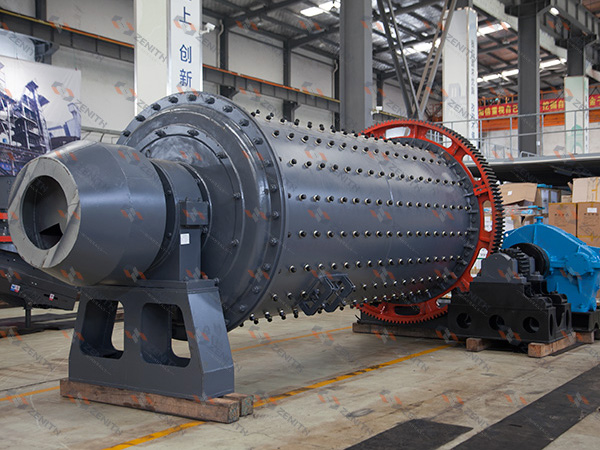
Shanghai Zenith Machinery Co., Ltd. is specialized in the research, development, and production of industrial powder grinding equipment. Its product range includes MTW Trapezium Grinding Mill, Ball Mill, MTM Medium-Speed Grinding Mill, Raymond Mill, LM Vertical Grinding Mill, LUM Ultrafine Vertical Mill, XZM Ultrafine Grinding Mill, Hammer Mill, and other related devices. For fine cosmetic talc powder, two models are particularly suitable: the XZM Ultrafine Grinding Mill and the LUM Ultrafine Vertical Mill.
XZM Ultrafine Grinding Mill
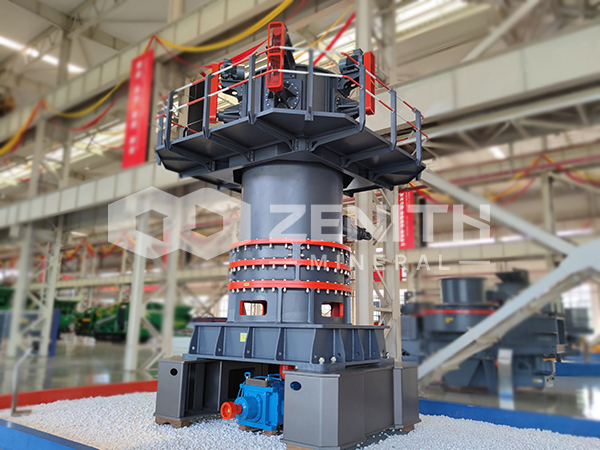
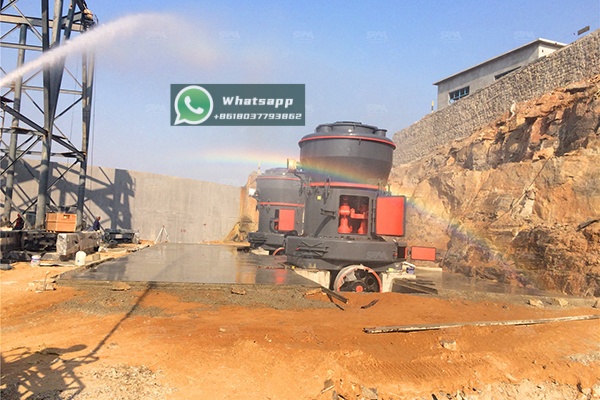
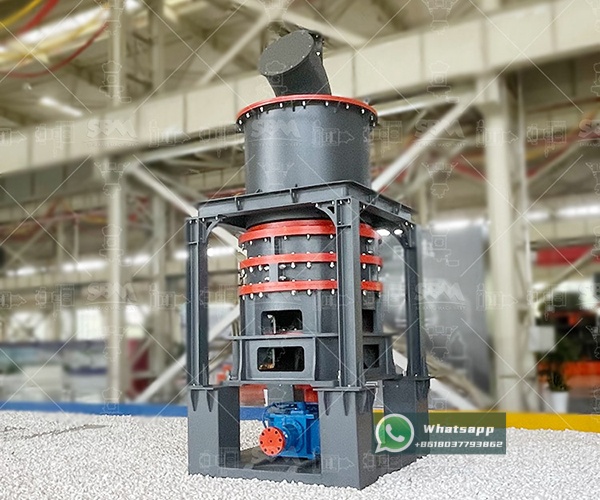
The XZM Ultrafine Grinding Mill is widely used for superfine powder production. It is suitable for grinding soft or medium-hard materials with moisture content below 6%, which makes it a strong match for talc. The XZM can achieve an output fineness of 325 to 2500 mesh, covering a broad range of cosmetic powder requirements. For small to medium production, the XZM221 has a working diameter of Φ800 mm, maximum feed size of ≤20 mm, final size of 325 to 2500 mesh, output of 500 to 4500 kg/h, and a main motor power of 75 kW. For larger production, the XZM268 has a working diameter of Φ1680 mm, maximum feed size of ≤20 mm, final size of 325 to 2500 mesh, output of 5000 to 25000 kg/h, and a main motor power of 315 kW.
With its ultrafine classification system, the XZM helps produce a consistent, fine talc powder that feels smooth and performs well in cosmetic formulations. Its compact configuration and integrated collection system also support cleaner production, which is important for cosmetic-grade material.
LUM Ultrafine Vertical Mill
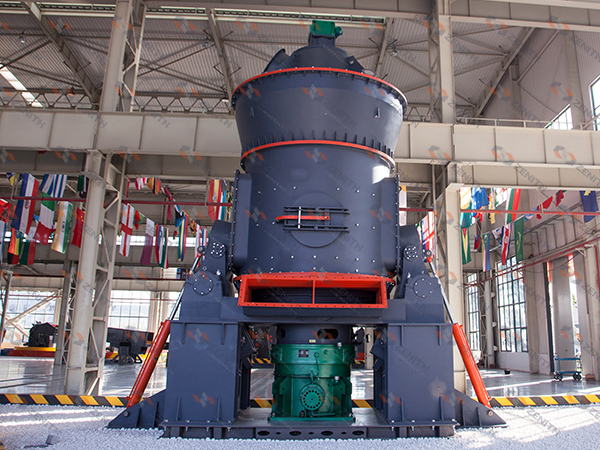
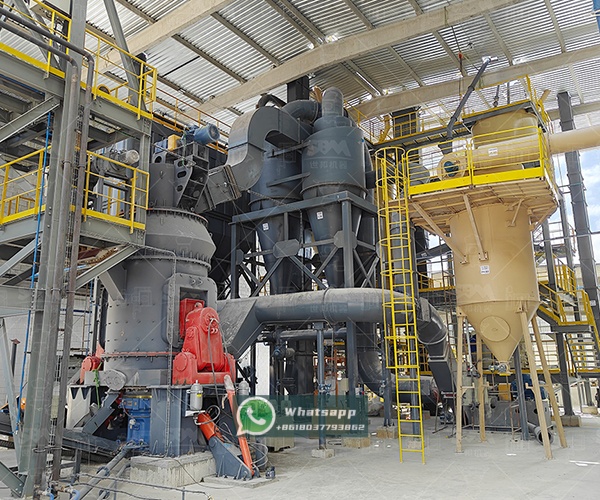
The LUM Ultrafine Vertical Mill integrates grinding, drying, classifying, and transportation while occupying minimal space. It is designed to produce products with a high content of end-fines and features intelligent control for easier maintenance. For cosmetic talc, the LUM series can deliver very fine particles with a D97 of 5 to 30 μm. The LUM1525 has a main machine power of 220 to 250 kW, capacity of 1.6 to 11.5 t/h, and size distribution D97 of 5 to 30 μm. The LUM1632 offers 280 to 315 kW, capacity of 2.0 to 13.5 t/h, and the same D97 range. The LUM1836 provides 355 to 400 kW, capacity of 2.3 to 15 t/h, and D97 of 5 to 30 μm.
This vertical mill is an excellent choice for producers who need high fineness, stable quality, and energy-efficient operation. Its vertical design reduces floor space, and its internal classification helps avoid over-grinding, which can waste energy and alter particle shape. For Philippine cosmetic talc producers targeting premium powders, the LUM Ultrafine Vertical Mill is a highly competitive solution.
Typical Process Configuration
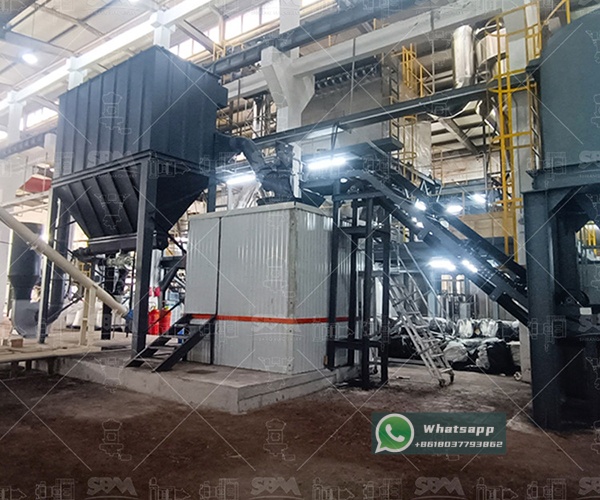
A complete cosmetic talc grinding line usually includes primary crushing, storage, feeding, grinding, classification, collection, magnetic separation, and packaging. Raw talc is first crushed to a feed size suitable for the mill. The material is then fed at a controlled rate into the grinding chamber. In the XZM or LUM mill, grinding and classification work together to produce the desired particle size. Fine powder is carried by airflow to cyclones and a dust collector, where it is separated from the air. Magnetic separators can remove iron particles before and after grinding. Finally, the powder is packed in clean, moisture-proof bags or bulk containers.
For Philippine conditions, it is advisable to include a dehumidification or drying step if the raw talc has high moisture. Although talc is soft, moisture can cause clogging and reduce classification efficiency. A well-designed system with variable frequency drives, pressure monitoring, and temperature control can help maintain stable production. The mill should also be installed in a clean area with controlled access to prevent contamination from dust, oil, or other materials.
Quality Control and Regulatory Considerations
Cosmetic talc supplied in the Philippines must meet the requirements of the Philippine Food and Drug Administration and relevant ASEAN Cosmetic Directive standards. Manufacturers should establish strict quality control for asbestos, heavy metals, pH, whiteness, moisture, and particle size distribution. The grinding system should be easy to clean and inspect. Stainless steel contact surfaces, proper filtration, and regular maintenance can reduce the risk of contamination. Batch sampling and laboratory testing are also essential. By combining a reliable ultrafine mill with good quality management, Philippine producers can supply cosmetic-grade talc that meets local and export market expectations.
Why Choose Shanghai Zenith Machinery
Shanghai Zenith Machinery Co., Ltd. has made great achievements in the field of ultra-fine powder grinding. The company is specialized in research, development, and production of industrial powder grinding equipment. Its portfolio includes multiple mill types, allowing customers to select the right machine for their material, fineness, capacity, and budget. For talc processors in the Philippines, Zenith can provide technical consultation, process design, equipment manufacturing, and after-sales support. The XZM Ultrafine Grinding Mill and LUM Ultrafine Vertical Mill are two examples of how Zenith combines fine grinding performance with practical industrial design.
Conclusion
The Philippine cosmetic industry offers a strong opportunity for producers of fine talc powder. To succeed, processors need equipment that can deliver consistent ultrafine particles, control contamination, reduce energy consumption, and support clean production. The XZM Ultrafine Grinding Mill and LUM Ultrafine Vertical Mill from Shanghai Zenith Machinery Co., Ltd. are well suited to these goals. Whether a company is planning a small specialty line or a larger cosmetic talc operation, selecting the right mill is the foundation of product quality and business success. With the right technology and process support, the Philippines can strengthen its position in the cosmetic talc supply chain.
Key Equipment
Want This Solution for Your Project?
Contact us for a customized quotation and technical proposal.

Interested in This Solution?
Send us a message and our engineers will get back to you within 24 hours.