
Calcium Carbonate Powder Mill for Indonesian Plastic Filler
Indonesia’s plastics industry has become one of the most dynamic sectors in Southeast Asia. With growing demand from packaging, automotive components, household products and piping, the need for high-quality mineral fillers has risen sharply. Among these fillers, ground calcium carbonate is the most popular because it combines cost reduction with functional improvements. When processed correctly, calcium carbonate powder improves stiffness, dimensional stability and impact resistance in plastic compounds. It also allows manufacturers to reduce the amount of expensive polymer resin in masterbatch formulations.
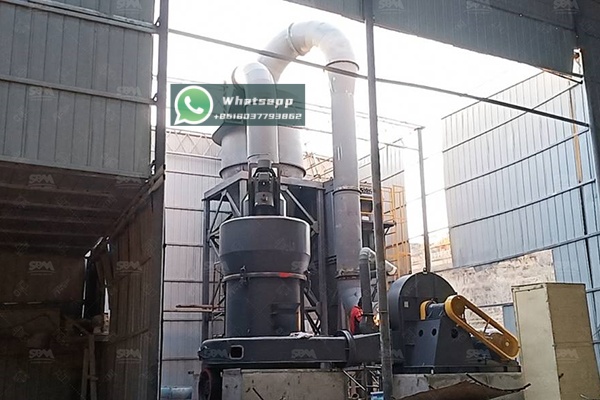
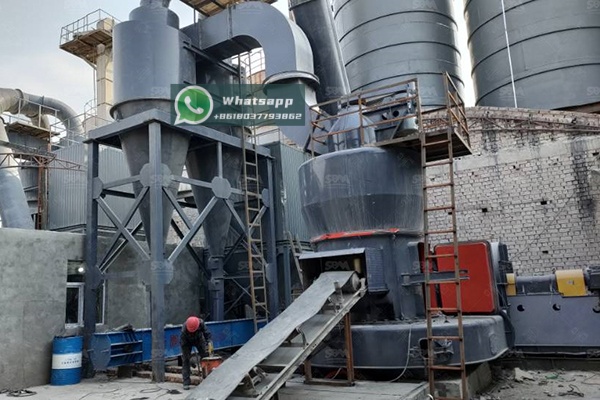
To obtain the best performance from calcium carbonate in plastics, the powder must be very fine, extremely dry, and uniform in particle size. This requires suitable grinding equipment. Shanghai Zenith Machinery Co., Ltd. is an excellent manufacturer of ore grinding equipment in China and has made great achievements in the field of ultra-fine powder grinding. With a wide range of mills, including the MTW Trapezium Grinding Mill, the LUM Ultrafine Vertical Mill, and the XZM Ultrafine Grinding Mill, Zenith can provide complete solutions for Indonesian plastic filler producers.
Key Requirements for Plastic-Grade Calcium Carbonate
Not all calcium carbonate powders are suitable for the plastics industry. The following parameters are critical.
- Fineness: For plastic filler and masterbatch production, common specifications range from 325 mesh to 2500 mesh. Commodity applications often use 800 mesh, while high-end film and fiber applications require 1250 mesh or finer, with D97 around 10 μm or less.
- Particle size distribution: A narrow distribution avoids streaks, agglomerates and surface defects in extruded or blown film products.
- Whiteness: Brightness of 90% or higher is normally preferred because filler directly influences the appearance of the final plastic article.
- Moisture: Moisture content must be below 0.3% because water vapor causes defects in plastic processing.
- Surface coating: In plastic applications, calcium carbonate is often coated with stearic acid or similar coupling agents to improve dispersion and reduce filler-resin interaction.
How to Grind Calcium Carbonate for Plastics
Calcium carbonate is generally produced by crushing limestone, then grinding it in a mill and classifying the powder. In a typical plant, large limestone blocks are reduced to a feed size of less than 50 mm before entering the grinding mill. The mill and classifier work as a closed loop: acceptable particles are collected, while oversize particles are returned for further grinding. For plastic filler, a grinding mill with an integral or external classifier is necessary. A well-designed classifier ensures a consistent product without oversized particles.
Selecting the Right Grinding Mill
Choosing the correct calcium carbonate mill depends on several factors: feed size, required fineness, production capacity, energy consumption and available footprint. In Indonesia, manufacturers often need to process abrasive limestone with high throughput. A mill that combines crushing, grinding and classification in one unit can simplify the plant layout and reduce operating costs. Vertical mills and roller mills have become popular because of their energy efficiency and compact design. For smaller capacity plants, a trapezium mill or Raymond mill can also produce acceptable filler grade powder at lower investment.
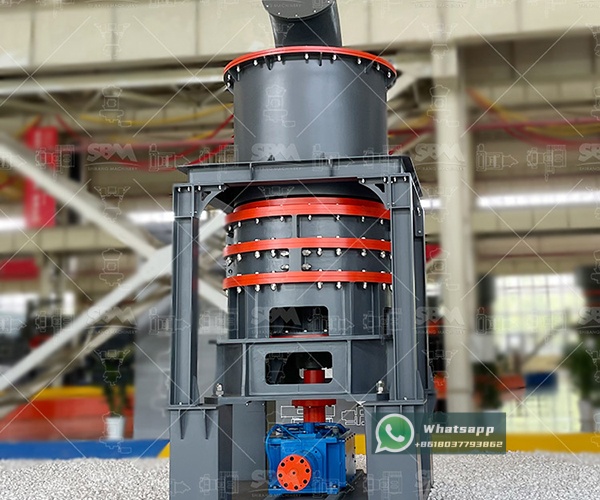
Zenith MTW Trapezium Grinding Mill
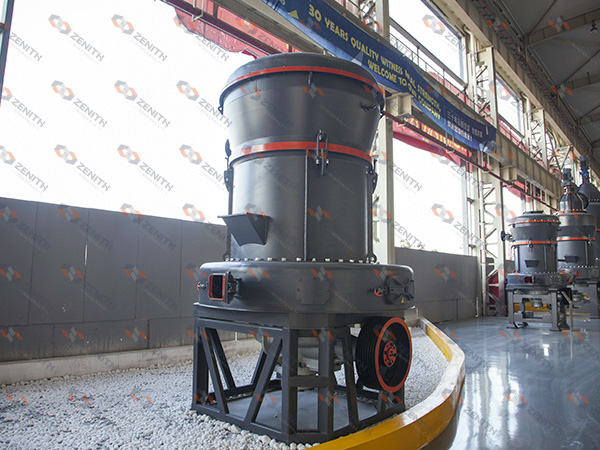
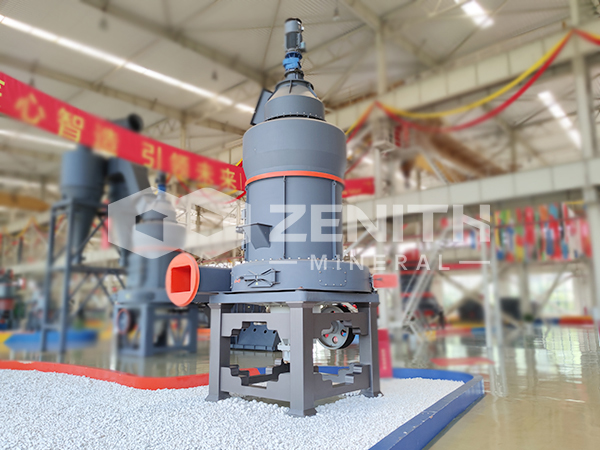
The Zenith MTW Trapezium Grinding Mill is a multi-patent powder grinding machine with compact structure, long service life and environmentally friendly design. It is suitable for processing materials with a maximum feed size of 50 mm and can produce a final product as fine as 0.038 mm, which equals approximately 325 mesh. For Indonesian producers who need a robust and economical mill for coarse to medium-fine calcium carbonate filler, the MTW series is a reliable choice. The MTW138Z model can accept feed below 35 mm, produce 6-17 t/h of powder between 1.6 mm and 0.045 mm, and is driven by a 90 kW main motor. The larger MTW175G offers capacity up to 25 t/h with a 160 kW motor.
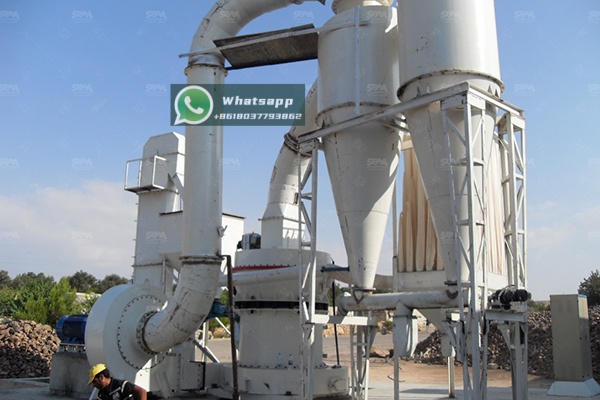
The MTW mill is especially useful when the target product is around 325 mesh or when the plant also needs a pre-grinding stage before an ultra-fine mill. Its trapezium-shaped grinding ring and roller improve grinding efficiency, while the internal classifier provides a uniform final powder. In addition, the mill can be equipped with a bag filter and dust collection system to meet local environmental standards.
Zenith LUM Ultrafine Vertical Mill
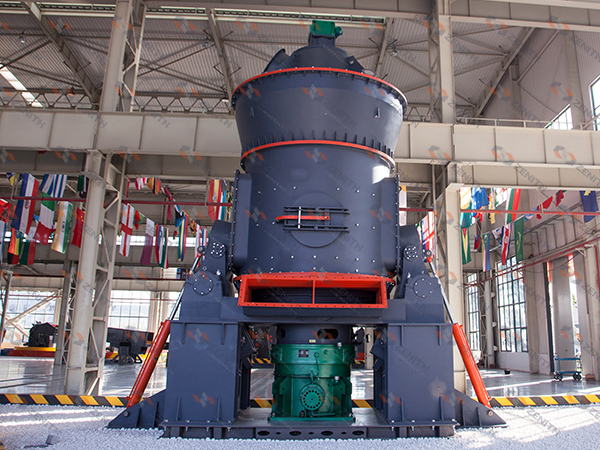
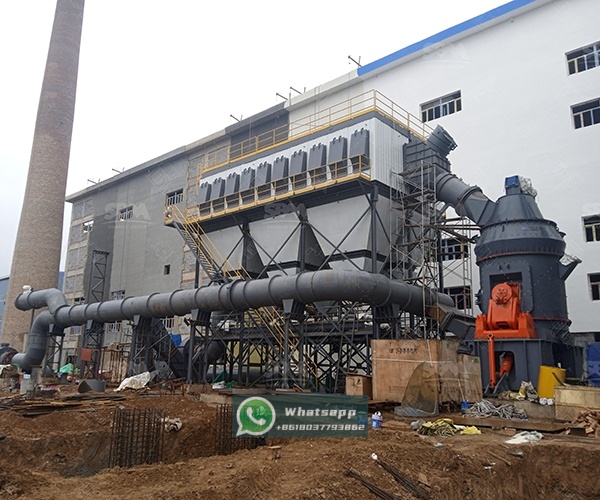
For Indonesian plastic filler producers aiming at premium masterbatch and film-grade calcium carbonate, the LUM Ultrafine Vertical Mill is a better fit. It integrates five functions: crushing, grinding, powder selection, drying, and material conveying into one machine. This saves floor space and reduces auxiliary equipment. The LUM series produces powders with high content of end-fines and has an intelligent control system for easy operation. It is designed for feed sizes up to 10 mm and delivers a final particle size distribution D97 from 5 μm to 30 μm, covering 1250 mesh to 2500 mesh.
Model LUM1525 has a main machine power of 220-250 kW and a capacity of 1.6-11.5 t/h. For higher output, LUM1632 provides 2.0-13.5 t/h with 280-315 kW, and LUM1836 can produce up to 15 t/h. The vertical mill structure allows all particle sizes to be classified by a dynamic classifier, ensuring that the final powder is free from oversize grains. A stearic acid coating system can be installed downstream to produce active filler directly, which is widely used in Indonesian polypropylene, polyethylene and PVC industries.
Recommended Solution for Indonesia
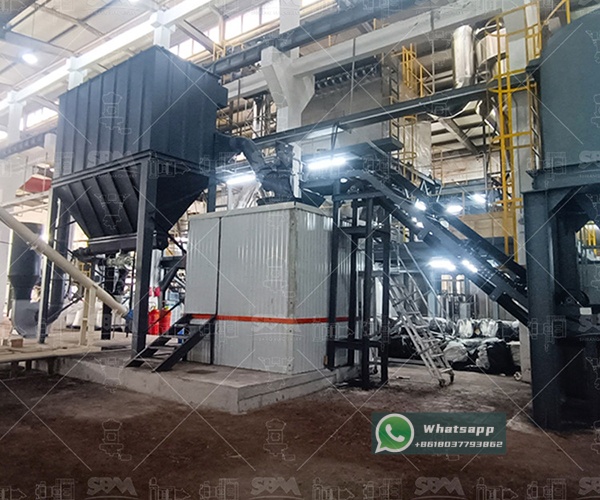
For a new calcium carbonate powder mill serving the Indonesian plastic filler market, Shanghai Zenith Machinery recommends combining the MTW Trapezium Grinding Mill and the LUM Ultrafine Vertical Mill. In this configuration, limestone is first ground in an MTW mill to reduce it to a fine powder. If the final target is 325-600 mesh, the MTW product can be collected directly. If the target is 1250 mesh or finer, the MTW product can be fed into an LUM mill for ultra-fine grinding and precise classification. This two-stage approach balances investment, energy consumption and product flexibility.
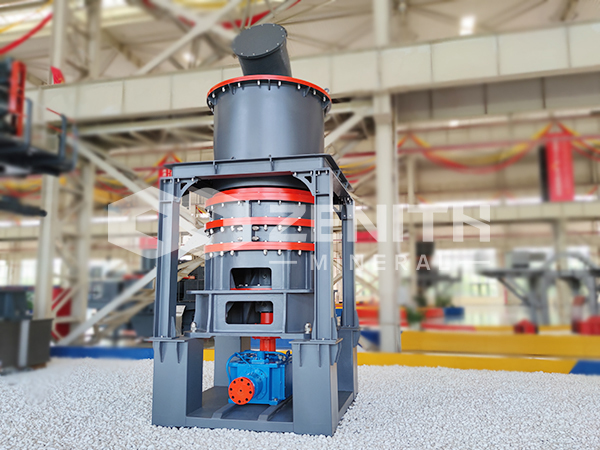
For smaller companies, the XZM Ultrafine Grinding Mill is also an option. It can produce powder between 325 and 2500 mesh, with the XZM221 model offering 500-4500 kg/h and the XZM268 model reaching up to 25,000 kg/h. However, for most medium-to-large plastic filler lines, the LUM vertical mill gives lower energy consumption per ton and better product consistency.
Why Choose Shanghai Zenith Machinery?
Shanghai Zenith Machinery Co., Ltd. is specialized in the research, development, and production of industrial powder grinding equipment and other related devices. The company’s main products include MTW Trapezium Grinding Mill, ball mills, MTM Medium-Speed Grinding Mill, Raymond Mill, LM Vertical Grinding Mill, LUM Ultrafine Vertical Mill, XZM Ultrafine Grinding Mill, and hammer mills. All machines are engineered for harsh operating conditions and have been widely exported to Indonesia and other Southeast Asian countries. Zenith also provides complete systems, including feeders, classifiers, blowers, dust collectors and control panels, so customers can start production quickly.
With the continuous growth of the Indonesian plastics industry, the demand for high-quality calcium carbonate filler will only increase. By choosing the right grinding equipment, manufacturers can lower costs, improve product quality, and remain competitive in a rapidly evolving market. Zenith’s MTW and LUM mills offer a dependable path to producing plastic-grade calcium carbonate powder with high efficiency and low total cost of ownership.
Key Equipment
Want This Solution for Your Project?
Contact us for a customized quotation and technical proposal.
Interested in This Solution?
Send us a message and our engineers will get back to you within 24 hours.