
Introduction: Quartz Grinding for Turkey’s Glass Industry
Turkey has become one of Europe’s leading glass producers and an important source of container glass, flat glass, glass tableware, glass wool and glass fibre. A shared raw material for all these products is quartz sand. Quartz supplies the silicon dioxide matrix that forms the glass network. In Turkish glass plants, quartz is processed by crushing, grinding, classification and drying, so the selection of a suitable quartz grinding mill has a direct impact on product quality and production cost.
Glass-Grade Quartz Requirements and Milling
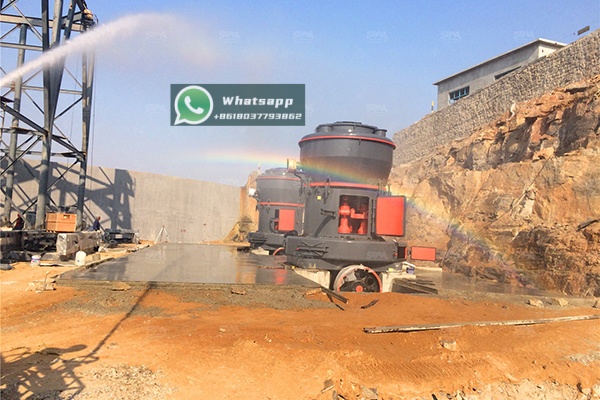
Glass manufacturers do not simply need any quartz powder. They evaluate silica materials by chemical purity, particle size distribution and consistency. In standard float glass and container glass production, quartz sand must normally have a high SiO2 content, very low Fe2O3 content and a narrow grain size distribution. Coarse grains do not melt uniformly, while excessive ultrafine particles can cause dust, energy loss and foaming in the glass furnace.
For specialty glass, glass fibre and technical glass applications, quartz is often ground to a much finer powder, frequently with a particle size D97 from 5 to 30 microns. Producing such a product from hard quartz requires a grinding system with efficient classification and low iron contamination. Because quartz has a Mohs hardness of about 7, mill wear resistance and mechanical stability are also critical. In Turkey, where labour and energy costs continue to increase, glass producers look for mills that are robust, energy efficient and capable of stable operation under continuous duty.
Challenges for Quartz Powder Producers in Turkey
Turkey has diverse quartz deposits, from silica sand deposits to quartzite rock and pegmatite quartz. A typical project must handle raw feed size variations, natural impurities and changing moisture levels. After mining, quartz is usually crushed to 30–50 mm before grinding. The grinding stage must be followed by precise classification because oversize particles can cause defects in finished glass and too much fine powder may affect milling efficiency and yield.
Plant operators in Turkey are also required to meet modern environmental and safety standards. Dust emission control, lower noise levels and compact station layouts are important. This is why many Turkish processors prefer grinding machinery that integrates multiple functions, such as grinding, drying and classifying, in one unit. Shanghai Zenith Machinery Co., Ltd. has developed an outstanding range of industrial powder grinding equipment that is used around the world for hard and abrasive minerals such as quartz.
Shanghai Zenith Machinery Co., Ltd.: A Trusted Grinding Equipment Manufacturer
Shanghai Zenith Machinery Co., Ltd. is an excellent manufacturer of ore grinding equipment in China and has made great achievements in the field of ultra-fine powder grinding. The company specializes in research, development and production of industrial powder grinding equipment. Zenith’s main products include the MTW Trapezium Grinding Mill, Ball Mill, MTM Medium-Speed Grinding Mill, Raymond Mill, LM Vertical Grinding Mill, LUM Ultrafine Vertical Mill, XZM Ultrafine Grinding Mill and Hammer Mill.
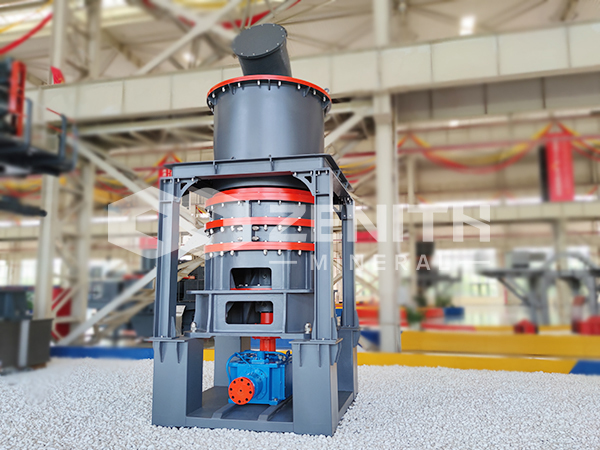
For a quartz grinding mill for glass industry in Turkey, two product lines are especially relevant. The first is the MTW Trapezium Grinding Mill, which can reduce crushed quartz down to a powder size from 1.6 mm to 0.045 mm. The second is the LUM Ultrafine Vertical Mill, which produces high-quality micronized quartz powder with D97 values between 5 and 30 microns. The following sections describe these two recommended machines in more detail.
Recommended Product I: MTW Trapezium Grinding Mill for Glass-Grade Quartz Sand
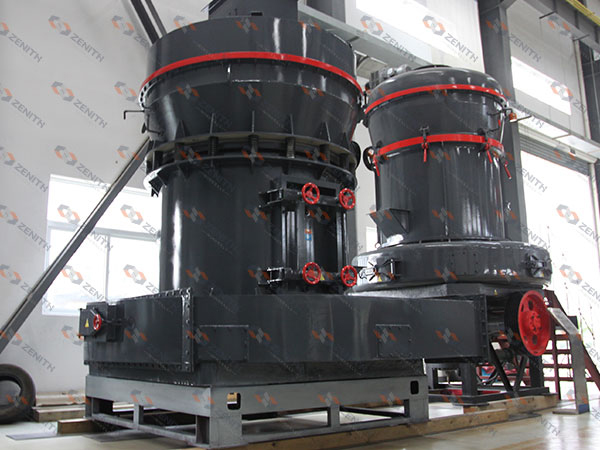
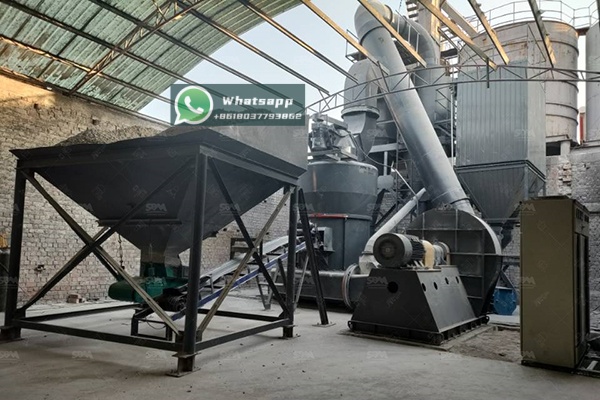
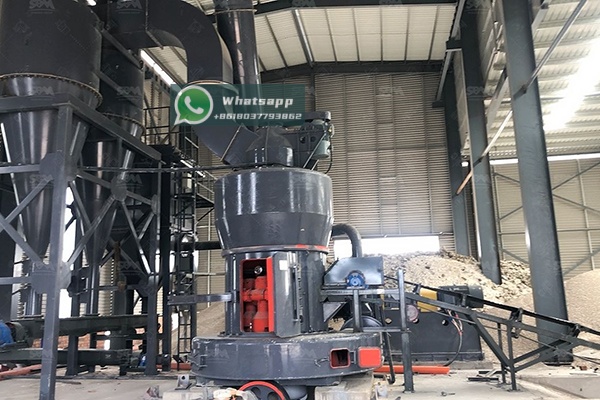
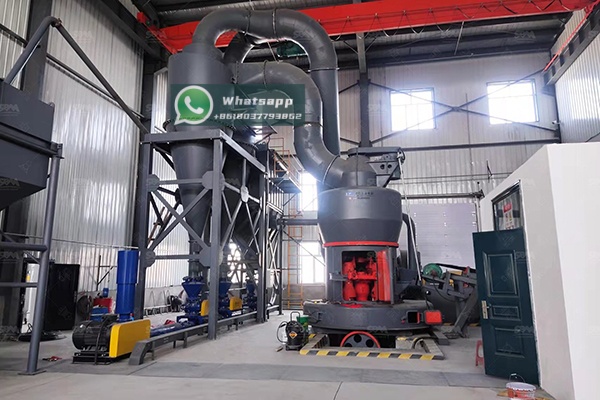
The MTW Trapezium Grinding Mill is a multi-patented grinding solution with compact structure, long service life and eco-friendly operation. It is designed for medium-hard and hard materials and is an excellent choice for processing quartz in a glass sand plant. With a maximum feed size of up to 50 mm, the mill can accept material coming directly from a primary crusher. Its final product size range of 1.6–0.045 mm corresponds well to the needs of glass sand preparation and coarse quartz powder production.
Turkish quartz processors need equipment that can work for long periods with high availability. The MTW series uses a trapezium grinding roller and ring design that increases grinding efficiency while reducing energy consumption. The built-in classifier ensures a more uniform product and minimises the return of oversized particles. For glass-grade sand, the mill can be configured to deliver a controlled particle distribution with fewer extreme fines.
| MTW Model | Max. Feed Size (mm) | Final Size (mm) | Capacity (t/h) | Main Motor (kW) |
|---|---|---|---|---|
| MTW110 | <30 | 1.6–0.045 | 3–9 | 55 |
| MTW138Z | <35 | 1.6–0.045 | 6–17 | 90 |
| MTW175G | <40 | 1.6–0.045 | 9.5–25 | 160 |
| MTW215G | <50 | 1.6–0.045 | 15–45 | 280 |
With the MTW Trapezium Grinding Mill, a Turkish plant can design production lines from 3 t/h to 45 t/h. Smaller models are excellent for pilot plants and specialised glass producers, while the MTW215G can support a large central quartz processing facility. Because the MTW system operates under negative pressure, it also helps reduce fugitive dust inside the plant.
Recommended Product II: LUM Ultrafine Vertical Mill for Quartz Powder
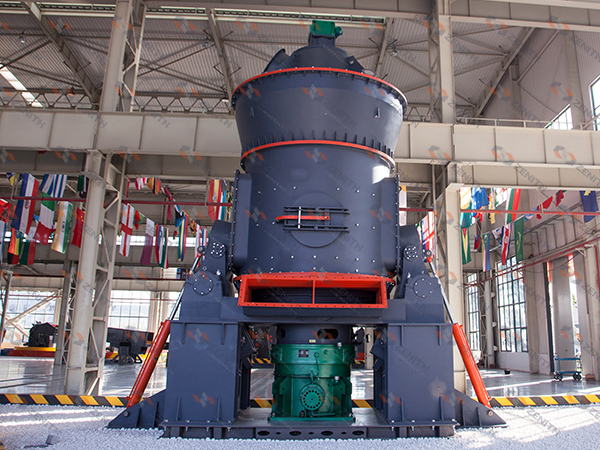
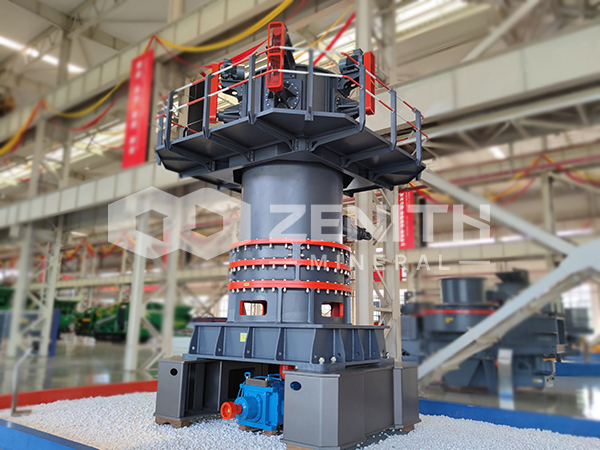
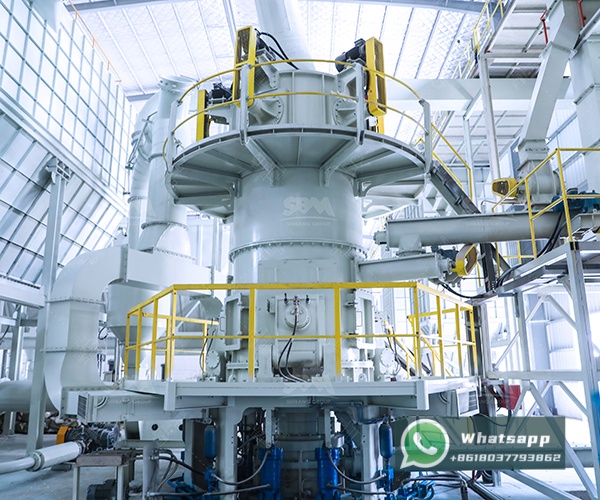
When glass production requires quartz flour finer than conventional sand, the LUM Ultrafine Vertical Mill is one of the most effective grinding machines available. This mill integrates grinding, drying, classifying and conveying in one compact unit. It was designed especially for superfine mineral powders and is ideal for grinding hard minerals such as quartz into a D97 range of 5–30 microns. For Turkish producers supplying advanced glass industries, the LUM mill can create custom-cut quartz flour that improves melting performance and product consistency.
The LUM Ultrafine Vertical Mill works with a dynamic classifier that continuously returns coarse particles for further grinding, so the final powder has a narrow particle size distribution. It also has intelligent control, making operation easier and reducing the need for constant manual adjustment. The vertical design gives a smaller floor footprint than many other grinding systems, which is an important advantage when building a plant inside an existing glass factory area.
| LUM Model | Main Machine Power (kW) | Capacity (t/h) | D97 Particle Size (μm) |
|---|---|---|---|
| LUM1525 | 220–250 | 1.6–11.5 | 5–30 |
| LUM1632 | 280–315 | 2.0–13.5 | 5–30 |
| LUM1836 | 355–400 | 2.3–15 | 5–30 |
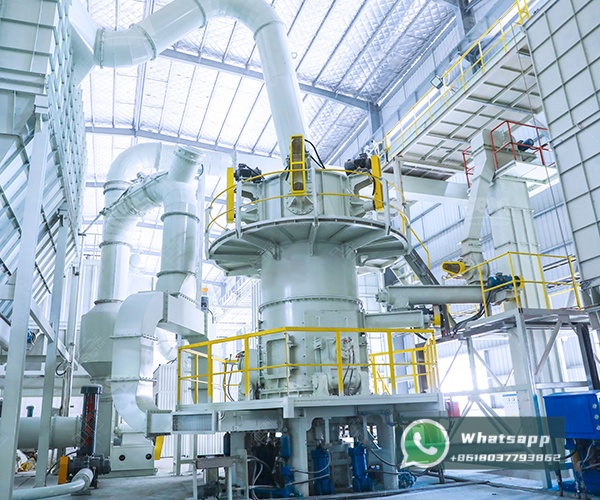
For Turkish glass companies, the LUM Ultrafine Vertical Mill offers an intelligent solution for high-value quartz powder products. The ability to adjust product fineness and maintain stable throughput makes it especially attractive for plants that must serve several customers, from glass container makers requiring 200-mesh powder to fibre-glass manufacturers demanding very fine material below 10 microns. In addition, because the LUM mill combines several process steps in a single machine, the entire grinding station requires less conveying equipment and simpler plant layout.
Why Zenith Is the Right Partner for Quartz Grinding in Turkey
Shanghai Zenith Machinery Co., Ltd. has for many years concentrated on the research, development and production of industrial powder grinding equipment. The company has built a complete portfolio that includes ball mills, Raymond mills, vertical mills, ultrafine mills and hammer mills. This broad experience helps engineers recommend the correct machine according to feed particle size, required output fineness, capacity target and site constraints.
Choosing the right quartz grinding mill for the glass industry in Turkey is not a one-size-fits-all decision. For producers focused on glass sand and coarse powder, the MTW Trapezium Grinding Mill provides robust construction, high availability and the ability to process feed sizes up to 50 mm. For producers targeting micronized quartz flour, the LUM Ultrafine Vertical Mill offers compact scale, integrated classification and advanced control, with D97 values from 5 to 30 microns. Many Turkish operations may even install both types in one plant to serve different market segments.
Conclusion
Turkey’s glass industry will continue to demand high-quality quartz materials processed with clean, reliable and energy-efficient grinding technology. Shanghai Zenith Machinery Co., Ltd. supplies advanced ore grinding equipment that can help Turkish quartz processors meet the strict requirements of glassmakers. By choosing the MTW Trapezium Grinding Mill for glass-grade sand and the LUM Ultrafine Vertical Mill for micro-fine quartz powder, producers can build a versatile, future-ready quartz grinding plant. For any new project in Turkey, discussing process parameters with Zenith’s engineers is the first step toward lower operating costs and consistent glass-grade quartz products.
Key Equipment
Want This Solution for Your Project?
Contact us for a customized quotation and technical proposal.
Interested in This Solution?
Send us a message and our engineers will get back to you within 24 hours.