Introduction
Kenya is experiencing steady growth in urban construction, affordable housing, commercial real estate, and interior finishing. Ceiling boards, especially gypsum ceiling boards, have become a preferred material because they are lightweight, fire-resistant, easy to install, and provide smooth surfaces. The production of high-quality ceiling boards depends heavily on gypsum powder, also known as stucco or calcined gypsum. The powder must have consistent fineness, low moisture, stable setting time, and good strength development. Therefore, choosing the right gypsum grinding mill is a strategic decision for any ceiling board manufacturer in Kenya.
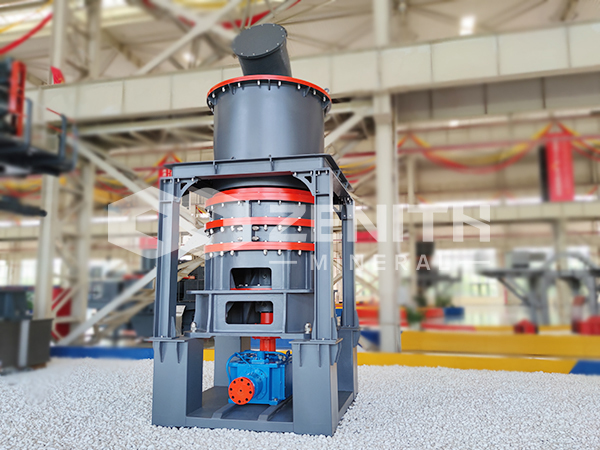
Shanghai Zenith Machinery Co., Ltd. is an excellent manufacturer of ore grinding equipment in China and has made great achievements in the field of ultra-fine powder grinding. For Kenyan gypsum processors, Zenith offers robust grinding solutions such as the MTW Trapezium Grinding Mill and the LM Vertical Grinding Mill. These machines can convert natural gypsum into ceiling board powder with reliable capacity, accurate fineness control, and low operating cost.
Why Gypsum Powder Quality Matters for Ceiling Board Production
Gypsum ceiling boards are manufactured by mixing calcined gypsum powder with water, additives, and paper liners. The hydration reaction forms a rigid gypsum core. If the powder is too coarse, the core may have weak bonding, rough texture, and inconsistent density. If the powder is too fine, water demand may increase, setting time may shorten, and production costs may rise. Most ceiling board producers target a fineness between 100 and 200 mesh, with a controlled particle size distribution. In many plants, the requirement can be expressed as 95% passing 100 mesh and 70% to 80% passing 200 mesh, depending on board thickness and formulation.
Moisture is another critical factor. Natural gypsum in Kenya may contain surface moisture and combined water. Efficient grinding and drying help stabilize the calcination process and prevent clogging, caking, and blockages in silos. A well-designed grinding circuit also minimizes dust, noise, and energy waste, which is important for factories near Nairobi, Mombasa, Kisumu, Nakuru, and other growing urban centers.
Gypsum Market and Production Conditions in Kenya
Kenya has gypsum resources in several regions, including Garissa, Turkana, Mandera, and Kajiado. Local mining and imports support a growing number of ceiling board and plaster plants. However, rising electricity costs, logistics expenses, and strict environmental expectations make equipment efficiency more important than ever. A grinding mill that offers high throughput per kilowatt, stable operation, and easy maintenance can significantly reduce the cost per ton of ceiling board powder.
Key Selection Criteria for Gypsum Grinding Mills in Kenya
Capacity and Scalability
Small ceiling board plants often require 3 to 10 tons per hour. Medium plants may need 10 to 25 tons per hour, while large integrated board factories can require 25 to 70 tons per hour or more. The grinding mill should be selected with some reserve capacity to allow future expansion without replacing the entire system.
Fineness and Particle Size Distribution
For standard ceiling board powder, 0.150 mm to 0.075 mm (100 to 200 mesh) is a common target. The mill must allow quick and reliable adjustment. Zenith mills such as the MTW Trapezium Grinding Mill and LM Vertical Grinding Mill provide flexible fineness control, with final products ranging from coarse powder to fine powder.
Energy Efficiency and Operating Cost
Grinding is one of the most energy-intensive steps in gypsum processing. Vertical mills and advanced trapezium mills can reduce power consumption per ton. They also require less floor space, simplify material conveying, and reduce maintenance downtime.
Dust Control and Environmental Compliance
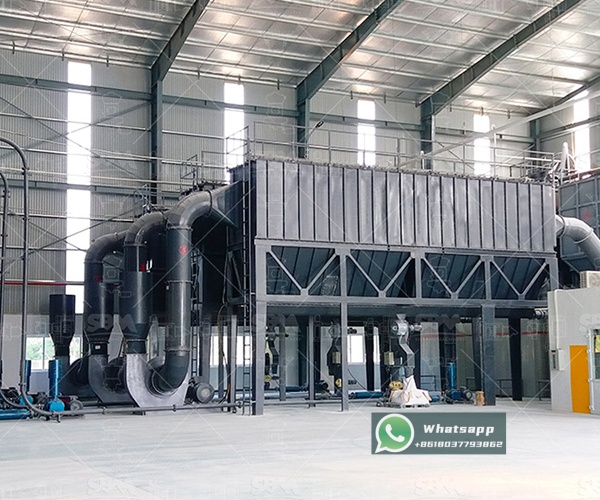
Gypsum dust can affect air quality and worker health. Modern grinding systems should be equipped with pulse-jet bag filters, enclosed conveyors, and negative-pressure operation. This helps Kenyan producers meet environmental regulations and maintain a clean workplace.
Recommended ZENITH Grinding Mills for Ceiling Board Powder
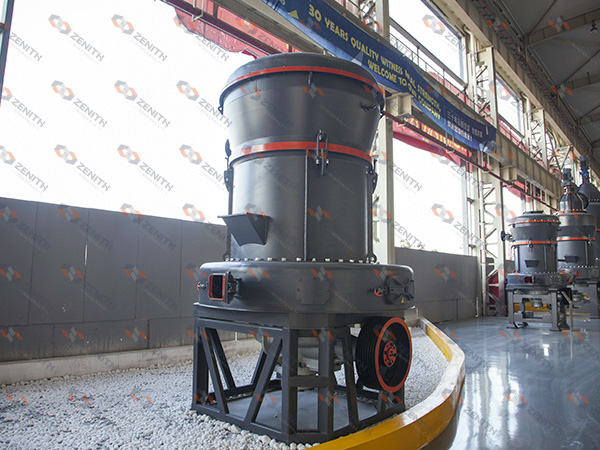
MTW Trapezium Grinding Mill: Flexible and Reliable for Medium-Scale Plants
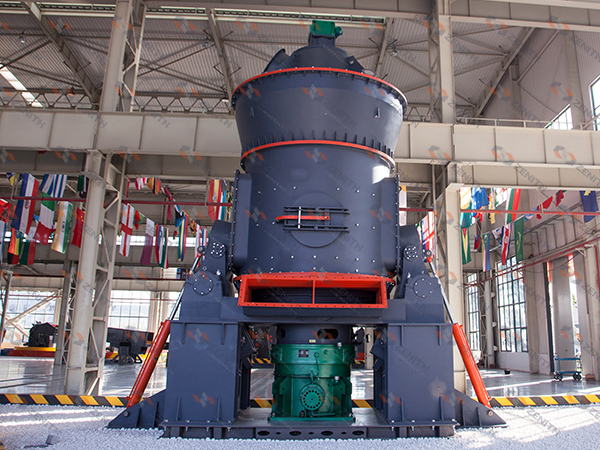
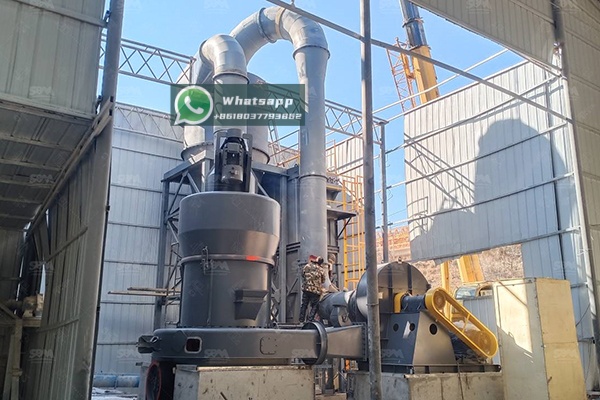
Shanghai Zenith’s MTW Trapezium Grinding Mill is a patented product known for its compact structure, long service life, and eco-friendly design. It is suitable for processing materials with a maximum input size of 50 mm and can produce a final product as fine as 0.038 mm. For gypsum ceiling board powder, the MTW series offers accurate fineness control and stable capacity.
| Model | Max. Feed Size (mm) | Final Size (mm) | Capacity (t/h) | Main Motor (kW) |
|---|---|---|---|---|
| MTW110 | <30 | 1.6-0.045 | 3-9 | 55 |
| MTW138Z | <35 | 1.6-0.045 | 6-17 | 90 |
| MTW175G | <40 | 1.6-0.045 | 9.5-25 | 160 |
| MTW215G | <50 | 1.6-0.045 | 15-45 | 280 |
For a medium-sized ceiling board powder line in Kenya, Zenith recommends the MTW138Z or MTW175G. The MTW138Z produces 6-17 t/h, making it ideal for a growing plant. The MTW175G offers 9.5-25 t/h for larger production requirements. Both models can be equipped with a high-efficiency classifier and pulse-jet dust collector to ensure clean operation and consistent product quality.
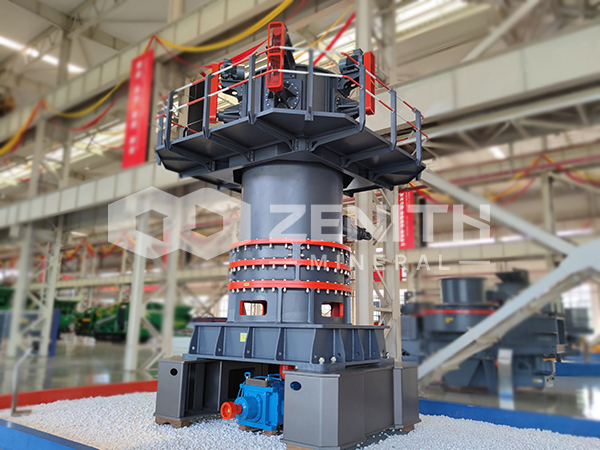
LM Vertical Grinding Mill: High-Capacity and Energy-Saving for Large Plants
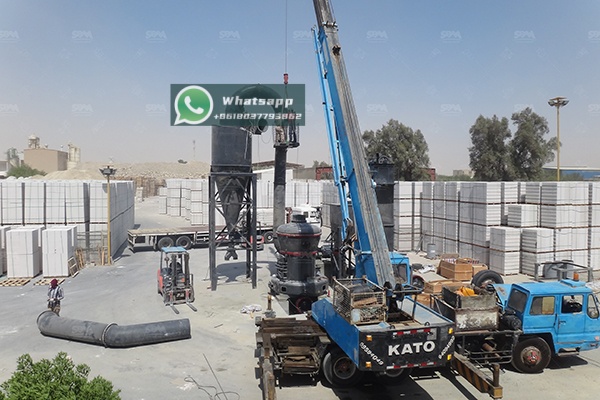
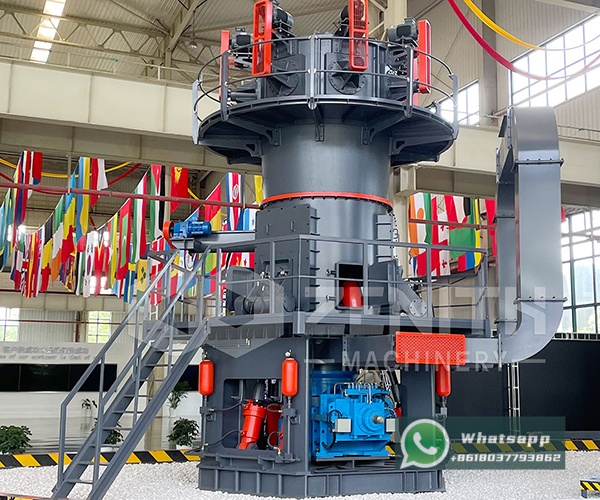
The LM Vertical Grinding Mill integrates crushing, grinding, powder selection, drying, and material conveying into a single machine. It occupies a small area, produces fine final powder, and is an eco-friendly production solution. For large ceiling board factories in Kenya, the LM series can deliver high capacity with low specific energy consumption.
| Model | Plate Diameter (mm) | Capacity (t/h) | Output Fineness (μm) | Max Feed Size (mm) | Main Motor (kW) |
|---|---|---|---|---|---|
| LM130K | 1300 | 10-28 | 170-40 | <38 | 200 |
| LM190K | 1900 | 23-68 | 170-40 | <45 | 500 |
| LM280K | 2800 | 50-170 | 170-45 | <50 | 1250 |
For a high-capacity gypsum grinding line, the LM190K is an excellent choice. It can produce 23-68 t/h of gypsum powder with fineness from 170 to 40 μm, covering the typical range required for ceiling board production. The LM vertical mill can use hot air to dry raw gypsum while grinding, which is valuable in Kenya where feed moisture may vary. If the project requires a smaller capacity, the LM130K provides 10-28 t/h and remains an efficient and reliable option.
How to Configure a Complete Gypsum Grinding Line for Ceiling Board Powder
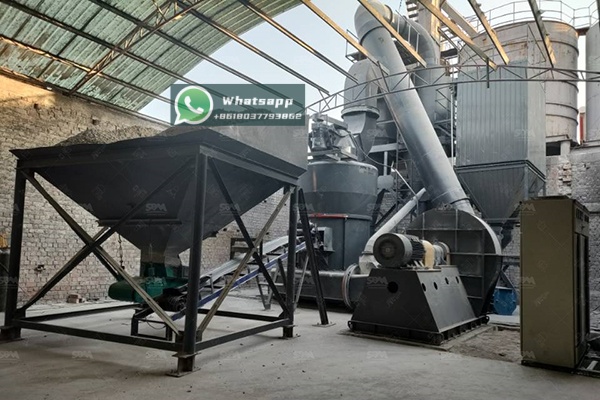
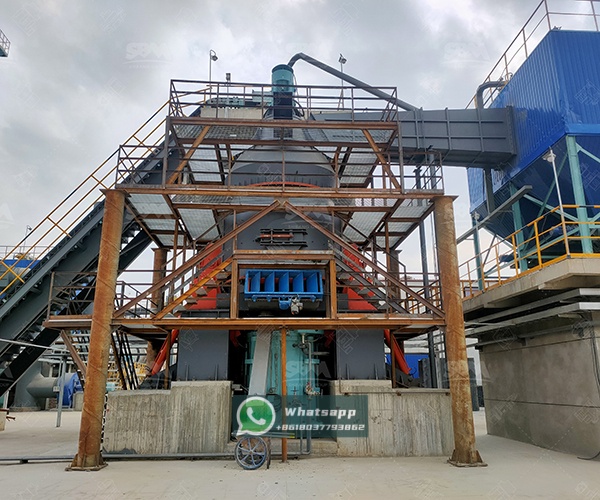
A typical gypsum ceiling board powder line includes raw material storage, crushing, grinding, calcination, cooling, storage, and packing. A jaw crusher or hammer mill reduces gypsum rock to below 30-50 mm. The grinding mill then produces the required fineness. Calcination is usually carried out in a kettle, rotary kiln, or fluidized bed calciner at around 150-180°C to convert dihydrate gypsum into hemihydrate stucco. In some processes, grinding is performed before calcination to improve heat transfer and reaction uniformity. In others, calcined stucco is ground again to break agglomerates and adjust fineness.
Material handling should be enclosed, and bucket elevators, screw conveyors, and air slides should be selected according to capacity. A pulse-jet dust collector should be installed at the mill outlet, packing station, and transfer points. Automation with PLC control can monitor feed rate, mill current, outlet temperature, and product fineness. This reduces labor and improves product consistency.
Why Choose Shanghai Zenith Machinery
Shanghai Zenith Machinery Co., Ltd. specializes in the research, development, and production of industrial powder grinding equipment and related devices. The company’s main products include MTW Trapezium Grinding Mill, Ball Mill, MTM Medium-Speed Grinding Mill, Raymond Mill, LM Vertical Grinding Mill, LUM Ultrafine Vertical Mill, XZM Ultrafine Grinding Mill, and Hammer Mill. With advanced manufacturing facilities, strict quality control, and continuous innovation, Zenith has become a trusted supplier for mineral processing and powder production projects worldwide.
For Kenyan customers, Zenith can provide customized process design, equipment selection, layout drawings, installation guidance, commissioning support, operator training, and spare parts supply. Whether you are setting up a small ceiling board plant near Nairobi or a large gypsum powder line in Mombasa, the technical team can recommend the most suitable mill based on your raw material, capacity, fineness, fuel, and budget.
Conclusion
Kenya’s ceiling board industry continues to expand, driven by urbanization, housing demand, and modern interior design. Producing high-quality ceiling board powder requires a reliable, efficient, and environmentally responsible grinding mill. Shanghai Zenith’s MTW Trapezium Grinding Mill and LM Vertical Grinding Mill are excellent choices for Kenyan gypsum processors. The MTW series offers flexibility and precision for medium-scale production, while the LM series delivers high capacity and integrated drying for large plants. By selecting the right equipment and configuring a complete grinding line, investors can achieve consistent product quality, lower operating costs, and long-term profitability.
For more information about gypsum grinding mills for ceiling board powder in Kenya, contact Shanghai Zenith Machinery today. Our engineers will help you choose the right model, prepare a technical proposal, and build a competitive gypsum powder production line.
Key Equipment
Want This Solution for Your Project?
Contact us for a customized quotation and technical proposal.
Interested in This Solution?
Send us a message and our engineers will get back to you within 24 hours.