
Introduction
Bangladesh has one of the fastest-growing livestock, poultry, and aquaculture sectors in South Asia. As feed production increases, so does demand for reliable mineral additives, especially feed grade phosphate powder. Phosphorus is essential for bone development, eggshell quality, milk production, and metabolic functions. Feed manufacturers and mineral premix producers in Bangladesh are therefore looking for efficient phosphate rock grinding mills that can convert imported phosphate rock into consistent feed grade powder. Shanghai Zenith Machinery Co., Ltd., an excellent manufacturer of ore grinding equipment in China, provides advanced grinding solutions for this growing market.
Why Feed Grade Phosphate Rock Powder Matters in Bangladesh
Feed grade phosphate is used as a source of calcium and phosphorus in compound feed. While purified products such as dicalcium phosphate (DCP) and monocalcium phosphate (MCP) dominate premium feed formulations, ground phosphate rock can be used in selected mineral supplements when its chemical composition and particle size meet strict standards. In Bangladesh, local grinding of imported phosphate rock can reduce logistics costs, improve supply flexibility, and support regional feed mills, premix plants, and aquaculture feed producers.
Key Quality Requirements
- Consistent P2O5 content and controlled calcium to phosphorus ratio.
- Low levels of fluorine, cadmium, lead, arsenic, and other heavy metals.
- Low moisture to prevent caking, corrosion, and microbial growth.
- Proper fineness, often between 80 mesh and 325 mesh, depending on the formulation.
- Good flowability for accurate dosing and uniform mixing in feed.
Because feed grade powder directly affects animal health and feed safety, the grinding circuit must deliver stable particle size distribution, minimal contamination, and reliable dust control. This is where professional grinding equipment becomes critical.
Grinding Challenges for Phosphate Rock
Phosphate rock is generally a medium-hard, abrasive, and sometimes moist material. In Bangladesh, high humidity during the monsoon season can make storage and grinding more difficult. Common challenges include wear on grinding rollers and rings, powder build-up in the mill, inconsistent fineness, high energy consumption, and dust emission. If the raw rock contains excessive moisture, a drying step or an integrated drying-grinding system may be required. Feed producers also need to avoid iron contamination, because metal particles can reduce feed quality and damage downstream equipment.
Recommended Solution: Shanghai Zenith Grinding Mills
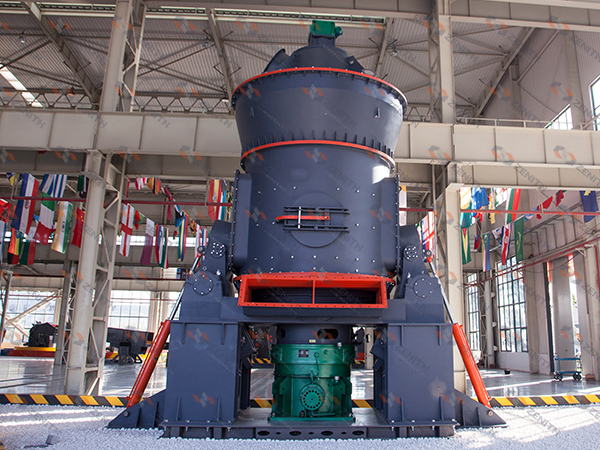
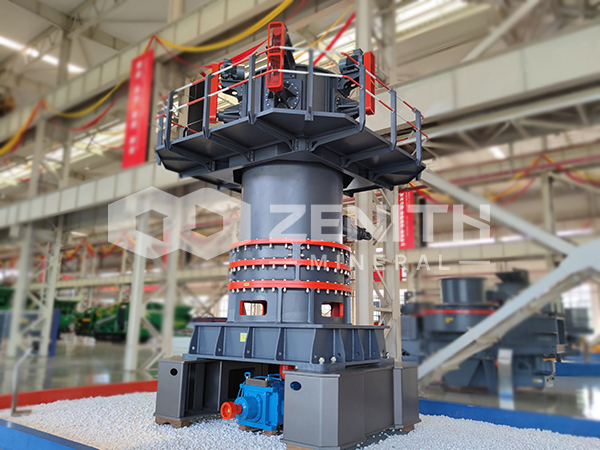
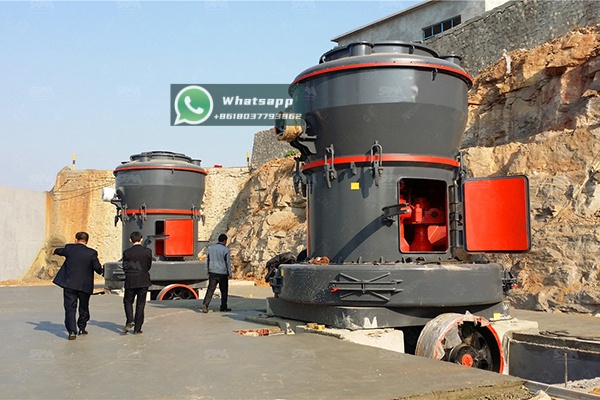
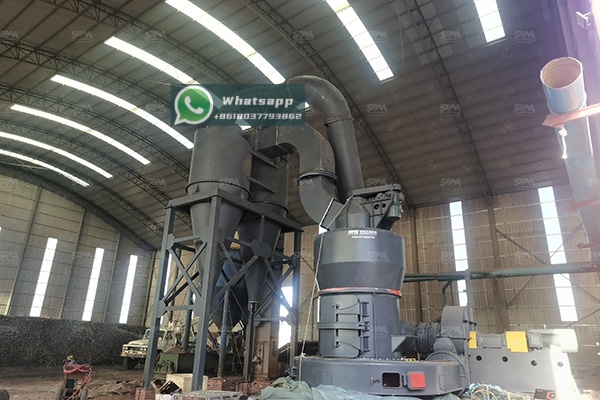
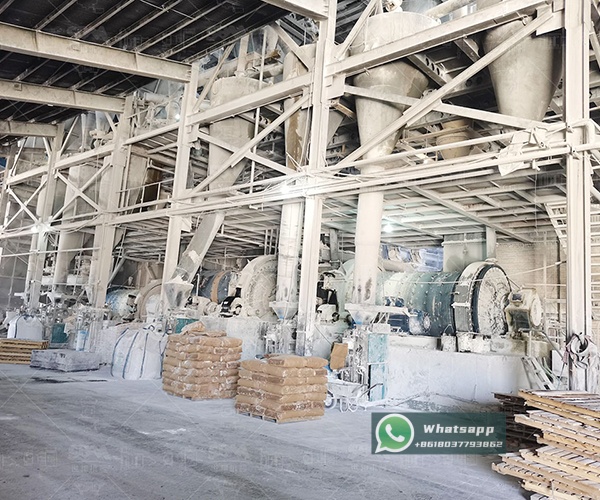
Shanghai Zenith Machinery Co., Ltd. specializes in research, development, and production of industrial powder grinding equipment. The company has made great achievements in ultra-fine powder grinding and offers a complete range of mills, including MTW Trapezium Grinding Mill, Ball Mill, MTM Medium-Speed Grinding Mill, Raymond Mill, LM Vertical Grinding Mill, LUM Ultrafine Vertical Mill, XZM Ultrafine Grinding Mill, and Hammer Mill.
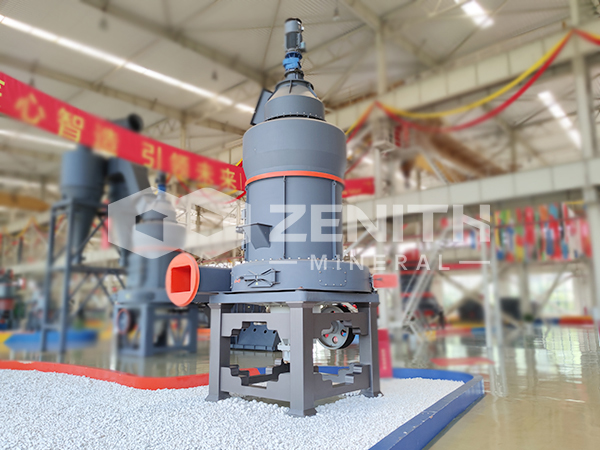
For feed grade phosphate rock powder in Bangladesh, two Zenith products are highly recommended: the MTW Trapezium Grinding Mill for medium to large-scale production, and the XZM Ultrafine Grinding Mill for high-fineness and specialty powder applications.
MTW Trapezium Grinding Mill
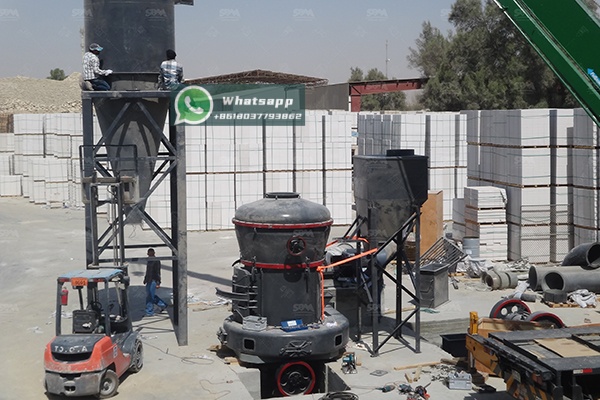
The MTW Trapezium Grinding Mill is a patented grinding mill known for its compact structure, long service life, and eco-friendly design. It is suitable for processing materials with a maximum input size of 50 mm and can produce a final product as fine as 0.038 mm. For feed grade phosphate rock, models such as MTW138Z, MTW175G, and MTW215G offer an excellent balance of capacity, fineness control, and energy efficiency.
Key advantages include an optimized grinding chamber, curved shovel blades, a high-efficiency powder separator, and a reliable transmission system. The mill can be equipped with a pulse dust collector to meet strict dust emission requirements. Its final product fineness is adjustable, making it suitable for producing 80-325 mesh feed phosphate powder with stable quality.
| Model | Max. Feed Size (mm) | Final Size (mm) | Capacity (t/h) | Main Motor (kW) |
|---|---|---|---|---|
| MTW138Z | <35 | 1.6-0.045 | 6-17 | 90 |
| MTW175G | <40 | 1.6-0.045 | 9.5-25 | 160 |
| MTW215G | <50 | 1.6-0.045 | 15-45 | 280 |
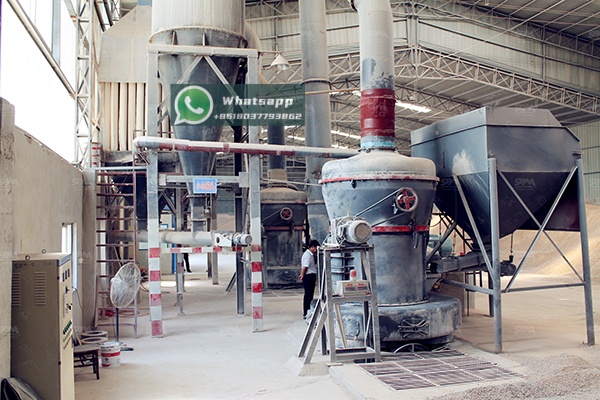
For a typical feed phosphate grinding plant in Bangladesh, an MTW138Z or MTW175G can be integrated with a jaw crusher, bucket elevator, storage silo, feeder, classifier, cyclone, pulse dust collector, and packing system. This creates a complete production line from raw phosphate rock to bagged feed grade powder.
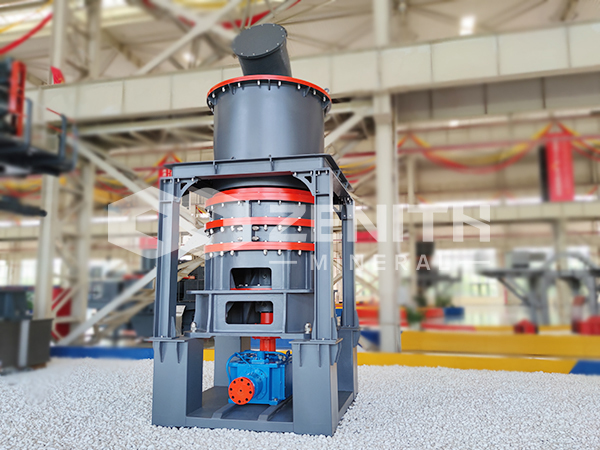
XZM Ultrafine Grinding Mill
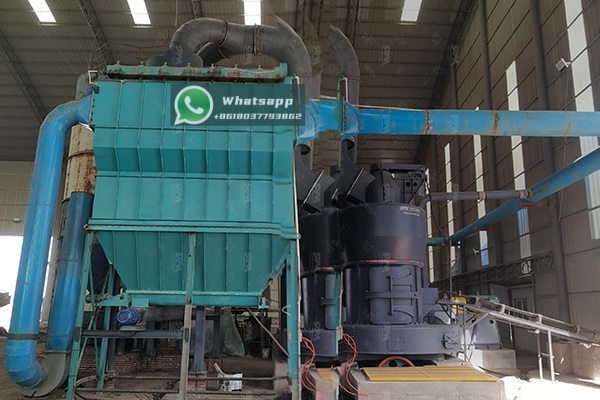
When the market requires ultra-fine feed grade phosphate powder or special mineral premixes, the XZM Ultrafine Grinding Mill is an ideal choice. It is widely used for superfine powder production and can grind soft or medium-hard materials with moisture content below 6%. The XZM series can achieve an output fineness of 325-2500 mesh, with capacities from 500 kg/h to 25,000 kg/h depending on the model.
| Model | Working Diameter (mm) | Max. Feed Size (mm) | Final Size (mesh) | Output (kg/h) | Main Motor (kW) |
|---|---|---|---|---|---|
| XZM221 | Φ800 | ≤20 | 325-2500 | 500-4500 | 75 |
| XZM268 | Φ1680 | ≤20 | 325-2500 | 5000-25000 | 315 |
The XZM mill is especially useful for feed producers who need a finer powder for suspension, liquid feed, or premium mineral mixes. Its closed-loop system and advanced classifier help control top size, while the dust collection system supports a cleaner working environment.
How to Select the Right Mill for Bangladesh
Selecting a phosphate rock grinding mill depends on several factors: required output, target fineness, raw material moisture, chemical composition, available power, and future expansion plans. For a small feed mill producing 1-5 t/h, the MTW110 or Raymond Mill may be sufficient. For medium-scale production of 6-17 t/h, the MTW138Z is a strong choice. For larger operations requiring 10-25 t/h or more, the MTW175G or MTW215G can provide higher capacity and better energy efficiency.
If the target product is finer than 325 mesh, or if the application demands ultra-fine powder, the XZM221 or XZM268 should be considered. In many Bangladeshi projects, a two-stage solution is effective: coarse crushing and drying first, followed by MTW grinding for standard feed grade powder, and XZM grinding for premium ultra-fine grades.
Installation and Operation Notes
Proper installation is essential for long-term performance. The grinding plant should be located in a dry, well-ventilated area with enough space for raw material storage, finished product storage, and truck access. A magnetic separator before the mill can remove tramp iron and protect the grinding parts. Moisture control is critical; if the phosphate rock contains more than 6% moisture, a dryer or an integrated drying system may be needed.
Regular maintenance should include checking roller and ring wear, lubricating the transmission system, inspecting the classifier blades, and cleaning the dust collector. In Bangladesh, where power supply can sometimes be unstable, it is wise to select a mill with reliable motor protection and consider a backup generator for critical production periods. Shanghai Zenith provides technical support, spare parts, installation guidance, and operator training to help customers achieve stable production.
Conclusion
Bangladesh’s feed industry continues to expand, and feed grade phosphate powder will remain an important mineral additive for poultry, livestock, and aquaculture. Choosing the right grinding mill can improve product quality, reduce energy costs, and increase profitability. Shanghai Zenith Machinery Co., Ltd. offers proven solutions such as the MTW Trapezium Grinding Mill and XZM Ultrafine Grinding Mill, both suitable for phosphate rock processing in Bangladesh. With the right equipment, layout, and operating practices, local producers can supply consistent feed grade phosphate powder to meet growing market demand.
Key Equipment
Want This Solution for Your Project?
Contact us for a customized quotation and technical proposal.
Interested in This Solution?
Send us a message and our engineers will get back to you within 24 hours.