
Talc Grinding Mill for Plastic and Paint Filler in Egypt
Egypt has long been recognized for its mineral resources, and talc is among the industrial minerals that attract growing attention from manufacturers of plastics, paints, and coatings. As a functional filler, talc can improve stiffness, dimensional stability, heat resistance, and surface finish in plastic compounds, while in paints it acts as an extender that enhances opacity, durability, and rheological behavior. To convert raw talc into a competitive filler, the grinding stage is critical. This article reviews the key requirements for talc grinding in Egypt and introduces two proven solutions from Shanghai Zenith Machinery Co., Ltd. for producing high-quality plastic and paint filler.
Why Talc Is Used in Plastics and Paints
In plastics, talc is valued for its lamellar structure. Properly ground talc platelets can reinforce polypropylene and other polymers, improving tensile strength, creep resistance, and dimensional stability. The filler also helps reduce shrinkage and can shorten cycle times. For masterbatch and compounding applications, the talc must be dry, free of coarse particles, and have a controlled particle size distribution. In paints, talc is used as an extender pigment. Its plate-like particles improve film strength, prevent sagging, and reduce the amount of expensive titanium dioxide required. High brightness and low oil absorption are important, and the powder must be fine enough to remain suspended without causing excessive viscosity.
Grinding Requirements for Talc Filler in Egypt
Egyptian talc deposits vary in purity, hardness, and associated minerals. A suitable grinding system must handle these variations while delivering consistent fineness. For plastic filler, typical specifications range from 325 mesh to 1250 mesh, with D97 values often between 10 and 45 microns. Paint fillers may require similar or finer sizes, and some premium coatings demand D97 below 10 microns. Over-grinding should be avoided because it increases energy consumption and can change particle shape, reducing the reinforcing effect of the talc platelets.
Other requirements include efficient dust collection, low noise, and reliable operation in Egypt’s hot and dry climate. Because talc is soft, the mill should be designed for stable operation, easy maintenance, and minimal contamination. Producers also need scalable capacity, from small pilot lines to large industrial plants, and a layout that fits available space.
Recommended Solution 1: MTW Trapezium Grinding Mill
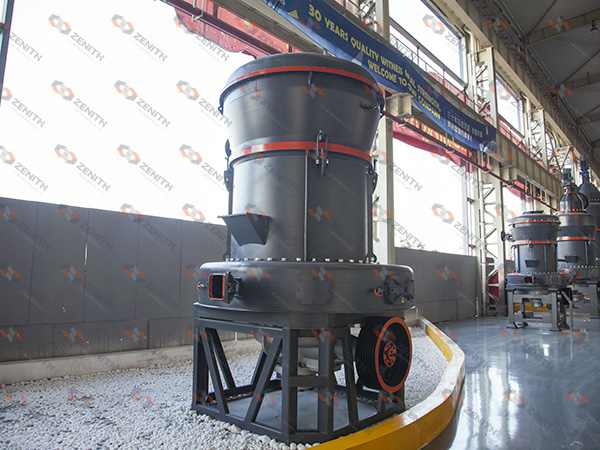
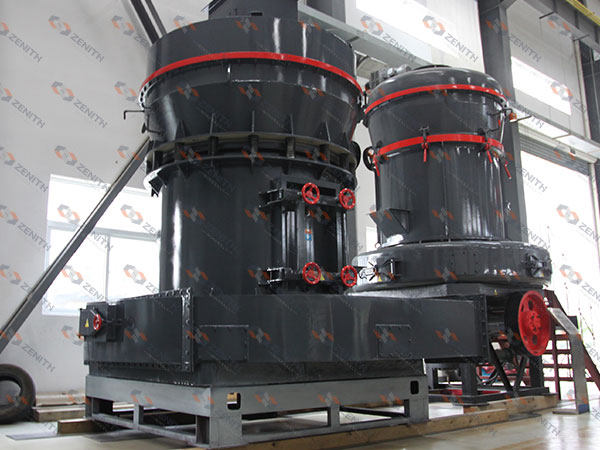
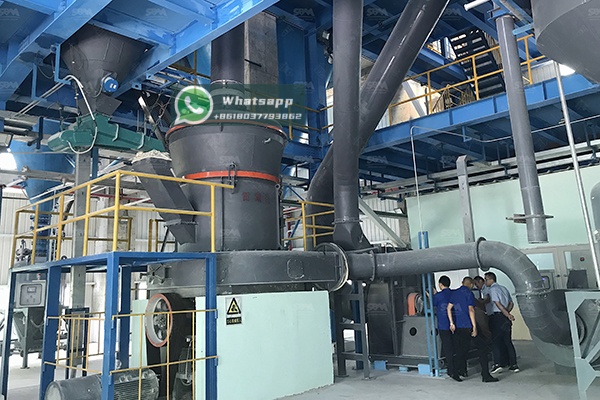
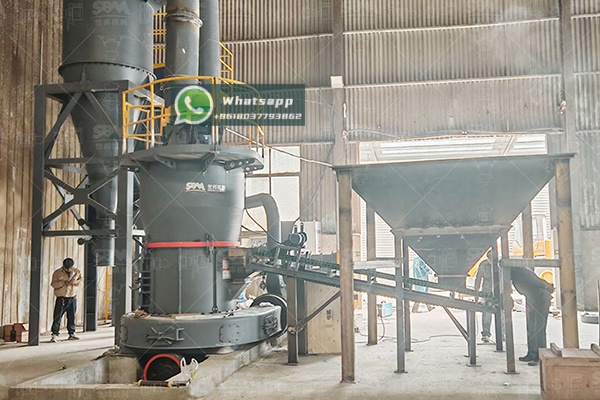
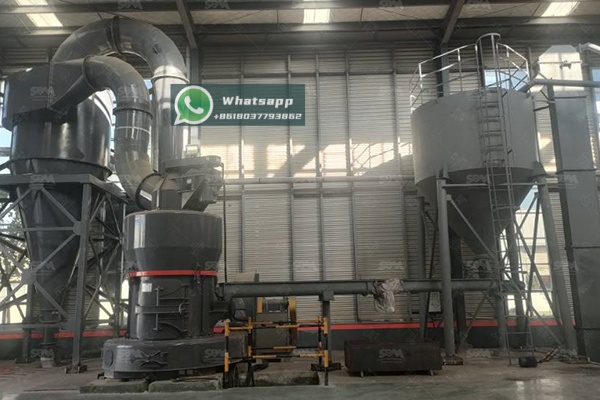
Shanghai Zenith Machinery Co., Ltd. is an experienced manufacturer of ore grinding equipment in China and has achieved significant results in ultra-fine powder grinding. Among its product range, the MTW Trapezium Grinding Mill is an excellent choice for talc filler production in Egypt. The MTW mill features multiple patents, a compact structure, a long service life, and an eco-friendly design. It can accept feed sizes up to 50 mm and produce final products as fine as 0.038 mm, which covers the common requirements for plastic and paint filler.
For Egyptian producers targeting medium to large output, the MTW138Z and MTW175G models offer practical capacity ranges. The MTW138Z has a capacity of 6 to 17 t/h with a main motor of 90 kW and a fan motor of 110 kW, while the MTW175G delivers 9.5 to 25 t/h with a 160 kW main motor and a 200 kW fan motor. The larger MTW215G can reach 15 to 45 t/h when high-volume production is needed. The mill uses an efficient classifier, curved air duct, and integrated dust collection to produce a stable particle size distribution with low energy consumption.
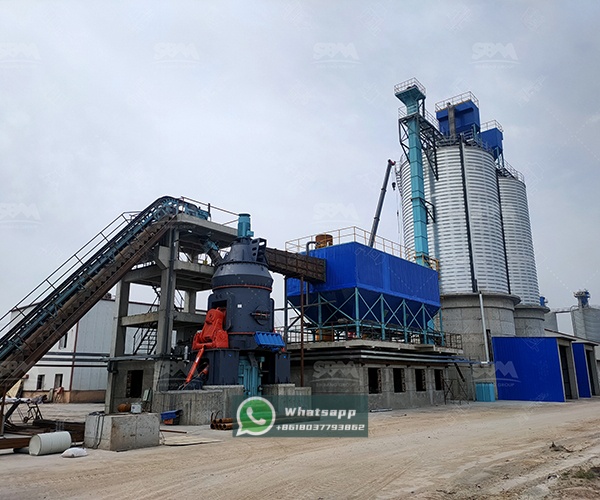
For a typical Egyptian talc processing line, the MTW mill can be combined with a jaw crusher, bucket elevator, hopper, and pulse-jet dust collector. The result is a compact grinding plant that is easy to operate and maintain. The MTW mill is particularly suitable for producing 325 mesh and finer talc for plastic compounding and general paint fillers.
Recommended Solution 2: LUM Ultrafine Vertical Mill
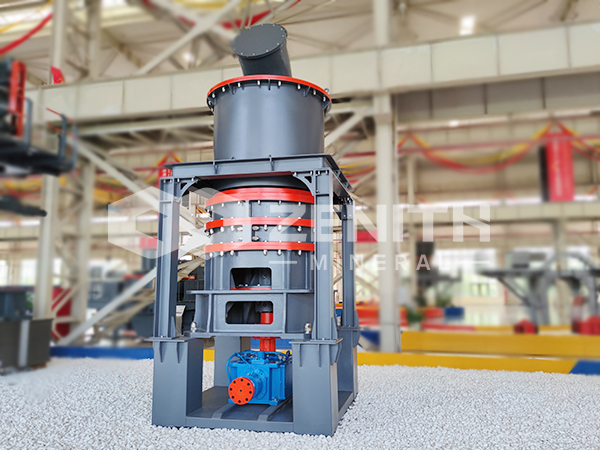
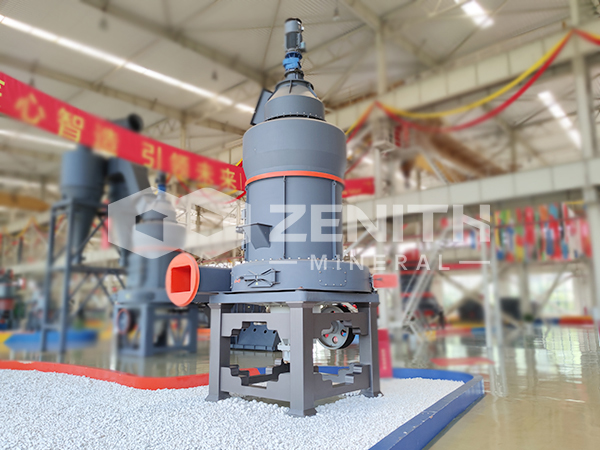
When the application requires higher fineness, such as premium paint fillers or high-performance plastic compounds, the LUM Ultrafine Vertical Mill is an ideal choice. The LUM mill integrates grinding, drying, classifying, and transportation in one machine and occupies minimal space. It is designed to produce a high content of end-fines and features intelligent control for easier maintenance.
The LUM series includes models such as the LUM1525, LUM1632, and LUM1836, with capacities from 1.6 to 15 t/h and product fineness (D97) from 5 to 30 microns. This makes it possible to produce talc powder in the range of roughly 500 to 2500 mesh, depending on the target specification. The vertical design ensures uniform grinding and efficient classification, while the integrated drying function helps handle minor moisture in the feed. The LUM mill is recommended for Egyptian producers who need to supply high-value paint fillers or specialty plastic masterbatches.
Complete Plant and Local Support
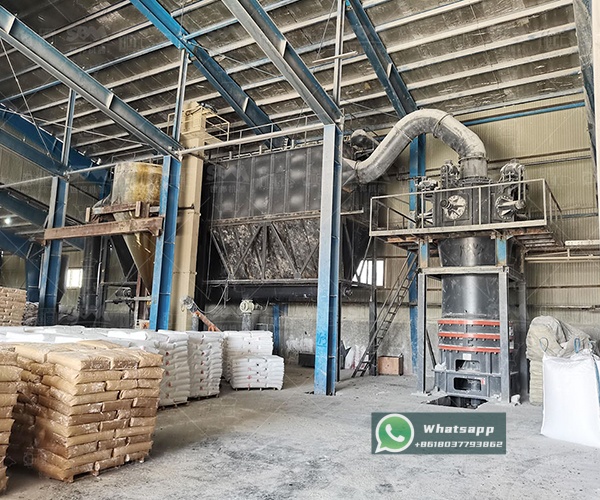
Shanghai Zenith provides more than individual machines. The company designs complete talc grinding plants that include crushing, feeding, grinding, classification, dust collection, conveying, and automatic control. Engineers can configure the plant according to the specific talc source in Egypt, the required product fineness, and the target capacity. This system approach helps reduce installation time, improve operational efficiency, and ensure consistent quality.
For Egyptian customers, Zenith offers technical consultation, process testing, equipment selection, and after-sales support. Spare parts and wear components are designed for long service life, and the modular structure of the MTW and LUM mills simplifies maintenance. Training can be provided for local operators to ensure safe and efficient production.
Conclusion
The market for talc filler in Egypt’s plastics and paint industries is growing, and the right grinding technology can make a significant difference in product quality and profitability. The MTW Trapezium Grinding Mill is a reliable solution for 325 mesh and finer talc filler, while the LUM Ultrafine Vertical Mill meets the demand for premium ultrafine powder. By selecting the appropriate Zenith mill and complete plant configuration, Egyptian manufacturers can produce high-quality talc fillers with low energy consumption and stable operation.
Key Equipment
Want This Solution for Your Project?
Contact us for a customized quotation and technical proposal.

Interested in This Solution?
Send us a message and our engineers will get back to you within 24 hours.