Introduction
Bangladesh is one of the most dynamic cement markets in South Asia. Rapid urbanization, infrastructure development, and coastal protection projects continue to push demand for cement. However, the country has limited natural resources of high-grade limestone and relies heavily on imported clinker. This reality makes blended cement—such as Portland composite cement (PCC), Portland slag cement, and Portland fly ash cement—increasingly attractive. Blended cement reduces clinker factor, lowers production cost, improves sustainability, and can enhance durability. A reliable cement clinker mill is therefore central to any blended cement grinding station in Bangladesh.
Why Blended Cement Is Important in Bangladesh
Blended cement combines Portland cement clinker with supplementary cementitious materials (SCMs) such as fly ash, ground granulated blast furnace slag (GGBFS), limestone, and natural pozzolans. In Bangladesh, fly ash is available from coal-fired power plants, while slag and gypsum are often imported. Limestone is also used as a filler in controlled amounts. By substituting a portion of clinker, producers can reduce energy consumption and CO2 emissions per tonne of cement. For a country with high import dependence and competitive pricing, blended cement offers a practical route to cost control without sacrificing performance. It also helps manage the heat of hydration in mass concrete, which is common in bridges, roads, and industrial projects.
Key Requirements for Clinker Grinding in Blended Cement Production
A modern clinker mill for blended cement must handle several challenges. First, it must grind clinker, which is abrasive and can be hot, to a consistent fineness, usually between 300 and 400 m2/kg Blaine, depending on the cement type. Second, it must dry and grind SCMs that may contain moisture, especially during the monsoon season. Third, it must allow flexible proportioning of clinker, fly ash, slag, limestone, and gypsum. Fourth, it must operate with low specific power consumption because energy is a major cost in Bangladesh. Finally, it must comply with environmental regulations, including dust emission limits and noise control. A well-designed grinding circuit should therefore integrate drying, grinding, classification, and material transport in a compact and automated system.
Recommended Equipment from Shanghai Zenith Machinery
Shanghai Zenith Machinery Co., Ltd. is an excellent manufacturer of ore grinding equipment in China and has made great achievements in the field of ultra-fine powder grinding. The company specializes in research, development, and production of industrial powder grinding equipment. For blended cement producers in Bangladesh, Zenith recommends two products: the LM Vertical Grinding Mill and the MTW Trapezium Grinding Mill.
LM Vertical Grinding Mill: The Core Clinker Mill for Blended Cement
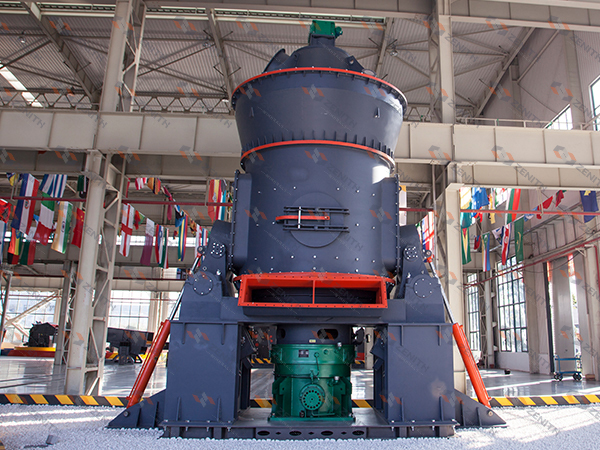
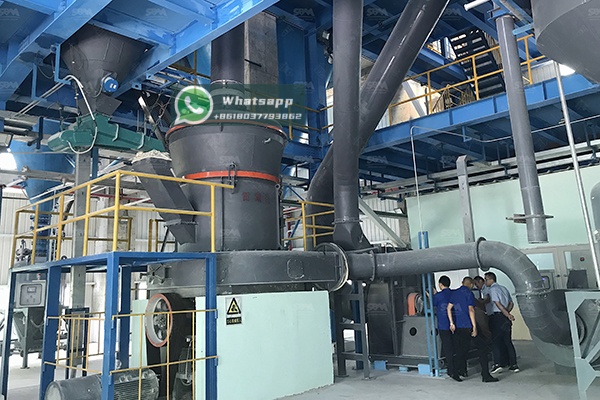
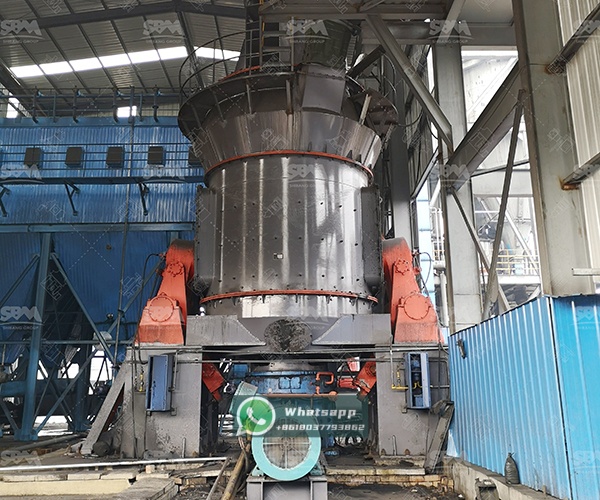
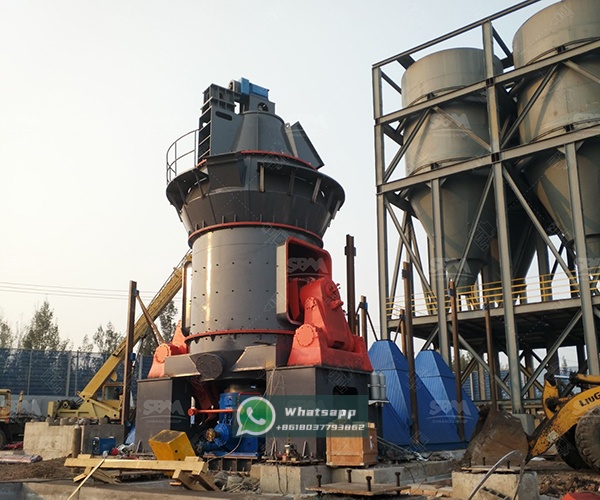
The LM Vertical Grinding Mill integrates five functions—crushing, grinding, powder selection, drying, and material conveying—into a single machine. This design reduces occupied area, simplifies the flow sheet, and improves energy efficiency. It is an eco-friendly production solution suitable for cement clinker, slag, limestone, fly ash, and other cementitious materials. For blended cement, the LM mill can be configured with a hot gas generator to dry high-moisture SCMs while grinding. Its dynamic classifier ensures stable product fineness and a narrow particle size distribution, which helps achieve consistent cement strength and workability.
Available models include LM130K, LM190K, and LM280K. The LM130K has a plate diameter of 1300 mm and a capacity of 10-28 t/h; the LM190K offers 23-68 t/h with a 1900 mm plate; and the LM280K delivers 50-170 t/h with a 2800 mm plate. Output fineness can be adjusted from 170 to 40 μm, and maximum feed size ranges from below 38 mm to below 50 mm. Main motor power ranges from 200 kW to 1250 kW. For slag-blended cement, Zenith also offers the LM Vertical Slag Mill series, including LM130N, LM220N, and LM370N, with capacities from 4-6 t/h up to 90-110 t/h. These models are well suited to Bangladesh grinding stations that need to process imported clinker and local or imported slag with high drying capacity and low noise.
MTW Trapezium Grinding Mill: Flexible Grinding for Additives and Limestone
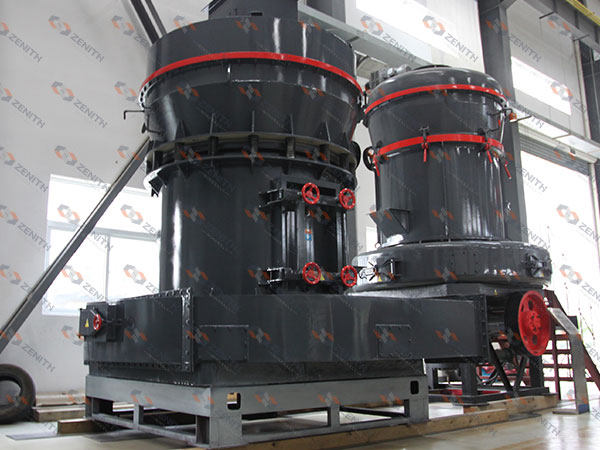
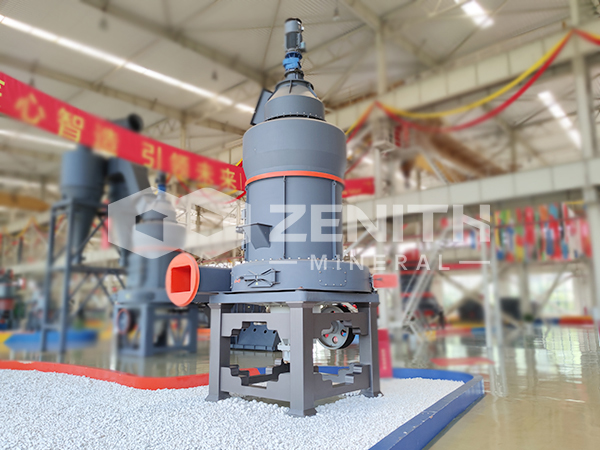
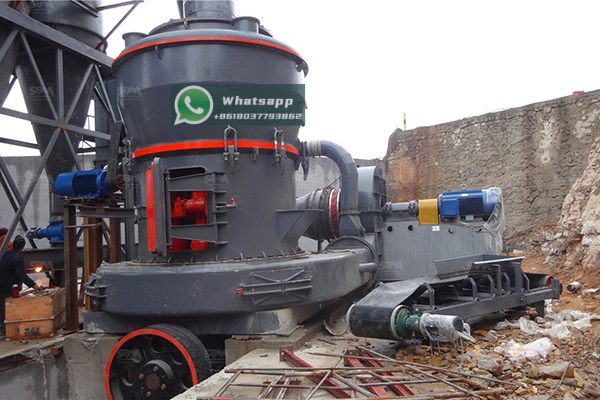
The MTW Trapezium Grinding Mill is a patented grinding mill known for its compact structure, long service life, and eco-friendly design. It is ideal for processing materials with a maximum input size of 50 mm and can produce a final product as fine as 0.038 mm. In blended cement production, the MTW mill can be used for grinding limestone filler, gypsum, fly ash, pozzolana, and other additives before they are blended with clinker. It can also serve as a standalone mill for smaller-scale cement or mineral powder production.
MTW models include MTW110, MTW110Z, MTW138Z, MTW175G, and MTW215G. Capacities range from 3-9 t/h for MTW110 to 15-45 t/h for MTW215G. Final size can be adjusted between 1.6 mm and 0.045 mm, and main motor power ranges from 55 kW to 280 kW. The MTW mill’s bevel gear transmission, internal lubrication system, and curved blade design help reduce wear and maintenance. For Bangladeshi producers who need a flexible additive grinding solution alongside a larger vertical mill, the MTW Trapezium Grinding Mill is a practical and cost-effective choice.
Process Configuration for a Blended Cement Grinding Station
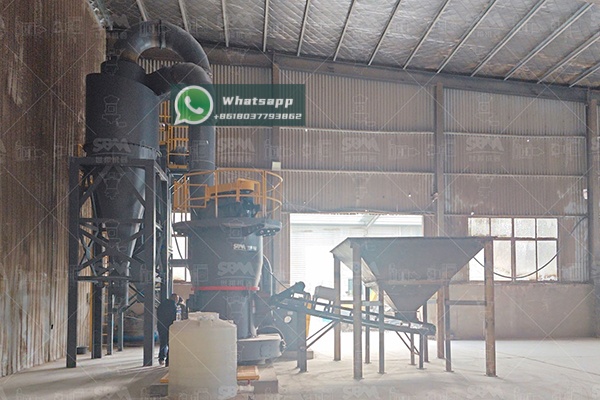
A typical blended cement grinding station in Bangladesh may include clinker silos, SCM storage silos, weigh feeders, a belt conveyor, the LM Vertical Grinding Mill, a hot gas generator, a bag filter, a dynamic classifier, a product silo, and a packing plant. Clinker, gypsum, fly ash, slag, and limestone are proportioned by weight and fed into the mill. Hot gas from the generator dries the material as it is ground. Fine powder is carried by air to the classifier, where coarse particles are rejected and returned to the grinding table. Finished cement is collected in the bag filter and transported to the product silo. This layout can be designed for capacity ranges from 30 t/h to 150 t/h or more, depending on market demand.
Because Bangladesh has a humid climate and a long monsoon season, drying capacity is critical. The LM mill’s integrated drying function can handle moisture in fly ash and slag without separate dryers. The system can also operate with a moderate clinker factor, allowing producers to respond to changes in clinker import prices and SCM availability. Automation and remote monitoring help reduce downtime and ensure consistent quality.
Technical and Economic Benefits
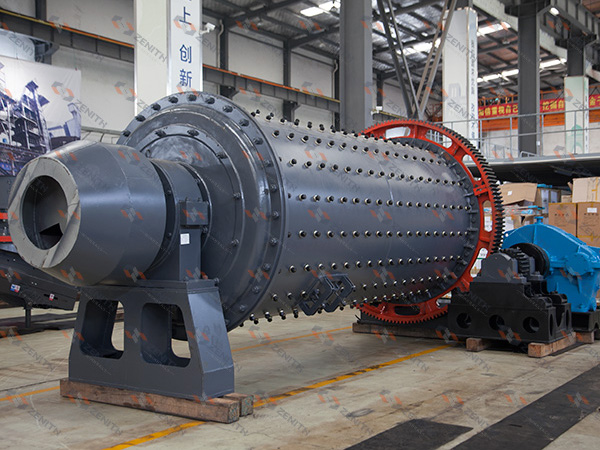
Using Zenith’s LM Vertical Grinding Mill and MTW Trapezium Grinding Mill can bring several benefits to Bangladeshi cement producers. The vertical mill consumes less specific energy than a traditional ball mill system, reducing power costs. Its compact footprint is advantageous where land is limited near ports or urban areas. The MTW mill provides flexible capacity for additives, helping producers optimize blend ratios. Both products are designed for easy maintenance, long wear life, and environmental compliance. In addition, Zenith provides project design, installation guidance, spare parts, and technical support to help customers achieve stable operation.
Conclusion
As Bangladesh continues to urbanize and invest in infrastructure, blended cement will play a growing role in the construction industry. A dependable clinker mill is essential for producing high-quality blended cement at competitive cost. Shanghai Zenith Machinery Co., Ltd. offers proven grinding solutions, including the LM Vertical Grinding Mill for main clinker and slag grinding, and the MTW Trapezium Grinding Mill for limestone, gypsum, and fly ash additives. By selecting the right equipment and process configuration, cement producers in Bangladesh can improve energy efficiency, reduce emissions, and strengthen their position in a demanding market.
Key Equipment
Want This Solution for Your Project?
Contact us for a customized quotation and technical proposal.

Interested in This Solution?
Send us a message and our engineers will get back to you within 24 hours.