
Introduction
Heavy calcium carbonate (GCC) is one of the most important industrial mineral fillers in Myanmar. With rising demand from PVC pipes, masterbatch, paints, coatings, rubber, sealants, paper and construction materials, local processors are paying more attention to powder whiteness, fineness consistency and production cost. For high whiteness powder, the grinding mill is not simply a size-reduction machine; it is a key part of the quality chain. A suitable heavy calcium carbonate grinding mill must control top size, avoid iron contamination, reduce dust, and maintain stable output when processing local limestone, marble and calcite. Shanghai Zenith Machinery Co., Ltd. is an experienced Chinese manufacturer of ore grinding equipment and has made notable achievements in ultra-fine powder grinding. This article discusses how to select a heavy calcium carbonate grinding mill for high whiteness powder in Myanmar and recommends two Zenith solutions for different product grades.
Market and quality requirements for high whiteness GCC in Myanmar
Myanmar has abundant carbonate resources, including limestone, marble and calcite that can be used for heavy calcium carbonate production. However, high whiteness is not guaranteed by the grinding mill alone. It starts with raw material selection. Ore with high brightness, low iron content and stable chemical composition is preferred. During processing, contamination from weathering, soil, handling and metal wear can reduce whiteness. Therefore, a high-quality GCC line usually combines washing, sorting, crushing, grinding, classification, iron removal, dust collection and packaging. For plastic masterbatch and PVC products, producers need low coarse particles and good dispersion. For paints and coatings, whiteness, hiding power and oil absorption are important. For paper and sealants, fine particle size and stable D97 are critical. In Myanmar, tropical monsoon conditions also mean that humidity control and reliable dust collection are important. Equipment should be robust, easy to maintain and supported by practical spare-parts planning.
Process design from feed to high whiteness powder
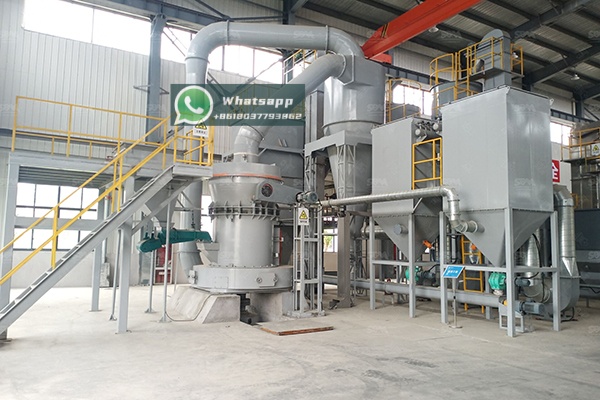
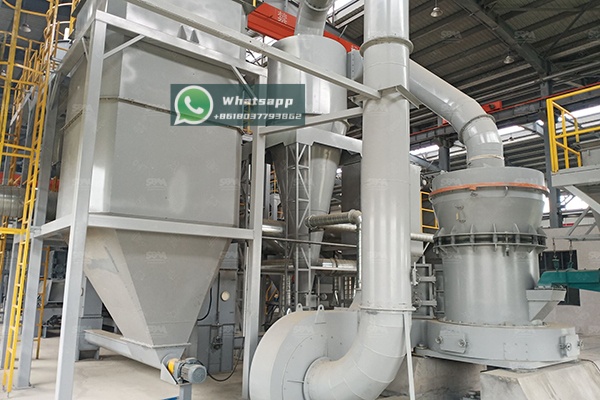
A well-designed heavy calcium carbonate grinding plant should keep the process simple, closed and clean. Run-of-mine carbonate is first washed and sorted to remove colored impurities. It is then crushed to a feed size suitable for the mill. Before grinding, magnetic separation can help remove iron particles. After grinding, the powder passes through an efficient classifier to control top size. A pulse-jet dust collector should be used to keep the workshop clean and recover fine product. Final packaging should be done in a moisture-protected area. For high whiteness production, every transfer point should be enclosed and every wear part should be selected to minimize contamination. The grinding stage should be matched to the target product: medium-fine powder for general fillers and ultra-fine powder for high-end applications. This is why a single mill model cannot serve every market segment efficiently.
Recommended solution 1: MTW Trapezium Grinding Mill
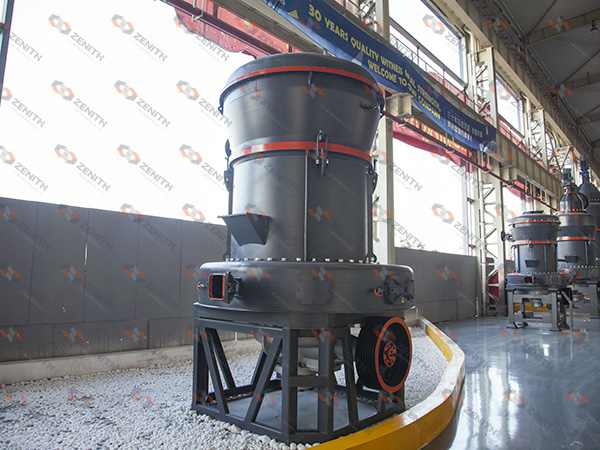
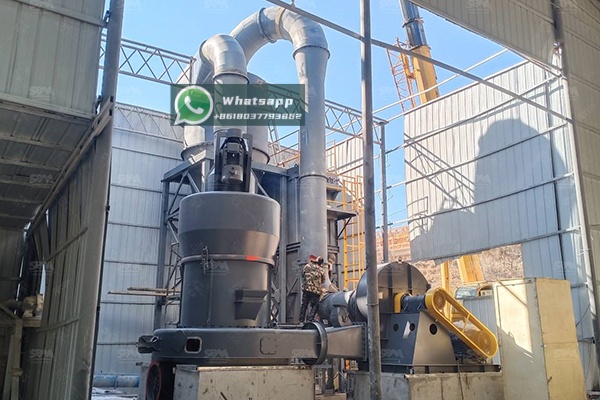
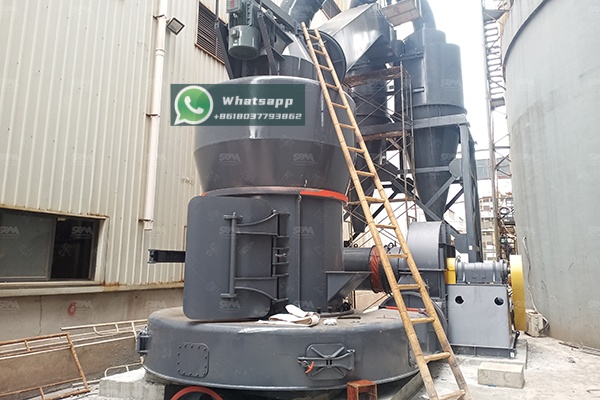
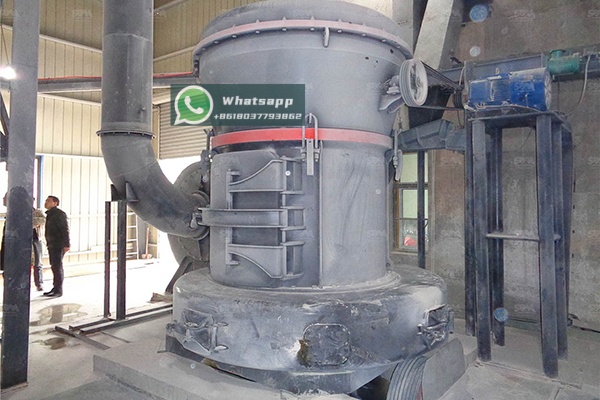
For producers who need efficient and stable medium-fine high whiteness heavy calcium carbonate powder, Shanghai Zenith recommends the MTW Trapezium Grinding Mill. This mill is a multiple-patent design known for compact structure, long service life and eco-friendly operation. It is suitable for materials with a maximum feed size of up to 50 mm and can produce final product in the range of 1.6 to 0.045 mm, which covers common 325 mesh GCC products. The MTW series is a practical choice for Myanmar plants that require high capacity, reliable operation and low maintenance. For medium capacity, the MTW175G is suitable; for larger projects, the MTW215G can reach 15-45 t/h. The optimized grinding chamber and classifier help maintain a stable particle size distribution, while the enclosed system and dust collector support a cleaner workshop. When combined with magnetic separation and careful raw material selection, the MTW mill can help producers achieve high whiteness and consistent quality for plastics, paints, rubber and construction applications.
| Model | Max. Feed Size (mm) | Final Size (mm) | Capacity (t/h) | Main Motor (kW) | Fan Motor (kW) |
|---|---|---|---|---|---|
| MTW138Z | <35 | 1.6-0.045 | 6-17 | 90 | 110 |
| MTW175G | <40 | 1.6-0.045 | 9.5-25 | 160 | 200 |
| MTW215G | <50 | 1.6-0.045 | 15-45 | 280 | 315 |
Recommended solution 2: LUM Ultrafine Vertical Mill
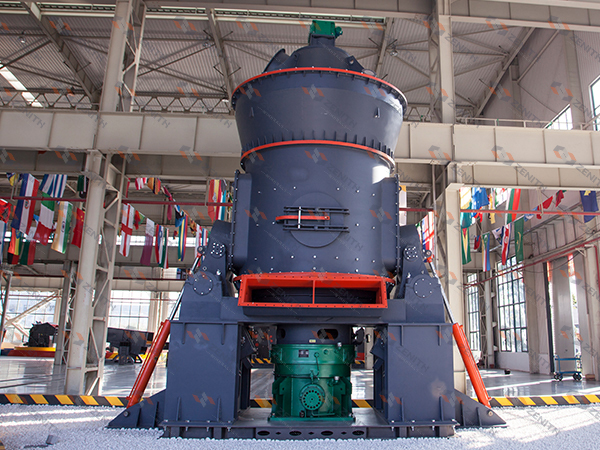
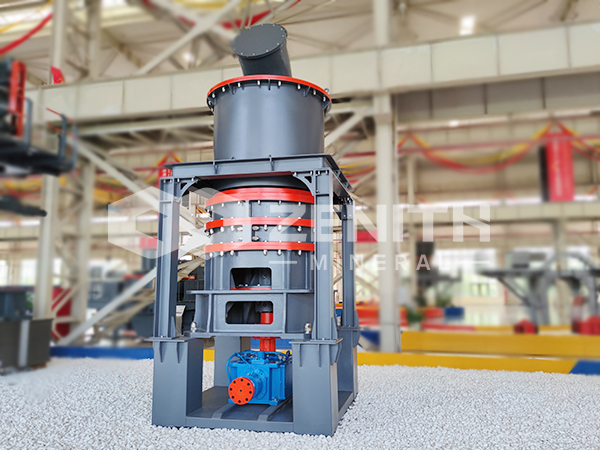
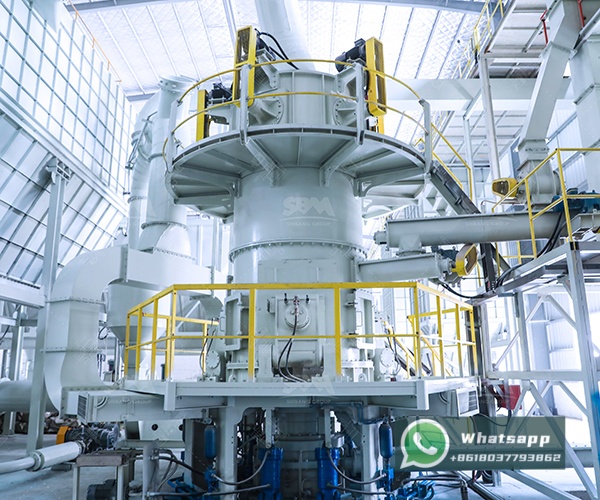
For ultra-fine high whiteness heavy calcium carbonate powder, Shanghai Zenith recommends the LUM Ultrafine Vertical Mill. The LUM mill integrates grinding, drying, classifying and transportation into one compact system, occupying a small floor area and producing a high content of end-fines. It is especially useful in Myanmar where humidity and space can be challenges for fine powder production. The intelligent control system supports easier operation and maintenance. With D97 adjustable from 5 to 30 μm, the LUM mill can produce ultra-fine GCC for high-end paints, paper, sealants and specialty masterbatch. For a production line in Myanmar, the LUM1836 is a strong option, with capacity of 2.3-15 t/h and main machine power of 355-400 kW. Because the vertical mill performs drying and classification in one unit, it can reduce process complexity and improve powder quality consistency. Combined with iron removal and closed dust collection, it helps protect the high whiteness of the final product.
| Model | Main Machine Power (kW) | Capacity (t/h) | Size Distribution D97 (μm) |
|---|---|---|---|
| LUM1525 | 220-250 | 1.6-11.5 | 5-30 |
| LUM1632 | 280-315 | 2.0-13.5 | 5-30 |
| LUM1836 | 355-400 | 2.3-15 | 5-30 |
Selection advice for Myanmar producers
The correct choice between the MTW and LUM mills depends on the target product and project scale. If the main products are 325 mesh or similar medium-fine GCC powders for plastics, paints, rubber and general fillers, and the required capacity is relatively high, the MTW Trapezium Grinding Mill is an efficient and economical solution. If the target market requires ultra-fine powder with D97 below 30 μm, high end-fines content and integrated drying, the LUM Ultrafine Vertical Mill is more suitable. Producers should also evaluate raw material whiteness, iron content, moisture, power supply, workshop layout and spare-parts logistics. A complete quality control plan should include incoming ore inspection, wear-part inspection, magnetic separation, fineness testing and whiteness testing. Training operators to keep the system under negative pressure and to clean dust collectors regularly will help maintain high whiteness and stable production. Shanghai Zenith Machinery Co., Ltd. can provide equipment selection, process design and technical support for heavy calcium carbonate grinding projects in Myanmar, from single mills to complete powder production lines.
Conclusion
High whiteness heavy calcium carbonate powder in Myanmar is a quality-driven business. Raw material selection, contamination control, classification and dust collection are as important as grinding capacity. The MTW Trapezium Grinding Mill and LUM Ultrafine Vertical Mill from Shanghai Zenith offer practical solutions for medium-fine and ultra-fine high whiteness GCC production. By matching the mill to the target fineness and capacity, and by combining the mill with proper iron removal and dust control, Myanmar producers can improve product whiteness, stabilize quality and strengthen their position in the growing filler market.
Want This Solution for Your Project?
Contact us for a customized quotation and technical proposal.
Interested in This Solution?
Send us a message and our engineers will get back to you within 24 hours.