Introduction
Saudi Arabia is emerging as a global leader in phosphate mining. The Kingdom holds the fifth-largest phosphate reserves in the world, located mainly in the Northern Border Province and Central Saudi Arabia. With the implementation of Saudi Vision 2030, the mining sector has been identified as a core pillar of economic diversification. Projects such as Ma’aden’s Wa’ad Al-Shamal and Al Jalamid mines have placed Saudi Arabia at the center of the international phosphate market. However, converting raw phosphate rock into marketable products requires a series of physical and chemical processes, and the grinding of phosphate rock into a fine powder is among the most critical steps. Choosing the right phosphate rock powder mill directly influences product quality, processing cost, and operational reliability.
The Growing Importance of Phosphate Rock in Saudi Arabia
Phosphate rock, also known as phosphorite, is the primary raw material for phosphoric acid and phosphate fertilizers. It is mainly composed of apatite minerals, and after beneficiation it is used to produce monoammonium phosphate (MAP), diammonium phosphate (DAP), single superphosphate (SSP), and triple superphosphate (TSP). In Saudi Arabia, the phosphate deposits at Al Jalamid contain about 213 million tonnes of reserves, with an average grade of around 20% P2O5. Umm Wu’al and Ad-Dir’iyah further expand the country’s resource base. The development of these deposits requires mining, crushing, beneficiation, and grinding. The grinding stage is crucial because the subsequent chemical reactions require a specific surface area to achieve high recovery rates and economical acidulation. If the powder is too coarse, the reaction rate is slow and conversion is incomplete; if too fine, energy consumption and dust generation increase unnecessarily. Therefore, a precise and efficient mill is essential.
Key Grinding Requirements for Phosphate Rock
Phosphate rock is a medium-hard mineral, typically with a Mohs hardness of 5 to 6, though some gangue minerals such as silica can increase abrasiveness. The feed material after primary crushing often ranges from 20 to 50 mm in size. Moisture content varies depending on the mining and washing process, and many Saudi phosphate ores require drying before grinding. The target fineness for phosphate rock powder is usually 80% passing 200 mesh for fertilizer applications, while finer products at 325 mesh or above are needed for high-grade phosphoric acid production. Grinding mills used in Saudi phosphate projects must therefore offer adjustable fineness, sufficient capacity, and high resistance to wear. In addition, because the mining sites are located in remote areas with high ambient temperatures, a low-maintenance, energy-efficient solution is essential.
Challenges in the Saudi Desert Environment
Desert mining operations face unique challenges. Temperature extremes can affect lubrication and electrical systems. Water scarcity prevents the use of wet grinding processes in many locations unless significant water recovery is installed. Dust control is also a critical concern, both for environmental compliance and for protecting equipment. Closed-circuit grinding systems are preferred because they prevent dust leakage and maintain process stability. Furthermore, the remote location of Saudi phosphate mines means that spare parts and maintenance teams may not be immediately available. Equipment reliability and after-sales support are therefore decisive factors in mill selection. This is where Shanghai Zenith Machinery Co., Ltd. has built a strong reputation among mining companies worldwide.
Shanghai Zenith Machinery Co., Ltd.: A Trusted Partner for Mining Grinding
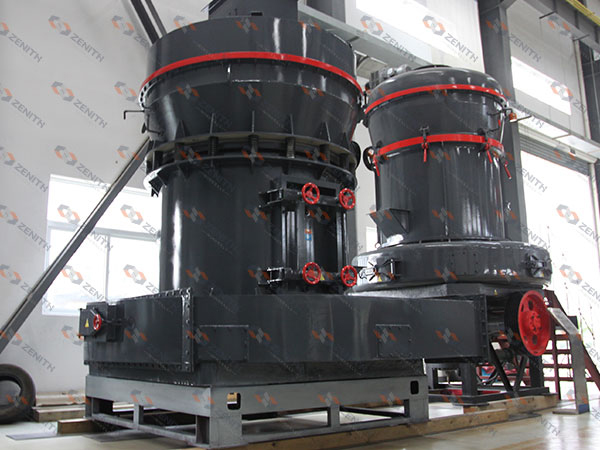
Shanghai Zenith Machinery Co., Ltd. is an excellent manufacturer of ore grinding equipment in China, with extensive experience in the research, development, and production of industrial powder grinding mills and related devices. Zenith’s products are used in more than 200 countries and territories, including the Middle East. The company offers a complete portfolio that includes the MTW Trapezium Grinding Mill, MTM Medium-Speed Grinding Mill, LM Vertical Grinding Mill, LUM Ultrafine Vertical Mill, XZM Ultrafine Grinding Mill, Raymond Mill, Ball Mill, and Hammer Mill. For Saudi phosphate mining, Zenith can provide the ideal mill for every stage from coarse powder to micro-fine powder, with high capacity and low energy consumption. The company’s machinery is known for compact structure, long service life, and eco-friendly operation. Zenith also offers custom solutions based on the physical properties of specific phosphate ores and the required powder specifications.
Recommended Product: MTW Trapezium Grinding Mill
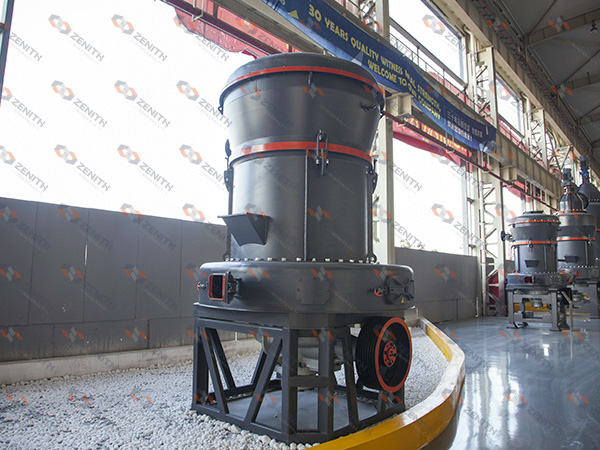
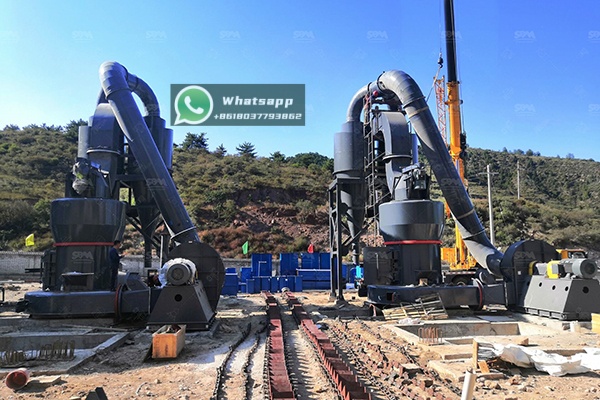
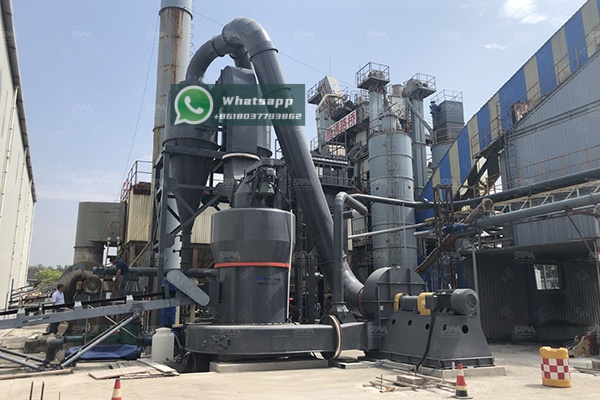
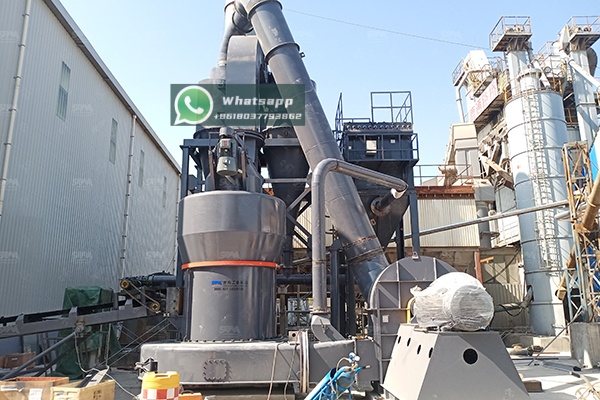
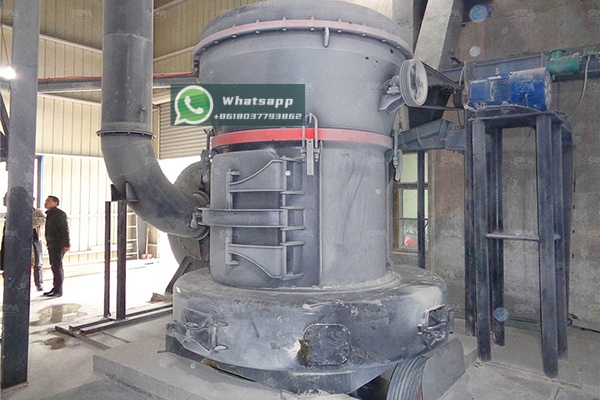
For the majority of phosphate rock grinding applications in Saudi Arabia, the MTW Trapezium Grinding Mill is thoroughly recommended. This mill is a patented innovation with a compact structure and long service life. It is suitable for processing materials with a maximum feed size of 50 mm, and it can produce final product sizes from 1.6 mm down to 0.045 mm (approximately 325 mesh). The trapezium-shaped grinding roller and ring greatly increase the contact area between the roller and material, which improves grinding efficiency and reduces energy consumption. The internal high-efficiency classifier ensures the discharged powder has a narrow particle size distribution, which is vital for downstream phosphate processing.
For a medium-capacity Saudi phosphate beneficiation plant, the MTW175G model is an excellent choice. It accepts feed material smaller than 40 mm and produces up to 25 tonnes per hour of finished powder. The main motor is 160 kW, and the fan motor is 200 kW. For larger operations, the MTW215G accepts feed up to 50 mm and produces 15–45 t/h, making it ideal for the next generation of phosphate projects in the Kingdom. The following table shows the main parameters of the MTW series:
| Model | Max. Feed Size (mm) | Final Size (mm) | Capacity (t/h) | Main Motor (kW) |
|---|---|---|---|---|
| MTW110 | <30 | 1.6-0.045 | 3-9 | 55 |
| MTW138Z | <35 | 1.6-0.045 | 6-17 | 90 |
| MTW175G | <40 | 1.6-0.045 | 9.5-25 | 160 |
| MTW215G | <50 | 1.6-0.045 | 15-45 | 280 |
Recommended Product: LUM Ultrafine Vertical Mill
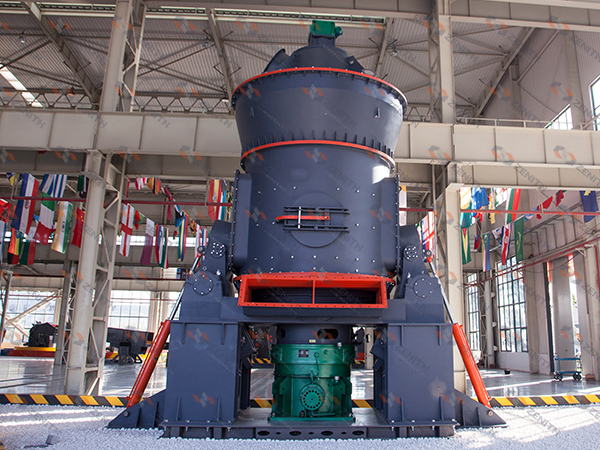
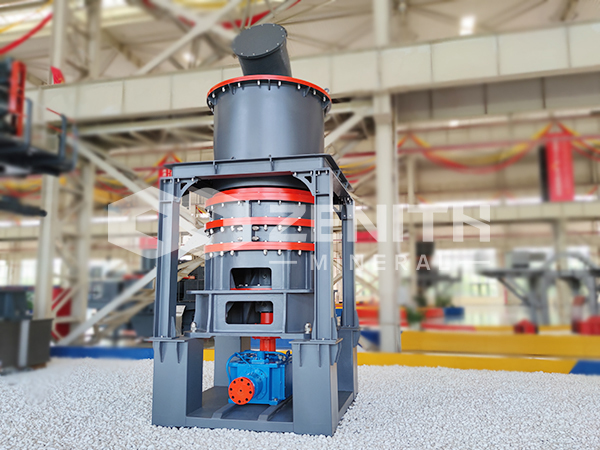
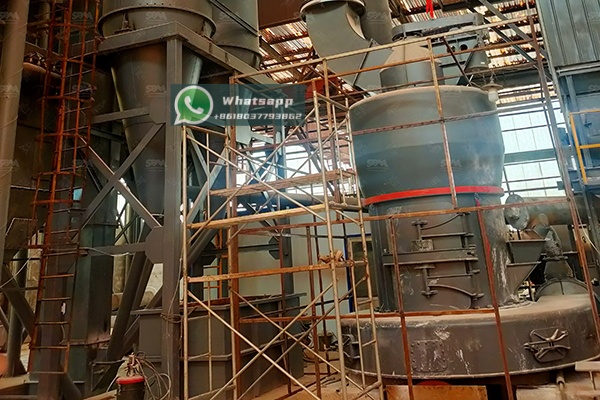
When Saudi phosphate producers require superfine powder for high-grade fertilizer formulations or chemical applications, the LUM Ultrafine Vertical Mill is the ideal recommendation. This mill integrates grinding, drying, classifying, and conveying in a single unit. It occupies a very small footprint, which is especially valuable in existing beneficiation plants where space is limited. The LUM mill produces powders with a particle size distribution D97 between 5 and 30 microns (approximately 600 to 2500 mesh), much finer than the MTW mill. It is equipped with an intelligent control system that simplifies operation and maintenance. The main machine power options range from 220 to 400 kW, with capacities from 1.6 to 15 t/h depending on the feed material and fineness. In Saudi phosphate mining, the LUM1836 model, with a capacity of 2.3–15 t/h and main motor of 355–400 kW, can deliver excellent results for premium powder production.
Additional Zenith Grinding Solutions
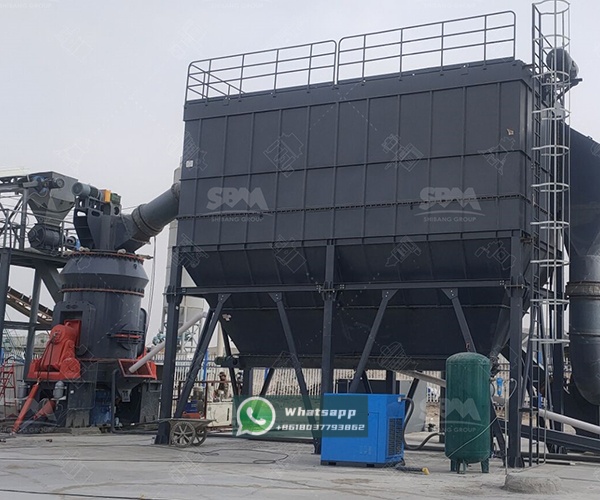
In addition to the MTW and LUM mills, Zenith offers the LM Vertical Grinding Mill, which integrates crushing, grinding, powder selection, drying, and material conveying into one machine. The LM vertical mill series has capacities from 10 to 170 t/h, making it suitable for large-scale phosphate beneficiation plants. The XZM Ultrafine Grinding Mill is another versatile option for soft-to-medium-hard materials when an output fineness of 325–2500 mesh is required. The Ball Mill and Hammer Mill can also be applied in phosphate rock preparation circuits. By selecting the right equipment from the beginning, miners in Saudi Arabia can maximize the value of their ore while reducing operating costs.
Advantages of Zenith Mills for Saudi Phosphate Projects
- High grinding efficiency with reduced specific energy consumption, lowering the cost per tonne of phosphate powder.
- Durable grinding components that withstand the abrasive nature of phosphate ore and silica impurities.
- Compact footprint and low civil engineering requirements, which minimize capital investment in remote mining sites.
- Precise particle size control to optimize acidulation and downstream fertilizer production.
- Closed-system design that controls dust and protects the environment.
- Comprehensive after-sales support, including spare parts and technical guidance, available for overseas operations.
Conclusion
Saudi Arabia’s phosphate mining industry is poised for substantial growth. To remain competitive in the international fertilizer market, processors must invest in high-performance phosphate rock powder mills that deliver reliable operation, precise fineness, and low energy consumption. Shanghai Zenith Machinery Co., Ltd. provides world-class solutions through its MTW Trapezium Grinding Mill and LUM Ultrafine Vertical Mill. These machines combine advanced grinding technology with rugged construction designed for the most demanding mining environments. Whether the target is 200 mesh feed for a fertilizer plant or ultra-fine powder for specialty applications, Zenith has the experience and equipment to support the next stage of Saudi mining development. Contact Shanghai Zenith today to discuss a tailored phosphate rock grinding solution for your project.
Key Equipment
Want This Solution for Your Project?
Contact us for a customized quotation and technical proposal.
Interested in This Solution?
Send us a message and our engineers will get back to you within 24 hours.