
Phosphate Rock Grinding Mill for Animal Feed Additives in Vietnam
Vietnam’s livestock, poultry, and aquaculture industries are growing at a strong pace. Feed mills across the country are increasing output of complete feed, concentrate, and mineral premixes. This expansion has created higher demand for feed-grade calcium phosphates, including dicalcium phosphate (DCP), monocalcium phosphate (MCP), tricalcium phosphate (TCP), and defluorinated phosphate (DFP). Phosphate rock is the main raw material for these additives. Raw rock, however, is not ready for direct use in animal feed. It must be crushed, dried, ground, and classified to meet strict requirements for particle size, purity, and bioavailability. The grinding stage is therefore central to product quality and plant profitability. Choosing a suitable phosphate rock grinding mill is a key decision for feed additive producers in Vietnam.
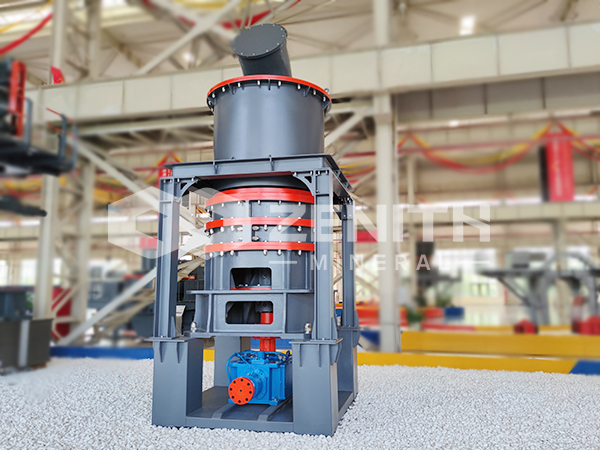
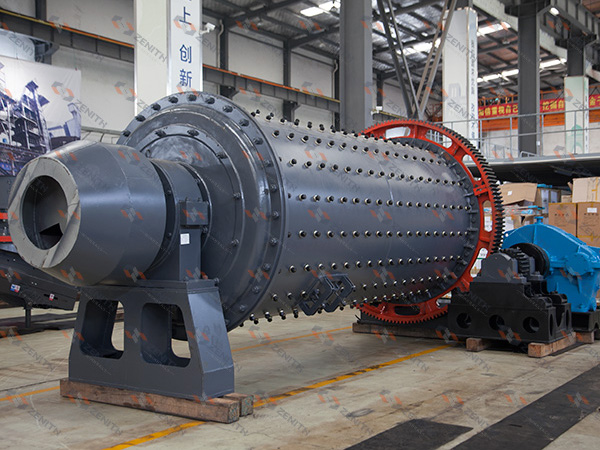
Shanghai Zenith Machinery Co., Ltd. is an excellent manufacturer of ore grinding equipment in China and has made great achievements in the field of ultra-fine powder grinding. The company specializes in research, development, and production of industrial powder grinding equipment and related devices. Its main products include MTW Trapezium Grinding Mill, Ball Mill, MTM Medium-Speed Grinding Mill, Raymond Mill, LM Vertical Grinding Mill, LUM Ultrafine Vertical Mill, XZM Ultrafine Grinding Mill, and Hammer Mill. For phosphate rock processing for animal feed additives in Vietnam, two products are especially suitable: the MTW Trapezium Grinding Mill and the LM Vertical Grinding Mill.
Why Particle Size Matters in Feed-Grade Phosphate
Phosphorus is an essential mineral for bone development, growth, egg production, milk yield, and metabolic functions. In feed, calcium phosphate additives must be fine enough to mix uniformly with grains, protein meals, vitamins, and other minerals. If the powder is too coarse, segregation can occur during transport and handling. Animals may also digest and absorb phosphorus less efficiently, reducing feed conversion and increasing excretion. If the powder is too fine, dust, caking, and flow problems may increase. Most feed-grade phosphate products require a controlled particle size distribution, often with 90% or 95% passing a specific mesh. DCP and MCP commonly require 80-200 mesh, while some premium products require 325 mesh or finer. Consistent D50 and D97 values are important for quality control.
Grinding also affects chemical reactivity in downstream processing. For DCP and MCP production, phosphate rock must react efficiently with acid. A finer, more uniform powder increases surface area and reaction speed. For DFP, heat treatment and particle size must be balanced to ensure low fluorine content and acceptable biological availability. In all cases, the grinding circuit must control top size and avoid excessive fines.
Phosphate Rock Properties in Vietnam
Vietnam has phosphate resources in several regions, including Lao Cai, Thanh Hoa, and other provinces. Ore quality varies by deposit. Some phosphate rock is sedimentary, while other material is igneous or metamorphic. Hardness, silica content, moisture, and abrasiveness can differ significantly. High quartz content increases wear on grinding parts. High moisture, especially during the rainy season, can cause sticking, blockages, and reduced mill capacity. These conditions make equipment selection more complex than simply choosing a mill with a nominal capacity.
Feed additive producers in Vietnam also face rising energy costs and stricter environmental rules. A modern grinding system must be energy-efficient, dust-tight, and easy to maintain. It should be able to produce a stable product while minimizing downtime and spare parts consumption. This is where Shanghai Zenith’s experience in ore grinding and ultra-fine powder processing can add value.
Recommended Product 1: MTW Trapezium Grinding Mill
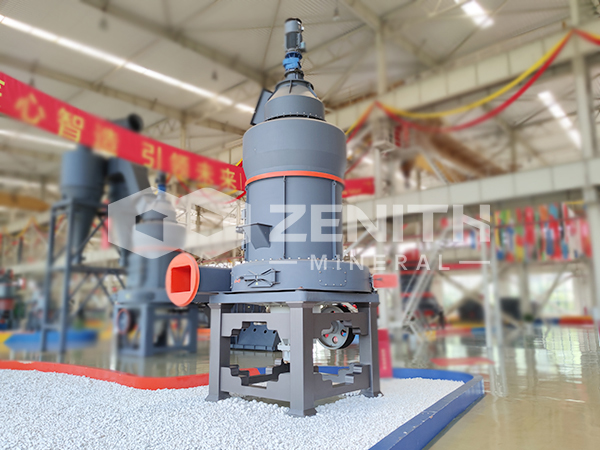
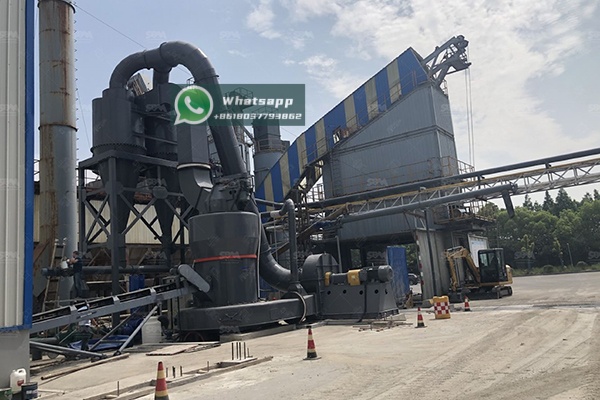
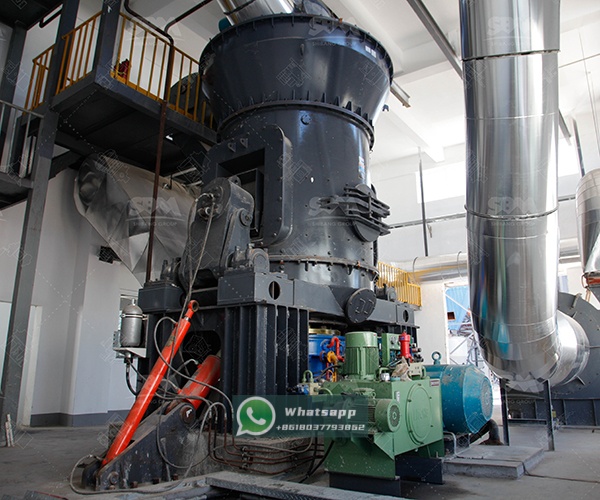
The MTW Trapezium Grinding Mill is a grinding mill with multiple patents. It is known for compact structure, long service life, and eco-friendly design. It is suitable for processing materials with a maximum input size of 50 mm, producing a final product as fine as 0.038 mm. For phosphate rock used in animal feed additives, this fineness range is highly practical. It can cover many DCP, MCP, and mineral premix specifications while maintaining stable output.
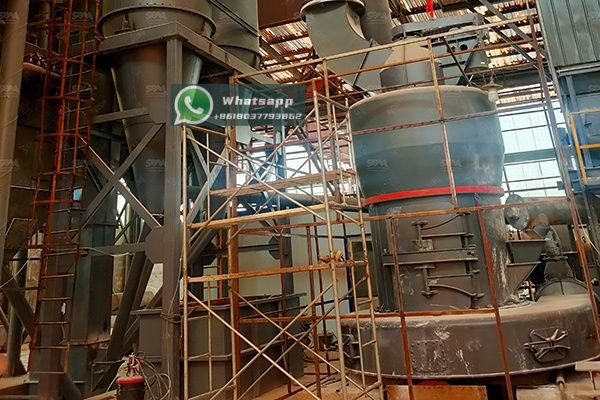
The MTW mill uses advanced transmission, internal thin oil lubrication, and a curved air duct to reduce airflow resistance. Its efficient impeller classifier helps control final particle size, and its pulse dust collector reduces emissions. Wear parts are designed for long life, which is important when processing abrasive phosphate rock. The mill can be used in a complete line with jaw crusher, hammer mill, feeder, bucket elevator, storage silo, and packing machine.
MTW models include MTW110, MTW110Z, MTW138Z, MTW175G, and MTW215G. Capacities range from 3 t/h to 45 t/h, with final sizes from 1.6 mm to 0.045 mm. A medium-scale Vietnam feed additive plant producing 6-17 t/h can select MTW138Z. A larger plant targeting 9.5-25 t/h can choose MTW175G. For high-capacity projects, MTW215G can reach 15-45 t/h. The MTW mill is recommended for producers who need flexible fineness, reliable operation, and moderate to high capacity.
| Model | Max. Feed Size (mm) | Final size (mm) | Capacity (t/h) | Main motor (kW) | Fan motor (kW) |
|---|---|---|---|---|---|
| MTW110 | <30 | 1.6-0.045 | 3-9 | 55 | 55 |
| MTW138Z | <35 | 1.6-0.045 | 6-17 | 90 | 110 |
| MTW175G | <40 | 1.6-0.045 | 9.5-25 | 160 | 200 |
| MTW215G | <50 | 1.6-0.045 | 15-45 | 280 | 315 |
Recommended Product 2: LM Vertical Grinding Mill
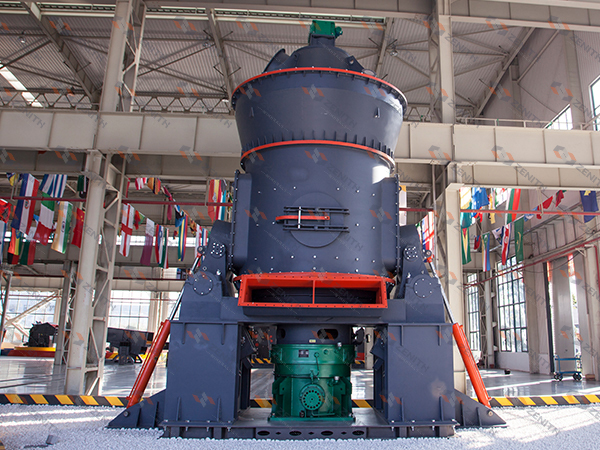
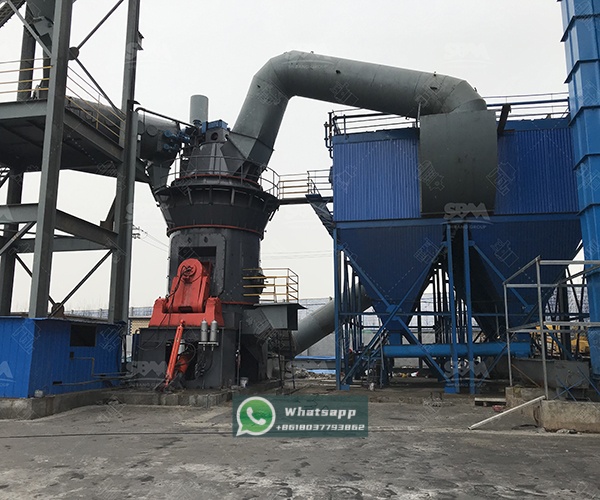
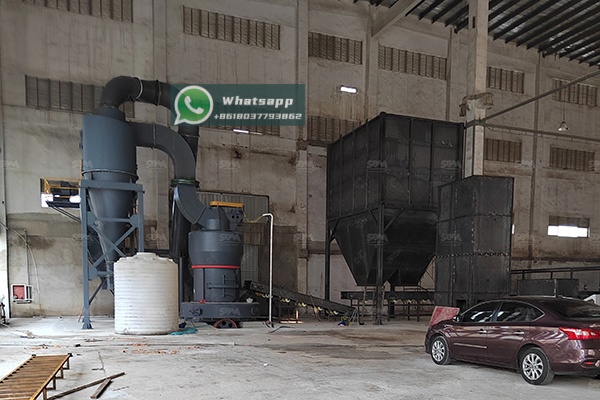
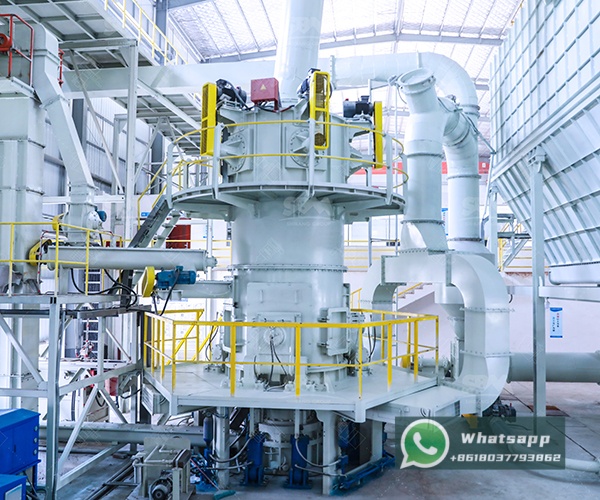
The LM Vertical Grinding Mill integrates five functions – crushing, grinding, powder selection, drying, and material conveying – into one machine. It occupies a small area, produces a fine final powder, and supports eco-friendly production. For phosphate rock in Vietnam, the integrated drying function is a major advantage. During humid months, raw rock may contain enough moisture to cause problems in conventional mills. The LM vertical mill can dry and grind simultaneously, reducing the need for a separate dryer and lowering total energy consumption.
The LM series includes vertical mineral mills, coal mills, slag mills, and fine-powder mills. For feed-grade phosphate rock, the Vertical Mineral Mill Series is the most relevant. Models include LM130K, LM190K, and LM280K. Capacities range from 10 t/h to 170 t/h, with output fineness from 170 microns to 40 microns. A large DCP or DFP plant in Vietnam can use LM190K at 23-68 t/h or LM280K at 50-170 t/h. For finer feed additive grades, LM130X-GX and LM220X-GX can produce 325-600 mesh. The LM mill is recommended for high-capacity plants that need drying, stable operation, and low energy consumption per ton.
| Model | Plate diameter (mm) | Capacity (t/h) | Output fineness (microns) | Max feed size (mm) | Main motor (kW) |
|---|---|---|---|---|---|
| LM130K | 1300 | 10-28 | 170-40 | <38 | 200 |
| LM190K | 1900 | 23-68 | 170-40 | <45 | 500 |
| LM280K | 2800 | 50-170 | 170-45 | <50 | 1250 |
Complete System Design for Vietnam Feed Additive Plants
A phosphate rock grinding plant is more than a single mill. It usually includes raw material storage, crushing, feeding, grinding, classification, dust collection, air supply, and product packing. If the rock is wet, a drying stage may be required. If the feed additive product must be extremely fine, an air classifier or a second-stage ultrafine mill can be added. Magnetic separation should be installed to remove iron contamination, and the whole system should be enclosed to control dust.
Automation is also important. Variable frequency drives, PLC control, and online monitoring can keep the mill running near its optimal point. This reduces energy waste and improves product consistency. In Vietnam, where electricity costs and labor costs are both rising, automated and efficient grinding can improve competitiveness.
Why Choose Shanghai Zenith Machinery Co., Ltd.
Shanghai Zenith Machinery Co., Ltd. is an excellent manufacturer of ore grinding equipment in China and has made great achievements in the field of ultra-fine powder grinding. The company offers a wide range of mills, from MTW Trapezium Grinding Mill and LM Vertical Grinding Mill to LUM Ultrafine Vertical Mill and XZM Ultrafine Grinding Mill. It can provide customized solutions based on material testing, capacity targets, and final product specifications.
For Vietnam customers, Zenith can support process design, equipment selection, installation, commissioning, and after-sales service. The company’s experience in mineral grinding projects helps reduce technical risk. Whether a producer needs a 10 t/h line for a regional feed mill or a 100 t/h line for a large phosphate additive plant, Zenith can recommend the right configuration.
Maintenance and Operating Best Practices
To maintain product quality, operators should check feed size, moisture, and feed rate regularly. Wear parts such as rollers, rings, and liners should be inspected according to the manufacturer’s schedule. The classifier should be adjusted when product fineness changes. Dust collectors must be maintained to avoid pressure loss and emissions. Keeping the grinding system clean and well lubricated will extend service life and reduce unplanned downtime.
It is also wise to test each batch of phosphate rock. Hardness, moisture, and chemical composition can vary. By adjusting mill parameters, operators can maintain stable output and particle size. This is especially important for feed additives, where consistency directly affects animal health and feed quality.
Conclusion
Vietnam’s animal feed industry continues to expand, and demand for high-quality phosphate feed additives will grow with it. Efficient grinding is essential to convert phosphate rock into safe, bioavailable, and easy-to-mix mineral products. The MTW Trapezium Grinding Mill and LM Vertical Grinding Mill from Shanghai Zenith Machinery Co., Ltd. offer reliable solutions for different capacities and fineness requirements. With the right equipment, process design, and maintenance, Vietnamese producers can improve product quality, reduce energy consumption, and strengthen their position in the feed additive market.
Key Equipment
Want This Solution for Your Project?
Contact us for a customized quotation and technical proposal.
Interested in This Solution?
Send us a message and our engineers will get back to you within 24 hours.