
Introduction: Phosphate Rock and Fertilizer Production in Saudi Arabia
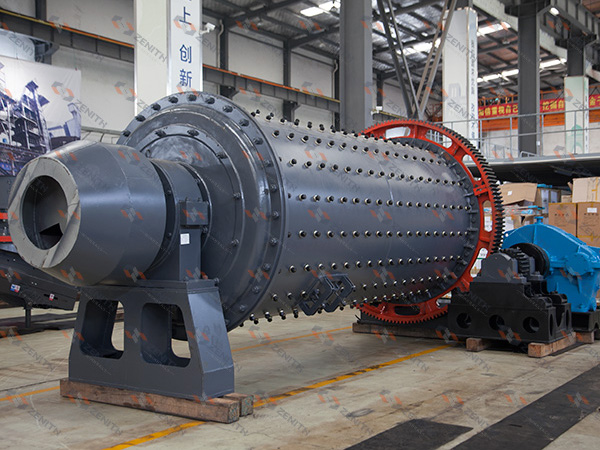
Saudi Arabia is rapidly emerging as a global leader in phosphate rock mining and fertilizer production. With vast reserves located in regions such as Al Jalamid, Umm Wu’al, and the Northern Border area, the Kingdom is investing heavily in expanding its mining and downstream processing capabilities. Under Saudi Vision 2030, the mineral sector is a key pillar of economic diversification, and phosphate fertilizers—including diammonium phosphate (DAP), monoammonium phosphate (MAP), and triple superphosphate (TSP)—are essential for global food security. To convert raw phosphate rock into high-quality fertilizers, efficient and reliable grinding equipment is indispensable. This article explores the role of phosphate rock mills in fertilizer processing in Saudi Arabia and recommends suitable grinding solutions from Shanghai Zenith Machinery Co., Ltd., a leading Chinese manufacturer of ore grinding equipment.
The Role of Phosphate Rock Grinding in Fertilizer Manufacturing
Phosphate rock is a naturally occurring mineral containing high concentrations of phosphate (P2O5). Before it can be used in fertilizer production, it must be finely ground to increase its surface area and reactivity. The required fineness depends on the specific fertilizer process. For example, in the production of phosphoric acid via the wet process, phosphate rock is typically ground to 60–75% passing a 200-mesh (75 μm) screen. For direct application as a soil amendment, a finer grind of 80–90% passing 100 mesh may be sufficient. In granulated fertilizers like DAP and MAP, the rock is reacted with sulfuric or phosphoric acid, and a uniform particle size distribution is critical for efficient reaction and granulation. Consequently, the choice of grinding mill directly affects production efficiency, energy consumption, and final product quality.
Key Considerations for Selecting a Phosphate Rock Mill in Saudi Arabia
Saudi Arabia’s harsh desert climate, with high temperatures and limited water resources, imposes unique challenges on industrial equipment. A phosphate rock mill must be robust, energy-efficient, and capable of continuous operation with minimal maintenance. Key factors include:
- Capacity: Large-scale fertilizer complexes require mills with high throughput, often exceeding 50 tons per hour.
- Fineness: The ability to produce consistent fineness, typically between 40 μm and 150 μm, is essential.
- Wear Resistance: Phosphate rock is abrasive, so grinding parts must be made of high-chrome or ceramic materials to extend service life.
- Energy Efficiency: With rising energy costs, mills that consume less power per ton are preferred.
- Environmental Compliance: Dust collection and noise reduction are mandatory to meet Saudi environmental regulations.
- Maintenance and Spare Parts: Easy access to wear parts and local service support reduce downtime.
Recommended Equipment from Shanghai Zenith Machinery
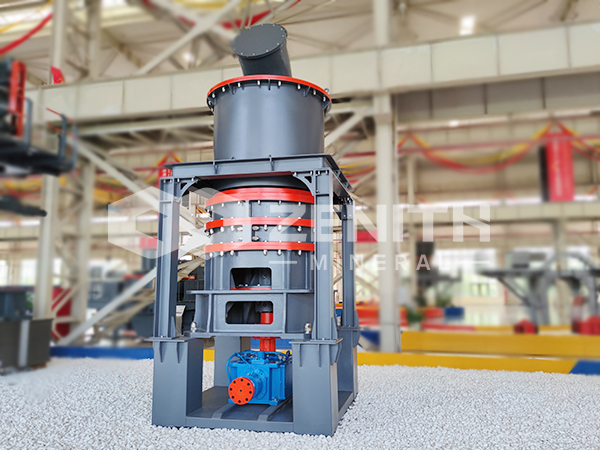
Shanghai Zenith Machinery Co., Ltd. is an excellent manufacturer of ore grinding equipment in China and has made great achievements in the field of ultra-fine powder grinding. The company specializes in research, development, and production of industrial powder grinding equipment. For phosphate rock processing in Saudi Arabia, two products stand out: the MTW Trapezium Grinding Mill and the LM Vertical Grinding Mill.
MTW Trapezium Grinding Mill
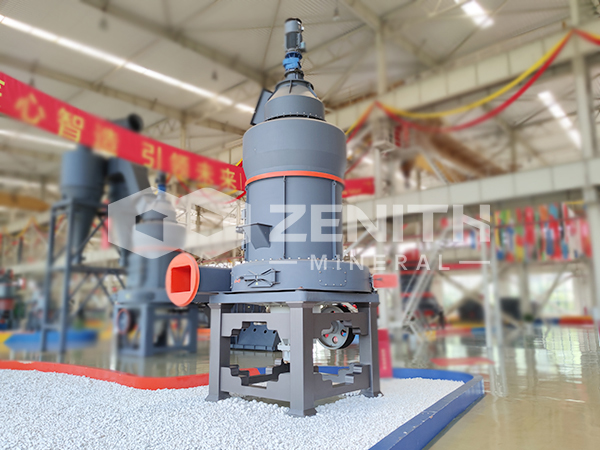
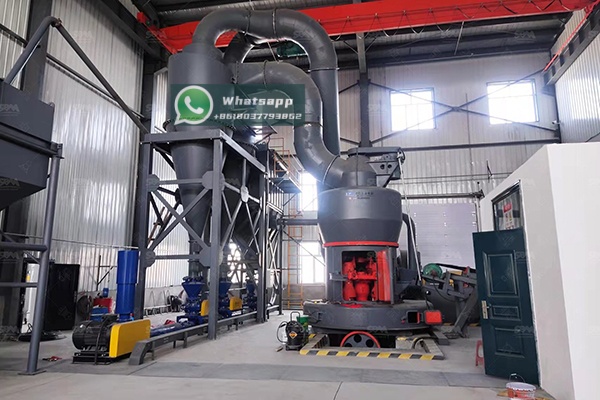
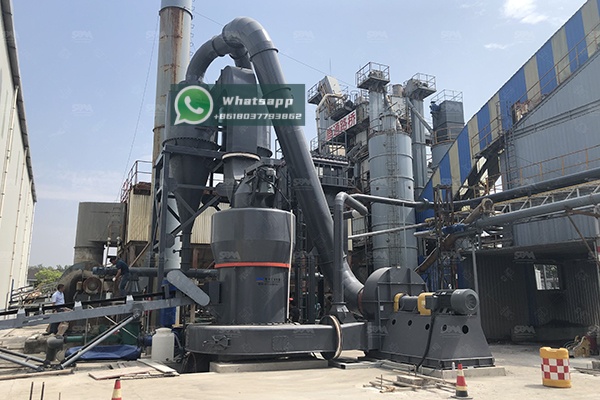
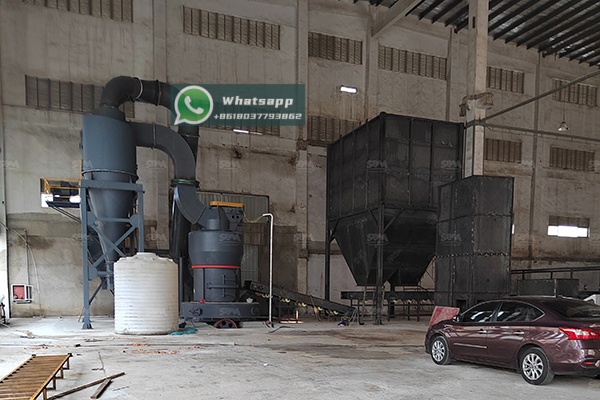
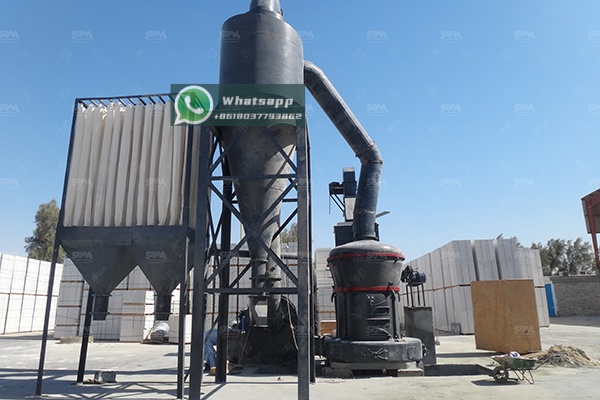
The MTW Trapezium Grinding Mill is a patented product known for its compact structure, long service life, and eco-friendly design. It is suitable for processing materials with a maximum input size of 50 mm and can produce a final product as fine as 0.038 mm (38 μm). With models ranging from MTW110 to MTW215G, capacities range from 3 t/h to 45 t/h. The MTW215G, for instance, offers a capacity of 15–45 t/h with a main motor of 280 kW, making it ideal for medium-to-large fertilizer plants. Its bevel gear transmission, internal thin oil lubrication system, and curved blade design ensure high grinding efficiency and low maintenance. The MTW mill is particularly effective for grinding phosphate rock to the fineness required for DAP and MAP production.
LM Vertical Grinding Mill
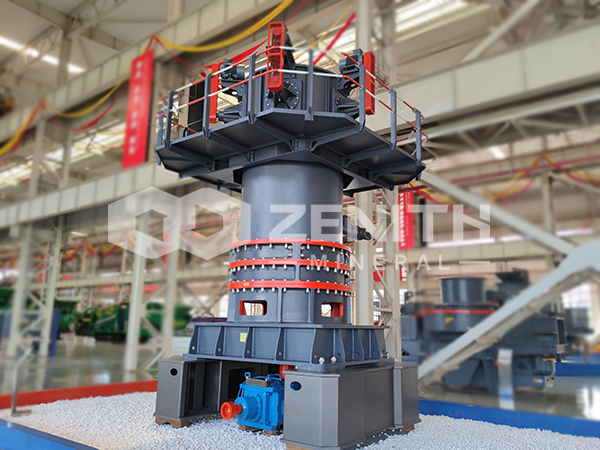
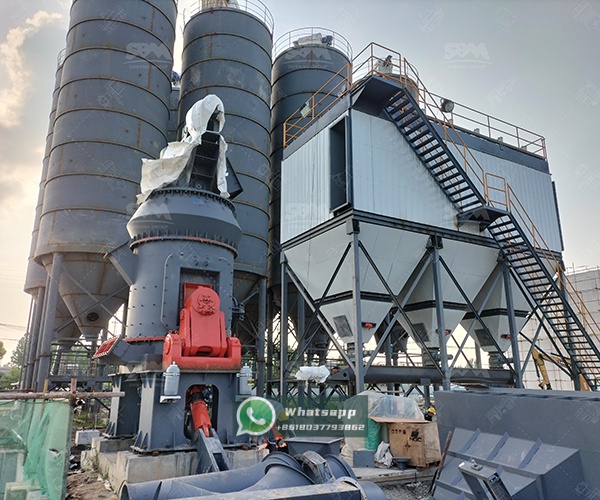
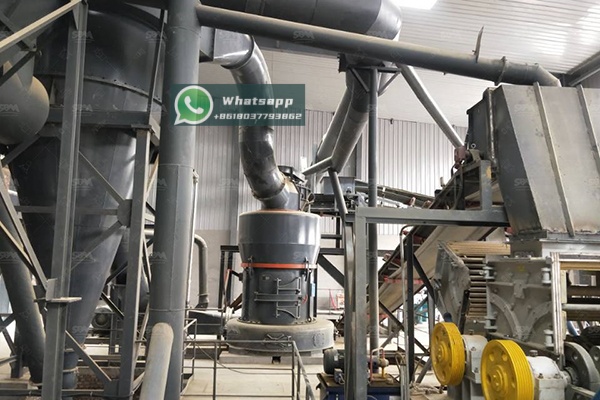
For large-scale phosphate rock grinding, the LM Vertical Grinding Mill is an excellent choice. It integrates five functions—crushing, grinding, powder selection, drying, and material conveying—into a single machine. This compact design reduces floor space and civil construction costs, which is advantageous in remote Saudi mining sites. The LM Vertical Mineral Mill series includes models such as LM130K, LM190K, and LM280K, with capacities from 10 t/h to 170 t/h. The LM280K, with a plate diameter of 2800 mm and a main motor of 1250 kW, can process up to 170 t/h, meeting the demands of the largest fertilizer complexes. The LM mill produces a fine final powder and is an eco-friendly production solution, with low noise and dust emissions. Its grinding rollers and table are made of high-quality wear-resistant materials, ensuring long operational life even with abrasive phosphate rock.
Technical Advantages of Zenith Mills for Phosphate Rock
Both the MTW and LM mills from Shanghai Zenith offer significant technical advantages for phosphate rock processing. They are equipped with advanced classifiers that ensure precise control of product fineness, reducing over-grinding and saving energy. The mills feature intelligent control systems that allow remote monitoring and adjustment, which is particularly useful for plants in Saudi Arabia where skilled labor may be limited. Additionally, Zenith provides comprehensive after-sales support, including installation, commissioning, and spare parts supply. The company’s grinding equipment has been widely used in mining, cement, chemical, and fertilizer industries worldwide, with a reputation for reliability and performance.
Application Scenario: Phosphate Rock Grinding in Saudi Arabia
Imagine a fertilizer plant in Wa’ad Al Shamal, a mining city in northern Saudi Arabia, processing phosphate rock from the Al Jalamid mine. The plant requires 100 t/h of ground phosphate rock with 80% passing 75 μm for phosphoric acid production. A single LM280K vertical mill can meet this capacity, while two MTW215G mills could also be configured. The LM mill’s drying function is particularly beneficial because phosphate rock may contain moisture, and the mill can use hot gas from the process to dry the material simultaneously. The compact layout of the LM mill saves valuable space in the desert environment. With Zenith’s equipment, the plant can achieve high availability, low energy consumption, and consistent product quality, contributing to Saudi Arabia’s goal of becoming a top global fertilizer exporter.
Conclusion
Phosphate rock grinding is a critical step in fertilizer processing, and selecting the right mill is essential for operational success. In Saudi Arabia, where large-scale mining and fertilizer projects are expanding, robust and efficient grinding equipment is in high demand. Shanghai Zenith Machinery Co., Ltd. offers the MTW Trapezium Grinding Mill and LM Vertical Grinding Mill, both proven to deliver high capacity, fine output, and reliable performance. With their advanced features, energy efficiency, and environmental compliance, these mills are well-suited for the Kingdom’s phosphate industry. For more information on how Zenith can support your fertilizer project in Saudi Arabia, please contact our team of experts.
Key Equipment
Want This Solution for Your Project?
Contact us for a customized quotation and technical proposal.
Interested in This Solution?
Send us a message and our engineers will get back to you within 24 hours.