Introduction: The Role of Limestone Grinding in India’s Desulfurization Efforts
India, as one of the world’s largest coal consumers, faces stringent environmental regulations to reduce sulfur dioxide (SO₂) emissions from thermal power plants. Flue Gas Desulfurization (FGD) using limestone slurry has become the predominant technology to meet the new emission norms mandated by the Ministry of Environment, Forest and Climate Change (MoEFCC). The efficiency of the desulfurization process heavily depends on the quality and fineness of the limestone powder. A reliable, high-performance limestone grinding mill is therefore the cornerstone of any successful FGD system. This article explores the technical requirements for limestone grinding in India’s desulfurization applications and highlights the state-of-the-art solutions provided by Shanghai Zenith Machinery Co., Ltd.
Why Limestone Grinding Matters for FGD
In a typical wet FGD process, limestone (CaCO₃) is ground into a fine powder (typically 90% passing 325 mesh – 44 microns) and mixed with water to form a slurry. This slurry is sprayed into the flue gas stream, where it reacts with SO₂ to produce gypsum (CaSO₄·2H₂O). The reactivity and absorption efficiency are directly influenced by the specific surface area and particle size distribution of the limestone. Over-grinding wastes energy and reduces throughput, while under-grinding leads to poor SO₂ capture. Therefore, the grinding mill must offer precise control over fineness, high capacity, low energy consumption, and long-term reliability – especially under the demanding operating conditions of Indian power plants.
Key Challenges in Indian Desulfurization Applications
Indian limestone varies widely in hardness, moisture content, and abrasiveness depending on the quarry source. Many plants also require the grinding system to handle high moisture (up to 10%) due to rainy seasons. Additionally, power plants often have space constraints and need compact, integrated solutions that combine grinding, drying, classifying, and material handling. Operational cost (electricity, wear parts) and maintenance downtime are critical factors. Therefore, the ideal limestone grinding mill for India must be robust, energy-efficient, and versatile.
Shanghai Zenith Machinery: A Trusted Partner for Ultra-Fine Grinding
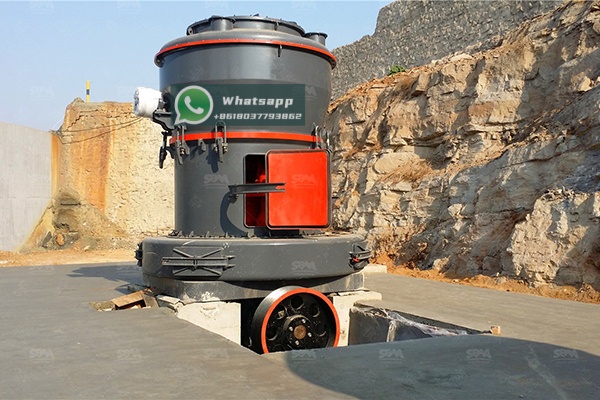
Shanghai Zenith Machinery Co., Ltd. is an excellent manufacturer of ore grinding equipment in China, with remarkable achievements in ultra-fine powder grinding. Specializing in research, development, and production of industrial powder grinding equipment, Zenith offers a comprehensive portfolio tailored to desulfurization needs. Among its extensive product line, two mills stand out for FGD limestone grinding: the MTW Trapezium Grinding Mill and the LM Vertical Grinding Mill. Both have been successfully deployed in Indian power plants and have proven their value in terms of efficiency, reliability, and cost-effectiveness.
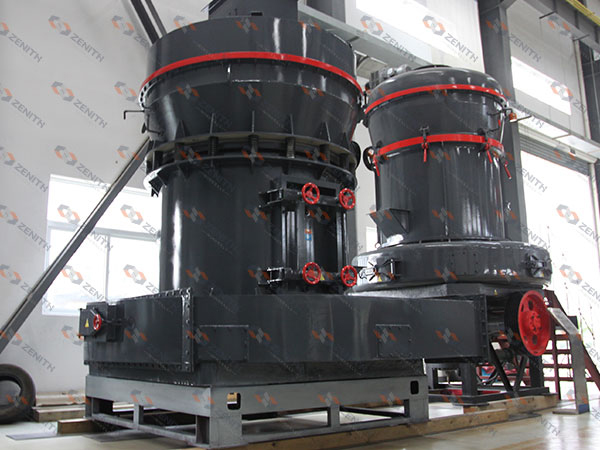
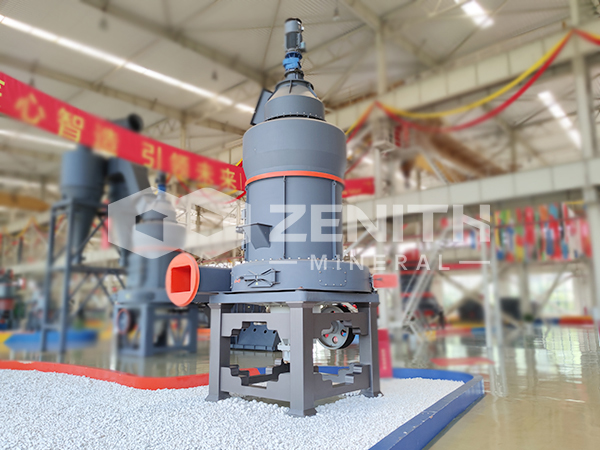
Recommended Product 1: MTW Trapezium Grinding Mill
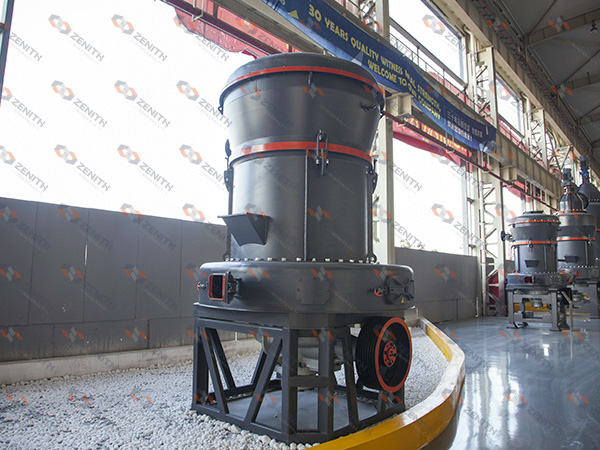
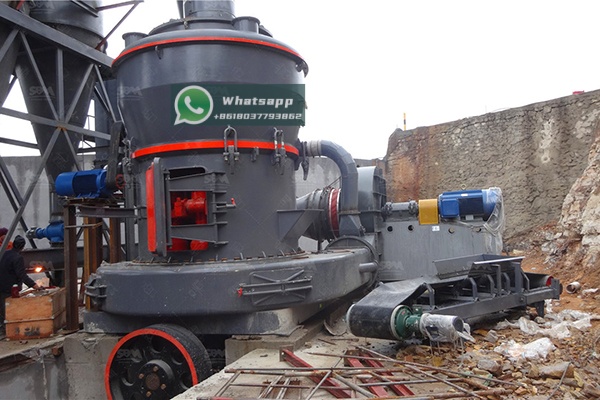
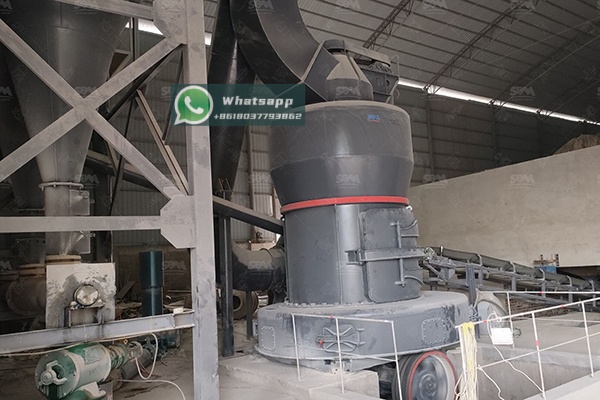
The MTW series is a multiple-patent grinding mill known for its compact structure, long service life, and eco-friendly design. It is ideally suited for processing limestone with a maximum feed size of 50 mm and can produce a final product as fine as 0.038 mm (400 mesh). The trapezoidal grinding ring and roller design increase grinding efficiency by 20% compared to traditional Raymond mills, while the internal thin oil lubrication system ensures stable operation and reduces maintenance. The MTW175G model, for example, has a capacity of 9.5–25 t/h, making it an excellent choice for medium to large FGD units. Its built-in classifier guarantees consistent fineness, meeting the strict 325 mesh requirement with ease.
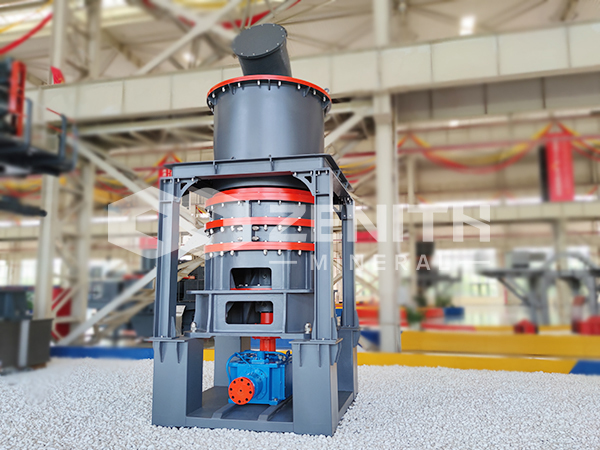
Recommended Product 2: LM Vertical Grinding Mill
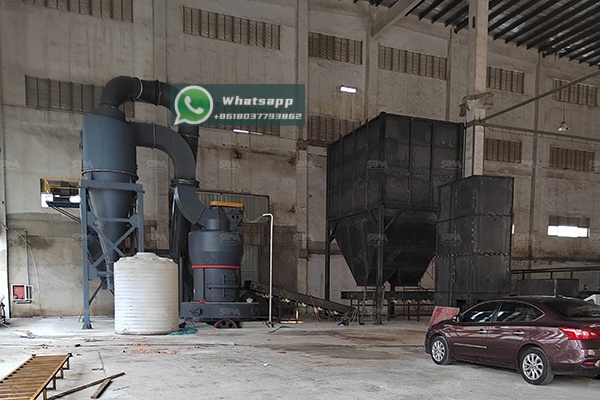
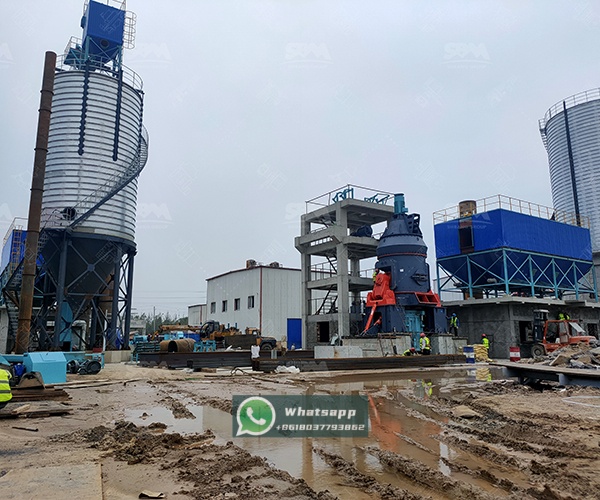
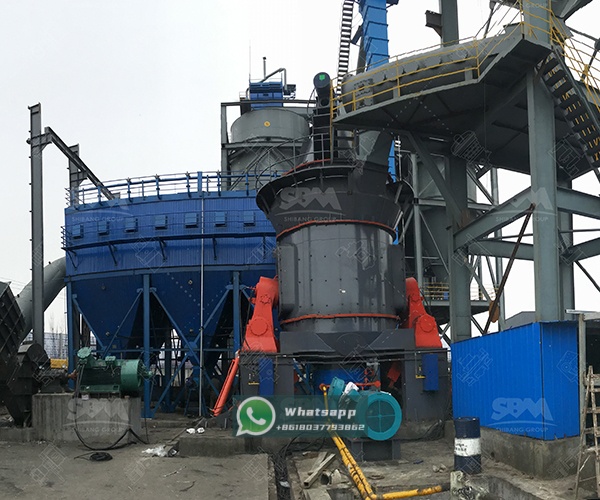
For plants seeking the ultimate in integration and space saving, the LM Vertical Grinding Mill combines crushing, grinding, powder selection, drying, and material conveying in a single unit. This mill features a small occupation area, low noise, and excellent environmental performance. The LM190K model, with a plate diameter of 1900 mm, can handle up to 68 t/h of limestone and produce fineness down to 170–40 microns. Its roller and grinding table are made of high-chromium alloy, ensuring long wear life even when processing abrasive Indian limestone. Moreover, the vertical mill’s drying capability allows it to handle feed materials with moisture up to 12%, eliminating the need for a separate dryer. This makes the LM series particularly attractive for Indian power plants where space and capital cost are constrained.
Technical Comparison: MTW vs. LM for Indian FGD
Both mills deliver excellent results, but the choice depends on specific project requirements. The MTW mill is more cost-effective for capacities below 30 t/h and is easier to install in existing plants due to its smaller footprint. The LM vertical mill shines in larger capacity applications (30–70 t/h) and where drying of high-moisture limestone is needed. For typical 500 MW power plant FGD systems requiring 15–25 t/h of limestone powder, the MTW175G or LM190K models are ideal. Zenith also offers the LUM Ultrafine Vertical Mill for cases requiring ultra-fine product (D97 < 30 microns), though for standard FGD fineness (90% < 44 microns), the MTW and LM series are perfectly adequate.
Case Studies and Global Experience
Zenith’s grinding mills have been exported to over 170 countries, including numerous installations in India. In one recent project at a 2×660 MW supercritical thermal power plant in Madhya Pradesh, two LM190K vertical mills were commissioned to supply limestone slurry for the wet FGD system. The mills consistently achieve 325 mesh product with less than 3% residue on the 325 mesh screen, while maintaining a specific power consumption of only 18–22 kWh per ton of limestone. The customer reported a 15% reduction in operational cost compared to the previous ball mill installation. Such results underscore Zenith’s commitment to providing reliable, high-efficiency solutions for India’s desulfurization market.
Key Features That Benefit Indian Power Plants
- Energy Efficiency: Both MTW and LM mills reduce power consumption by 20–30% compared to conventional ball mills.
- Low Maintenance: Automatic lubrication systems, easy-to-replace wear parts, and intelligent control minimize downtime.
- Environmental Compliance: Closed-loop negative pressure operation prevents dust leakage, meeting India’s strict environmental norms.
- Flexibility: Wide adjustment range of fineness and capacity to accommodate varying limestone quality.
- After-Sales Support: Zenith provides on-site installation, commissioning, and training services through its local representatives in India.
Conclusion: The Right Mill for a Cleaner Future
As India accelerates its transition to cleaner coal power generation, the demand for efficient and reliable limestone grinding technology will only grow. Shanghai Zenith Machinery Co., Ltd. stands ready to support this transition with world-class grinding solutions. Whether the project requires the compact efficiency of the MTW Trapezium Grinding Mill or the integrated high-capacity performance of the LM Vertical Grinding Mill, Zenith’s proven expertise ensures optimal system design, rapid payback, and long-term reliability. For any desulfurization project in India, investing in the right grinding mill is not just a technical decision – it is an investment in environmental stewardship and operational excellence.
Contact Shanghai Zenith today to learn more about our limestone grinding solutions tailored to your specific desulfurization needs.
Key Equipment
Want This Solution for Your Project?
Contact us for a customized quotation and technical proposal.
Interested in This Solution?
Send us a message and our engineers will get back to you within 24 hours.