
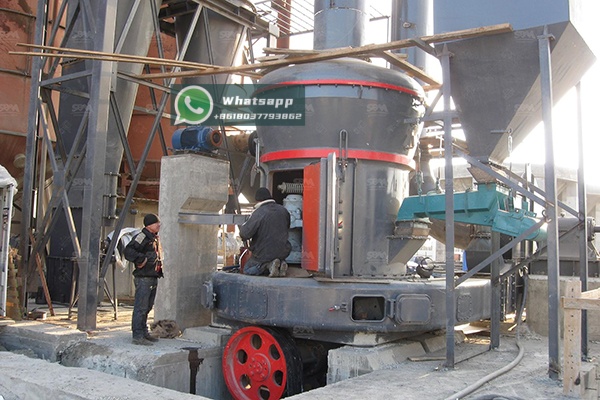
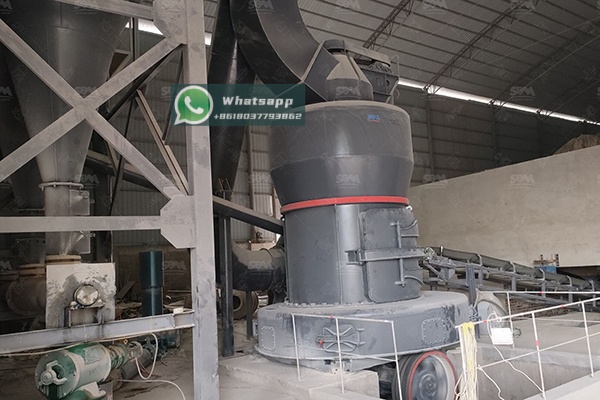
Introduction
Quartz is one of the most important raw materials in the U.S. glass industry. Whether it is used for container glass, flat glass, fiberglass, glass beads, or specialty glass, quartz must be ground into a carefully controlled powder before it enters the melting furnace. The term glass powder may refer to finely ground quartz or silica sand that acts as a glass batch component, and its particle size, purity, and consistency directly affect melting behavior, energy consumption, and final glass quality. In the United States, glass manufacturers and mineral processing companies increasingly look for reliable quartz grinding mills that can deliver high capacity, stable fineness, low contamination, and low operating cost. Shanghai Zenith Machinery Co., Ltd. has developed a complete range of industrial grinding equipment for this demanding application.
Why Quartz Grinding Is Critical for Glass Powder Production
Quartz has a Mohs hardness of about 7, making it abrasive and difficult to grind. Unlike softer minerals, quartz can cause rapid wear on grinding rollers, rings, and liners. Therefore, a quartz grinding mill for glass powder must combine wear-resistant materials, optimized grinding force, and efficient classification. In glass production, the target fineness usually ranges from 200 mesh to 400 mesh, with many specialized applications requiring even finer powders. A well-controlled particle size distribution helps improve batch homogeneity, accelerate silica dissolution in the melt, reduce unmelted quartz defects, and lower furnace energy demand.
In the United States, glass plants often face strict environmental rules, high labor costs, and strong pressure to improve energy efficiency. Dry grinding systems with negative pressure operation, efficient dust collectors, and automated control are preferred. The mill must also handle continuous operation and maintain stable output even when feed moisture or hardness varies.
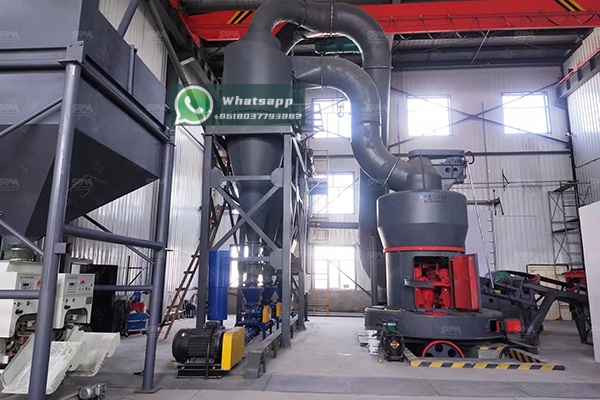
Key Requirements for a Quartz Grinding Mill in the U.S. Market
1. Hardness and Abrasion Resistance
Because quartz is highly abrasive, wear parts should be made from high-quality alloy or ceramic materials. The grinding zone should be designed to reduce direct metal-to-quartz impact and to maintain a stable grinding bed. This extends service life and keeps iron contamination under control, which is especially important for clear glass, fiberglass, and high-purity glass products.
2. Fineness and Particle Size Distribution
Glass powder specifications vary by product. Container glass may accept coarser quartz powder, while fiberglass and specialty glass often require finer and more consistent particles. A good quartz grinding mill should allow easy adjustment of fineness through classifier speed, airflow, and grinding pressure. The ideal system produces a narrow particle size distribution and avoids excessive fines or coarse tailings.
3. Capacity and Process Integration
U.S. producers may operate small specialty lines or large mineral processing plants. The selected mill should match the required tons per hour and be able to integrate with feeding, drying, classifying, dust collection, and storage. Vertical mills and trapezium mills are often preferred because they occupy less space and can be arranged in a compact production line.
4. Contamination Control and Environmental Compliance
Iron, moisture, and dust are the main enemies of high-quality glass powder. The grinding system should use wear-resistant liners, closed-loop negative pressure operation, pulse-jet dust collectors, and reliable sealing. These features protect product purity and help meet U.S. workplace and environmental standards.
Recommended Zenith Solutions for U.S. Quartz Glass Powder Production
1. LM Vertical Grinding Mill: High-Capacity Grinding for Quartz Glass Powder
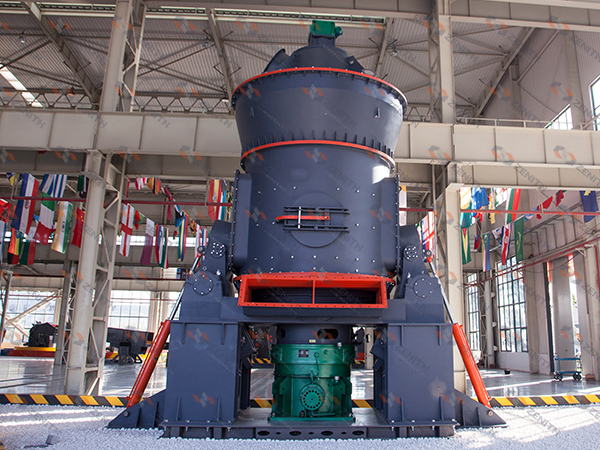
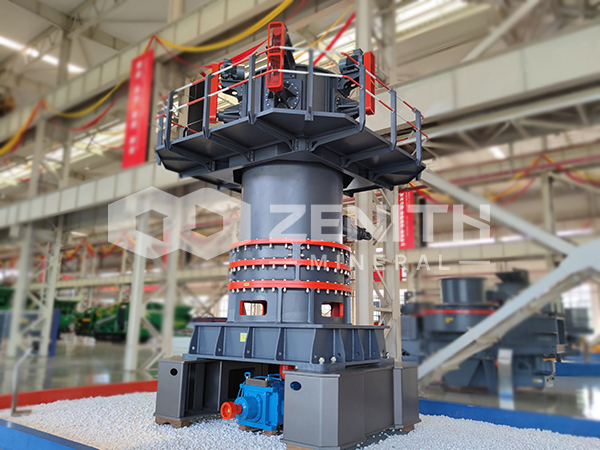
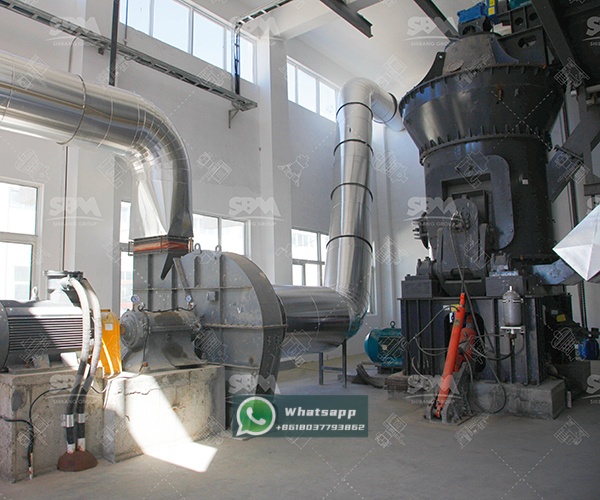
For medium and large quartz powder projects in the United States, Shanghai Zenith recommends the LM Vertical Grinding Mill. This mill integrates crushing, grinding, powder selection, drying, and material conveying into one compact system. It is an excellent choice for processing quartz at capacities from 10 t/h to 170 t/h, depending on the model. The final fineness can be adjusted between 170 and 40 microns, which covers many glass powder specifications from coarse silica powder to fine glass batch material.
The LM Vertical Grinding Mill uses a stable grinding bed and high-efficiency classifier. Its vertical structure reduces floor space, and its dry grinding process is suitable for regions where water use and slurry disposal are concerns. The system can be equipped with a hot-air generator for raw quartz with higher moisture, and the bag filter ensures clean working conditions. For U.S. glass manufacturers that need continuous, high-volume production, the LM190K and LM280K are particularly attractive. The LM190K offers 23-68 t/h with a main motor of 500 kW, while the LM280K can reach 50-170 t/h with a main motor of 1250 kW.
2. MTW Trapezium Grinding Mill: Flexible Grinding for Medium-Scale Glass Powder
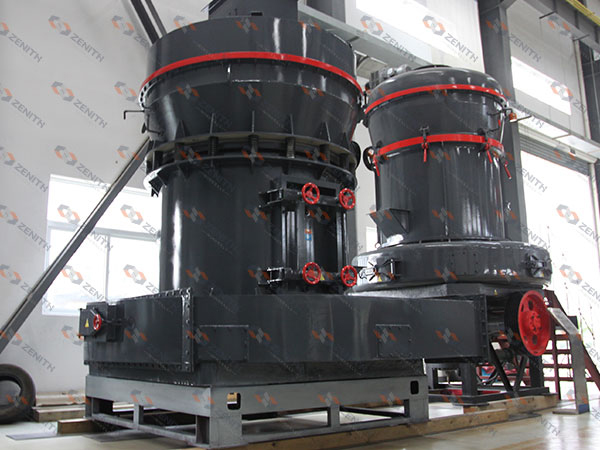
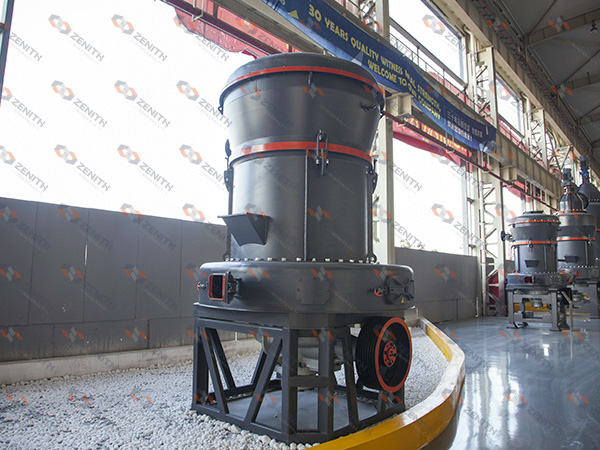
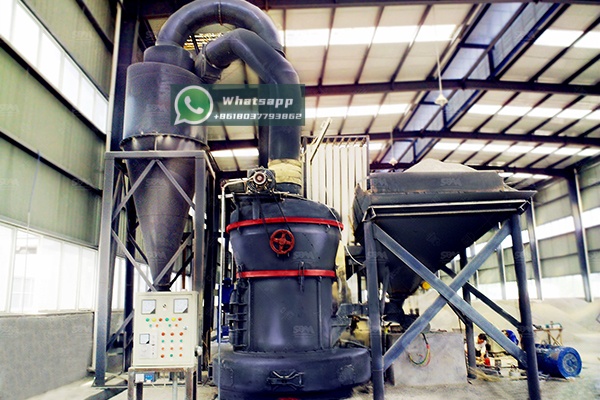
For small and medium-scale quartz grinding plants, or for producers who need flexible switching between different glass powder grades, the MTW Trapezium Grinding Mill is an outstanding option. It is a patented mill known for its compact structure, long service life, and eco-friendly design. The MTW mill can process quartz with a maximum feed size of 30-50 mm and produce a final product as fine as 0.045 mm. Its capacity ranges from 3 t/h to 45 t/h, making it suitable for specialized glass powder lines, glass bead production, and regional mineral processing operations.
The MTW215G, for example, can deliver 15-45 t/h with a final size range of 1.6-0.045 mm. It is equipped with an efficient fan and classifier system that can be adjusted to meet specific glass powder requirements. The mill also has a compact footprint and can be installed in a relatively small production area. For U.S. companies entering the glass powder market or expanding an existing line, the MTW series offers a practical balance between investment, capacity, and product quality.
Comparison of LM and MTW Mills for Quartz Glass Powder
| Feature | LM Vertical Grinding Mill | MTW Trapezium Grinding Mill |
|---|---|---|
| Typical capacity | 10-170 t/h | 3-45 t/h |
| Final fineness | 170-40 microns | 1.6-0.045 mm |
| Best application | Large-scale continuous glass powder production | Medium-scale and flexible glass powder production |
| Process features | Crushing, grinding, drying, classifying, conveying | Grinding, classifying, dust collection |
| Footprint | Compact vertical layout | Compact trapezium structure |
| Recommended models | LM190K, LM280K | MTW138Z, MTW175G, MTW215G |
Applying Zenith Mills in U.S. Glass Manufacturing
Quartz glass powder is used in many U.S. industries. Container glass plants use it as a major batch component. Flat glass producers require consistent chemistry and low iron content. Fiberglass manufacturers need fine, uniform particles for stable fiber formation. Specialty glass makers may require ultra-fine quartz powder for optical, electronic, or high-temperature applications. In all these cases, the grinding circuit plays a decisive role in product quality and production cost.
With an LM Vertical Grinding Mill, a U.S. plant can process quartz in a high-capacity dry circuit and feed the powder directly to batch mixing or storage silos. With an MTW Trapezium Grinding Mill, a smaller plant can produce different grades of glass powder with lower initial investment. Both solutions can be combined with magnetic separation, screening, and air classification to meet strict specifications.
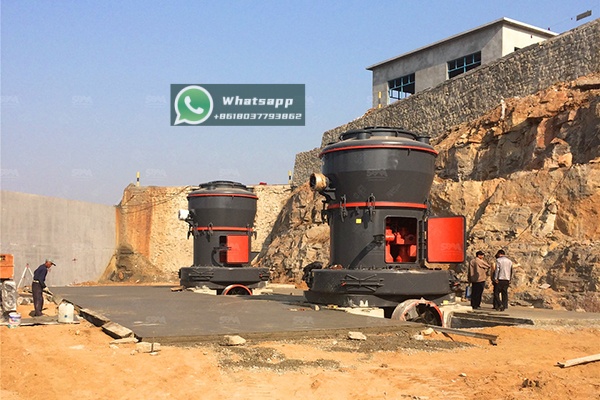
Quality Control and Operational Tips
To obtain high-quality glass powder from quartz, producers should control feed size, moisture, and iron content before grinding. Regular inspection of wear parts is essential because quartz abrasion can change the grinding gap and affect fineness. The classifier should be adjusted according to the target mesh size, and the dust collector should be maintained to ensure stable negative pressure. Automation systems can monitor motor load, airflow, and product fineness, helping operators respond quickly to changes.
It is also important to select the right mill model for the intended product. If a U.S. project requires more than 20 t/h of fine quartz powder, the LM Vertical Grinding Mill is usually the better choice. If the project requires 3-15 t/h with multiple product grades, the MTW Trapezium Grinding Mill may provide higher flexibility and lower capital cost.
Why Choose Shanghai Zenith Machinery Co., Ltd.
Shanghai Zenith Machinery Co., Ltd. is an excellent manufacturer of ore grinding equipment in China and has made great achievements in the field of ultra-fine powder grinding. The company specializes in research, development, and production of industrial powder grinding equipment and related devices. Its main products include MTW Trapezium Grinding Mill, Ball Mill, MTM Medium-Speed Grinding Mill, Raymond Mill, LM Vertical Grinding Mill, LUM Ultrafine Vertical Mill, XZM Ultrafine Grinding Mill, and Hammer Mill. With rich experience in mineral processing, Zenith can provide process design, equipment selection, installation guidance, and spare parts support for quartz grinding projects in the United States and around the world.
Conclusion
The U.S. glass industry needs reliable, efficient, and clean quartz grinding solutions. Quartz hardness, product fineness, capacity, and contamination control all influence the choice of mill. Shanghai Zenith offers two strong solutions: the LM Vertical Grinding Mill for high-capacity continuous production, and the MTW Trapezium Grinding Mill for flexible medium-scale production. By selecting the right model and optimizing the grinding circuit, U.S. producers can manufacture high-quality glass powder with lower energy consumption and stable operation.
Key Equipment
Want This Solution for Your Project?
Contact us for a customized quotation and technical proposal.
Interested in This Solution?
Send us a message and our engineers will get back to you within 24 hours.