Dolomite Mill for Refractory Applications in Egypt
Egypt is one of the fastest-growing industrial markets in North Africa, with strong demand from steel, cement, glass, and nonferrous metallurgy. These sectors rely heavily on high-performance refractories that can withstand extreme temperatures, thermal cycling, and chemical attack. Dolomite, a natural calcium magnesium carbonate, is a strategic raw material for basic refractories. When properly calcined and ground, dolomite provides excellent high-temperature stability and resistance to basic slags. For Egyptian refractory producers, selecting the right dolomite mill is therefore not merely a size-reduction decision; it is a critical step in controlling density, purity, reactivity, and cost.
Why Dolomite Matters in Refractory Manufacturing
Dolomite is composed mainly of calcium magnesium carbonate, CaMg(CO3)2. In refractory applications, raw dolomite is usually calcined to produce dead-burned dolomite or sintered dolomite. Dead-burned dolomite has a dense, stable crystal structure and is used in refractory bricks, gunning mixes, ramming masses, and monolithic linings. It is especially valued in basic oxygen furnaces, electric arc furnaces, cement kilns, and ladle metallurgy.
The performance of dolomite refractories depends strongly on particle size distribution. Coarse fractions provide a skeleton for load-bearing strength, while fine fractions fill voids and promote sintering. If the grinding circuit produces an inconsistent curve, the refractory can suffer from high porosity, low bulk density, poor hydration resistance, or reduced thermal shock resistance. In practice, many Egyptian refractory plants target a combination of coarse aggregates and fine powders, often in the range of 80 to 325 mesh, with some specialty grades requiring particles below 45 microns.
Egyptian Context and Processing Requirements
Egypt has significant dolomite resources in areas such as Sinai, the Eastern Desert, and other limestone-rich regions. These deposits can support local refractory production, but the raw material often varies in hardness, moisture, and impurity content. Iron oxide, silica, and alumina levels must be controlled because they affect the refractoriness and slag resistance of the final product. In addition, dolomite is moderately abrasive, and dead-burned dolomite can be even more abrasive after calcination. This places high demands on mill wear parts, classification efficiency, and dust collection.
Egyptian producers also face practical challenges: energy costs, water scarcity, and the need for compact, reliable equipment. Dry grinding is generally preferred for refractory-grade dolomite, especially when the material must be kept clean and free from contamination. A modern grinding system should therefore combine stable capacity, precise fineness control, low dust emission, and easy maintenance. Shanghai Zenith Machinery Co., Ltd., an experienced manufacturer of ore grinding equipment in China, offers several mills that match these requirements.
Recommended Solution: Zenith LM Vertical Grinding Mill
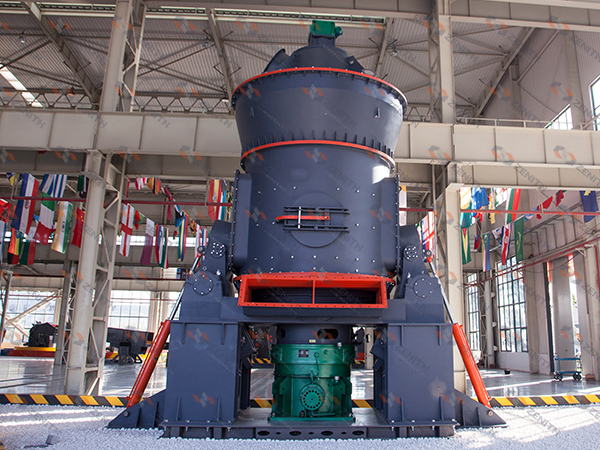
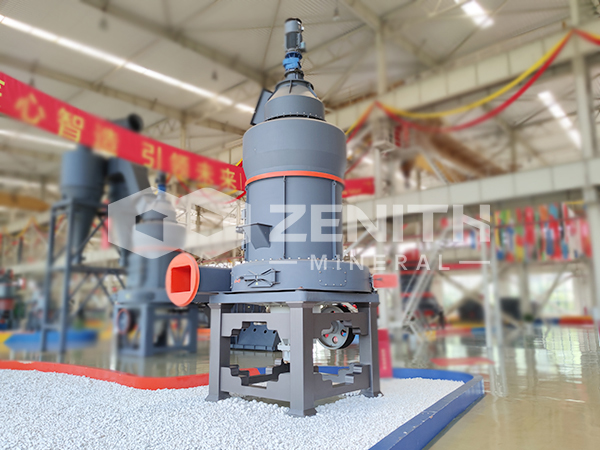
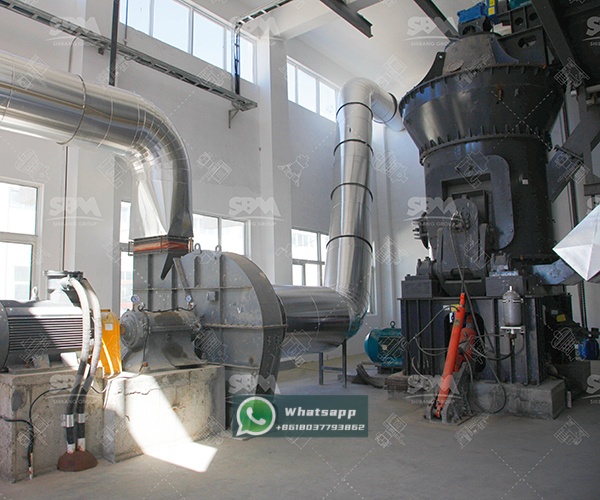
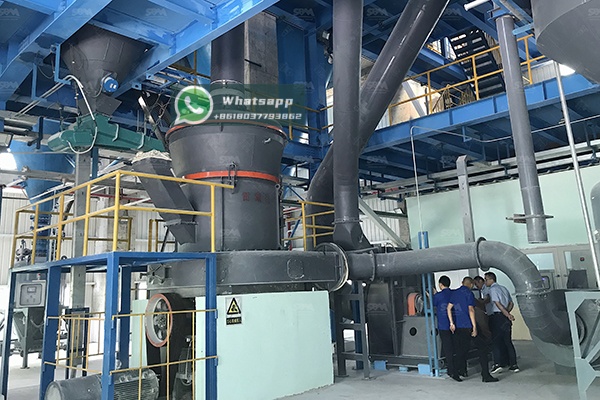
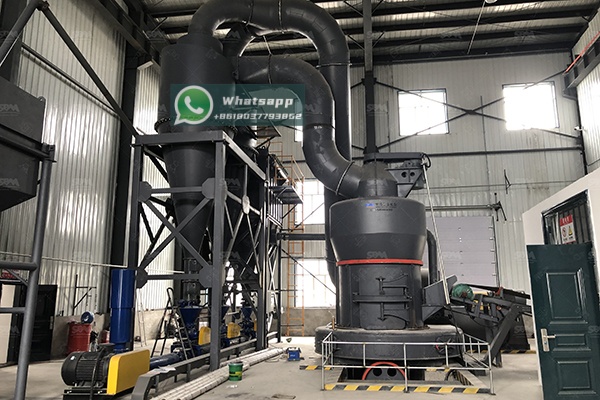
For large-scale dolomite processing in Egypt, the LM Vertical Grinding Mill is a strong primary recommendation. This mill integrates crushing, grinding, powder selection, drying, and material conveying into a single system. It occupies a small footprint, produces a fine and uniform final powder, and is designed for eco-friendly production. The LM series is particularly suitable for refractory plants that need continuous, high-capacity grinding of dolomite, dolomite clinker, and dead-burned dolomite.
The Vertical Mineral Mill series covers a wide capacity range. The LM130K has a plate diameter of 1300 mm and a capacity of 10-28 t/h, with output fineness from 170 to 40 microns and a maximum feed size below 38 mm. The LM190K offers 23-68 t/h, a maximum feed size below 45 mm, and a 500 kW main motor. For very large projects, the LM280K can reach 50-170 t/h with a maximum feed size below 50 mm and a 1250 kW main motor. These capacities allow Egyptian refractory producers to match the mill to their kiln or batching line without excessive overdesign.
In dolomite refractory applications, the LM mill can produce fines in the 170-40 micron range, covering many common refractory powder specifications. Its integrated drying capability is useful when raw dolomite contains surface moisture. The classifier can be adjusted to control the top size, which helps maintain a stable particle size distribution for pressing, casting, or gunning mixes. Wear-resistant liners and grinding rollers reduce maintenance frequency, while the enclosed system minimizes dust and improves workplace safety.
Recommended Solution: Zenith MTW Trapezium Grinding Mill
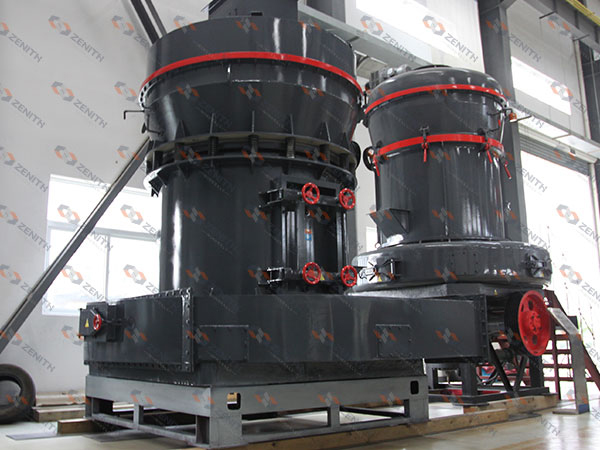
For small-to-medium refractory operations, or for producing specialty fine dolomite powders, the MTW Trapezium Grinding Mill is an excellent choice. This mill is known for its compact structure, multiple patents, long service life, and eco-friendly design. It is suitable for processing materials with a maximum input size of 50 mm and can produce a final product as fine as 0.038 mm. The MTW series is therefore well suited to grinding dead-burned dolomite, sintered dolomite, and other refractory raw materials to fine powder.
The MTW series includes several models to match different production scales. The MTW110 has a maximum feed size below 30 mm, a final size range of 1.6-0.045 mm, and a capacity of 3-9 t/h. The MTW138Z offers 6-17 t/h with a 90 kW main motor. The MTW175G reaches 9.5-25 t/h, and the MTW215G can produce 15-45 t/h with a maximum feed size below 50 mm and a 280 kW main motor. These options give Egyptian producers flexibility when building a new refractory line or upgrading an existing one.
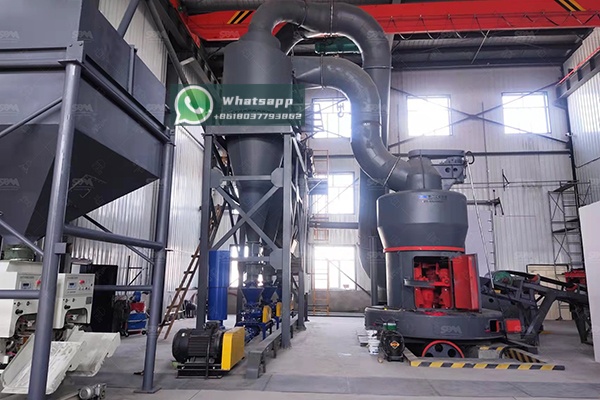
The MTW mill is particularly effective when the target product is a fine powder for matrix components, bonding systems, or precision refractory mixes. Its robust grinding mechanism and efficient air classification help maintain consistent fineness, while the optimized airflow reduces energy consumption. Compared with traditional Raymond mills, the MTW series offers higher capacity, better classification, and improved environmental performance.
Process Design Tips for Dolomite Grinding in Egypt
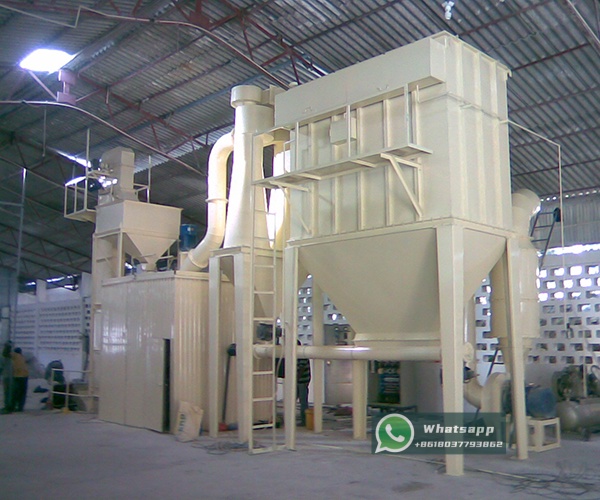
Successful dolomite grinding for refractories requires more than selecting a mill. The entire circuit should be designed around the raw material and final product. First, pre-crushing with a jaw crusher or hammer mill reduces feed size and stabilizes the mill load. Second, drying may be necessary if moisture exceeds the mill inlet tolerance; the LM vertical mill is advantageous because drying, grinding, and classification occur in one unit. Third, classification should be adjustable so that the producer can switch between coarse and fine refractory grades. Fourth, dust collection must be efficient because dolomite powder is fine and can affect air quality. Fifth, storage silos should be sealed and moisture-controlled to prevent hydration of dead-burned dolomite.
In Egypt, where electricity costs and plant space are important considerations, the LM Vertical Grinding Mill can reduce auxiliary equipment and civil construction. For producers with smaller volumes or a need for ultra-fine matrix powder, the MTW Trapezium Grinding Mill provides a flexible and reliable solution. In some plants, a combination of both mills is ideal: LM for bulk refractory aggregate and fines, MTW for specialty fine powder or smaller batches.
Conclusion
Dolomite is essential to Egypt’s refractory industry, and the quality of grinding directly influences the performance of bricks, monolithics, and gunning materials. By choosing advanced equipment from Shanghai Zenith Machinery Co., Ltd., Egyptian producers can improve particle size control, increase capacity, reduce dust, and lower long-term operating costs. The LM Vertical Grinding Mill is recommended for large-scale, integrated dolomite grinding, while the MTW Trapezium Grinding Mill is recommended for flexible fine grinding and specialty refractory powders. With the right process design and dependable milling technology, Egypt can strengthen its local refractory supply chain and better serve its steel, cement, and metallurgical industries.
Key Equipment
Want This Solution for Your Project?
Contact us for a customized quotation and technical proposal.
Interested in This Solution?
Send us a message and our engineers will get back to you within 24 hours.