

Introduction: Morocco’s Phosphate Powerhouse
Morocco holds more than 70% of the world’s confirmed phosphate rock reserves, making it an undisputed global leader in phosphate mining and fertilizer production. The country’s phosphate sector not only fuels its domestic economy but also plays a vital role in securing global food supply chains through the production of phosphate fertilizers such as DAP, MAP, and TSP. To transform raw phosphate rock into high-quality fertilizer, fine grinding is an essential step. The selection of an efficient and reliable phosphate rock grinding mill is therefore critical for Moroccan fertilizer producers aiming to maximize throughput, reduce energy consumption, and achieve the precise particle size required for downstream chemical processing.
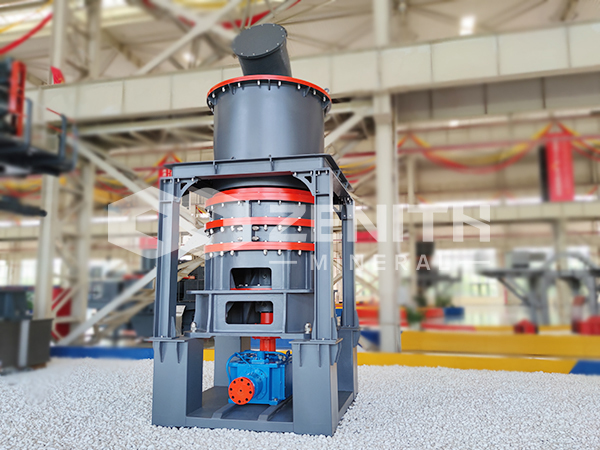
Shanghai Zenith Machinery Co., Ltd. has long been recognized as an excellent manufacturer of ore grinding equipment in China, achieving remarkable success in the field of ultra-fine powder grinding. With a dedicated focus on the research, development, and production of industrial powder grinding mills and related devices, Zenith offers a comprehensive portfolio that includes MTW Trapezium Grinding Mill, Ball Mill, MTM Medium-Speed Grinding Mill, Raymond Mill, LM Vertical Grinding Mill, LUM Ultrafine Vertical Mill, XZM Ultrafine Grinding Mill, and Hammer Mill. For Morocco’s phosphate sector, Zenith provides robust solutions that combine high grinding efficiency, low operating cost, and advanced process control.
Phosphate Rock Grinding: Process Overview
Phosphate rock extracted from mines in regions such as Khouribga, Benguerir, and Bou Craa typically contains impurities and requires beneficiation before being converted into fertilizer. After crushing and screening, the phosphate rock is fed into a grinding mill where it is pulverized to a fine powder, usually with a fineness of 80-200 mesh (0.18-0.075 mm) for further acidulation. In some wet-process phosphoric acid plants, the phosphate rock is ground to even finer sizes to increase the reaction surface area and optimize P2O5 recovery.
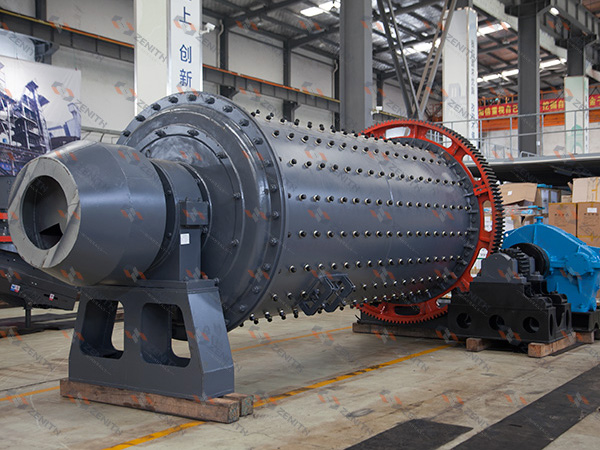
The grinding process is energy-intensive, and any inefficiency directly impacts production cost. Traditional mills such as Raymond mill or ball mill can handle phosphate rock, but they often suffer from high energy consumption, excessive wear, and lower capacity. Modern vertical roller mills and trapezium mills have emerged as superior alternatives, offering integrated functions of crushing, grinding, drying, and classifying in one unit. This is particularly beneficial for Morocco where phosphate rock may contain moisture that needs to be removed, and where production capacity demands can reach hundreds of tons per hour.
Key Criteria for Selecting a Phosphate Rock Grinding Mill
When choosing a grinding mill for phosphate rock in the fertilizer sector, several factors must be considered. First, the hardness and abrasiveness of phosphate rock vary depending on its geological origin. Most phosphate rock has a Mohs hardness of 2.5 to 4.5, which means it is relatively soft, but it can contain hard silica or carbonate impurities that cause wear. Second, the required product fineness is dictated by the downstream process: phosphoric acid production often needs 60-100% passing 100 mesh, while premium fertilizer grades might require 95% passing 200 mesh. Third, the moisture content of the feed material affects drying requirements; if the moisture is above 6%, an integrated drying system inside the mill is desirable.
Production capacity is another major factor. A mid-sized phosphoric acid plant may require 20-50 t/h of ground phosphate rock, while large integrated complexes in Morocco can demand capacities exceeding 100 t/h. The mill must offer stable operation under continuous heavy-duty service, with minimal unplanned downtime. Additionally, energy efficiency is paramount because electricity costs represent a significant portion of total grinding cost. The latest generation of vertical roller mills and trapezium mills can reduce energy consumption by 30-40% compared to conventional ball mills, making them a very attractive option for Moroccan producers.

Recommended Zenith Grinding Solutions
After thoroughly evaluating the requirements of Morocco’s phosphate fertilizer industry, Shanghai Zenith Machinery Co., Ltd. recommends the following two products as optimal grinding solutions: the MTW Trapezium Grinding Mill and the LM Vertical Grinding Mill. Both models integrate advanced technology, high efficiency, and industrial durability, making them ideal for large-scale phosphate rock processing.
MTW Trapezium Grinding Mill
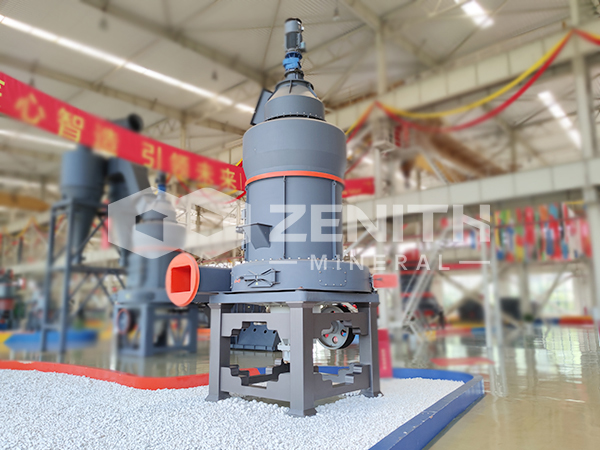
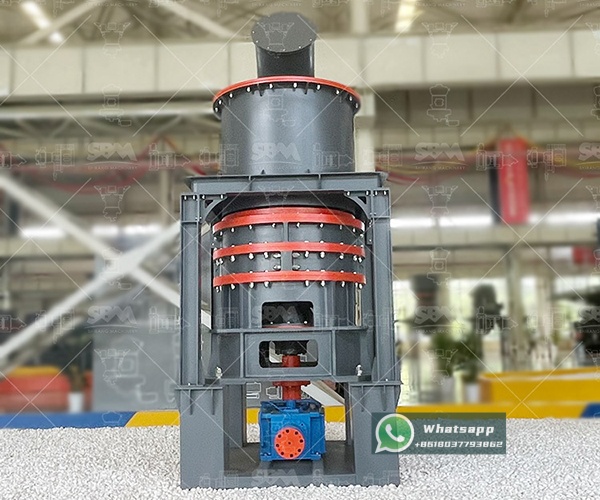
The MTW Trapezium Grinding Mill is a flagship product of Zenith, with multiple patents and a compact structure. It is specifically designed for processing mineral ores with a maximum feed size of up to 50 mm, and can produce final products as fine as 0.038 mm (about 400 mesh). The mill features an internal circulation system for rejected materials, reducing the risk of over-grinding and improving energy utilization. Its trapezium-shaped grinding rollers and rings create a larger grinding surface, enhancing grinding efficiency while extending the service life of wear parts.
For phosphate rock grinding, the MTW mill is suitable for medium-capacity operations. For example, model MTW175G has a capacity of 9.5-25 t/h with a main motor power of 160 kW. The larger model MTW215G can deliver 15-45 t/h with a main motor power of 280 kW. The ability to adjust the fineness from 1.6 mm down to 0.045 mm allows Moroccan producers to fine-tune the output according to their acidulation requirement. The MTW mill also features an environmentally friendly design with reduced noise and dust emissions, aligning with Morocco’s growing focus on sustainable industrial practices.
LM Vertical Grinding Mill
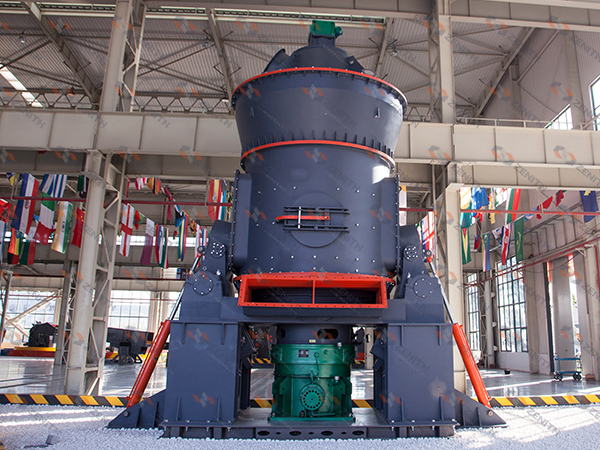
The LM Vertical Grinding Mill integrates five essential functions—crushing, grinding, powder selection, drying, and material conveying—into one single machine. This makes it exceptionally well-suited for handling phosphate rock that contains moisture or variable feed sizes. The vertical mill design occupies a smaller footprint, saving valuable plant space, and the absence of a ball mill’s rotating drum reduces mechanical wear and maintenance cost. The LM mill is also equipped with an intelligent control system that automates the grinding process, ensuring consistent product quality and stable operation.
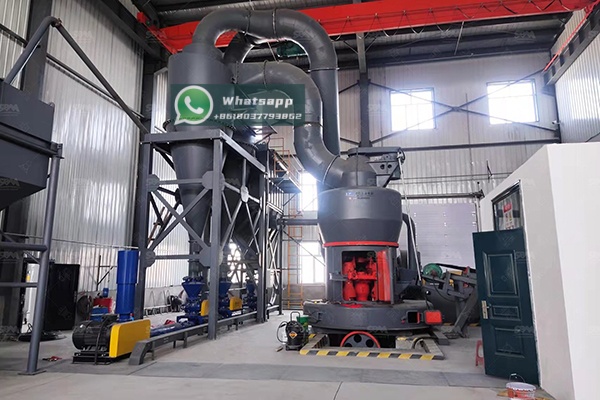
For high-capacity phosphate rock grinding, the LM vertical mill series offers the LM280K model with a plate diameter of 2800 mm, a capacity of 50-170 t/h, and an output fineness of 170-45 microns (roughly 80-325 mesh). This is an excellent choice for large-scale phosphoric acid plants in Morocco, where continuous high-throughput operation is essential. For ultra-fine phosphate rock powder applications, Zenith also offers the LM X-GX series with a fineness of 325-600 mesh, catering to specialty fertilizer products. The LM vertical mill’s ability to dry material with up to 15% moisture inside the mill is a significant advantage, as it eliminates the need for separate drying equipment.

Additional Considerations and Supporting Equipment
While the MTW and LM mills are the primary grinding equipment, a complete phosphate rock grinding system also includes feeders, conveyors, bucket elevators, dust collectors, and a central control system. Zenith offers complete turnkey solutions with these auxiliary components, ensuring seamless integration and optimized plant performance. The company’s after-sales service includes installation supervision, commissioning, operator training, and spare parts supply, which is crucial for minimizing operational downtime in a demanding industry.
Morocco’s phosphoric acid production sector has been expanding rapidly, with new projects in the OCP group and international partnerships. The demand for high-efficiency grinding mills continues to rise. By adopting advanced grinding technology, Moroccan fertilizer producers can significantly reduce their carbon footprint and energy costs while maintaining high product quality. The choice of a reliable grinding mill is not merely an equipment purchase; it is a strategic investment in production efficiency and environmental compliance.
Shanghai Zenith Machinery Co., Ltd. has established a strong track record of delivering grinding solutions across the globe, including in regions with similar ore characteristics to Morocco. Our experienced engineers can provide material testing, process design, and equipment selection based on actual phosphate rock samples. We are committed to supporting Morocco’s fertilizer sector with robust, innovative, and energy-saving grinding technologies.
Conclusion
In conclusion, the selection of a phosphate rock grinding mill is a critical decision for any Moroccan fertilizer manufacturer. The MTW Trapezium Grinding Mill and LM Vertical Grinding Mill from Shanghai Zenith Machinery Co., Ltd. represent the state-of-the-art in ore grinding technology, offering high capacity, low energy consumption, precise particle size control, and integrated drying capabilities. With Morocco’s abundant phosphate resources and its strategic role in global food security, optimizing the grinding process is key to maintaining competitive advantage. We are confident that Zenith’s grinding solutions will help Moroccan producers achieve higher productivity and greater sustainability in their phosphate fertilizer operations.
For detailed technical support or tailored equipment recommendations, please contact Shanghai Zenith Machinery Co., Ltd. Our team of experts is ready to assist you in selecting the ideal phosphate rock grinding mill for your specific requirements.
Key Equipment
Want This Solution for Your Project?
Contact us for a customized quotation and technical proposal.

Interested in This Solution?
Send us a message and our engineers will get back to you within 24 hours.