Introduction
Qatar’s construction sector is expanding at an unprecedented rate. As the country prepares for smarter and more sustainable urban living, insulation materials have become a central requirement for both commercial and residential buildings. The extreme desert climate, with summer temperatures often exceeding 45°C, makes thermal management essential. Among the many insulation materials available, perlite stands out because of its natural origin, low cost, and outstanding performance. Perlite is a volcanic glass that, when heated rapidly, expands into a lightweight, highly porous material. This expanded perlite is widely used in Qatar for roof insulation, wall panels, and lightweight concrete. To achieve the desired expansion and insulation efficiency, perlite must first be ground into a powder with a precise particle size distribution. That requirement calls for a dependable and advanced perlite powder mill.
Perlite and Its Insulation Applications in Qatar
Perlite is a siliceous volcanic rock containing 2 to 5 percent combined water. When crushed and heated above 850°C, the mineral expands up to 15 to 20 times its original volume, creating millions of tiny air pockets. These pockets give expanded perlite its excellent thermal insulation properties, low density, fire resistance, and sound absorption capacity. In Qatar’s building industry, expanded perlite is used in insulating plasters, cementitious screeds, roof boards, and as a lightweight aggregate in concrete blocks. It is also applied in cryogenic storage and pipeline insulation due to its ability to remain stable at very low temperatures. The quality and consistency of the perlite powder are vital because irregular particle sizes lead to uneven expansion, weak mechanical properties, and variable thermal performance.
The Importance of a Dedicated Perlite Powder Mill
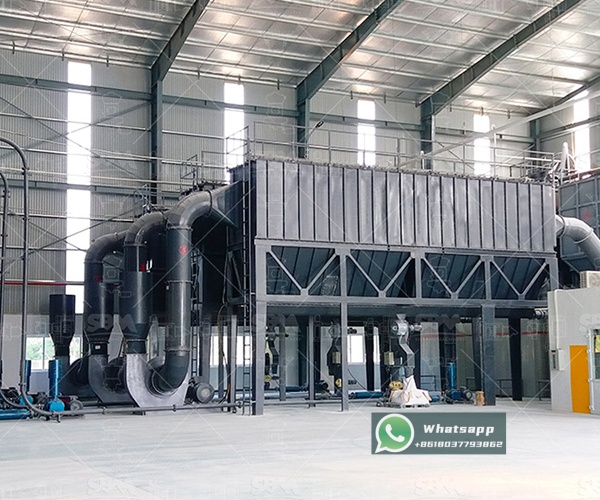
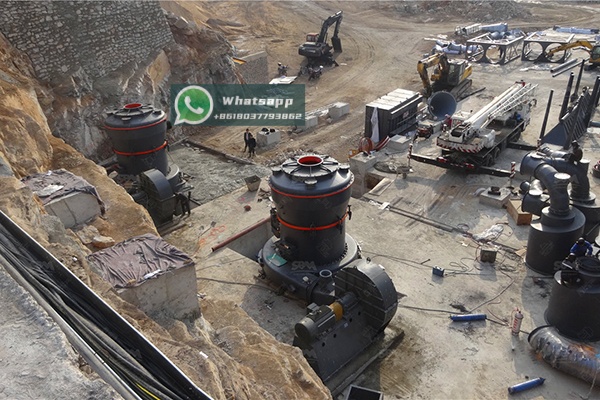
Producing premium perlite powder involves several stages: primary crushing, drying, grinding, classification, and collection. The grinding stage is particularly important because it determines the fineness, uniformity, and shape of the final particles. A high-performance perlite powder mill can reduce raw perlite ore to a controlled powder while minimizing fines and overgrinding. In Qatar, where energy costs and water scarcity are important factors, an energy-efficient and dust-tight grinding system is essential. Using a mill with an integrated classifier also eliminates the need for additional screening equipment, simplifying the plant footprint. Therefore, selecting the right grinding technology directly impacts both product quality and operating profitability.
Shanghai Zenith Machinery: A Leader in Grinding Technology
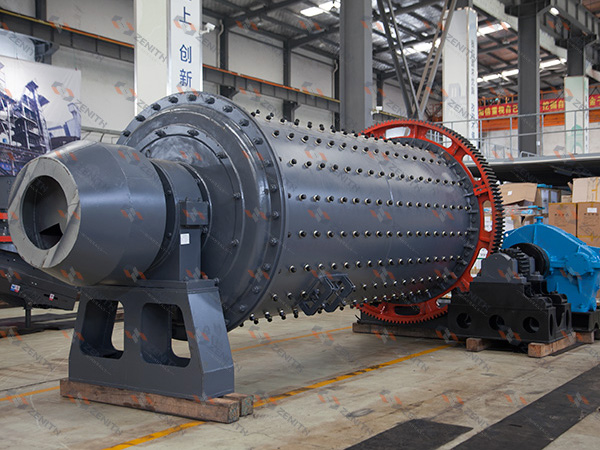
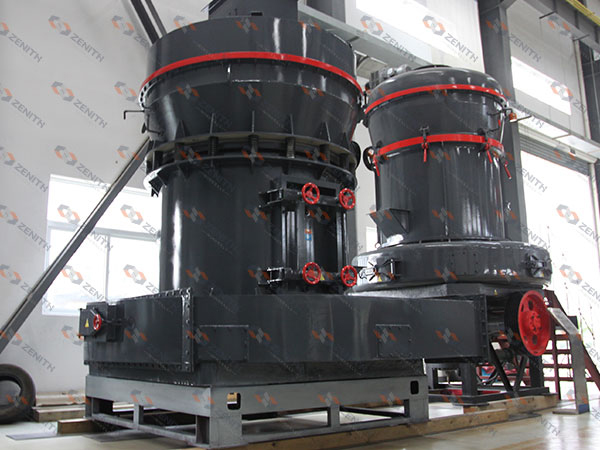
Shanghai Zenith Machinery Co., Ltd. is an excellent manufacturer of ore grinding equipment in China and has made great achievements in the field of ultra-fine powder grinding. For years, the company has specialized in the research, development, and production of industrial powder grinding equipment and other related devices. Its extensive product line includes the MTW Trapezium Grinding Mill, Ball Mill, MTM Medium-Speed Grinding Mill, Raymond Mill, LM Vertical Grinding Mill, LUM Ultrafine Vertical Mill, XZM Ultrafine Grinding Mill, and Hammer Mill. These machines are widely recognized for their robust construction, advanced engineering, high capacity, and environmental performance. Zenith’s mills are used across various industries, including construction materials, mining, metallurgy, and chemical engineering.
Recommended Grinding Mills for Perlite Insulation Powder
Depending on the target particle size and production capacity, Zenith offers several models that are particularly suitable for perlite powder production in Qatar. Two products stand out for their unique benefits.
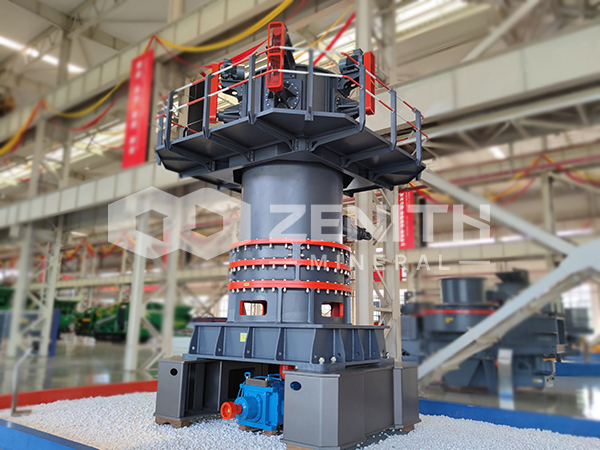
LUM Ultrafine Vertical Mill for Ultra-Fine Perlite Powder
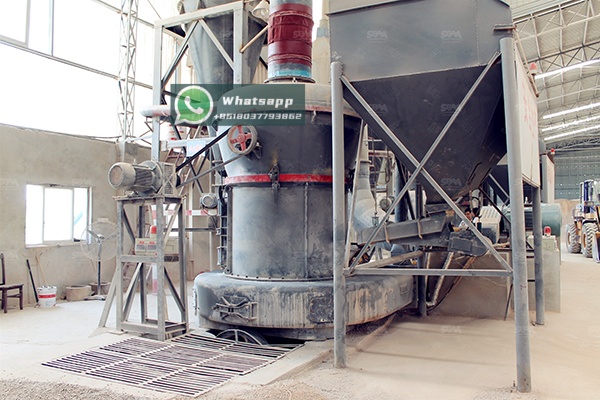
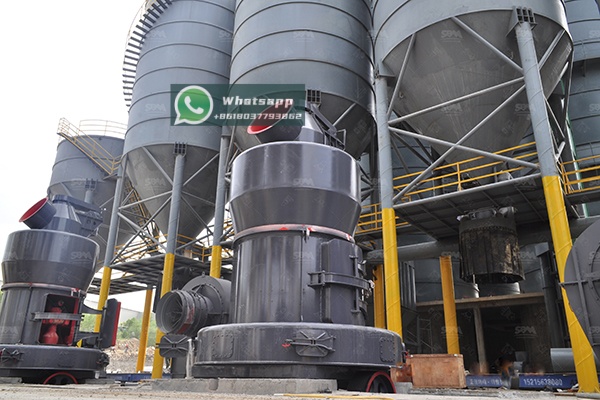
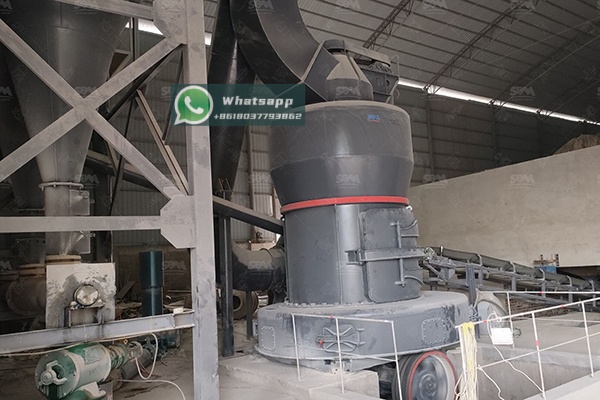
The LUM Ultrafine Vertical Mill is engineered to produce superfine powder with a D97 particle size distribution of 5 to 30 micrometers. This degree of fineness is especially valuable in the production of high-end perlite insulation boards and plasters, where a smooth surface and uniform pore structure are desirable. The mill integrates grinding, drying, classifying, and transportation in a single unit, resulting in a compact layout and low civil engineering costs. It also features intelligent PLC control and a hydraulic system that reduces downtime and simplifies maintenance. The following models are available: LUM1525 with main machine power of 220–250 kW and capacity of 1.6–11.5 t/h; LUM1632 with power of 280–315 kW and capacity of 2.0–13.5 t/h; and LUM1836 with power of 355–400 kW and capacity of 2.3–15 t/h. For a mid-sized Qatari perlite insulation plant, the LUM1632 provides an excellent balance of output and energy use.
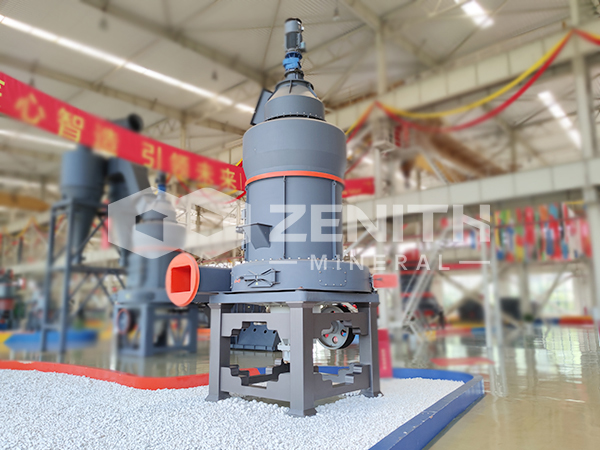
MTW Trapezium Grinding Mill for Flexible Perlite Powder Output
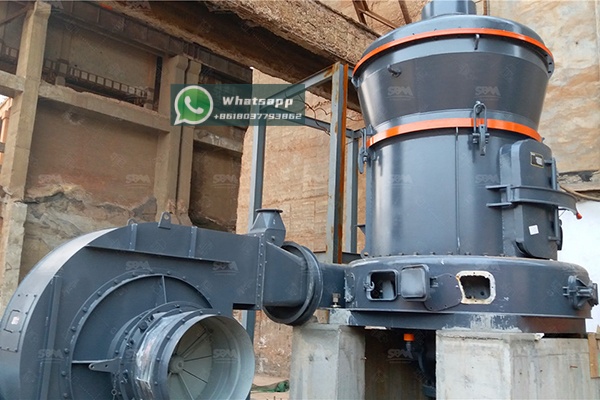
For manufacturers who need a wider range of final particle sizes, from 1.6 mm down to 0.045 mm, the MTW Trapezium Grinding Mill is a versatile and reliable solution. This mill has multiple patents and is known for its compact structure, long service life, and eco-friendly design. It accepts feed sizes up to 50 mm, allowing direct processing of crushed perlite ore. The MTW138Z model, with a main motor of 90 kW and a fan motor of 110 kW, can produce 6–17 t/h. The larger MTW175G uses a 160 kW main motor and 200 kW fan motor to achieve 9.5–25 t/h. The internal particle shape and uniform fineness of the MTW mill make it ideal for preparing expanded perlite aggregates, insulation fillers, and construction additives. In addition, the mill’s sealed design reduces dust leakage and noise, creating a safer and cleaner production environment in Qatar’s industrial zones.
Factors to Consider When Choosing a Perlite Powder Mill in Qatar
Qatari insulation material producers face unique conditions. High ambient temperatures and occasional sandstorms demand equipment with robust sealing and heat-resistant components. Power availability can be constrained in remote areas, so energy-efficient drives are desirable. The following factors should guide equipment selection:
- Capacity and fineness requirements: Choose a mill that matches your production target and essential particle size range.
- Feed size and hardness: Perlite is relatively soft, but it can contain silica impurities that cause abrasion. Select durable grinding parts.
- Moisture content: Raw perlite often contains moisture; an integrated drying function in vertical mills helps stabilize the process.
- Maintenance and after-sales support: A reliable supplier with local service or fast shipping of spare parts is critical for uninterrupted production.
- Environmental compliance: Dust emissions and noise must meet Qatar’s regulations. Zenith’s mills are designed with sealed systems and efficient dust collectors.
Conclusion
Perlite will continue to play a vital role in Qatar’s construction and insulation industries. Its natural properties, combined with modern grinding technology, enable manufacturers to produce lightweight, durable, and highly efficient insulation materials. The choice of a perlite powder mill is therefore not a minor purchasing decision; it is a long-term strategic investment. Shanghai Zenith Machinery Co., Ltd. provides world-class grinding equipment with proven performance, advanced control systems, and robust design. By recommending both the LUM Ultrafine Vertical Mill and the MTW Trapezium Grinding Mill, Zenith offers Qatari manufacturers the flexibility to produce both ultra-fine and coarser perlite powders as required. Contact Zenith today to obtain a custom milling solution, or request a site-specific recommendation for your perlite insulation plant.
Key Equipment
Want This Solution for Your Project?
Contact us for a customized quotation and technical proposal.
Interested in This Solution?
Send us a message and our engineers will get back to you within 24 hours.