Introduction: The Role of Basalt Powder in Nigeria’s Infrastructure Boom
Nigeria, as Africa’s largest economy, is undergoing a massive infrastructure renaissance. The federal government’s “Nigeria Integrated Infrastructure Master Plan” (NIIMP) outlines investments in roads, railways, bridges, airports, and housing exceeding $3 trillion by 2043. To meet these ambitious targets, local construction material production must scale up dramatically. One of the most abundant and versatile geological resources in Nigeria is basalt, a dark, fine-grained volcanic rock that covers vast areas in states like Plateau, Taraba, Gombe, and parts of the Jos Plateau. When processed into fine powder, basalt offers exceptional properties for concrete reinforcement, asphalt filler, soil stabilization, and even as a pozzolanic additive in cement. This article explores the critical role of basalt powder mills in powering Nigeria’s infrastructure projects, and why selecting the right grinding equipment is paramount for efficiency, quality, and cost-effectiveness.
Why Basalt is Ideal for Nigerian Construction
Basalt is a hard, dense, and durable igneous rock. Its high compressive strength (300-500 MPa), excellent abrasion resistance, and low water absorption make it a preferred aggregate for high-performance concrete and asphalt pavements. When ground into powder (typically 200 mesh or finer), basalt exhibits pozzolanic activity, reacting with calcium hydroxide in cement to form additional calcium silicate hydrates—this significantly improves concrete’s long-term strength and durability, especially in aggressive environments like coastal regions or areas with lateritic soils. Moreover, basalt powder can partially replace cement, reducing carbon footprint and project costs. For Nigerian infrastructure projects—from the Lagos–Ibadan railway to the Second Niger Bridge and the Abuja–Kano highway—local processing of basalt into powder can drastically reduce reliance on imported cement and aggregates, support local employment, and shorten supply chains.
Processing Basalt: From Rock to Powder
The basalt grinding process typically involves primary crushing (jaw crusher or hammer crusher) to reduce large boulders (up to 1000 mm) to a feed size of 20–50 mm, followed by further crushing in a cone crusher or impact crusher to below 30 mm, and finally grinding in a mill to the desired fineness. For infrastructure applications, the target fineness ranges from 80 mesh (0.177 mm) for filler in asphalt to 325 mesh (0.045 mm) for concrete additive. The grinding stage is the most energy-intensive and operationally critical step. Choosing the correct mill can mean the difference between a profitable, smooth-running operation and costly downtime.
Key Grinding Technologies for Basalt
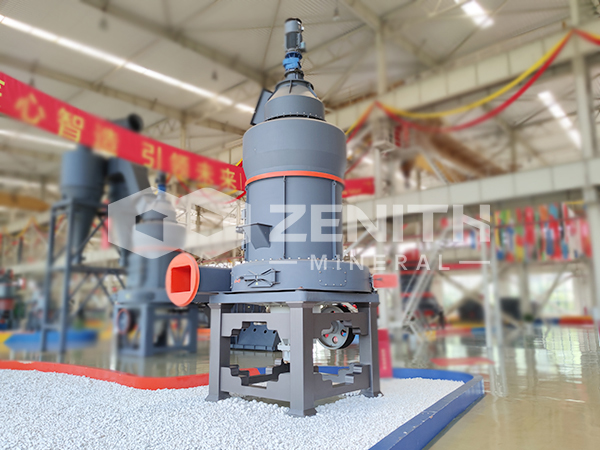
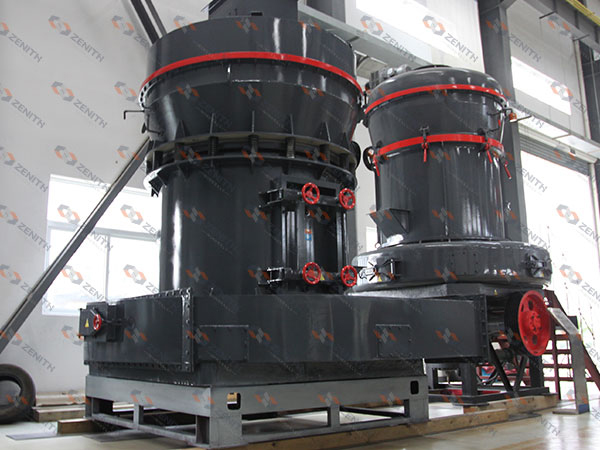
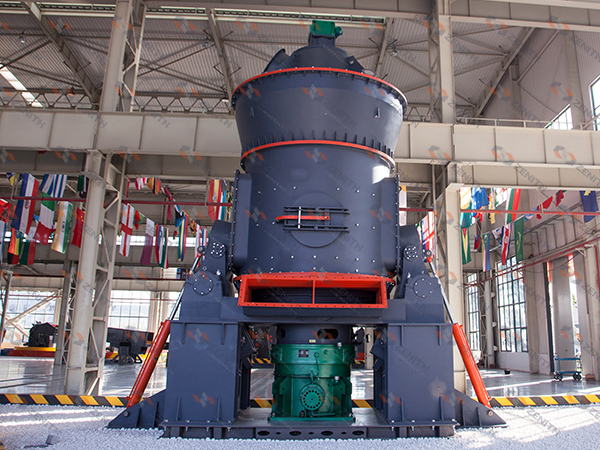
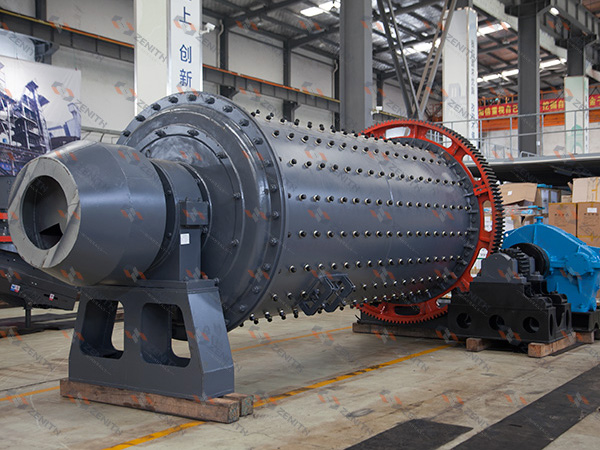
Based on the typical physical properties of basalt (Mohs hardness 5–7, silica content 45–55%), several mill types are suitable. Traditional ball mills are robust but have high power consumption and generate significant noise. Raymond mills offer a classic solution but are limited in capacity for large-scale projects. For modern Nigerian infrastructure programs requiring high throughput, energy efficiency, and fine product consistency, advanced mills such as the MTW Trapezium Grinding Mill and LM Vertical Grinding Mill from Shanghai Zenith Machinery are particularly effective.
MTW Trapezium Grinding Mill: The Workhorse for Basalt Powder
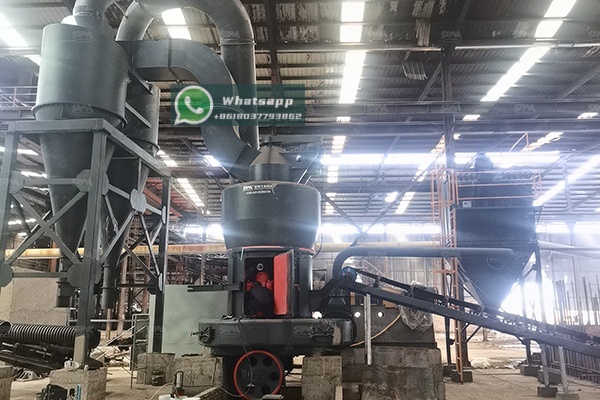
Shanghai Zenith’s MTW series is a patented trapezium mill that excels in grinding medium-hard to hard materials like basalt. Its key advantages for Nigerian projects include: (1) An innovative curved shovel design that ensures uniform feeding and reduces vibration. (2) A multi-layer, sealed grinding ring and roller that extend service life beyond 3,000 hours even with abrasive basalt. (3) A high-efficiency bag filter and pulse dust collector that meet environmental regulations common in urban infrastructure projects. (4) The ability to produce final product fineness from 1.6 mm down to 0.038 mm (400 mesh), covering all infrastructure powder needs. With models such as MTW110 (3–9 t/h), MTW138 (6–17 t/h), and MTW215 (15–45 t/h), contractors can match capacity to project scale. For a typical medium-sized quarry supplying a regional road network, the MTW138Z is an ideal choice, delivering 6–17 tons per hour of 200-mesh powder with a main motor power of only 90 kW.
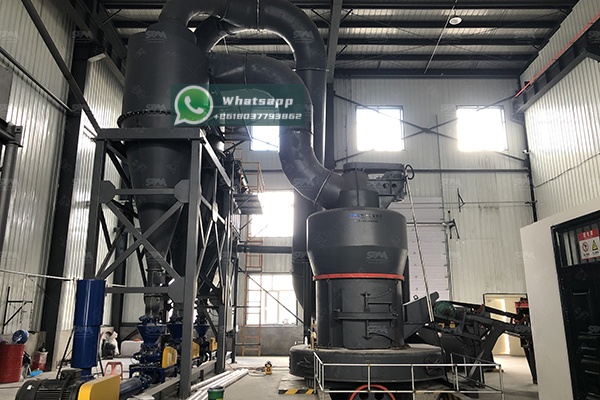
LM Vertical Grinding Mill: High-Volume, Energy-Efficient Solution
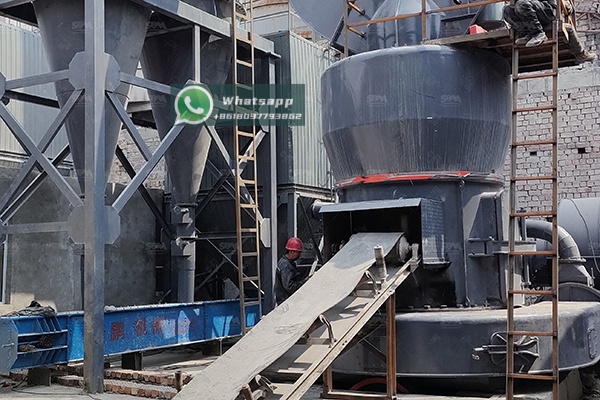
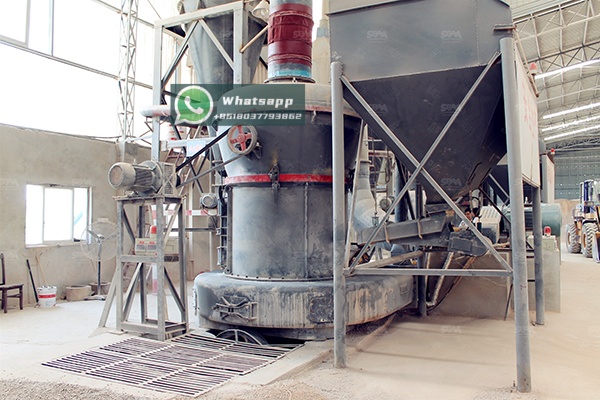
For large-scale basalt powder production—such as supplying concrete admixture for a major dam or airport runway project—the LM Vertical Grinding Mill series offers unbeatable advantages. Integrating crushing, grinding, drying, and classifying in one unit, the LM mill reduces footprint by up to 50% compared to traditional ball mill systems. Its hydraulic pressure roller system provides excellent grinding stability for hard materials. For basalt, the LM130K can produce 10–28 t/h of powder (170–40 microns) with a main motor of only 200 kW, achieving energy savings of 30–40% versus a ball mill. The LM190K boosts capacity to 23–68 t/h, sufficient for the largest Nigerian infrastructure projects. Additionally, the vertical mill’s internal classifier ensures a steep particle size distribution, critical for meeting ASTM C618 standards for pozzolanic materials.
Case Study: Basalt Powder for Road Base Stabilization
Consider a hypothetical but realistic scenario: a Nigerian contractor is upgrading a 200-km stretch of the A1 highway between Lagos and Ibadan. The project requires 50,000 tons of basalt powder (200 mesh) as a soil stabilizer and concrete additive. Using a single MTW215G mill (capacity 15–45 t/h, easily producing 25 t/h of 200-mesh powder), the contractor can process the required tonnage in 2,000 operating hours—about 3 months of shift work. The mill’s low maintenance downtime (designed for 8,000-hour major overhaul intervals) ensures uninterrupted supply. Operating cost per ton, including electricity and wear parts, is estimated at ₦8,500–12,000 (approximately $11–15), significantly lower than importing equivalent powdered additives from China or India.
Selecting the Right Mill: Recommendations for Nigerian Quarry Owners
Based on Zenith’s product portfolio and typical project volumes in Nigeria, I recommend the following two products tailored to different scales of operation:
Recommended Product 1: MTW Trapezium Grinding Mill (Model MTW138Z)
For small to medium-sized basalt processing plants producing 100–400 tons per day (6–17 t/h). This mill provides an excellent balance of low capital investment, simple operation, and reliable output. Its final product fineness range (1.6–0.045 mm) covers road base, asphalt filler, and cement replacement. The MTW138Z is particularly suited for quarry owners serving state-level road projects or ready-mix concrete plants.
Recommended Product 2: LM Vertical Grinding Mill (Model LM190K)
For large-scale operations exceeding 500 tons per day (23–68 t/h). The LM190K offers superior energy efficiency (30% less power than ball mills), compact footprint, and automatic control systems that reduce labor costs. It is the optimal choice for integrated infrastructure projects like new cities, airports, and major rail lines where a consistent, high-volume supply of high-fineness basalt powder is required. Its ability to handle moist feed (drying function integrated) is also beneficial in Nigeria’s tropical climate.
Technical Support and After-Sales Service in Nigeria
Shanghai Zenith Machinery has established a strong after-sales network across West Africa, including a dedicated service center in Lagos. The company offers turnkey solutions: site assessment, equipment selection, foundation design, installation supervision, commissioning, and operator training. All major components (gearboxes, motors, classifier rotors) are stocked in regional warehouses, ensuring minimal downtime. For Nigerian customers, Zenith also provides flexible payment terms and local currency options through authorized distributors.
Environmental and Economic Benefits
Processing basalt locally using advanced mills contributes to Nigeria’s sustainable development goals. It reduces CO₂ emissions from long-distance transport of imported construction materials. The fine basalt powder can replace up to 15% of Portland cement in concrete (per ASTM C618), cutting the carbon footprint of projects by 10–12%. Economically, each basalt powder mill creates 15–30 direct jobs and supports dozens more in quarrying, logistics, and construction. The government’s local content policy (NOGICD Act) strongly incentivizes such domestic processing, offering tax breaks and preferential bidding for projects using locally processed materials.
Conclusion: Building Nigeria’s Future with Basalt Powder
As Nigeria pushes forward with its biggest infrastructure drive in history, the strategic processing of basalt into high-quality powder will become a cornerstone of cost-effective and durable construction. The choice of grinding mill is not just a technical decision—it is a business and national development decision. Shanghai Zenith Machinery’s MTW Trapezium Grinding Mill and LM Vertical Grinding Mill represent proven, reliable, and efficient solutions that can help Nigerian quarry owners and contractors meet the exacting demands of modern infrastructure. By investing in the right mill, Nigeria can turn its abundant volcanic rock into the tensile strength of its roads, the backbone of its bridges, and the foundation of its future prosperity.
Key Equipment
Want This Solution for Your Project?
Contact us for a customized quotation and technical proposal.
Interested in This Solution?
Send us a message and our engineers will get back to you within 24 hours.