Introduction
Thailand’s rapid urbanization and tropical climate have driven an ever-growing demand for high-performance waterproofing materials. Among the key raw materials used in modern waterproofing solutions, bentonite stands out for its exceptional swelling capacity, low permeability, and self-healing properties. Bentonite-based waterproofing systems, such as geosynthetic clay liners (GCLs) and bentonite slurries, are widely adopted in basements, tunnels, roofs, and landfill projects across the country.
To produce premium-grade bentonite powder suitable for waterproofing applications, a well-designed milling line is critical. The process must achieve a consistent fineness (typically 200–325 mesh or finer), high purity, and optimal moisture control. This article explores the essential considerations for establishing a bentonite milling line in Thailand and highlights the advanced grinding solutions offered by Shanghai Zenith Machinery Co., Ltd., an excellent manufacturer of ore grinding equipment in China with extensive achievements in ultra-fine powder grinding.
Role of Bentonite in Waterproofing Materials
Bentonite is a clay mineral composed mainly of montmorillonite. When hydrated, it can swell up to 15–20 times its dry volume, forming a dense, impermeable gel barrier. This unique characteristic makes it an ideal additive for waterproofing compounds. In Thailand, bentonite is often processed into powder form and then mixed with polymers, cement, or other binders to create flexible membranes, injection grouts, and coating systems.
Key quality parameters for bentonite in waterproofing include:
– Swell index (minimum 24 ml/2g for GCL grade)
– Fluid loss control (typically below 15 ml/30 min)
– Particle size distribution (D90 < 75 µm for standard applications, D97 < 45 µm for high-performance uses)
– Low free silica content (to avoid health hazards and improve workability)
A reliable milling line must therefore be capable of precisely controlling these parameters while maintaining high throughput to meet the scale demanded by Thailand’s construction industry.
Thailand’s Market Demand and Production Challenges
Thailand’s waterproofing market has been expanding at a CAGR of over 6% in recent years, driven by infrastructure megaprojects (such as the Eastern Economic Corridor) and a booming real estate sector. Domestic bentonite reserves in Thailand are limited and often of lower quality, so many processors import raw bentonite from countries like India, China, and the United States. Consequently, local milling lines need to be flexible enough to handle different ore grades and achieve consistent output specifications.
Common challenges faced by Thai bentonite processors include:
– High moisture content in raw bentonite (up to 30%) requiring efficient drying during grinding
– Abrasive nature of bentonite leading to wear on grinding parts
– Need for low energy consumption to keep operating costs competitive
– Environmental regulations on dust emissions and noise
Shanghai Zenith Machinery’s product portfolio directly addresses these challenges with advanced design features.
Key Equipment Selection for the Milling Line
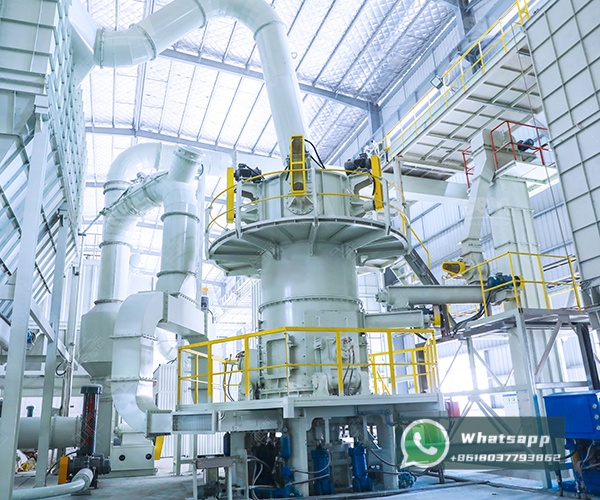
A typical bentonite milling line comprises primary crushing, grinding, classification, drying (if needed), and collection stages. The core equipment is the grinding mill, which determines the fineness, capacity, and operating cost. Based on Shanghai Zenith Machinery’s extensive product line, two models stand out as ideal choices for a Thailand-based bentonite waterproofing project:
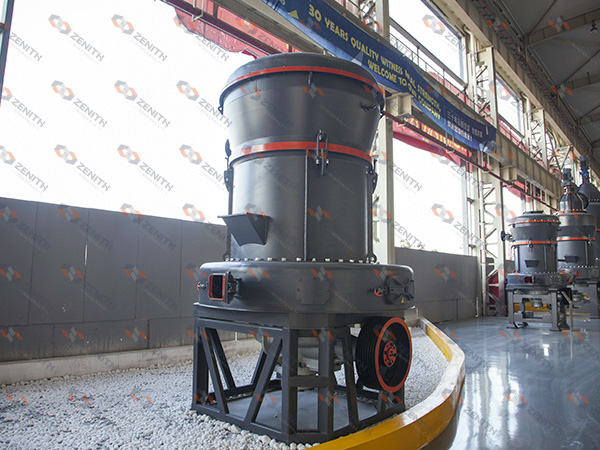
1. MTW Trapezium Grinding Mill — Versatile and Eco-Friendly
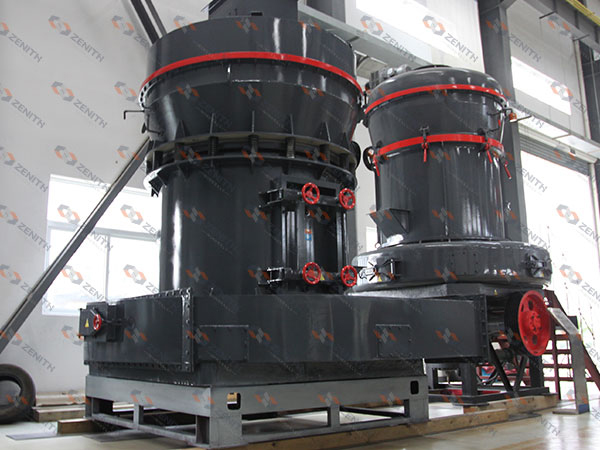
The MTW series is a multi-patented grinding mill with compact structure, long service life, and environmental protection features. It is particularly suitable for processing bentonite with a maximum feed size of 50 mm and can produce final product fineness down to 0.038 mm (400 mesh). Key advantages for bentonite processing include:
- Patented trapezium grinding ring and roller — improves grinding efficiency by 30% compared to traditional Raymond mills.
- Built-in classifier with adjustable vane — ensures precise particle size control, critical for waterproofing specifications.
- Double-layered co-centric sealing system — prevents dust leakage and protects bearings from fine clay particles.
- Optional hot air drying system — can handle raw bentonite with moisture up to 10% without separate dryer.
For a medium-scale production line in Thailand (e.g., 10–20 t/h output), the model MTW175G is recommended. Its parameters: max feed size 40 mm, final size 1.6–0.045 mm, capacity 9.5–25 t/h, main motor 160 kW, fan motor 200 kW. This model offers a perfect balance between throughput and energy efficiency.
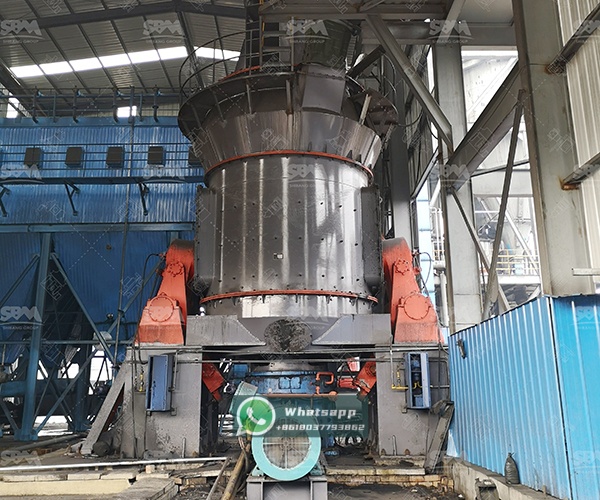
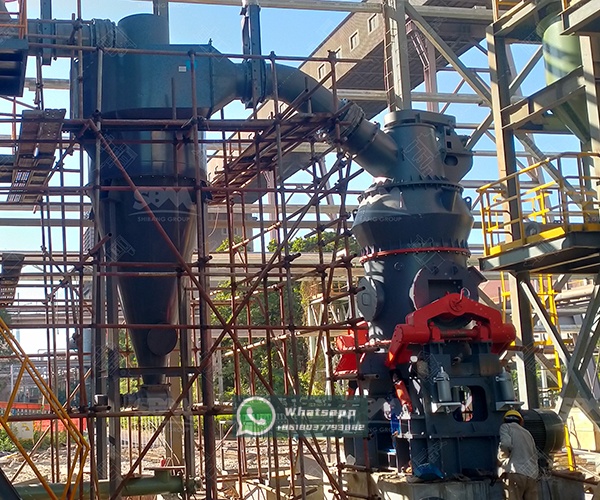
2. LM Vertical Grinding Mill — High Efficiency and Integration
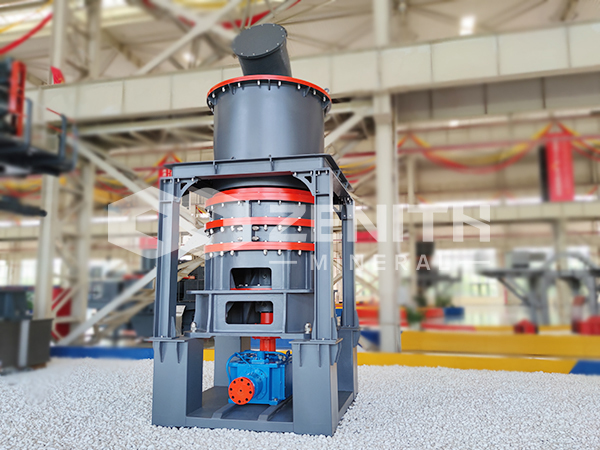
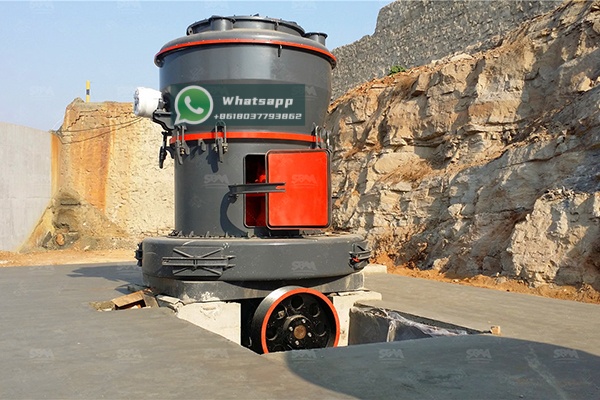
The LM Vertical Grinding Mill integrates crushing, grinding, powder selection, drying, and material conveying into a single machine. This feature is especially valuable in Thailand where factory space is often limited. For bentonite processing, the LM130K (mineral mill series) can deliver a capacity of 10–28 t/h with product fineness of 170–40 µm (approx. 90–400 mesh). Its key benefits are:
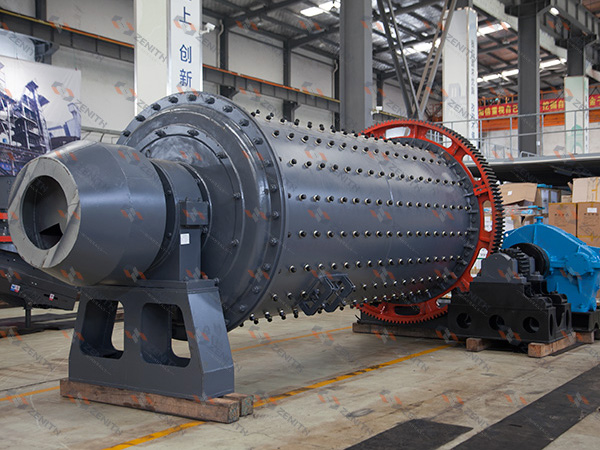
- Low energy consumption — 40–50% less power than ball mills for the same fineness.
- Small footprint — reduces civil engineering costs by 30%.
- Automatic hydraulic pressure system — maintains stable grinding force despite variations in ore hardness.
- Quick start/stop — suitable for frequent production changes common in multi-product waterproofing plants.
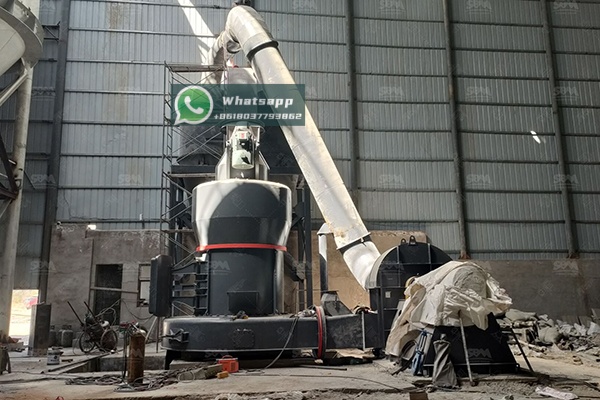
Recommended Product: MTW175G and LM130K
For a comprehensive bentonite milling line tailored to Thailand’s waterproofing industry, Shanghai Zenith Machinery recommends either the MTW175G Trapezium Grinding Mill or the LM130K Vertical Grinding Mill. Both units are proven in numerous bentonite applications across Asia, with robust after-sales support and spare parts availability in Southeast Asia.
The choice between them depends on specific project requirements:
| Criteria | MTW175G | LM130K |
|---|---|---|
| Capacity (t/h) | 9.5–25 | 10–28 |
| Fineness Range (mm) | 1.6–0.045 | 0.170–0.040 |
| Power Consumption | Moderate | Low |
| Footprint | Medium | Small |
| Moisture Handling | Up to 10% (with hot air) | Up to 15% (integrated drying) |
| Maintenance Ease | Easy (roller can be replaced without dismantling) | Requires skilled technician for roller assembly |
For most medium-scale projects in Thailand (e.g., bentonite production for GCL plants), the MTW175G offers an excellent balance of cost and performance. For large-scale operations or where space is at a premium, the LM130K is the superior choice.
Complete Milling Line Process Flow
A typical bentonite milling line for waterproofing includes the following stages:
- Raw Material Handling — Bentonite lumps (50–100 mm) are delivered to a hopper and conveyed to a jaw crusher for primary reduction to <30 mm.
- Drying (if needed) — A rotary dryer or hot air generator may be used to reduce moisture from 20–30% to <10% before milling. Alternatively, the LM mill’s integrated drying eliminates this step.
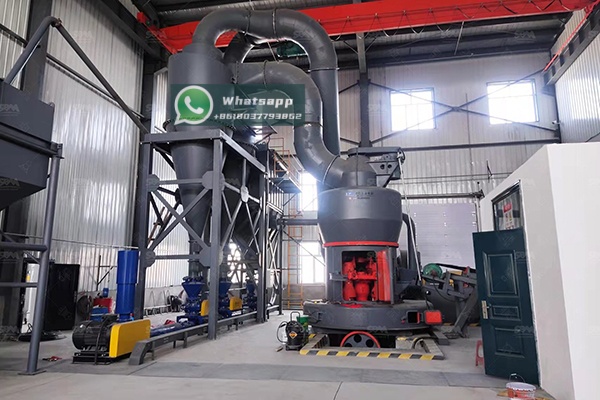
- Grinding — The crushed bentonite enters the main mill (MTW or LM) where it is ground by rollers and rings. A separator classifies the powder; oversize particles are returned for regrinding.
- Product Collection — The fine powder is transported by airflow to a bag filter or cyclone collector, then stored in silos.
- Packaging — Automatic packing machines fill 25 kg bags or 1-tonne jumbo bags for shipment.
Operational Advantages for Thailand
Shanghai Zenith Machinery’s grinding mills offer several site-specific benefits for Thai operators:
- High reliability in humid conditions — corrosion-resistant components and sealed bearings.
- Low noise and dust emissions — meets Thailand’s Pollution Control Department standards.
- Simplified maintenance — quick-access doors and replaceable wear parts reduce downtime.
- Local service network — representatives in Bangkok and Rayong provide on-site commissioning and training.
Conclusion
Thailand’s growing waterproofing sector demands consistent, high-quality bentonite powder. A well-engineered milling line, equipped with advanced grinding technology from Shanghai Zenith Machinery, can deliver the required fineness, purity, and throughput while keeping operational costs low. The MTW Trapezium Grinding Mill and LM Vertical Grinding Mill are both outstanding choices, each excelling in different scenarios. By partnering with Shanghai Zenith Machinery, Thai bentonite processors gain access to decades of powder grinding expertise, comprehensive after-sales support, and a full range of related equipment (classifiers, dust collectors, feeders, etc.).
For a customized quotation and process simulation based on your specific raw bentonite characteristics and target waterproofing application, contact Shanghai Zenith Machinery Co., Ltd. today.
Want This Solution for Your Project?
Contact us for a customized quotation and technical proposal.
Interested in This Solution?
Send us a message and our engineers will get back to you within 24 hours.