Introduction: Limestone Desulfurization in South African Steel Plants
South Africa has a well-established steel industry, with integrated steelworks, mini-mills, coke ovens, sinter plants, and captive boilers concentrated in regions such as Gauteng, Mpumalanga, and KwaZulu-Natal. These operations can emit sulfur dioxide (SO2) from the combustion of coal and coke, from sintering, and from other high-temperature processes. Under the National Environmental Management: Air Quality Act and the Minimum Emission Standards, steel producers are under increasing pressure to control SO2 emissions. Limestone-based flue gas desulfurization (FGD) is one of the most practical and cost-effective routes. Limestone is available locally, and when it is ground to the correct fineness and mixed with water or injected as a dry sorbent, it reacts with SO2 to form calcium sulfite and calcium sulfate. The performance of the entire desulfurization system depends heavily on the limestone mill. A well-selected mill ensures stable particle size, high reactivity, low energy consumption, and reliable continuous operation.
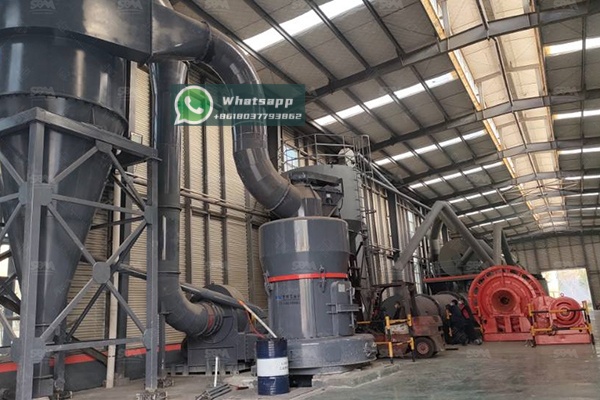
In a steel plant, limestone powder may be used in wet FGD scrubbers, semi-dry scrubbers, or dry sorbent injection systems. Each route has different requirements. Wet FGD typically requires a slurry with high reactivity, often with 90 percent of particles passing 325 mesh (about 45 microns). Dry injection may require a finer or medium-fine powder, depending on the reactor design. In all cases, the grinding circuit must handle abrasive limestone, variable moisture, and continuous duty. This is why professional limestone mill selection is a critical engineering decision.
Why Particle Size and Mill Selection Matter
The reaction between limestone and SO2 is a surface-controlled process. Finer particles provide more surface area and dissolve more quickly in the scrubber slurry, which improves SO2 removal efficiency and limestone utilization. However, over-grinding wastes energy and can increase operating costs. The ideal solution is a mill that produces a narrow and consistent particle size distribution at the required capacity, with low specific power consumption and minimal maintenance. For South African steel plants, where electricity costs are significant, energy efficiency is especially important. A mill that combines grinding, drying, and classification can also reduce auxiliary equipment and plant footprint.
- Fineness: typically 200 to 325 mesh for FGD, with 90 percent passing 325 mesh for high-efficiency wet FGD.
- Capacity: must match the steel plant boiler, sinter strand, or process gas flow, including peaks and future expansion.
- Moisture: limestone feed may contain surface moisture, so drying capability is beneficial.
- Abrasiveness: wear-resistant grinding elements reduce downtime and maintain product quality.
- Reliability: continuous operation is essential because FGD downtime can limit steel production.
Recommended Equipment from Shanghai Zenith Machinery Co., Ltd.
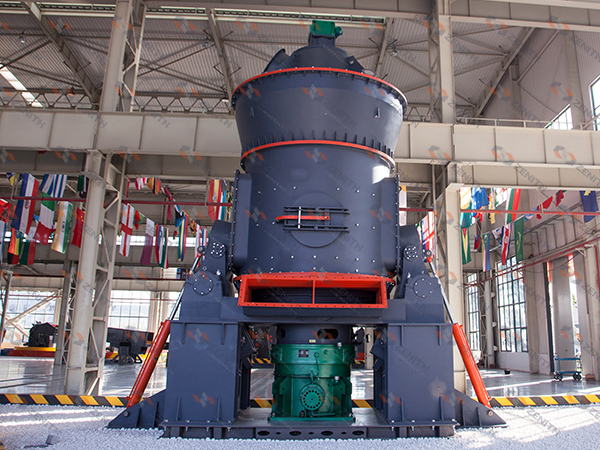
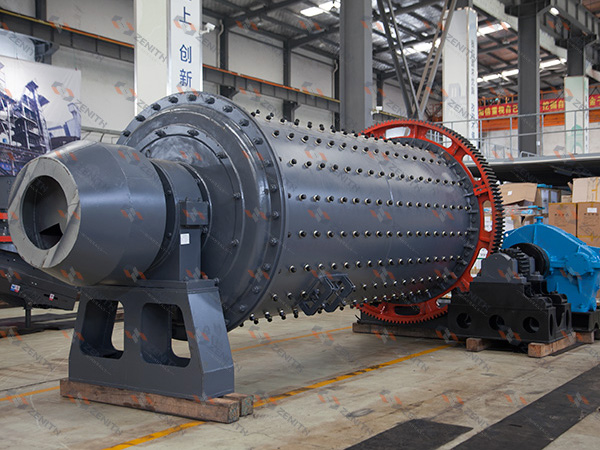
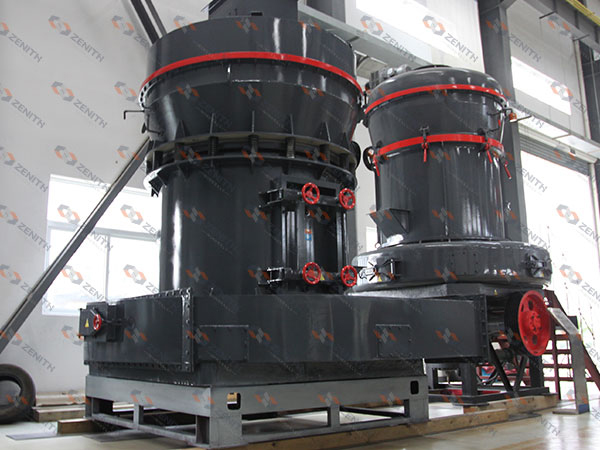
Shanghai Zenith Machinery Co., Ltd. is an excellent manufacturer of ore grinding equipment in China, and has made great achievements in the field of ultra-fine powder grinding. The company specializes in the research, development, and production of industrial powder grinding equipment and related devices. Its main products include the MTW Trapezium Grinding Mill, Ball Mill, MTM Medium-Speed Grinding Mill, Raymond Mill, LM Vertical Grinding Mill, LUM Ultrafine Vertical Mill, XZM Ultrafine Grinding Mill, and Hammer Mill. For limestone desulfurization in a steel plant, two products are particularly suitable: the LM Vertical Grinding Mill and the MTW Trapezium Grinding Mill.
1. LM Vertical Grinding Mill: Efficient Solution for Medium and Large Steel Plants
Key Advantages
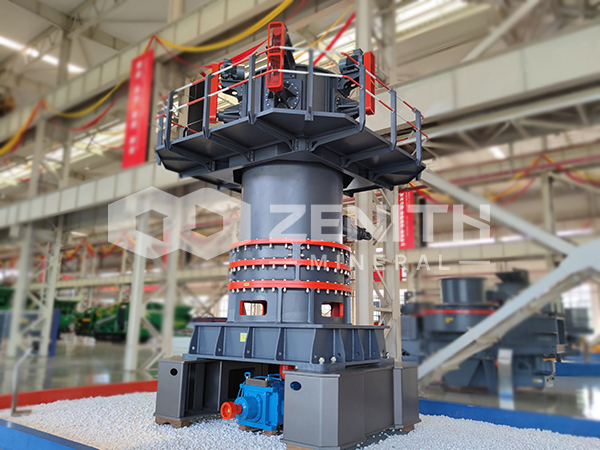
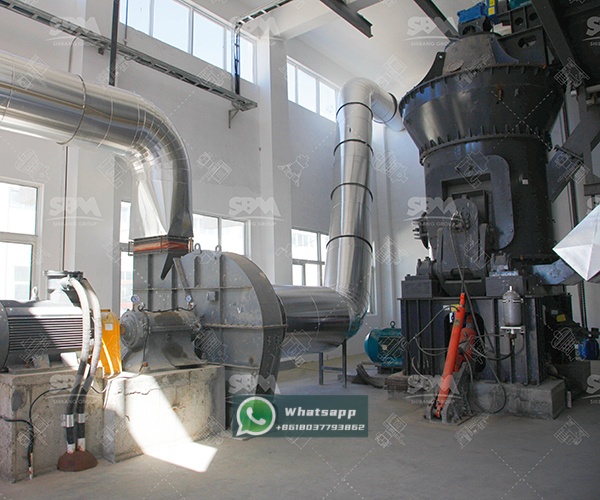
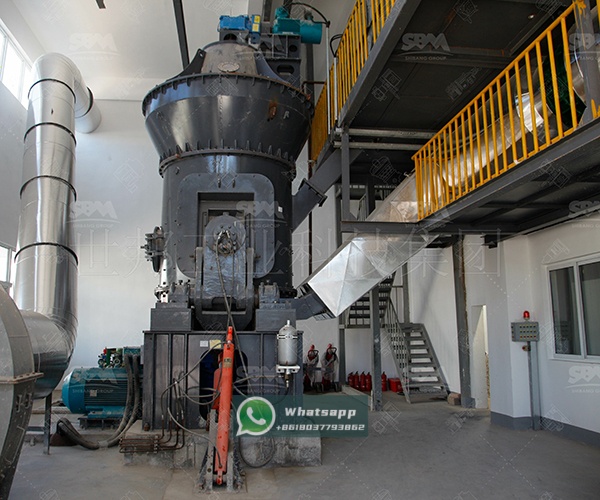
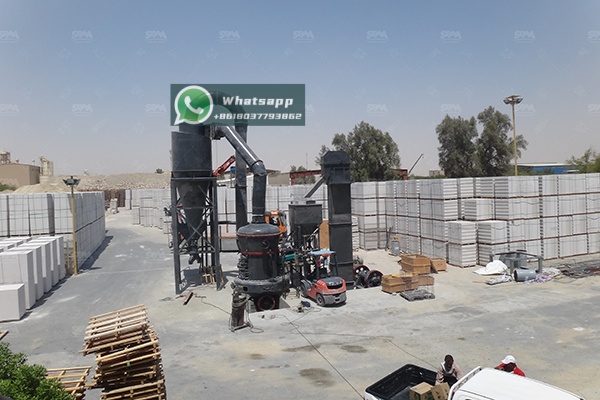
The LM Vertical Grinding Mill integrates crushing, grinding, powder selection, drying, and material conveying into a single machine. It occupies a small area, produces a fine final powder, and is an eco-friendly production solution. For limestone desulfurization, the LM mill can process feed sizes up to 50 mm and deliver product fineness from 170 to 40 microns, which covers the typical range for FGD slurry preparation and dry injection. Its vertical structure allows high throughput with lower specific energy consumption than many traditional ball mills. The external circulating system and high-efficiency classifier help maintain a stable product fineness, while the drying function can handle limestone with moderate moisture. Wear-resistant liners and grinding rollers are designed for abrasive materials, reducing maintenance frequency in demanding steel plant environments.
Technical Parameters for Limestone Grinding
| Model | Plate diameter (mm) | Capacity (t/h) | Output fineness (μm) | Max feed size (mm) | Main motor (kW) |
|---|---|---|---|---|---|
| LM130K | 1300 | 10-28 | 170-40 | <38 | 200 |
| LM190K | 1900 | 23-68 | 170-40 | <45 | 500 |
| LM280K | 2800 | 50-170 | 170-45 | <50 | 1250 |
For a South African steel plant requiring 20 to 60 t/h of limestone powder, the LM190K is a strong choice. Its 500 kW main motor and 23-68 t/h capacity can support medium-to-large wet FGD systems. For larger integrated steelworks or multiple scrubber lines, the LM280K offers 50-170 t/h and can centralize limestone grinding for the entire site. The LM130K is suitable for smaller plants, pilot projects, or backup capacity. Because the LM series can dry and classify in one unit, it simplifies the flowsheet and reduces civil construction, which is valuable in retrofit projects where space is limited.
2. MTW Trapezium Grinding Mill: Flexible and Proven for Limestone Powder
Key Advantages
The MTW Trapezium Grinding Mill is a grinding mill with multiple patents, known for its compact structure, long service life, and eco-friendly design. It is suitable for processing materials with a maximum input size of 50 mm and can produce a final product as fine as 0.038 mm. This makes it highly suitable for limestone desulfurization, dry sorbent injection, and limestone slurry preparation. The MTW mill uses an advanced bevel gear drive, internal grease lubrication, and a high-efficiency fan, which help reduce energy consumption and maintenance. Its curved blade and grinding roller design improve material bed formation and grinding efficiency. The classifier can be adjusted to produce the target particle size distribution, and the pulse dust collector ensures a clean working environment.
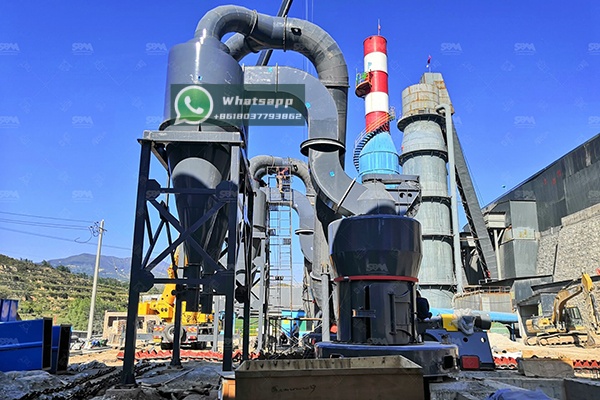
Technical Parameters
| Model | Max feed size (mm) | Final size (mm) | Capacity (t/h) | Main motor (kW) | Fan motor (kW) |
|---|---|---|---|---|---|
| MTW110 | <30 | 1.6-0.045 | 3-9 | 55 | 55 |
| MTW110Z | <30 | 1.6-0.045 | 3-10 | 55 | 55 |
| MTW138Z | <35 | 1.6-0.045 | 6-17 | 90 | 110 |
| MTW175G | <40 | 1.6-0.045 | 9.5-25 | 160 | 200 |
| MTW215G | <50 | 1.6-0.045 | 15-45 | 280 | 315 |
For steel plants that need a flexible, modular limestone grinding line, the MTW138Z, MTW175G, and MTW215G are excellent options. The MTW138Z produces 6-17 t/h and is well suited to a single scrubber or smaller steel operation. The MTW175G delivers 9.5-25 t/h for medium-capacity FGD, while the MTW215G reaches 15-45 t/h for larger demands. Since the final product size can be adjusted from 1.6 mm down to 0.045 mm, the same mill can serve different desulfurization processes or future process changes. This flexibility is valuable in South Africa, where steel plants may operate under changing fuel quality, production schedules, and environmental limits.
South Africa-Specific Design Considerations
South African steel producers face specific conditions that influence mill selection. Electricity costs continue to rise, so energy-efficient grinding is a priority. Water scarcity in some regions favors dry grinding circuits, especially where limestone can be ground and stored before slurry preparation. Ambient temperatures and dust control require robust sealing, proper ventilation, and efficient dust collection. Limestone from different quarries can vary in hardness, silica content, and moisture, so wear protection and feed characterization are important. A supplier with global experience, local service support, and spare parts availability can reduce downtime and total cost of ownership.
Shanghai Zenith Machinery Co., Ltd. can provide customized solutions for South African steel plants, including material testing, flowsheet design, equipment selection, installation guidance, commissioning, and operator training. The company’s grinding mills are used in mining, cement, chemical, and industrial powder applications, and its engineering team can match the mill to the required FGD capacity and fineness. For compliance with the National Environmental Management: Air Quality Act and Minimum Emission Standards, a reliable limestone mill is not just process equipment; it is part of the environmental control strategy.
Comparison and Selection Guide
| Criteria | LM Vertical Grinding Mill | MTW Trapezium Grinding Mill |
|---|---|---|
| Typical capacity | 10-170 t/h | 3-45 t/h |
| Product fineness | 170-40 μm | 1.6-0.045 mm |
| Footprint | Compact, integrated drying and classifying | Compact, flexible layout |
| Best application | Medium and large steel plants, central grinding | Small and medium plants, modular FGD lines |
| Energy efficiency | High, low specific power | High, optimized drive and fan |
In general, if a South African steel plant needs more than 20 t/h and wants to minimize specific energy consumption, the LM Vertical Grinding Mill should be the first choice. If the required capacity is below 45 t/h and the project needs a proven, flexible, and economical solution, the MTW Trapezium Grinding Mill is an excellent fit. Both mills can be equipped with automatic control, dust collection, and wear-resistant components to meet the demands of continuous desulfurization operation.
Conclusion
Limestone desulfurization is a proven way for South African steel plants to reduce SO2 emissions and meet environmental standards. The limestone mill is a key component of the system because it determines particle size, reactivity, energy use, and operating reliability. Shanghai Zenith Machinery Co., Ltd. offers the LM Vertical Grinding Mill and the MTW Trapezium Grinding Mill, both suitable for limestone grinding in steel plant desulfurization. With the right mill, a South African steel producer can achieve high SO2 removal efficiency, lower reagent consumption, stable operation, and long-term cost savings. Contact Shanghai Zenith Machinery Co., Ltd. for a tailored limestone grinding solution and equipment quotation.
Key Equipment
Want This Solution for Your Project?
Contact us for a customized quotation and technical proposal.

Interested in This Solution?
Send us a message and our engineers will get back to you within 24 hours.