Introduction: Why Desulfurization Powder Matters in the United States
The United States has made significant progress in reducing sulfur dioxide (SO2) emissions from fossil fuel power plants. Environmental regulations, including the Clean Air Act Amendments and the Mercury and Air Toxics Standards, have forced utilities to evaluate every possible source of emission reduction. Flue gas desulfurization (FGD) remains the most widely used technology for controlling SO2 in coal-fired power plants. Among the many variants of FGD, the wet limestone scrubber is especially common because of its high removal efficiency and the abundance of domestic limestone reserves.
In a wet limestone scrubber, finely ground limestone powder is mixed with water to form a reactive slurry. The slurry is brought into contact with hot flue gas containing SO2. The calcium carbonate in the limestone reacts with sulfur dioxide and oxygen to produce gypsum. The efficiency of this reaction depends strongly on the particle size, surface area, and reactivity of the limestone powder. If the grind is too coarse, SO2 removal drops and calcium utilization decreases. If the grind is too fine, the system may waste energy and increase operating cost. That is why selecting the right limestone mill is a strategic decision for power plant engineers.
Key Specifications for Desulfurization Grade Limestone Powder
Limestone for FGD is often specified by its particle size distribution, typically 90 percent passing 250 mesh or 325 mesh. In metric terms, this means a final product from about 45 microns to 63 microns. Many modern scrubber systems prefer high specific surface area, which improves the sulfation reaction and reduces the consumption of limestone. In addition, the powder must have stable moisture content, usually below 1 percent for dry grinding systems, in order to prevent plugging and keep pneumatic conveying reliable.
- Target fineness: D90 45-63 microns or 250-325 mesh
- Limestone purity: CaCO3 content usually greater than 90 percent
- Low moisture: less than 1 percent for dry ground powder
- Stable particle size distribution to maintain uniform slurry concentration
Because coal quality in the United States varies from low-sulfur western coals to higher-sulfur eastern and midwestern deposits, plant operators need a flexible grinding solution. A mill with a wide operating range and easy fineness adjustment is valuable. The ability to process feed material with moderate moisture and lumps is also important for reducing pre-processing requirements.
Challenges in Limestone Grinding
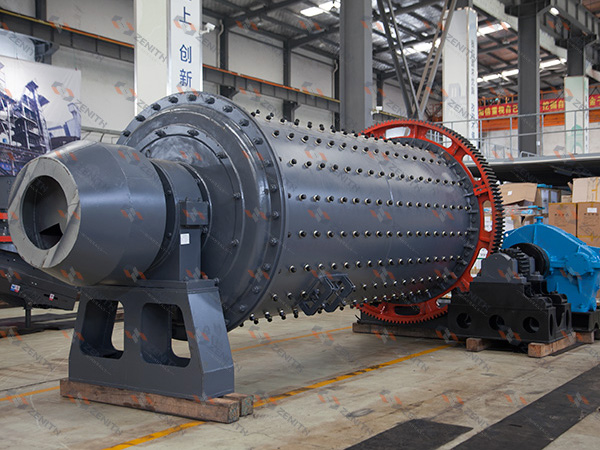
Limestone has moderate hardness, with a Mohs hardness around 3, but it can be abrasive due to quartz and clay impurities. A mill must therefore use durable grinding parts, sound lubrication, and efficient separation to avoid over-grinding. Traditional Raymond mills and ball mills have been used in earlier decades, but these older designs often suffer from high energy consumption, excessive floor space, or frequent maintenance. Modern power plants now look for equipment that combines high capacity with low emissions and easy monitoring. They also need a mill that can start and stop according to load changes in the power block.
Zenith Machinery: A Trusted Grinding Mill Manufacturer
Shanghai Zenith Machinery Co., Ltd. has built a strong reputation as an excellent manufacturer of ore grinding equipment in China. The company specializes in the research, development, and production of industrial powder grinding equipment. Its products include the MTW Trapezium Grinding Mill, MTM Medium-Speed Grinding Mill, Raymond Mill, LM Vertical Grinding Mill, LUM Ultrafine Vertical Mill, XZM Ultrafine Grinding Mill, hammer mill, and ball mill. Zenith has extensive experience in fine and ultra-fine powder production, and it has supplied grinding circuits to many mineral processing and power generation projects around the world.
Recommended Products for the US Limestone Desulfurization Market
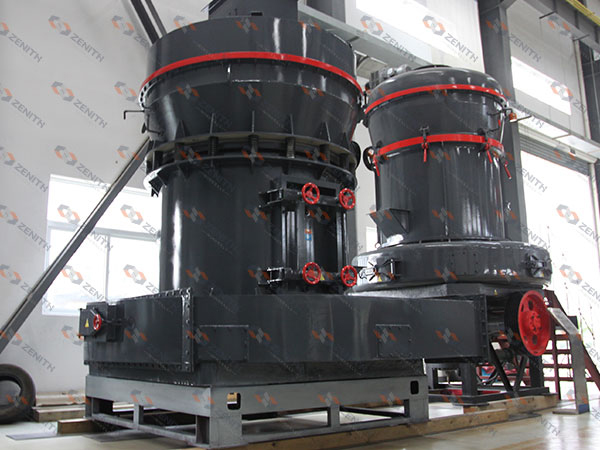
For the production of desulfurization powder, we recommend two complementary product lines from Zenith: the MTW Trapezium Grinding Mill and the LM Vertical Grinding Mill. Both are capable of producing the 250 mesh or 325 mesh powders commonly required by wet FGD systems. The choice depends on the plant capacity, available space, feed conditions, and power consumption targets.
MTW Trapezium Grinding Mill
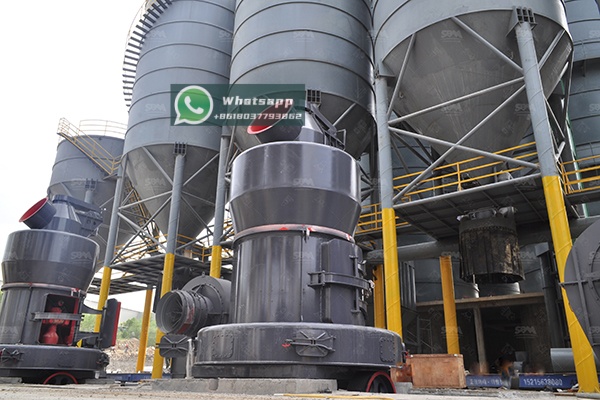
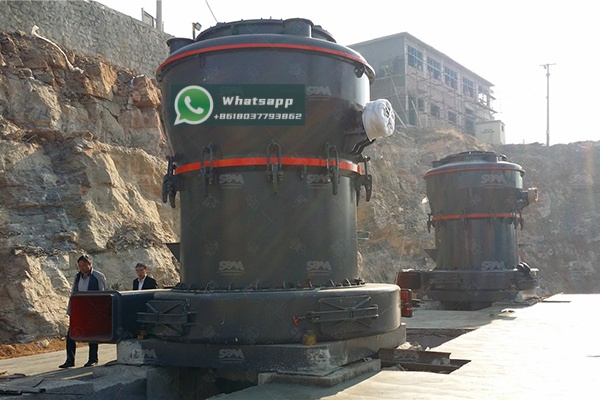
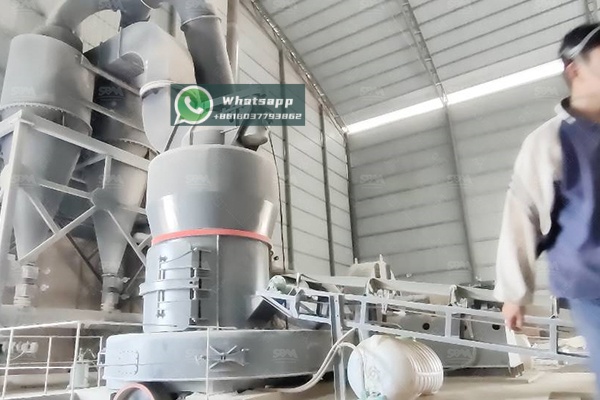
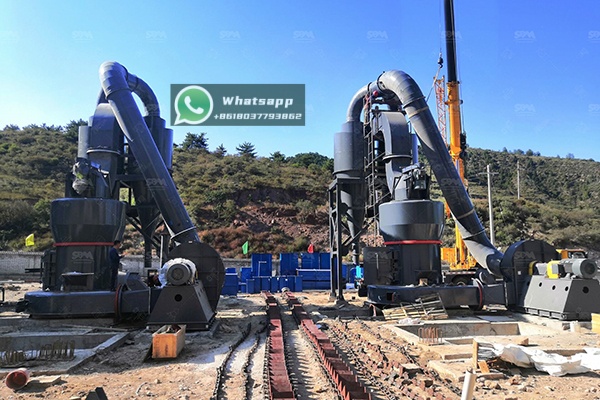
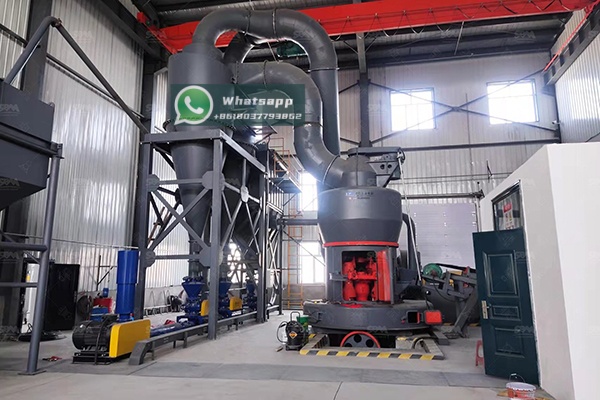
The MTW series is a protected grinding mill design that combines a compact structure, long service life, and eco-friendly operation. It uses bevel gear transmission, an integrated air classifier, and a patented internal structure. This mill is well suited for materials with a maximum feed size of up to 50 mm and can reduce limestone to a final size as fine as 0.045 mm, or roughly 325 mesh. The entire grinding system includes a bucket elevator, deduster, feeder, main mill, classifier, blower, and piping, forming a complete automatic production line.
| Model | Max. Feed Size (mm) | Final Size (mm) | Capacity (t/h) | Main Motor (kW) |
|---|---|---|---|---|
| MTW110 | <30 | 1.6-0.045 | 3-9 | 55 |
| MTW138Z | <35 | 1.6-0.045 | 6-17 | 90 |
| MTW175G | <40 | 1.6-0.045 | 9.5-25 | 160 |
| MTW215G | <50 | 1.6-0.045 | 15-45 | 280 |
For a typical 200 MW class power plant or a regional limestone distribution terminal, the MTW175G and MTW215G models are excellent choices because they offer high throughput and a trouble-free grinding path. Their external circulating air concept lowers pressure loss and significantly reduces noise. In addition, the classifier speed can be adjusted to switch between different grind specifications, giving plant operators the flexibility to blend powder for multiple scrubber modules.
LM Vertical Grinding Mill
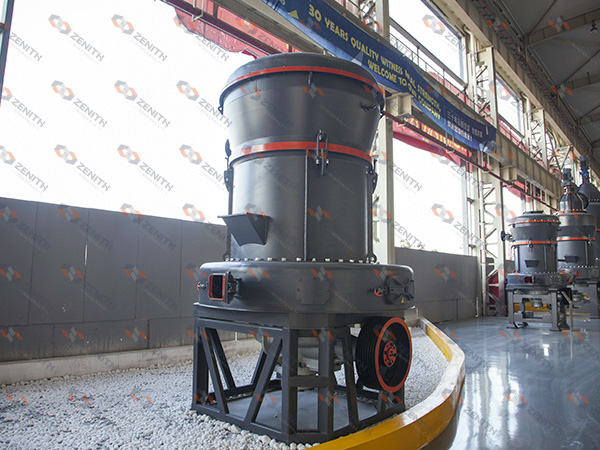
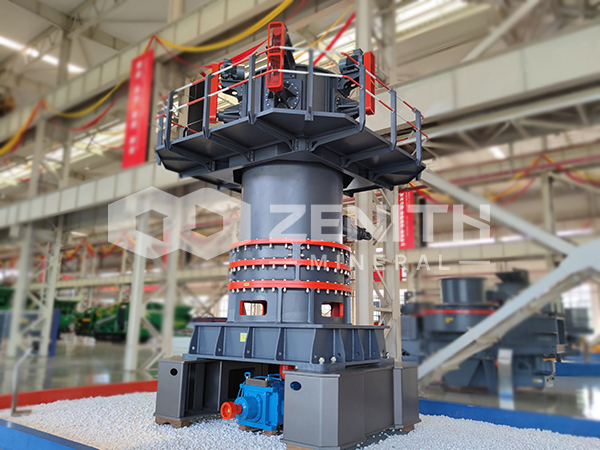
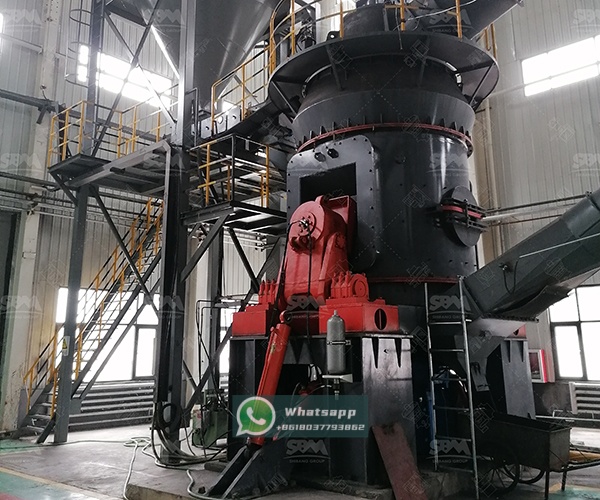
For larger centralized limestone grinding stations, the LM Vertical Grinding Mill integrates crushing, drying, grinding, powder selection, and material conveying in one machine. It has a smaller footprint than a ball mill system of the same capacity and is easier to automate, which is a major advantage in modern desulfurization facilities with limited manpower. The LM series can process limestone with a maximum feed size of about 38 to 45 mm for representative models and deliver fine product in the range of 170 to 40 micrometers. The following data show two typical Vertical Mineral Mill models.
| Model | Plate Diameter (mm) | Capacity (t/h) | Output Fineness (μm) | Max Feed Size (mm) | Main Motor (kW) |
|---|---|---|---|---|---|
| LM130K | 1300 | 10-28 | 170-40 | <38 | 200 |
| LM190K | 1900 | 23-68 | 170-40 | <45 | 500 |
The LM vertical mill is particularly suitable when the limestone contains relatively high moisture, because it uses waste heat in the system to dry material while grinding. It also has a compact vertical layout that can be easily installed indoors or under a steel structure in an existing power plant. For customers who need very large daily output, the LM190K and its larger counterparts can supply enough desulfurization powder for several scrubber units while consuming less energy per ton of product than older mill technologies.
Advantages of Using Zenith Mills for US FGD Systems
Selecting the proper limestone mill is about more than name capacity. It affects reagent reactivity, limestone consumption rate, scrubber availability, and overall plant profitability. Zenith grinding equipment offers several important benefits for the US market:
- High grinding efficiency with lower specific energy consumption compared with outdated Raymond mills and conventional ball mills.
- Precise particle size adjustment through electromagnetic or variable-frequency classification systems.
- Compact, robust designs that require less civil engineering work and reduce installation time.
- Multiple product options across MTW, LM, MTM, Raymond, LUM, and XZM series to match any capacity.
- Proven ability to handle limestone and other abrasive minerals with durable wear parts.
- Integrated dust collection and sealing measures that help plants meet local emissions and occupational safety requirements.
Conclusion
As the United States continues to operate a diverse fleet of power plants and industrial boilers, the demand for high quality limestone desulfurization powder will remain strong. Wet FGD scrubbers depend on consistent, fine, and reactive limestone powder to achieve high SO2 removal rates while minimizing operating costs. Shanghai Zenith Machinery Co., Ltd. is a capable engineering partner for this application. By offering the MTW Trapezium Grinding Mill for modular production and the LM Vertical Grinding Mill for large centralized systems, Zenith helps American operators select the most appropriate limestone grinding technology. Whether the target is 250 mesh, 325 mesh, or another custom specification, Zenith grinding equipment can deliver reliable output and long-term value for flue gas desulfurization projects.
Key Equipment
Want This Solution for Your Project?
Contact us for a customized quotation and technical proposal.
Interested in This Solution?
Send us a message and our engineers will get back to you within 24 hours.