
Feldspar Grinding Mill for Ceramics Production in Bangladesh
Bangladesh has transformed into one of the fastest-growing ceramic production destinations in South Asia. The national ceramic sector includes floor and wall tile manufacturers, sanitaryware producers, porcelain tableware plants and technical ceramics producers. Most of these factories are concentrated around Dhaka, Gazipur and Chittagong, where infrastructure and export logistics are available. In this competitive environment, raw-material preparation must be economical and stable. Feldspar, used as a flux and body ingredient in ceramics, is among the most important minerals for plants in Bangladesh. Its particle size, impurities and consistency determine pressing behavior, firing temperature, warpage, whiteness and final strength. Because of this, an efficient and reliable feldspar grinding mill is essential from the very beginning of the ceramic production chain.
Feldspar and Its Role in Ceramic Manufacturing
Feldspar is a natural anhydrous aluminosilicate mineral that may contain potassium, sodium or calcium. In ceramic bodies and glazes, potash feldspar and soda feldspar act as a flux. They react with silica at firing temperatures and form a liquid phase that fills pores, densifies the ceramic matrix and promotes vitrification without deforming the piece. For floor tiles and sanitaryware, this contribution is critical. The mineral is normally delivered as rock or coarse sand, then crushed and ground to powder. In Bangladeshi ceramic plants, feldspar powder is commonly specified at 200 mesh for wet or dry body preparation and 325 mesh for glaze. Some advanced ceramic and porcelain recipes require even finer powder. A modern grinding mill with integrated classifier can supply these grades consistently.
Main Grinding Requirements for Bangladesh Ceramics
- Fineness stability and adjustable classification: The mill should separate coarse particles and return them for regrinding. It must be able to produce particle sizes suitable for pressing and sintering while limiting oversize particles that cause pin holing and surface defects.
- Low iron contamination: Iron or rust entering the process degrades the whiteness of feldspar powder. This issue matters especially for polished porcelain and white-body ceramic tiles. Strong wear-resistant alloy grinding parts and a closed mill structure reduce foreign metal content.
- Energy efficiency and lower operating cost: Industrial electrification in Bangladesh is expanding, yet power cost remains significant in ceramic manufacturing. Grinding consumes a large part of the plant energy budget. The mill should maximize throughput per kilowatt-hour and avoid unnecessary material circulation.
- Simple operation and high availability: Skilled maintenance engineers can be scarce, so equipment should be easy to operate, lubricate and repair. A long-lasting grinding roller, grinding ring and classifier blade mean fewer stops and more production hours.
- Environmentally responsible dust control: The grinding circuit should be under negative pressure or equipped with dust collectors to prevent dust hazards and to meet factory environmental standards.
Shanghai Zenith Machinery: Trusted Grinding Equipment Supplier
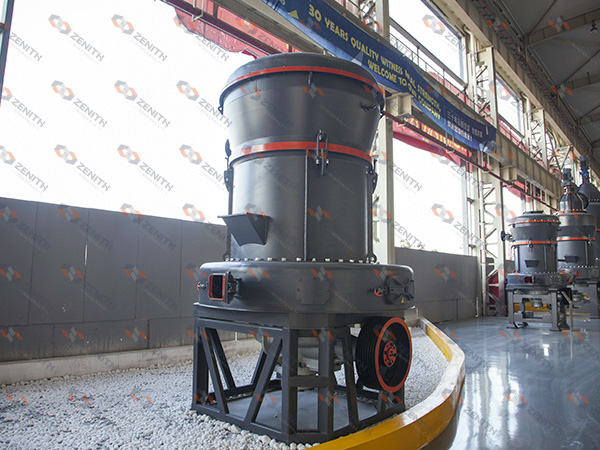
Shanghai Zenith Machinery Co., Ltd. is an excellent manufacturer of ore grinding equipment in China and has made great achievements in the field of ultra-fine powder grinding. The company specializes in the research, development and manufacture of industrial powder processing machines, as well as related equipment. Its product portfolio includes the MTW Trapezium Grinding Mill, Ball Mill, MTM Medium-Speed Grinding Mill, Raymond Mill, LM Vertical Grinding Mill, LUM Ultrafine Vertical Mill, XZM Ultrafine Grinding Mill and Hammer Mill. For feldspar processing, perhaps no product is more relevant than the MTW Trapezium Grinding Mill. This mill has multiple patents, a compact structure, a long service life and an eco-friendly design. It is suitable for processing materials with a maximum input size of 50 mm, and it can produce powder as fine as 0.045 mm according to model selection.
Recommended Product: MTW Trapezium Grinding Mill
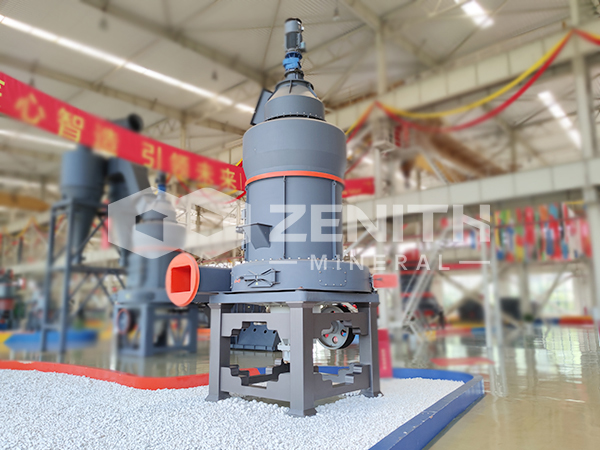
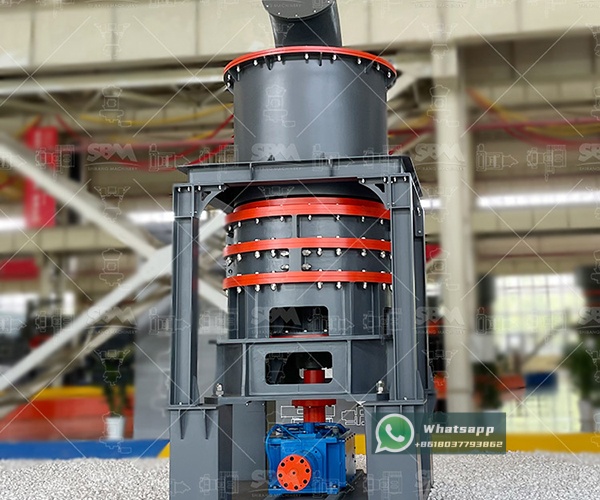
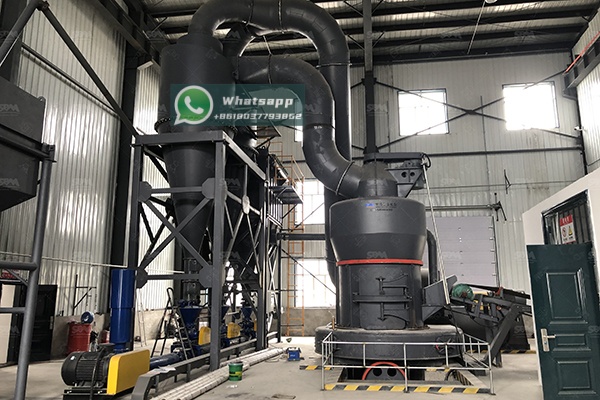
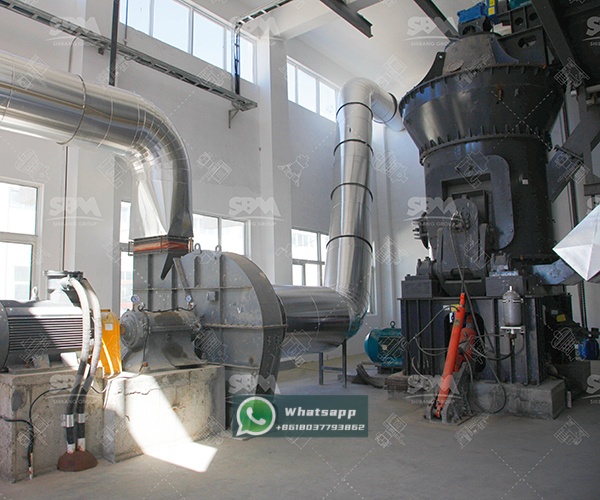
For ceramics production in Bangladesh, we recommend the MTW Trapezium Grinding Mill. This equipment combines a trapezoidal grinding roller and ring, an internal high-efficiency classifier, a pneumatic conveying system and a centralized lubricating device. These features make it easy to produce continuously the type of feldspar powder required by tile and sanitaryware manufacturers. The MTW mill’s product fineness can be adjusted to satisfy ceramic body and glaze applications. In addition, its sealed gearbox, folded air duct and sturdy shell reduce noise and dust emission in the plant. This is particularly valuable in an urban factory or industrial park where environmental responsibilities must be carefully managed.
The following machine selection data show the main MTW models used for feldspar grinding in Bangladesh:
| Model | Max Feed Size (mm) | Final Size (mm) | Capacity (t/h) | Main Motor (kW) | Fan Motor (kW) |
|---|---|---|---|---|---|
| MTW110 | <30 | 1.6-0.045 | 3-9 | 55 | 55 |
| MTW110Z | <30 | 1.6-0.045 | 3-10 | 55 | 55 |
| MTW138Z | <35 | 1.6-0.045 | 6-17 | 90 | 110 |
| MTW175G | <40 | 1.6-0.045 | 9.5-25 | 160 | 200 |
| MTW215G | <50 | 1.6-0.045 | 15-45 | 280 | 315 |
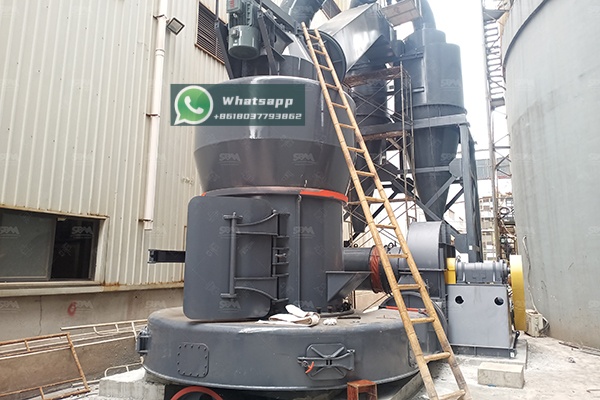
For a medium-size ceramic body plant, the MTW110Z is often enough to produce 3 to 10 t/h of feldspar powder from feed smaller than 30 mm. If the plant also needs to supply glaze powder with high fineness, an MTW138Z offers 6 to 17 t/h and can accept feed up to 35 mm. Larger central grinding stations serving several ceramic companies can select the MTW175G or MTW215G. These units are designed for capacity ranges of 9.5 to 25 t/h and 15 to 45 t/h respectively. Every model keeps final size control in the range of 1.6 to 0.045 mm, which covers the practical feldspar fineness range used in ceramic applications.
Why the MTW Mill Is Suitable for Bangladesh
Field conditions in Bangladesh vary, and feldspar may come from different domestic or imported sources. Local and imported feldspar can differ in hardness, moisture and chemical composition. A flexible grinding mill allows plant owners to adjust classification speed and feed rate to compensate for changes in raw material quality. The MTW mill is designed with wear-resistant grinding components and high grinding efficiency. It can handle feldspar with a Mohs hardness of about 6 to 6.5, and its grinding pressure can be adjusted for different conditions. Furthermore, the classifier rotor can be fine-tuned to produce powder that does not contain excessive coarse particles. This improves the pressing density of tiles and the fluxing behavior in firing kilns, leading to fewer defects and better surface finish.
Other Zenith Options for Feldspar Powder Production
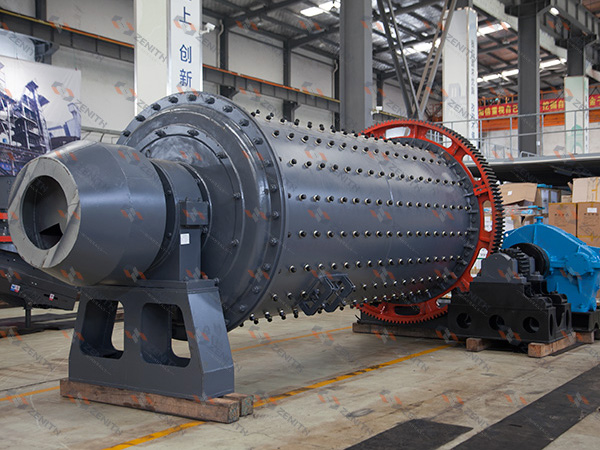
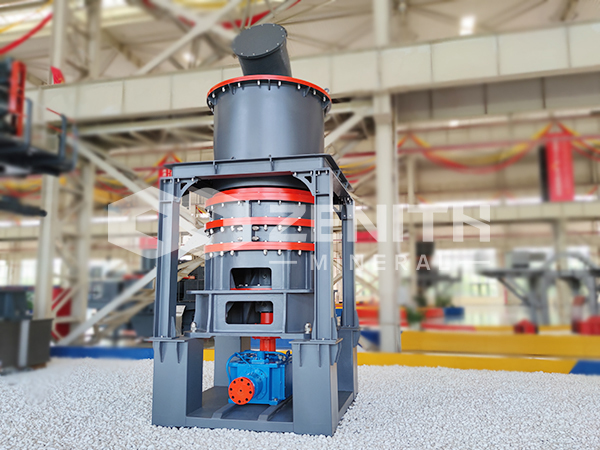
Although the MTW Trapezium Grinding Mill is the best fit for most feldspar processing projects, Zenith also offers alternative equipment. For plants that prefer a vertical mill, the LM Vertical Grinding Mill integrates crushing, grinding, drying, classifying and conveying into one machine, with a smaller occupational area and lower energy consumption. For plants that already operate wet preparation lines, a Zenith Ball Mill can grind feldspar in dry or wet mode. Ball mills are simple, adaptable and widely used in continuous ceramic raw-material preparation. If the target powder must reach 325 to 2500 mesh for special glazes or advanced ceramics, the XZM Ultrafine Grinding Mill is also available. Each option is designed to help Bangladesh’s ceramics sector achieve dependable powder production at a low cost per ton.
Conclusion
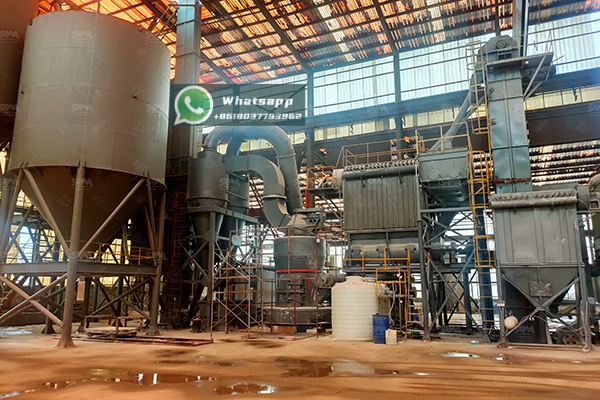
As Bangladesh’s ceramics industry grows, the quality of feldspar grinding directly affects product quality, energy cost and market competitiveness. A successful processing line should be built around an efficient mill that can crush, classify and convey powder in a dust-controlled closed system. Shanghai Zenith Machinery Co., Ltd. provides a complete range of proven grinding equipment, and the MTW Trapezium Grinding Mill stands out as a professional recommendation for feldspar powder production. With models from MTW110Z to MTW215G, ceramic plants in Bangladesh can select a capacity-matched solution and obtain stable, premium feldspar powder for tile, sanitaryware, tableware or glaze production. To design the correct grinding process for a specific feldspar source, producers are encouraged to test their raw material and obtain complete flowsheet support from Zenith engineers.
Want This Solution for Your Project?
Contact us for a customized quotation and technical proposal.

Interested in This Solution?
Send us a message and our engineers will get back to you within 24 hours.