
Introduction: The Malaysian Cosmetics Industry and the Demand for High-Quality Talc
Malaysia has emerged as a significant hub for cosmetics manufacturing in Southeast Asia, driven by a growing middle class, increasing awareness of personal care, and a thriving halal cosmetics segment. Talc, a naturally occurring mineral composed of hydrated magnesium silicate, remains a cornerstone ingredient in a vast array of cosmetic products — from face powders and blushes to eyeshadows, foundations, and body powders. Its unique properties, including softness, excellent oil absorption, smooth feel, and chemical inertness, make it indispensable. However, not all talc is created equal. For cosmetics applications, talc must meet stringent requirements: ultra-fine particle size (typically 325 mesh to 1250 mesh or finer), high whiteness, low impurity content, and controlled particle shape. The grinding process is therefore critical. An inefficient or inadequate mill can produce talc that is too coarse, contains too many oversized particles, or suffers from contamination, all of which can compromise the final product’s texture, spreadability, and safety.
As Malaysian cosmetics manufacturers strive to meet both domestic and international quality standards — such as those set by the ASEAN Cosmetic Directive and global brands like L’Oréal and Estée Lauder — the selection of the right grinding mill becomes a strategic decision. The mill must deliver consistent, reproducible results, high throughput, energy efficiency, and minimal maintenance. Shanghai Zenith Machinery Co., Ltd., a leading Chinese manufacturer of ore grinding equipment, has established itself as a trusted partner for this demanding application. With decades of experience in ultra-fine powder processing, Zenith offers a range of mills specifically engineered to produce cosmetic-grade talc powders.
This article explores the technical requirements for talc grinding in the Malaysian cosmetics sector, highlights the key challenges, and presents two of Zenith’s flagship solutions — the LUM Ultrafine Vertical Mill and the XZM Ultrafine Grinding Mill — as ideal choices for achieving the required fineness, purity, and production efficiency.
Technical Requirements for Cosmetic-Grade Talc
Before delving into the machinery, it is essential to understand what cosmetic-grade talc demands from a grinding perspective. The Malaysian cosmetics industry typically requires talc with the following characteristics:
- Particle size: For face powders, 325–500 mesh (44–25 μm) is common; for premium products, 800–1250 mesh (15–10 μm) or even finer (down to 5 μm) is desired. The finer the talc, the smoother the feel on the skin and the better its ability to absorb sweat and sebum.
- Particle size distribution (PSD): A narrow PSD is crucial to ensure consistent texture and performance. Oversized particles can cause a gritty feel, while excessive fines may lead to dustiness.
- Whiteness/brightness: Talc for cosmetics must have a high degree of whiteness (usually above 90% brightness), free from discoloring impurities such as iron oxides or carbonaceous materials.
- Purity: Asbestos-free certification is mandatory. The grinding process must not introduce metallic contaminants from the mill itself.
- Moisture content: Should be below 1% to prevent caking and microbial growth.
Meeting these requirements demands a grinding mill capable of precise classification, gentle handling to avoid over-grinding, and a closed system to prevent contamination. Zenith’s mills are designed with these principles in mind.
Challenges in Talc Grinding for Malaysian Cosmetics
Malaysian talc deposits vary in hardness and purity. Common challenges include:
- Mill wear: While talc is soft (Mohs hardness 1), the presence of associated minerals like quartz or dolomite can accelerate wear on grinding components. High-quality mills with durable materials are essential.
- Heat generation: During grinding, heat can degrade talc’s crystal structure, reducing its brightness and altering its flow properties. Efficient cooling mechanisms are needed.
- Classification efficiency: Traditional mills often struggle to produce consistent ultra-fine powders. A built-in classifier must be highly accurate.
- Energy consumption: Grinding to 10 μm or finer consumes significant energy. Mills with high energy efficiency reduce operating costs.
- Ultra-fine classification: The dynamic classifier system can produce a D97 of 5–30 μm, ideal for premium cosmetic powders.
- Low energy consumption: Compared to ball mills, the LUM saves 30–50% energy due to its optimized grinding roller and table design.
- Automatic control: PLC system with touch screen allows easy adjustment of fineness, ensuring consistent quality.
- Minimal metal contamination: The grinding rollers are made of high-chrome alloy, and the contact surfaces are designed to minimize wear. The mill operates under negative pressure, preventing dust leakage.
- High fineness: Can achieve D97 as fine as 5 μm (2500 mesh), catering to the most demanding cosmetics applications.
- Flexible classification: The rotating classifier wheel adjusts speed to control particle size precisely.
- Compact footprint: The vertically arranged grinding chamber saves floor space.
- Easy maintenance: Rollers and rings can be replaced quickly, minimizing downtime.
- Proven technology: Zenith has supplied mills to talc processors in China, India, Indonesia, and beyond, with consistent results in cosmetics grade.
- After-sales support: Zenith offers comprehensive installation, commissioning, and training services, plus readily available spare parts through local distributors in Malaysia.
- Eco-friendly design: Both LUM and XZM mills operate with baghouse dust collectors and low noise levels, helping Malaysian plants comply with environmental regulations.
- Customization: Air classifiers, feeding systems, and conveying lines can be tailored to specific plant layouts and raw material characteristics.
Zenith addresses these challenges through advanced engineering, as demonstrated in its product lineup.
Zenith’s Flagship Solutions for Talc Grinding
Shanghai Zenith Machinery Co., Ltd. has a proven track record in ultra-fine grinding, with installations worldwide. For Malaysian cosmetics talc, two products stand out: the LUM Ultrafine Vertical Mill and the XZM Ultrafine Grinding Mill. Both are capable of producing powder in the 325–2500 mesh range, but they differ in design philosophy and capacity.
LUM Ultrafine Vertical Mill
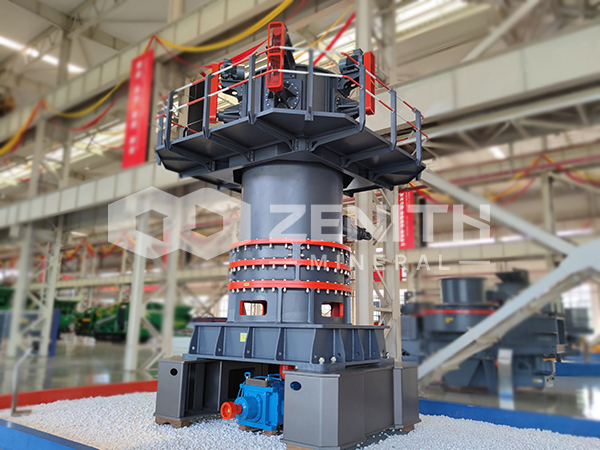
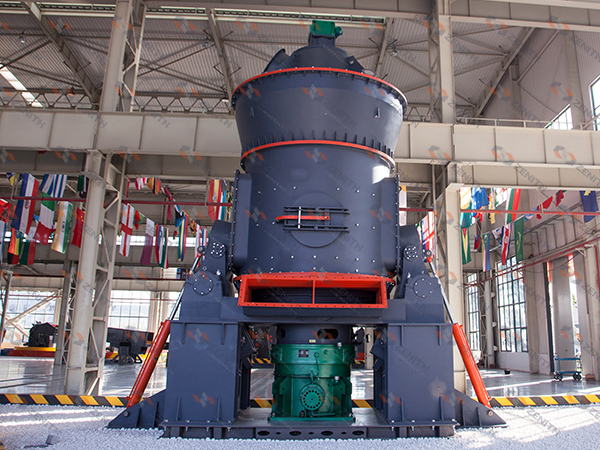
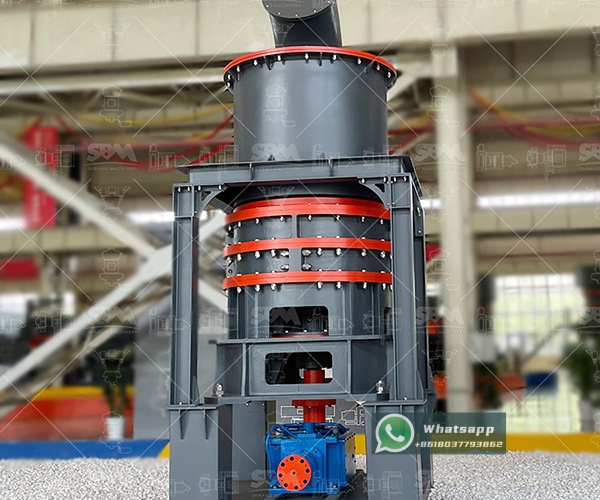
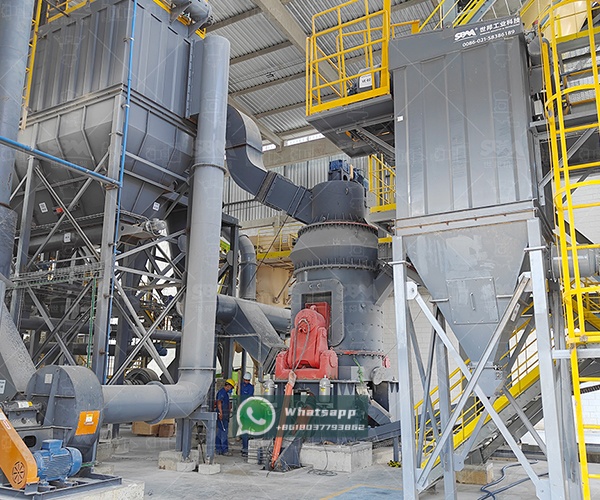
The LUM series is Zenith’s latest generation of vertical roller mills, incorporating German technology and years of field experience. It integrates grinding, drying, classifying, and conveying in one compact unit. Key advantages for talc processing include:
| Model | Main Power (kW) | Capacity (t/h) | D97 (μm) |
|---|---|---|---|
| LUM1525 | 220–250 | 1.6–11.5 | 5–30 |
| LUM1632 | 280–315 | 2.0–13.5 | 5–30 |
| LUM1836 | 355–400 | 2.3–15 | 5–30 |
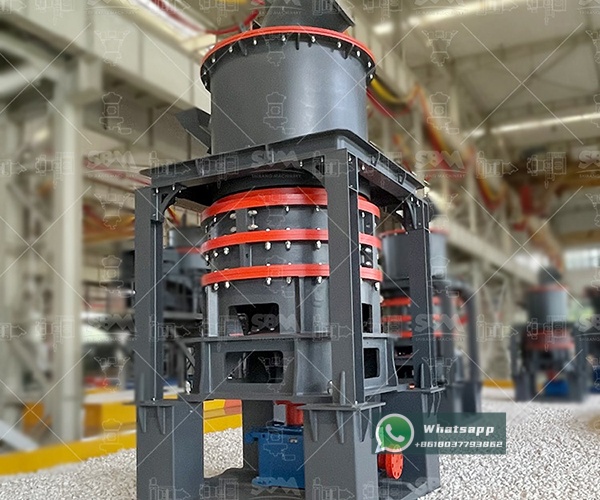
For a typical Malaysian talc operation producing 2–5 t/h of 800 mesh (D97 ≈ 15 μm) cosmetic powder, the LUM1632 is an excellent choice. Its built-in classifier ensures that no oversize particles slip through, eliminating the need for secondary sieving.
XZM Ultrafine Grinding Mill
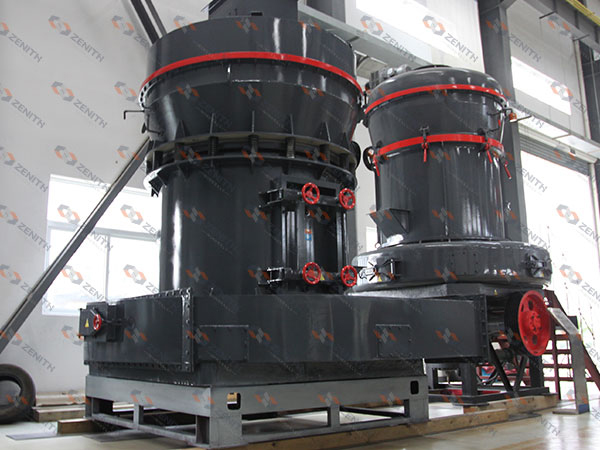
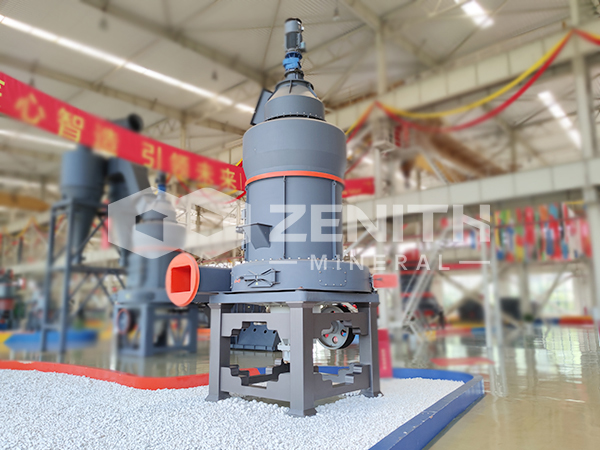
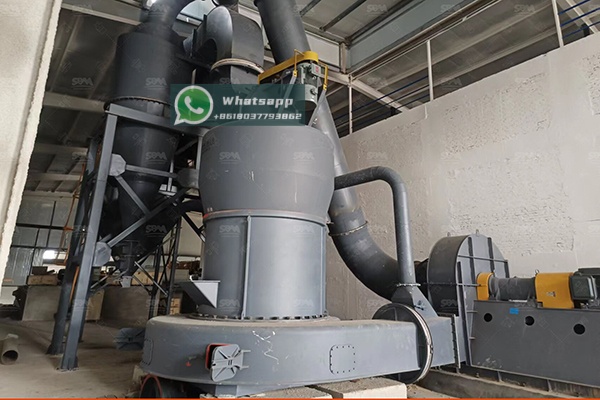
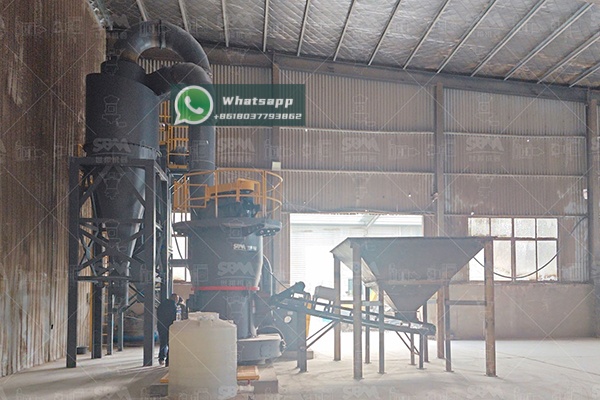
The XZM series is a versatile, multi-purpose mill widely used for superfine powders up to 2500 mesh (5 μm). It employs a multiple-ring and roller design that creates a strong centrifugal force to grind materials. Its strengths for talc include:
| Model | Working Diameter (mm) | Max Feed Size (mm) | Final Size (mesh) | Capacity (kg/h) | Main Motor (kW) |
|---|---|---|---|---|---|
| XZM221 | Φ800 | ≤20 | 325–2500 | 500–4500 | 75 |
| XZM268 | Φ1680 | ≤20 | 325–2500 | 5000–25000 | 315 |
For smaller-scale cosmetic talc production (e.g., specialized premium lines), the XZM221 is ideal. Its capacity of 0.5–4.5 t/h covers the needs of many Malaysian SMEs. The XZM268, with its higher throughput, suits larger factories producing bulk talc for local and export markets.
Why Choose Zenith for Your Malaysian Talc Grinding Needs?
Malaysian cosmetics manufacturers benefit from partnering with Zenith for several reasons:
Conclusion
The production of high-quality cosmetic talc in Malaysia demands grinding equipment that can deliver unrivaled fineness, purity, and consistency. Shanghai Zenith Machinery Co., Ltd. meets this challenge with its advanced LUM Ultrafine Vertical Mill and XZM Ultrafine Grinding Mill. Whether you require 325 mesh for basic formulations or 2500 mesh for ultra-luxury powders, these mills provide the precision and reliability that Malaysia’s cosmetics industry needs. To explore how Zenith can optimize your talc grinding process, contact our team for a tailored solution.
Key Equipment
Want This Solution for Your Project?
Contact us for a customized quotation and technical proposal.
Interested in This Solution?
Send us a message and our engineers will get back to you within 24 hours.