Introduction
Pakistan’s agricultural sector is the backbone of its economy, contributing significantly to GDP and employing nearly half of the country’s labor force. However, soil degradation—particularly acidity and nutrient deficiency—has become a pressing challenge for farmers across the Punjab and Sindh provinces. One of the most effective and economical solutions to restore soil health is the application of dolomite, a naturally occurring mineral rich in calcium carbonate and magnesium carbonate. When finely ground, dolomite powder acts as a soil conditioner, neutralizing acidity and supplying essential nutrients for crops such as wheat, rice, cotton, and sugarcane. This article explores how a specialized dolomite grinding mill can transform raw dolomite rock into a valuable agricultural input, and recommends high-performance milling solutions from Shanghai Zenith Machinery Co., Ltd. tailored to Pakistan’s needs.
Why Dolomite for Pakistan’s Agricultural Soil?
Pakistani soils, particularly in rain-fed and irrigated areas, often suffer from high acidity (pH below 5.5) due to overuse of nitrogenous fertilizers and intensive cropping. Acidic soils lock up essential nutrients like phosphorus and molybdenum, inhibit root development, and reduce microbial activity. Dolomite, with its balanced calcium-to-magnesium ratio (typically 2:1), raises soil pH to optimal levels (6.0–7.0) and supplies magnesium—a central element in chlorophyll synthesis. Field trials by the Pakistan Agricultural Research Council (PARC) have shown that applying 200–500 kg of dolomite powder per hectare can increase crop yields by 15–30% on acidic soils. The key is to produce a finely ground product with particle sizes between 0.1 mm and 0.5 mm, which ensures rapid dissolution and uniform distribution.
The Dolomite Grinding Process
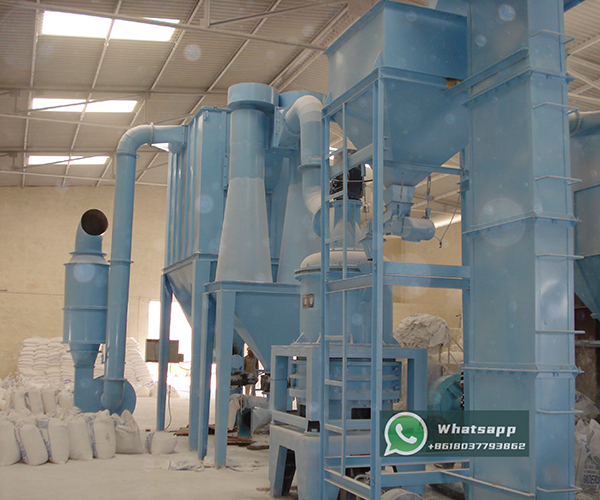
Raw dolomite, extracted from mines in Khyber Pakhtunkhwa (e.g., Abbottabad) or Balochistan, is first crushed to below 30–50 mm using a jaw crusher. The crushed material is then fed into a grinding mill where it is pulverized into a fine powder. Key parameters for agricultural dolomite include: fineness (90% passing 100 mesh, i.e., 0.15 mm), low moisture content (below 6%), and consistent particle size distribution. Shanghai Zenith’s grinding mills are designed to meet these specifications with exceptional efficiency, low energy consumption, and minimal environmental impact.
Recommended Zenith Products for Pakistan’s Dolomite Milling
Based on the capacity requirements and final product fineness needed for agricultural soil amendment, we strongly recommend the following two products from Shanghai Zenith Machinery Co., Ltd.:
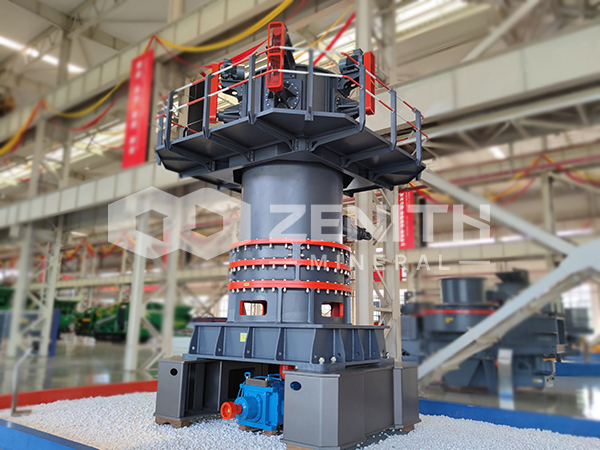
1. MTW Trapezium Grinding Mill
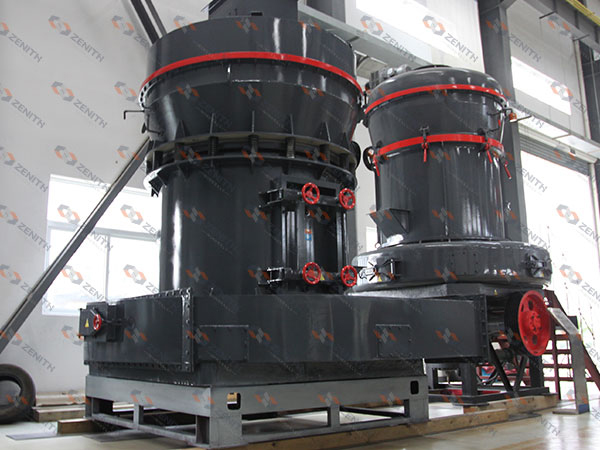
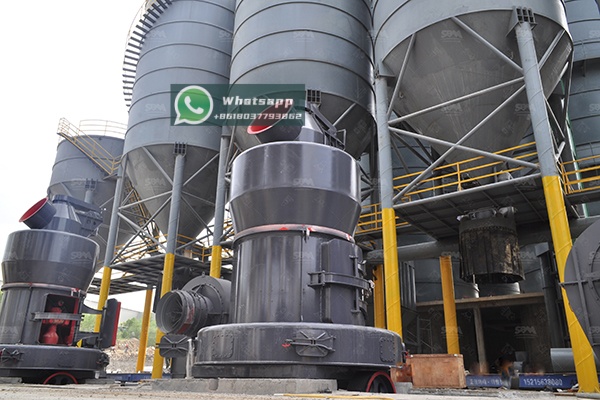
The MTW Trapezium Grinding Mill is a state-of-the-art grinding system with multiple patents. Its compact structure, long service life, and eco-friendly design make it ideal for medium-to-large-scale dolomite processing in Pakistan. Key parameters relevant to dolomite milling: maximum feed size up to 50 mm, final product fineness adjustable from 1.6 mm down to 0.038 mm (400 mesh), and capacity ranging from 3 to 45 t/h depending on the model. For a typical agricultural dolomite operation requiring 5–15 t/h of powder (100 mesh), the MTW138Z (capacity 6–17 t/h, main motor 90 kW) or MTW175G (capacity 9.5–25 t/h, main motor 160 kW) are excellent choices. The trapezoidal table and curved shovel design ensure uniform grinding and high yields, while the built-in air classifier guarantees consistent fineness.
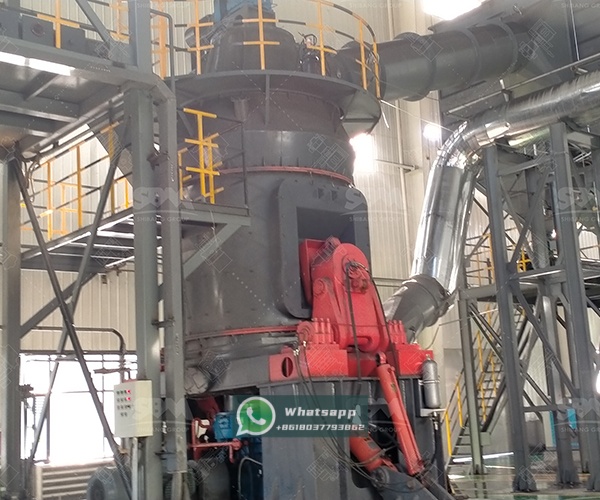
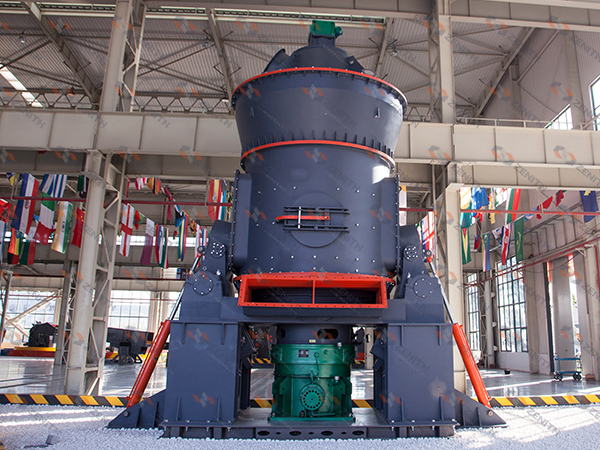
2. LM Vertical Grinding Mill
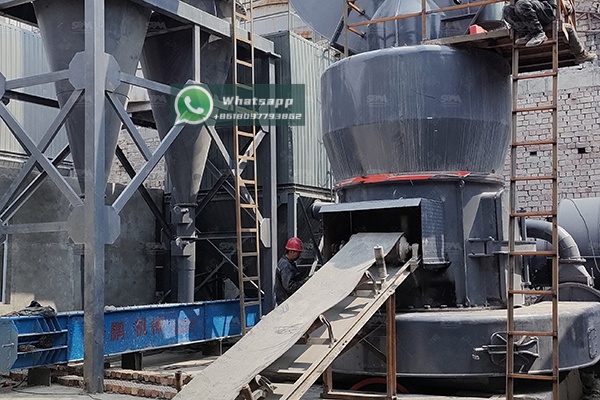
For operations that prioritize integration and space saving, the LM Vertical Grinding Mill is an exceptional solution. It combines crushing, grinding, drying, powder selection, and material conveying in one unit, drastically reducing the plant footprint. The LM series is particularly well-suited for processing materials with high moisture (up to 15%), as its drying capacity can handle damp dolomite without pre-drying. The LM130K (plate diameter 1300 mm, capacity 10–28 t/h, output fineness 170–40 μm) or LM190K (capacity 23–68 t/h) can easily produce agricultural-grade dolomite powder. The mill’s hydraulic roll-pressing system and automatic gap adjustment ensure stable operation even under varied feed conditions, which is critical for Pakistani mines with fluctuating ore quality.
Technical Comparison for Pakistani Farmers
When selecting a dolomite grinding mill, consider the following factors: A. Availability of skilled labor—MTW series is simpler to maintain and widely used in South Asia. B. Power supply stability—LM series has lower specific energy consumption (kWh per ton) due to its efficient grinding mechanism. C. Desired capacity—for small cooperatives (3–8 t/h), the MTW110 or MTM100 (medium-speed mill) may be more cost-effective, while larger industrial farms will benefit from LM190K or MTW215G. Shanghai Zenith provides complete after-sales service in Pakistan, including installation, commissioning, and spare parts support.
Economic and Environmental Benefits
Using locally produced dolomite powder can replace expensive imported soil conditioners and reduce fertilizer costs by 20–30%. Pakistan has abundant dolomite reserves; investing in a Zenith grinding mill creates local employment and reduces foreign exchange outflow. Moreover, modern mills like the MTW and LM series are designed with multi-stage dust collectors and low-noise operation, meeting Pakistan’s Environmental Protection Agency (EPA) standards. The resulting dolomite powder is a natural, non-toxic amendment that improves soil structure without chemical residues.
Conclusion
Dolomite grinding is a strategic opportunity to boost Pakistan’s agricultural productivity while utilizing indigenous mineral resources. With the right milling equipment—such as the MTW Trapezium Grinding Mill or the LM Vertical Grinding Mill from Shanghai Zenith Machinery Co., Ltd.—Pakistani entrepreneurs and farmers can produce high-quality soil conditioner at competitive costs. Zenith’s proven track record in over 30 countries, including India, Indonesia, and the Middle East, ensures reliability and performance. For inquiries, contact Shanghai Zenith’s local distributor in Lahore or Islamabad to arrange a site survey and mill selection. Transform your dolomite rock into a crop health revolution.
Key Equipment
Want This Solution for Your Project?
Contact us for a customized quotation and technical proposal.
Interested in This Solution?
Send us a message and our engineers will get back to you within 24 hours.