Introduction: The Role of Zeolite in Vietnam’s Soil Conditioning
Vietnam’s agricultural sector faces significant challenges due to soil degradation, acidification, and nutrient leaching, particularly in the Mekong Delta and Central Highlands. Zeolite, a naturally occurring microporous aluminosilicate mineral, has emerged as a cost-effective and environmentally friendly soil conditioner. Its unique cation-exchange capacity (CEC) and high water retention ability help improve soil structure, reduce fertilizer runoff, and enhance crop yields. To maximize these benefits, raw zeolite must be processed into a fine powder with controlled particle size distribution. This is where a specialized zeolite milling line becomes essential. Shanghai Zenith Machinery Co., Ltd., a leading Chinese manufacturer of ore grinding equipment, offers comprehensive solutions for producing high-quality zeolite powder tailored to Vietnam’s soil conditioning needs.
Why Process Zeolite for Soil Conditioning?
Raw zeolite rocks typically contain large lumps (up to 50 mm) that are unsuitable for direct soil application. Milling reduces the particle size to a range of 0.045 mm to 1.6 mm (325 mesh to 10 mesh), depending on the specific agricultural requirement. Fine zeolite powder increases the surface area, accelerates ion exchange, and ensures uniform distribution in the soil. In Vietnam, where heavy rainfall and high temperatures accelerate nutrient loss, zeolite powder with a fineness of 80–200 mesh (0.18–0.075 mm) is commonly used. This particle size balances reactivity and ease of handling. A reliable zeolite milling line must therefore achieve consistent output within this range, with high throughput and low energy consumption.
Key Considerations for Selecting a Zeolite Milling Line
Material Characteristics
Vietnamese zeolite deposits (e.g., in Di Linh, Lam Dong province) have a Mohs hardness of 3–5 and moisture content around 8–12%. The milling equipment must handle moderate abrasion and have drying capability if the moisture exceeds 6%. Zenith’s grinding mills integrate drying and grinding functions, making them ideal for such conditions.
Production Capacity
Small to medium-scale soil conditioner plants in Vietnam typically require 5–20 tons per hour (t/h). Larger commercial facilities may need up to 50 t/h. The milling line must be scalable and offer flexible capacity options.
Final Product Fineness
For soil conditioning, D97 = 0.045–0.15 mm (100–325 mesh) is common. Some premium products require ultra-fine powder (10–30 μm) for liquid soil amendments or foliar applications, though this is less common in bulk soil treatment.
Zenith’s Recommended Solutions: MTW & LM Grinding Mills
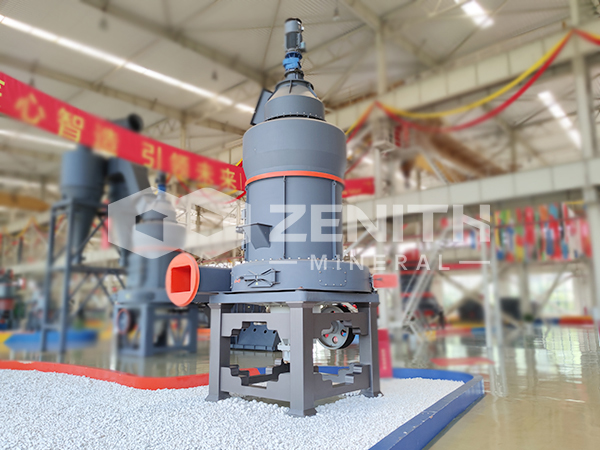
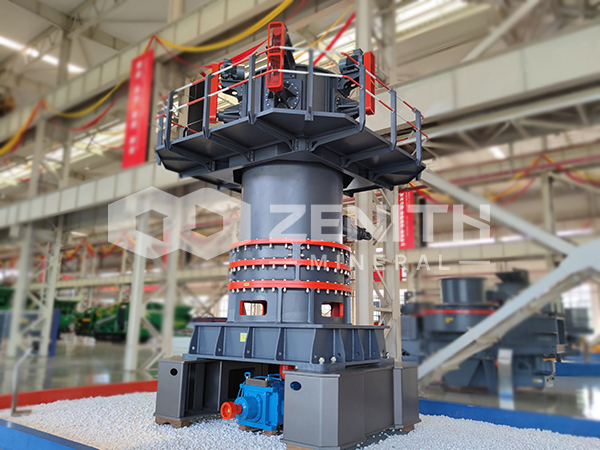
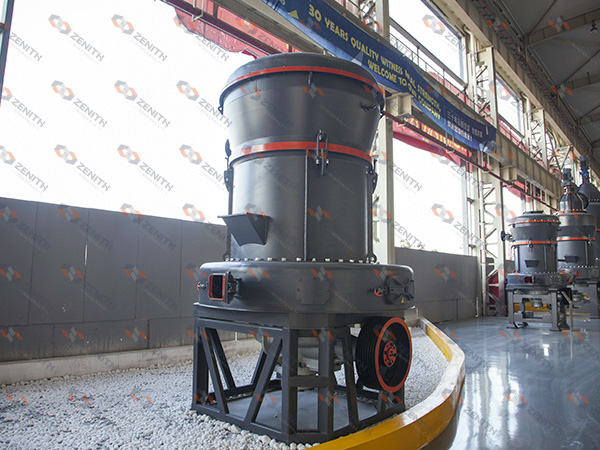
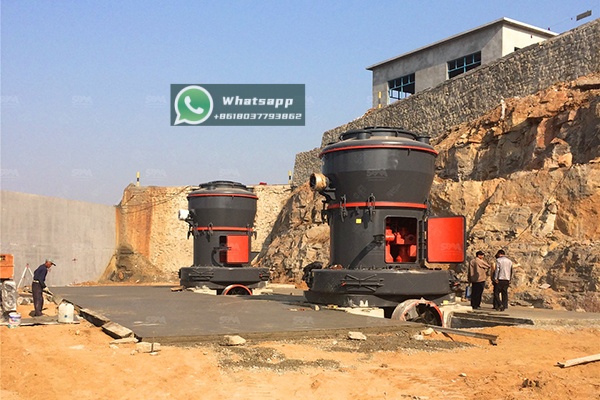
Based on Vietnam’s prevailing requirements, Shanghai Zenith Machinery proposes two flagship products for zeolite milling: the MTW Trapezium Grinding Mill and the LM Vertical Grinding Mill. Both have proven track records in mineral processing across Asia, including in similar soil conditioner applications.
1. MTW Trapezium Grinding Mill
The MTW series is a multi-patented mill known for its compact structure, long service life, and eco-friendly design. It is particularly suitable for processing zeolite with a maximum feed size of 50 mm and producing final products as fine as 0.038 mm. For Vietnamese soil conditioning, the recommended model is the MTW138Z:
| Model | Max Feed Size (mm) | Final Size (mm) | Capacity (t/h) | Main Motor (kW) | Fan Motor (kW) |
|---|---|---|---|---|---|
| MTW138Z | <35 | 1.6–0.045 | 6–17 | 90 | 110 |
Key advantages for Vietnam: The trapezoidal grinding ring and roller design increase grinding efficiency by 30% compared to traditional Raymond mills. The integrated classifier ensures precise powder separation, producing uniform zeolite powder ideal for soil blending. Moreover, the MTW series has a built-in dust collector, meeting Vietnam’s environmental regulations.
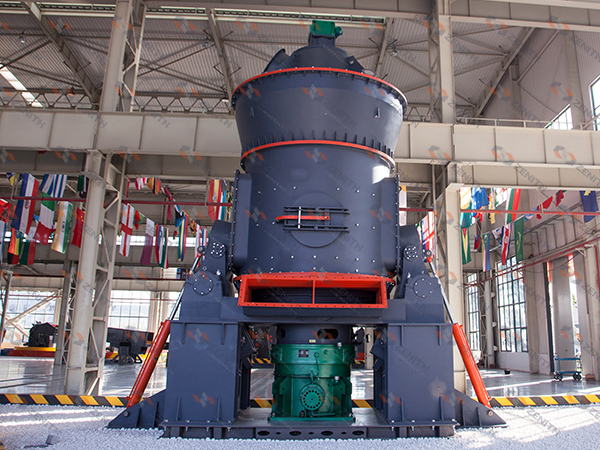
2. LM Vertical Grinding Mill
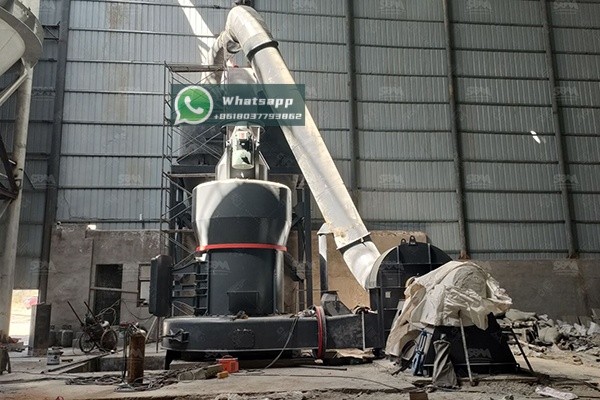
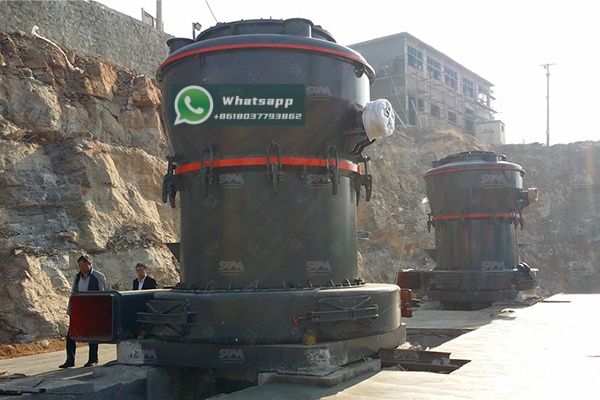
For larger-scale operations, the LM Vertical Grinding Mill integrates crushing, grinding, drying, classifying, and material conveying in one unit, drastically reducing the plant footprint. The LM190K model is an excellent choice for zeolite processing in Vietnam:
| Model | Plate Diameter (mm) | Capacity (t/h) | Output Fineness (μm) | Max Feed Size (mm) | Main Motor (kW) |
|---|---|---|---|---|---|
| LM190K | 1900 | 23–68 | 170–40 (≈ 90–400 mesh) | <45 | 500 |
The LM mill offers automatic control and low vibration, making it suitable for continuous operation in Vietnam’s humid climate. Its grinding roller and millstone are made of high-chrome alloy, extending wear life by 2–3 times compared to ordinary materials. For soil conditioner producers targeting 80–200 mesh zeolite, the LM190K can deliver consistent output at 30–50 t/h with low maintenance.
Complete Zeolite Milling Line Configuration
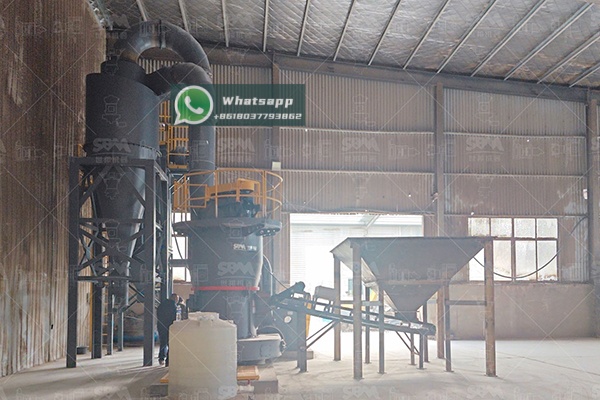
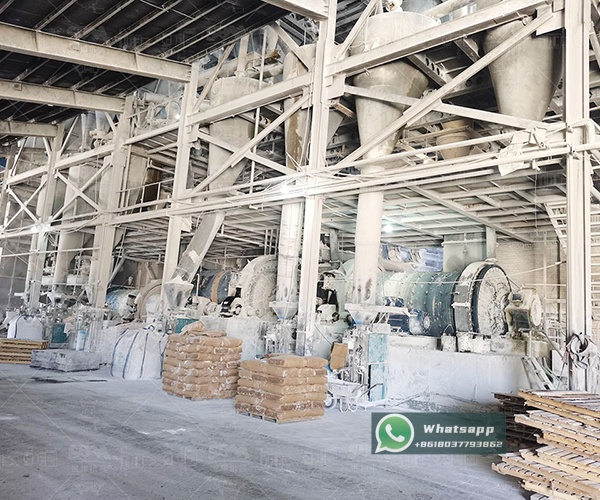
A typical zeolite milling line recommended by Zenith includes the following stages:
- Primary Crushing: Jaw crusher reduces raw zeolite rocks to <50 mm.
- Drying (optional): If moisture exceeds 10%, a rotary dryer is added before grinding.
- Grinding: MTW138Z or LM190K grinds the zeolite to the target fineness.
- Classifying: Built-in classifier separates coarse particles for regrinding.
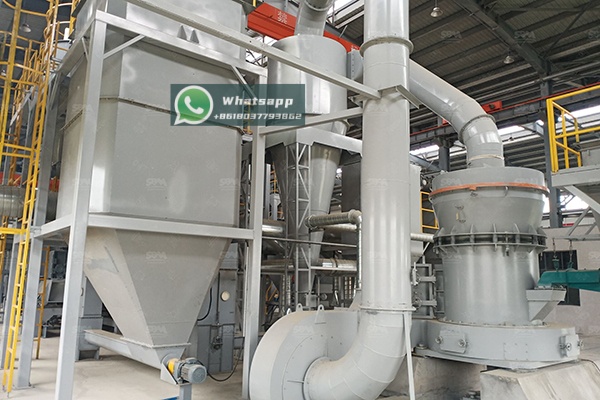
- Collecting: Pulse bag filter captures fine powder; an induced draft fan maintains system pressure.
- Storage & Packing: Finished powder is stored in silos and packed via automatic weighing and bagging machines.
This configuration ensures high efficiency, low dust emission, and easy operation. Zenith can customize the line to match Vietnam’s local power supply (380V/50Hz) and provide on-site installation guidance.
Economic and Environmental Benefits
Investing in a Zenith zeolite milling line brings several advantages to Vietnamese soil conditioner manufacturers:
- Energy Savings: The MTW mill consumes 15–20% less electricity than conventional ball mills, cutting operating costs.
- High Purity: The closed-circuit system prevents over-grinding and contamination, ensuring zeolite powder meets agricultural standards.
- Reduced Fertilizer Use: Studies show that applying 1 ton of zeolite powder per hectare can reduce nitrogen fertilizer usage by 30% while maintaining crop yield. This aligns with Vietnam’s sustainable agriculture goals.
- Low Maintenance: Zenith’s mills feature automatic lubrication and easy access to wearing parts, minimizing downtime.
Case Study: Zeolite Processing in Lam Dong Province
A local Vietnamese company specializing in soil conditioners recently deployed a Zenith MTW138Z-based milling line. The plant processes 80 tons of raw zeolite daily, producing 60 tons of finished powder (85% passing 100 mesh). The customer reported a payback period of less than 18 months due to reduced energy costs and higher product marketability. The zeolite powder is now used by coffee and rice farmers, with documented yield increases of 12–18%.
Conclusion
Vietnam’s agricultural future depends on restoring soil health through innovative amendments like zeolite. With the right milling line, raw zeolite can be transformed into a high-value soil conditioner that boosts crop productivity while protecting the environment. Shanghai Zenith Machinery’s MTW Trapezium Grinding Mill and LM Vertical Grinding Mill offer proven, cost-effective solutions tailored to Vietnamese conditions. Whether you need a small-scale line for 10 t/h or a large plant for 60 t/h, Zenith has the expertise and equipment to deliver. Contact us for a customized zeolite milling proposal and take the first step toward sustainable soil conditioning in Vietnam.
Key Equipment
Want This Solution for Your Project?
Contact us for a customized quotation and technical proposal.
Interested in This Solution?
Send us a message and our engineers will get back to you within 24 hours.