
Calcium Carbonate Mill for Plastics Filler in Canada
Ground calcium carbonate (GCC) is one of the most widely used mineral fillers in the Canadian plastics industry. From rigid PVC pipes and window profiles in Ontario to polyethylene films in Alberta and polypropylene masterbatches in Quebec, calcium carbonate improves stiffness, dimensional stability, opacity, and thermal conductivity while reducing raw material cost. However, the performance of GCC in plastics depends heavily on particle size distribution, top-cut control, moisture content, surface coating, and consistency. Selecting the right calcium carbonate mill is therefore a critical investment for Canadian filler producers and plastics compounders.
Why Calcium Carbonate Is Important in Canadian Plastics
Canada has abundant limestone and marble resources and a mature plastics processing sector. Calcium carbonate filler is used in PVC pipe, siding, window profiles, wire and cable compounds, PE film, PP injection molding, and PVC plastisols. It reduces resin consumption, improves rigidity and impact balance when properly coated, and can enhance heat dissipation during extrusion. For Canadian manufacturers facing high energy and logistics costs, local GCC production can shorten supply chains and reduce carbon footprint.
Plastics applications often require fine or ultrafine GCC. Masterbatch and film producers typically demand D97 values from 5 to 25 µm, while pipe and profile producers may accept 10 to 45 µm depending on wall thickness and surface requirements. Moisture must usually be below 0.3%, and stearic acid or silane coating is often applied to improve dispersion and reduce agglomeration. These requirements place high demands on grinding, classification, drying, and dust collection.
Key Requirements for Plastics Filler Grade Calcium Carbonate
First, particle size distribution must be tightly controlled. A narrow distribution with a controlled top cut prevents visible defects, filter blockage, and weak points in extruded or molded parts. Second, whiteness and brightness must be high and consistent, especially for white and light-colored products. Third, moisture and volatile content must be low to avoid bubbles and surface defects. Fourth, the powder must have good flowability and low oil absorption after coating. Fifth, the grinding system must avoid iron contamination and excessive heat generation, which can degrade coating agents and affect color.
Canadian operations also require energy-efficient and automated equipment. Mills must operate reliably in cold climates, with winterized dust collection, freeze protection, and stable electrical systems. Remote monitoring, predictive maintenance, and easy spare parts availability are important for reducing downtime and meeting strict environmental standards.
Grinding Technologies for Calcium Carbonate Filler Production
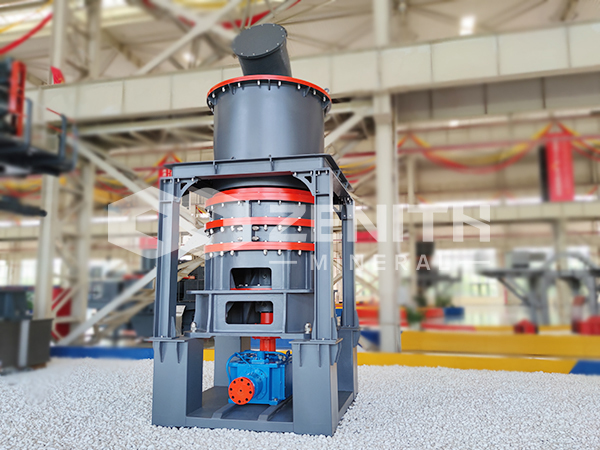
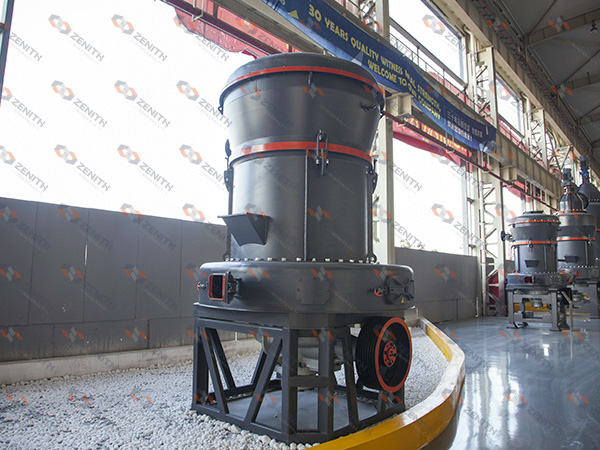
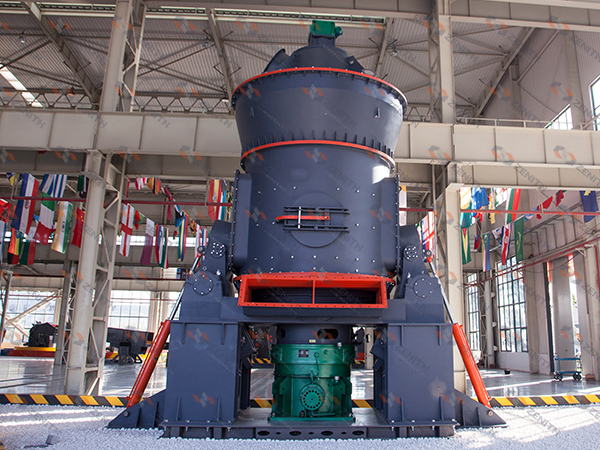
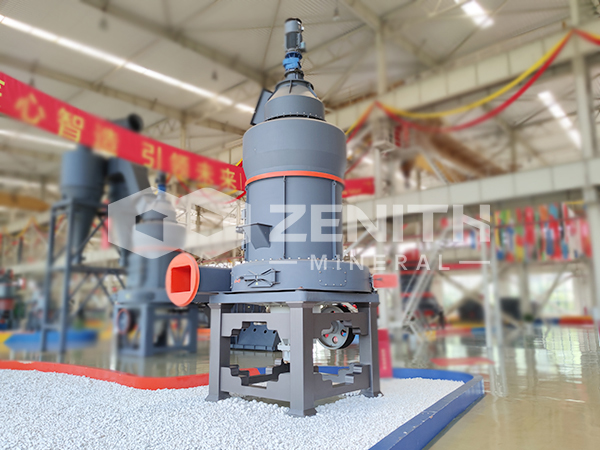
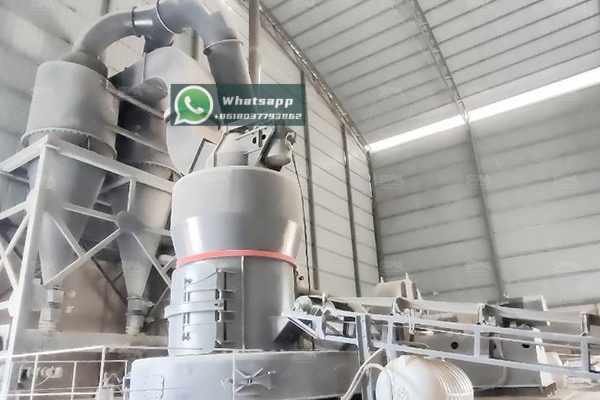
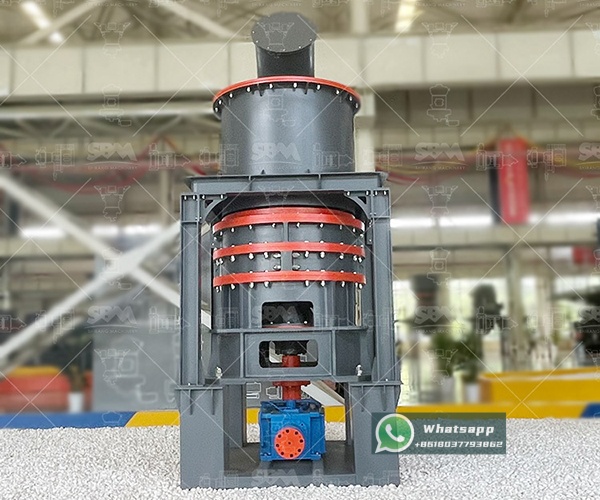
Several milling technologies are available for GCC filler production. Raymond mills and MTM medium-speed mills are suitable for coarse to medium-fine powders. Ball mills can handle large capacities but require more floor space and energy. Vertical mills, especially LM and LUM series, offer integrated drying, grinding, and classification with lower specific energy consumption. XZM ultrafine grinding mills are designed for 325 to 2500 mesh products, while MTW trapezium mills provide high capacity with final sizes down to 45 µm or finer. The correct choice depends on target fineness, output, feed moisture, and downstream coating requirements.
Recommended Solution One: LUM Ultrafine Vertical Mill
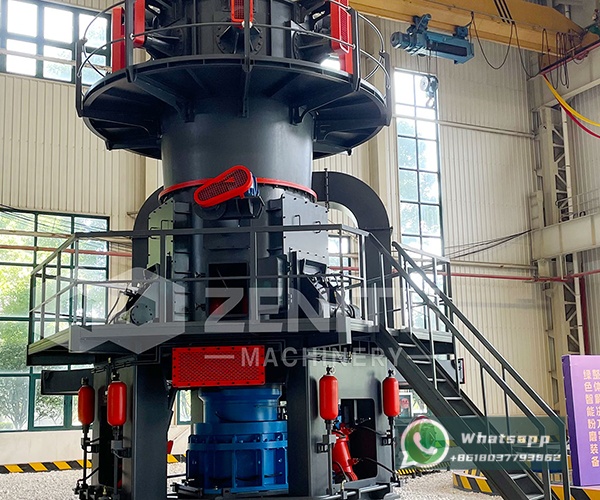
For premium plastics filler, Shanghai Zenith Machinery recommends the LUM Ultrafine Vertical Mill. This equipment integrates grinding, drying, classifying, and transportation in one compact system. It is designed to produce a high content of end-fines with an intelligent control system that simplifies operation and maintenance. The LUM mill is an excellent choice for Canadian producers targeting masterbatch, film, and high-performance PVC compounds.
Key models include LUM1525 with 220 to 250 kW main power and 1.6 to 11.5 t/h capacity, LUM1632 with 280 to 315 kW and 2.0 to 13.5 t/h, and LUM1836 with 355 to 400 kW and 2.3 to 15 t/h. All three can achieve D97 values from 5 to 30 µm. This fineness range is ideal for plastics filler because it balances reinforcement, dispersion, and surface quality. The vertical design also reduces footprint and noise, which is valuable in urban or limited-space plants in Canada.
Recommended Solution Two: MTW Trapezium Grinding Mill
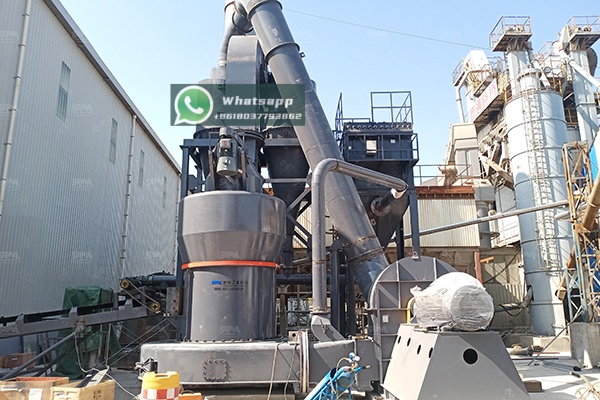
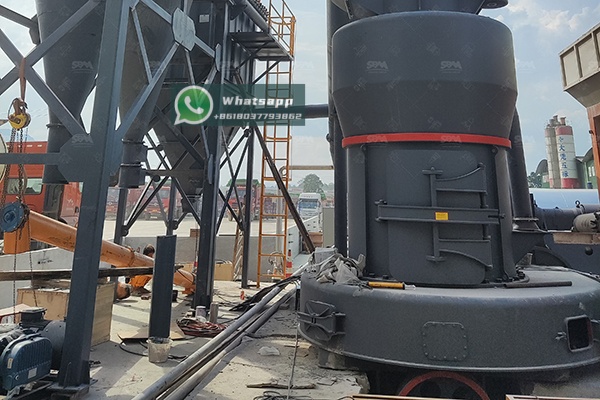
For medium-fine filler and high-capacity production, the MTW Trapezium Grinding Mill is another strong recommendation. It is a patented mill known for compact structure, long service life, and eco-friendly design. It is suitable for materials with maximum feed size up to 50 mm and can produce final product as fine as 0.038 mm in suitable configurations, with standard final sizes from 1.6 mm down to 0.045 mm.
Representative models include MTW175G with maximum feed size below 40 mm, final size 1.6 to 0.045 mm, capacity 9.5 to 25 t/h, main motor 160 kW, and fan motor 200 kW. The larger MTW215G accepts feed below 50 mm, produces 15 to 45 t/h, and uses a 280 kW main motor with a 315 kW fan motor. These mills are well suited for Canadian plants that need robust, continuous production of pipe, profile, and general-purpose filler grades. They can also serve as pre-grinding mills before ultrafine processing.
How to Select the Right Mill for Canadian Production
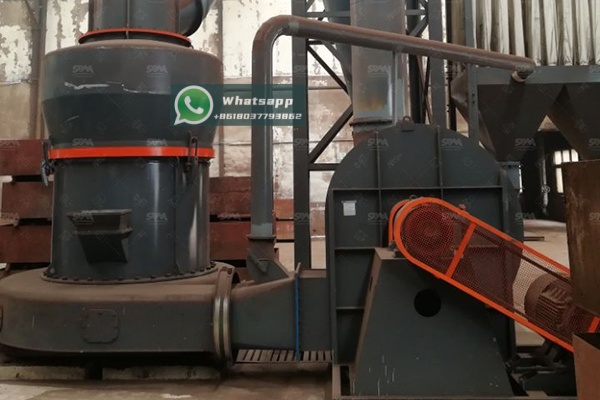
Selection should begin with a clear target specification. If the goal is D97 below 30 µm for masterbatch or film, the LUM Ultrafine Vertical Mill is usually the better primary choice. If the goal is 45 to 150 µm filler for pipe and profiles at high output, the MTW Trapezium Grinding Mill offers excellent capacity and operating economy. Producers who need both coarse and fine grades can install an MTW mill for primary reduction and an LUM or XZM mill for ultrafine finishing. This staged approach improves throughput, lowers total energy per ton, and provides product flexibility as Canadian market demand changes.
Feed properties matter. Hardness, silica content, moisture, and feed size influence wear parts, drying requirements, and classifier settings. Calcium carbonate is relatively soft, but abrasive impurities can shorten mill life. Zenith equipment uses wear-resistant materials and adjustable classifiers to maintain stable product quality. Dust collection and negative-pressure operation help meet Canadian workplace and environmental regulations.
Quality Control and Downstream Processing
After grinding, GCC filler is often classified, coated, and packed. Stearic acid coating improves compatibility with polymers and reduces viscosity in masterbatch. Silane coupling agents may be used for specialty applications. Moisture control is critical, especially in humid coastal plants or during winter condensation cycles. Canadian producers should use online particle size analysis, moisture measurement, and regular whiteness testing to ensure batch-to-batch consistency. Proper silo design and pneumatic conveying prevent segregation and contamination.
Why Shanghai Zenith Machinery
Shanghai Zenith Machinery Co., Ltd. is an excellent manufacturer of ore grinding equipment in China and has made great achievements in the field of ultrafine powder grinding. The company specializes in research, development, and production of industrial powder grinding equipment and related devices. Its main products include MTW Trapezium Grinding Mill, Ball Mill, MTM Medium-Speed Grinding Mill, Raymond Mill, LM Vertical Grinding Mill, LUM Ultrafine Vertical Mill, XZM Ultrafine Grinding Mill, and Hammer Mill. For Canadian calcium carbonate filler projects, Zenith can provide process consultation, equipment selection, layout design, and after-sales support.
Conclusion
Calcium carbonate is a cost-effective and functional filler for Canadian plastics, but success depends on precise grinding and classification. The LUM Ultrafine Vertical Mill is recommended for premium fine filler with D97 of 5 to 30 µm, while the MTW Trapezium Grinding Mill is ideal for high-capacity medium-fine production. By matching mill technology to product specification and local operating conditions, Canadian producers can improve quality, reduce energy costs, and strengthen their position in the plastics filler market. Shanghai Zenith Machinery offers the experience and equipment range to support every stage of that journey.
Key Equipment
Want This Solution for Your Project?
Contact us for a customized quotation and technical proposal.
Interested in This Solution?
Send us a message and our engineers will get back to you within 24 hours.