Importance of Basalt in Libya Road Construction
Libya’s ambitious infrastructure plans require high-performance road materials capable of enduring heavy truck traffic, extreme temperatures, and desert conditions. Basalt, an extrusive igneous rock abundant in several Libyan regions, offers excellent mechanical properties: high compressive strength, resistance to abrasion, and a low coefficient of thermal expansion. Processing basalt into carefully sized aggregates and fine mineral powders is essential for producing high-quality asphalt mixtures and road bases. A dedicated basalt milling line converts run-of-mine basalt into valuable end products, from coarse sand for anti-skid layers to 200-mesh and finer mineral filler that improves the cohesion and durability of asphalt binders.
The Basalt Milling Process: From Rock to Road Material
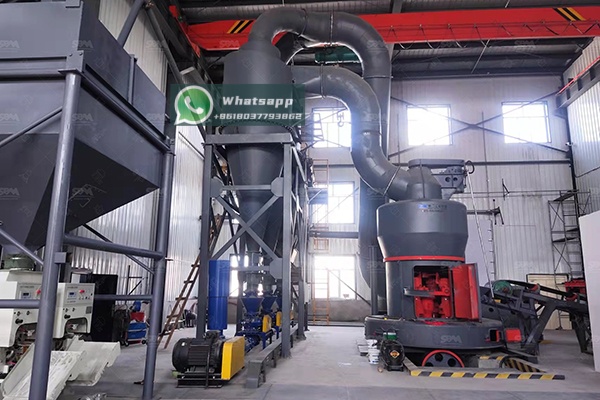
A complete basalt milling line for road materials includes primary crushing, secondary crushing, stockpiling, grinding, classification, and dust collection. Large basalt boulders are first reduced by a jaw crusher to below 50 mm, then conveyed to a grinding mill. The mill, together with a classifier, creates a closed-circuit operation that ensures consistent fineness. For road construction, typical output specifications range from 0-3 mm for sand, 0-15 mm for aggregates, and 0.075 mm for mineral filler. The grinding stage is particularly important because it determines both the particle size distribution and the surface characteristics of the filler, which directly affect asphalt performance.
Crushing stage
Basalt is a hard and abrasive rock. In the crushing stage, jaw crushers and cone crushers are applied to reduce run-of-mine material to a feed size suitable for the mill. The crushed basalt is screened and stored in hoppers. For an efficient milling line, the feed size should be controlled to match the mill’s maximum feed dimension, ensuring smooth operation and protecting the grinding elements from excessive wear.
Grinding stage
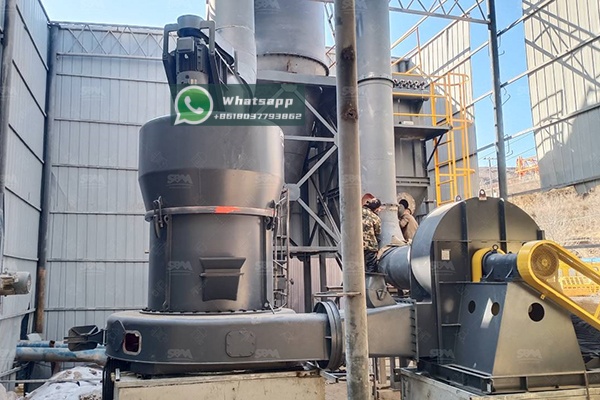
In the grinding stage, the basalt is ground by the roller and ring or grinding table. The mill continuously crushes and grinds the material while the classifier sifts the powder. Oversized particles are returned to the mill for further processing. This closed-loop system guarantees a stable output fineness, which is critical for road material quality. In areas where moisture is a concern, the mill can also perform hot air drying within the same unit.
Classification and conveying
The classifier is the key to controlling fineness. By adjusting the rotor speed, operators can produce powders ranging from coarse sand to very fine mineral filler. The finished powder is conveyed to a bag-type dust collector and then stored in silos or loaded into bulk trucks. The entire line is designed for high efficiency with minimal dust emission, meeting modern environmental standards.
Zenith Grinding Equipment for Basalt Milling
Shanghai Zenith Machinery Co., Ltd. is an excellent manufacturer of ore grinding equipment in China, and has made great achievements in the field of ultra-fine powder grinding. The company specializes in the research, development, and production of industrial powder grinding equipment. For road-material projects in Libya, Zenith recommends two core products: the MTW Trapezium Grinding Mill and the LM Vertical Grinding Mill. Both have proven performance in abrasive mineral applications and can be configured to produce the exact fineness required for Libyan road construction.
MTW Trapezium Grinding Mill
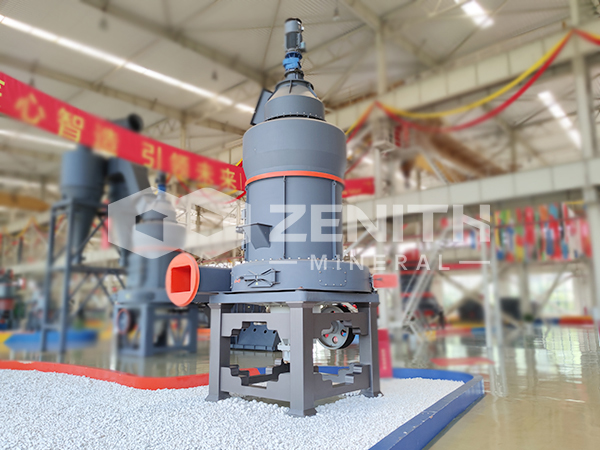
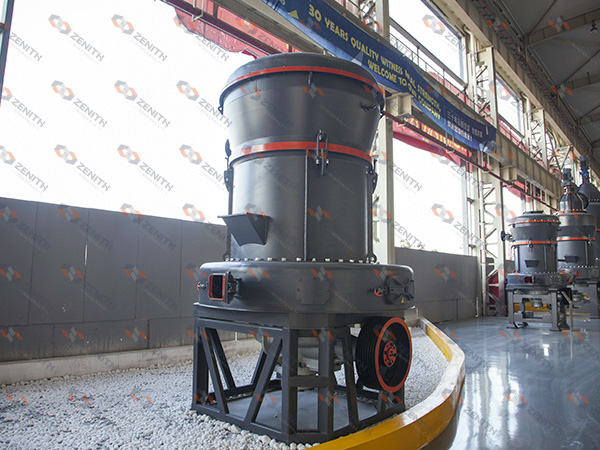
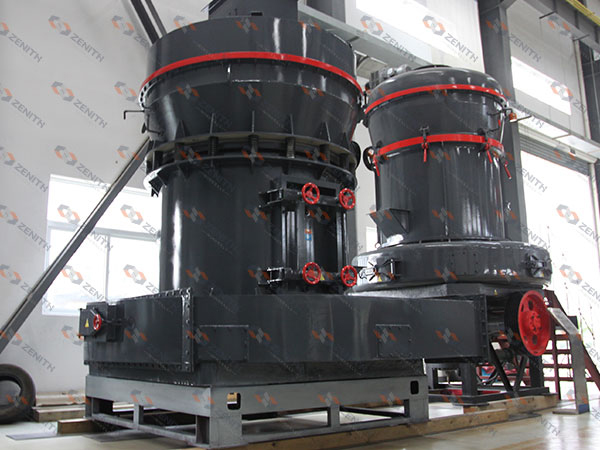
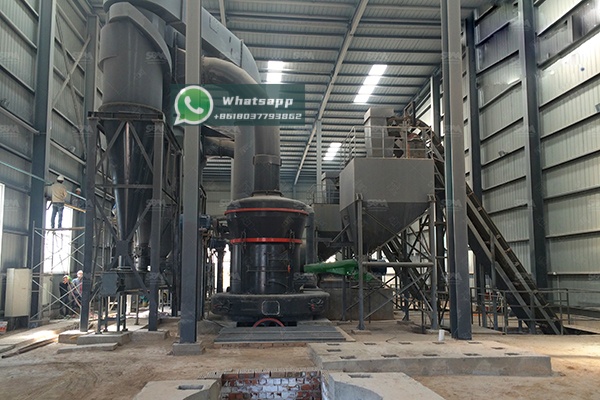
The MTW Trapezium Grinding Mill is a multi-patent grinding mill known for its compact structure, long service life, and eco-friendly operation. It is an ideal choice for processing basalt into road-building powder. The mill’s trapezium grinding rollers and a curved air path improve grinding efficiency and reduce energy consumption. It also features an internal circulation of materials and a high-efficiency classifier.
For Libyan road projects, the MTW175G model is a practical solution. It accepts feed sizes up to 40 mm and produces finished products from 1.6 mm down to 0.045 mm. Its capacity ranges from 9.5 to 25 tonnes per hour with a main motor of 160 kW. If larger throughput is needed, the MTW215G can handle up to 50 mm feed and achieve 15-45 tonnes per hour with a 280 kW motor. This makes MTW series mills suitable for producing mineral filler for asphalt mixing plants and even fine powder for cement-treated base layers.
LM Vertical Grinding Mill
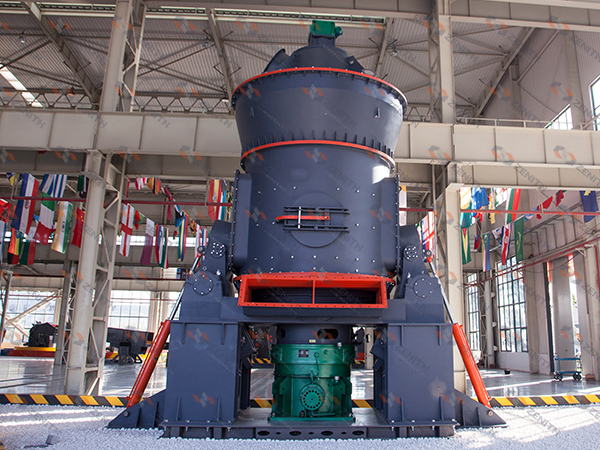
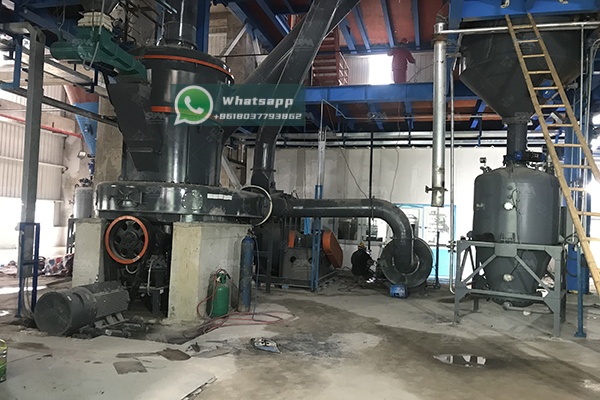
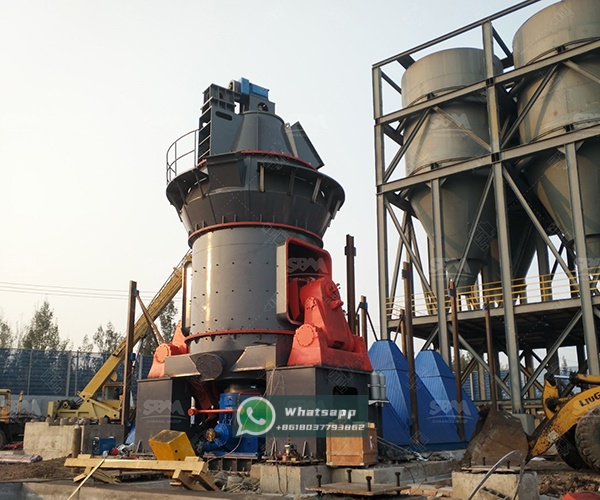
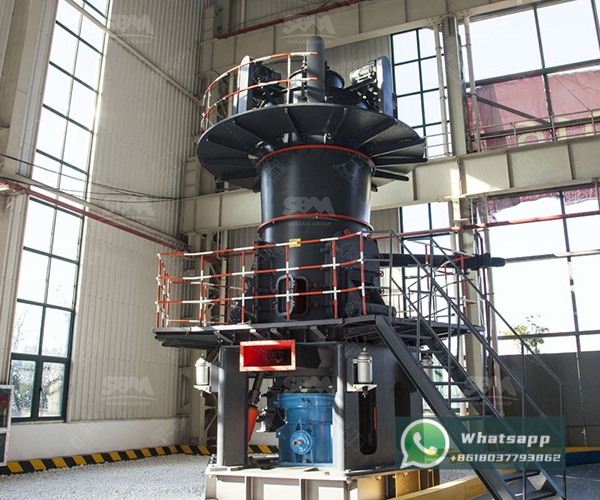
For large-scale basalt milling lines, the LM Vertical Grinding Mill is a world-leading solution. It integrates five functions: crushing, grinding, powder selection, drying, and material conveying. Because it combines these operations in one machine, the LM mill occupies a smaller area and reduces auxiliary equipment. It is also more energy-efficient than traditional ball milling systems and features a central control system that allows easy adjustment of product fineness and output.
The LM190K vertical mill has a grinding plate diameter of 1900 mm and can accept basalt feed sizes below 45 mm. It produces powders in the 170-40 μm range with a capacity of 23-68 tonnes per hour, driven by a 500 kW main motor. For very large road construction programs, the LM280K provides even greater capacity, reaching 50-170 tonnes per hour. The LM series is especially suitable for manufacturing consistent mineral filler that enhances the performance of Libyan asphalt roads under high-temperature loading.
Advantages of the Zenith Basalt Milling Line
Zenith basalt milling lines deliver a number of advantages to Libyan contractors. First, the high grinding efficiency lowers power consumption per tonne of finished material. Second, the vertical and trapezium mill designs are equipped with wear-resistant alloys, which extend service life and reduce downtime when processing abrasive basalt. Third, the compact layout and integrated classifier make the production line easy to operate and maintain. Fourth, the dust collection systems and low-noise operation help projects comply with environmental regulations.
In addition, Zenith offers complete technical support, from plant design to commissioning and operator training. This is particularly valuable in Libya, where local teams need to run the line efficiently under challenging site conditions. Spare parts support and after-sales service further ensure long-term reliability.
Conclusion
Basalt is a key material for building durable and sustainable roads in Libya. By investing in a modern basalt milling line with Shanghai Zenith Machinery equipment, Libyan road contractors can produce high-quality aggregates and mineral fillers that meet international standards. The MTW Trapezium Grinding Mill and LM Vertical Grinding Mill offer flexible, efficient, and reliable solutions for all basalt powder applications. With the right milling technology, Libya can strengthen its road infrastructure and support long-term economic development.
Key Equipment
Want This Solution for Your Project?
Contact us for a customized quotation and technical proposal.
Interested in This Solution?
Send us a message and our engineers will get back to you within 24 hours.