Introduction
Kenya’s rapid urbanisation, infrastructure investment and housing programmes continue to drive demand for cement, ready-mix concrete and performance-enhancing concrete additives. As producers look for local, cost-effective and sustainable mineral additives, basalt is attracting attention because it is abundant, hard, dense and chemically stable. When basalt is ground to a carefully controlled particle size, it can be used as a mineral filler and functional concrete additive to improve packing density, reduce permeability and support more efficient concrete mix design. The key to commercial success is selecting a basalt grinding mill for concrete additive in Kenya that can handle abrasive material, deliver consistent fineness and operate efficiently under local conditions. Shanghai Zenith Machinery Co., Ltd. supplies industrial powder grinding equipment for exactly these requirements. This article reviews the application of basalt powder in concrete, the grinding requirements in Kenya and two recommended Zenith grinding solutions: the LM Vertical Grinding Mill and the MTW Trapezium Grinding Mill.
Why Basalt Is a Strategic Concrete Additive in Kenya
Basalt is one of the most common rock types in Kenya and is already quarried for aggregates, road stone and construction materials. For concrete producers, basalt powder offers a locally available mineral additive that can reduce dependence on imported supplementary materials and improve supply security. In concrete, finely ground basalt can act as a mineral filler, filling voids between cement grains and aggregates, improving particle packing and reducing the paste volume required for a given workability. This can contribute to lower permeability, better dimensional stability and improved durability when the mix is properly designed and tested.
However, basalt powder should not be treated as a simple replacement material without qualification. Its performance depends on fineness, particle size distribution, moisture content, purity and the presence of clay or other deleterious minerals. Some basalts may show limited pozzolanic reactivity, while others are mainly inert fillers. For this reason, concrete producers in Nairobi, Mombasa, Kisumu and other Kenyan markets should evaluate basalt powder through laboratory trial mixes, checking compressive strength, setting time, workability, shrinkage and durability. Once the optimum dosage and fineness are confirmed, a reliable grinding plant becomes the foundation of a consistent concrete additive business.
Grinding Requirements for Basalt Powder in Concrete
Basalt is hard and abrasive, typically with a Mohs hardness of about 6 to 7. This places high demands on mill wear parts, classifier efficiency and dust control. For concrete additive applications, a common target is 325 mesh, equivalent to approximately 45 microns, although some high-performance mixes may require finer grinding. The required capacity can range from 10 t/h for a regional grinding station to 50 t/h or more for a cement or concrete group serving large infrastructure projects.
A well-designed basalt grinding system for concrete additive production should include controlled feeding, metal removal, grinding, dynamic classification, dust collection, finished powder storage and packing. Moisture control is also important because wet basalt can reduce mill efficiency and cause blockages. In Kenya’s hot and dusty environments, equipment enclosures, reliable air filtration and easy access for maintenance are practical necessities. Energy efficiency is another priority, especially for plants operating with variable power supply or high electricity costs. Vertical grinding technology and advanced trapezium mills are therefore attractive because they combine grinding, drying and classification in a compact flowsheet.
Recommended Zenith Equipment for Basalt Grinding in Kenya
1. LM Vertical Grinding Mill for High-Capacity Basalt Powder
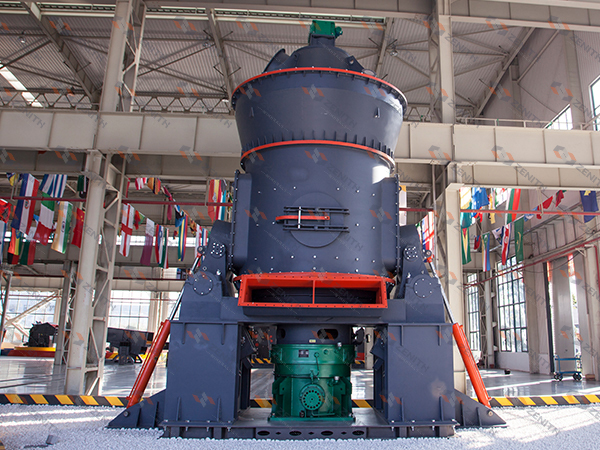
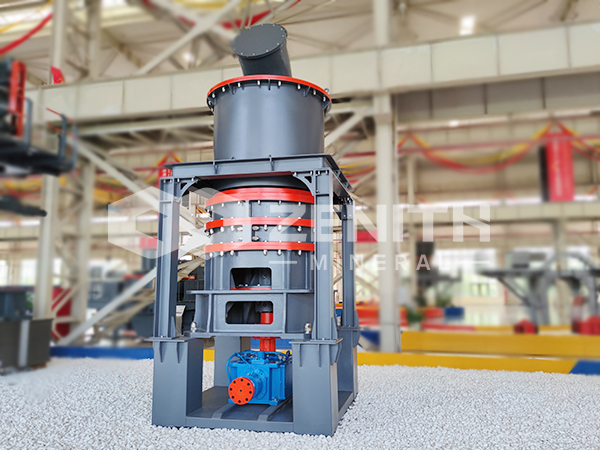
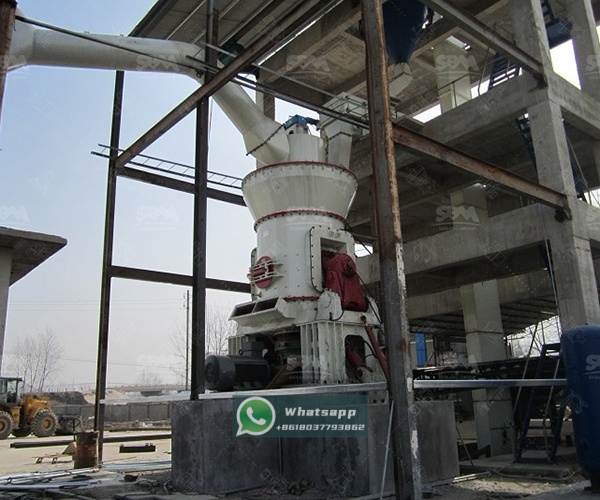
The LM Vertical Grinding Mill is an excellent choice for a commercial basalt concrete additive plant in Kenya. It integrates crushing, grinding, powder selection, drying and material conveying into one compact system. This reduces civil construction requirements and simplifies the production line. The LM series is designed for stable operation, low energy consumption and environmentally responsible powder production. With a dynamic classifier, the mill can produce fine basalt powder suitable for concrete additive applications, while the integrated drying function helps manage raw material moisture.
For medium to large projects, Zenith recommends models such as LM130K, LM190K and LM280K. The LM130K is suitable for a regional grinding station, the LM190K offers a balanced capacity for growing concrete additive suppliers, and the LM280K is suitable for large-scale cement and concrete operations. Typical performance data are shown below.
| Model | Plate diameter (mm) | Capacity (t/h) | Output fineness (μm) | Max feed size (mm) | Main motor (kW) |
|---|---|---|---|---|---|
| LM130K | 1300 | 10-28 | 170-40 | <38 | 200 |
| LM190K | 1900 | 23-68 | 170-40 | <45 | 500 |
| LM280K | 2800 | 50-170 | 170-45 | <50 | 1250 |
2. MTW Trapezium Grinding Mill for Flexible Fine Grinding
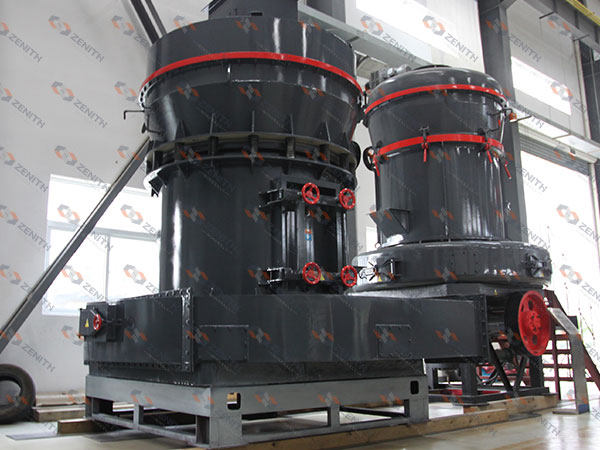
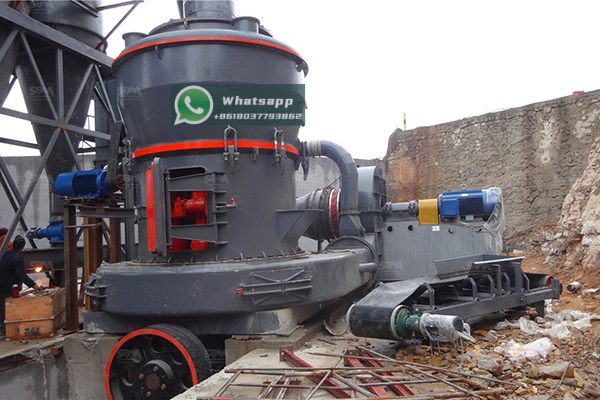
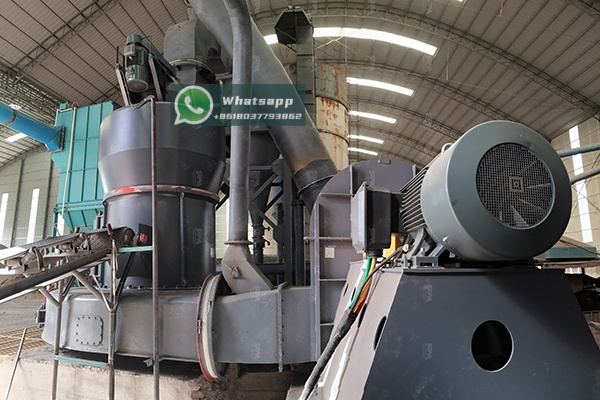
The MTW Trapezium Grinding Mill is a patented Zenith product known for its compact structure, long service life and eco-friendly design. It is suitable for processors who require flexible production and fine basalt powder with a final product down to approximately 0.045 mm in standard configuration. The MTW series is a strong option for small and medium concrete additive plants, as well as for producers who need a reliable mill for blended cement, dry mortar and special concrete products. Its upgraded structure and efficient classifier help maintain stable product fineness while reducing energy waste.
Recommended MTW models for Kenyan basalt projects include the MTW138Z, MTW175G and MTW215G. The MTW138Z is well suited to a compact grinding unit, while the MTW175G and MTW215G provide higher output for larger concrete additive operations. Typical parameters are listed below.
| Model | Max. feed size (mm) | Final size (mm) | Capacity (t/h) | Main motor (kW) | Fan motor (kW) |
|---|---|---|---|---|---|
| MTW138Z | <35 | 1.6-0.045 | 6-17 | 90 | 110 |
| MTW175G | <40 | 1.6-0.045 | 9.5-25 | 160 | 200 |
| MTW215G | <50 | 1.6-0.045 | 15-45 | 280 | 315 |
Plant Configuration and Quality Control
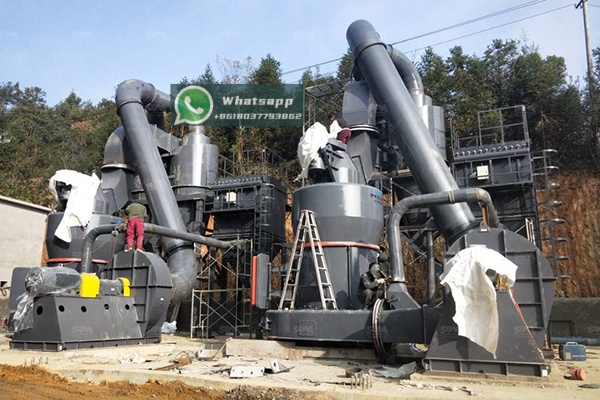
A typical basalt grinding plant for concrete additive production in Kenya includes a feed hopper, vibrating feeder, primary crushing to reduce basalt to the mill feed size, magnetic separation for tramp iron, grinding mill, dynamic classifier, pulse-jet bag filter, induced draft fan, finished powder silo and packing system. For the LM Vertical Grinding Mill, the system can be compact and highly automated. For the MTW Trapezium Grinding Mill, the layout is flexible and can be adapted to existing plants or new industrial parks.
Quality control should begin with raw material inspection. Basalt feed should be checked for moisture, clay contamination and excessive fines. During production, operators should monitor mill current, classifier speed, air flow and product fineness. Finished basalt powder should be tested for sieve residue, Blaine fineness, moisture content and bulk density. Concrete trial mixes should confirm the optimum dosage and verify that the additive delivers the intended benefits in workability, strength and durability. Dust collection and enclosed conveying are essential for worker safety and environmental compliance, particularly in urban and peri-urban areas of Kenya.
Why Choose Shanghai Zenith Machinery for Kenya Projects
Shanghai Zenith Machinery Co., Ltd. is an excellent manufacturer of ore grinding equipment in China and has made significant achievements in the field of ultra-fine powder grinding. The company specialises in the research, development and production of industrial powder grinding equipment and related devices. Its main products include the MTW Trapezium Grinding Mill, Ball Mill, MTM Medium-Speed Grinding Mill, Raymond Mill, LM Vertical Grinding Mill, LUM Ultrafine Vertical Mill, XZM Ultrafine Grinding Mill and Hammer Mill. For basalt concrete additive projects in Kenya, the LM Vertical Grinding Mill and MTW Trapezium Grinding Mill offer a practical combination of capacity, fineness control, energy efficiency and maintenance accessibility.
Equipment selection should be based on actual project data, including basalt hardness, feed size, moisture, required fineness, target capacity and power supply. Zenith can support plant layout, equipment sizing, commissioning and operator training. For Kenyan investors, spare parts planning and responsive technical service are important to minimise downtime and protect production continuity. With the right grinding mill and disciplined quality control, basalt powder can become a valuable local concrete additive that supports Kenya’s growing construction industry.
Conclusion
Basalt grinding is a promising route for producing concrete additives in Kenya, where local basalt resources and strong construction demand create a natural opportunity. Success depends on selecting equipment that can handle abrasive basalt and deliver consistent fine powder at the required output. The LM Vertical Grinding Mill is recommended for high-capacity, integrated and energy-efficient production, while the MTW Trapezium Grinding Mill offers flexible fine grinding for small and medium plants. By combining proven Zenith equipment with proper plant design and quality testing, Kenyan producers can build a reliable basalt concrete additive business for domestic cement, concrete and infrastructure markets.
Key Equipment
Want This Solution for Your Project?
Contact us for a customized quotation and technical proposal.

Interested in This Solution?
Send us a message and our engineers will get back to you within 24 hours.