
Introduction
Kenya has become one of East Africa’s most dynamic cement markets. Population growth, infrastructure projects, housing demand, and private construction have all contributed to strong consumption of Portland cement. While large integrated cement plants remain important, many investors now seek small, flexible clinker grinding operations. A small capacity line, typically producing 10 to 28 tonnes per hour of finished cement, is an attractive business model because it requires a lower initial investment, can be established near demand centers, and responds quickly to changes in cement type and market demand.
The key to the success of such a line is selecting a reliable cement clinker grinding mill. The mill determines quality, production cost, energy consumption, and long-term profitability of the plant. This article discusses the requirements of cement clinker grinding for a small capacity line in Kenya and recommends suitable solutions from Shanghai Zenith, a leading grinding equipment manufacturer.

Why Kenya needs small capacity clinker grinding lines
Kenya is served by cement plants in areas such as Athi River, Mombasa, and other industrial zones. Transporting cement by road to remote counties is expensive and can cause supply delays. A compact grinding plant can produce cement locally from dry clinker and additives, reducing the final cost to customers in that region. In addition, Kenyan cement standards and market practice permit many blended products. A small line can grind clinker together with natural pozzolana, limestone, and gypsum to produce Portland pozzolana cement, Portland limestone cement, or ordinary Portland cement. The same mill can be used for different recipes if the feeding and proportioning system is properly designed.
Furthermore, some local investors have access to imported clinker from countries with surplus capacity. In coastal areas, clinker can be transported by sea and discharged at Mombasa. A clinker grinding mill with enough capacity but low operating cost can then give the owner a chance to compete with fully integrated producers.
Clinker grinding process and important design factors
Cement clinker is a hard material produced by heating limestone and clay to sintering temperature. To make finished cement, clinker is mixed with gypsum and ground into a fine powder. The grinding process must deliver a product with consistent particle size and adequate specific surface area. For ordinary Portland cement, a common target is a fineness such that a high percentage passes a 45 micron sieve, although the exact target must meet the project specification.
Because clinker is abrasive, the grinding mill must be mechanically robust. It must also accept feed material that is not perfectly uniform. In many small plants, clinker is stored outside and may vary in lump size and moisture. The mill should therefore cope with occasional larger particles and should have an efficient air sweeping system to remove fine powder quickly and prevent over-grinding.
Energy consumption is another major factor. Grinding operations may consume a large share of the electrical energy in a cement plant. Since electricity tariffs in Kenya can be high, the mill with lower energy per tonne will have a direct competitive advantage. The equipment should also be able to operate at partial load without excessive waste.
Comparing mill options for small capacity lines
Ball mill grinding system
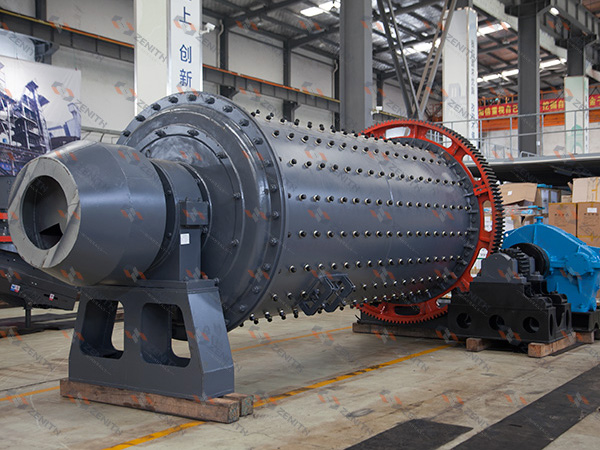
A ball mill has been the conventional tool for cement clinker grinding for many decades. Clinker is fed into a rotating cylinder containing steel balls or other grinding media. Crushing and abrasion take place as the balls cascade inside the drum. A ball mill can produce excellent cement, especially when installed in closed circuit with an air classifier. However, ball mills are heavy, require a considerable amount of floor space, and use more electricity and grinding media than modern vertical mills. For a small and remotely located plant in Kenya, foundations and transportation of heavy mill parts can be a challenge.
Vertical roller mill system
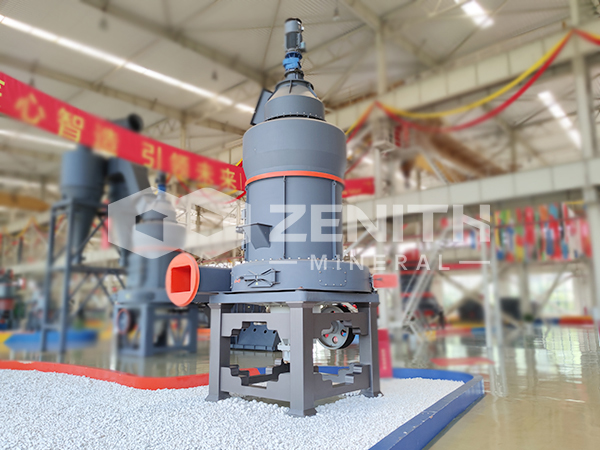
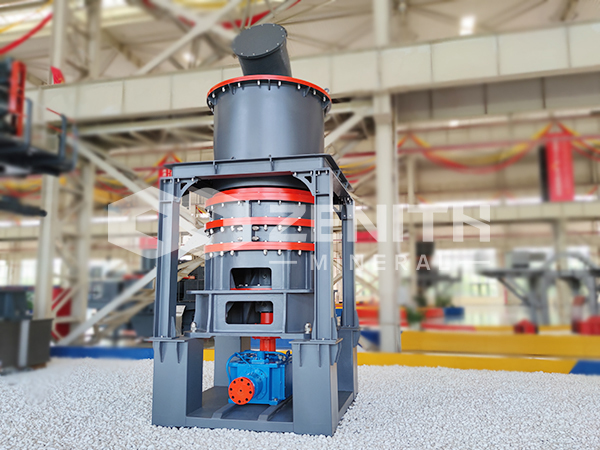
The vertical roller mill offers better energy efficiency and a smaller footprint. Material is ground between a rotating table and hydraulically loaded rollers. Ground material is transported by the gas stream to an integrated dynamic classifier. Oversize particles fall back to the grinding table while fine powder leaves the mill as finished product. The vertical roller mill can dry feed material with low moisture, control product fineness by changing classifier speed, and operate reliably under many conditions.
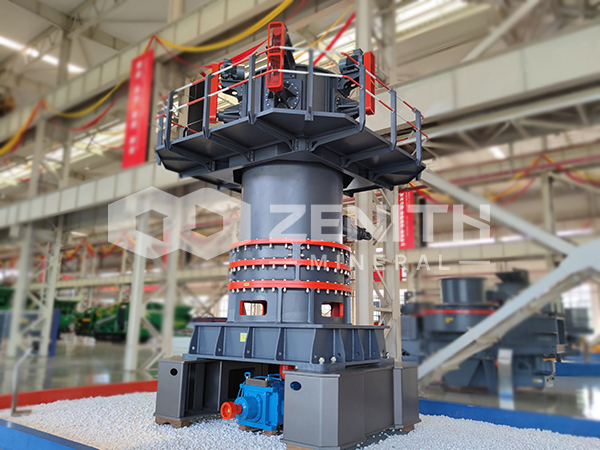
From the perspective of a small capacity clinker grinding line, the vertical roller mill is attractive because the plant is simpler. There are fewer auxiliary machines, less air leakage, and lower civil engineering costs. Shanghai Zenith’s LM Vertical Grinding Mill combines grinding, drying, classifying, and material conveying in one main unit.
Recommended product: Zenith LM130K Vertical Grinding Mill
Shanghai Zenith Machinery Co., Ltd. is an excellent manufacturer of ore grinding equipment in China and has achieved strong results in the field of powder grinding. The company offers a complete range of mills such as MTW Trapezium Mill, MTM Medium-Speed Mill, Raymond Mill, Ball Mill, LUM Ultrafine Vertical Mill, and LM Vertical Grinding Mill. For a small capacity cement clinker line, the LM130K Vertical Grinding Mill is especially appropriate because it matches the capacity of many Kenyan projects.
The LM130K can accept crushed clinker with a maximum feed size of less than 38 millimetres. It produces finished powder with fineness from 170 to 40 microns. Its capacity range is 10 to 28 tonnes per hour under normal material conditions. The main motor power is 200 kilowatts. This combination of feed size, capacity, and fineness makes the LM130K a very practical single mill for a small clinker grinding line.
| Parameter | Value |
|---|---|
| Model | LM130K |
| Grinding table diameter | 1,300 mm |
| Max feed size | <38 mm |
| Output fineness | 170-40 micron |
| Capacity | 10-28 t/h |
| Main motor power | 200 kW |
The LM130K has a compact structure and uses rollers to grind material on the table. Mill operation can be adjusted by changing grinding pressure, feed rate, and classifier speed. This flexibility is valuable when a Kenyan producer wants to manufacture more than one type of cement. The vertical mill also has an internal classification system, which reduces the number of elevators, pipes, and classifiers needed in the plant. As a result, installation is easier and the daily operation requires less supervision.
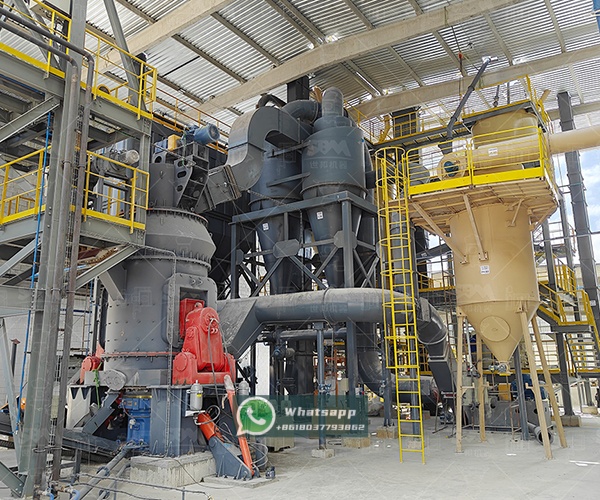
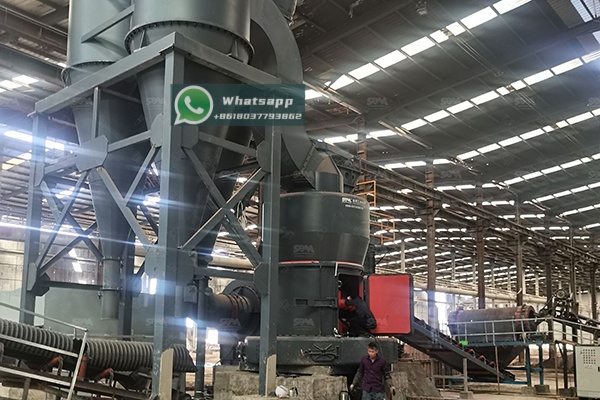
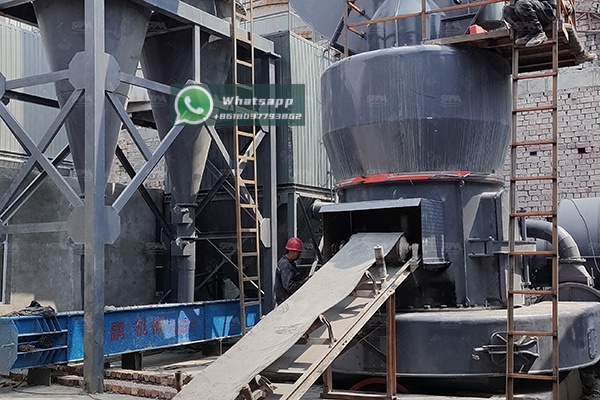
Because the LM130K dries, grinds, classifies, and conveys material in the same unit, the complete clinker grinding layout can be very simple. Clinker silos, a small weigh feeder, the vertical mill, a bag filter, a bucket elevator, and a cement silo are enough to create a functional production line. For a small capacity project in a developing market such as Kenya, this means lower civil cost, faster setup, and simpler training for local operators.
Zenith ball mill for conventional plants
If the investor has more experience in operating a drum mill or requires a very conventional solution, Zenith also offers ball mills. Zenith ball mills are used in cement, mineral, and chemical processing applications and are known for robust construction and easy adjustment of product fineness. In a small clinker grinding plant, the ball mill can be used in closed circuit with an air classifier. However, the complete ball mill system generally needs a larger building, more supporting components, and more electrical energy than an LM vertical mill. Therefore, the LM130K remains the primary recommendation for small-capacity cement clinker grinding in Kenya.
Conclusion
Kenya’s cement market presents a clear opportunity for investors who want to build small clinker grinding plants close to customers. The selection of the cement clinker grinding mill is crucial for product quality and profitability. A vertical roller mill such as the Zenith LM130K can provide high reliability, low energy consumption, compact layout, and flexible adjustment for different cement recipes. Zenith ball mills are also available for clients who prefer a conventional process. With proper design and operation, a small capacity line in Kenya can compete effectively by reducing logistic costs, responding quickly to customer demand, and maintaining consistent cement quality.
Key Equipment
Want This Solution for Your Project?
Contact us for a customized quotation and technical proposal.
Interested in This Solution?
Send us a message and our engineers will get back to you within 24 hours.