Introduction: Zeolite as a Natural Solution for Odor Control
Zeolite is a microporous aluminosilicate mineral renowned for its exceptional adsorption, ion-exchange, and catalytic properties. In odor control applications, natural and synthetic zeolites are increasingly used to capture ammonia, hydrogen sulfide, volatile organic compounds, and other malodorous gases. For Malaysia, where tropical climate and high humidity accelerate the release of odors from landfills, livestock farms, palm oil mills, and wastewater treatment plants, zeolite-based filtration and deodorization systems present a sustainable and highly effective solution. The key to maximizing zeolite’s odor-removal capacity lies in the quality of its powder: high-purity, ultra-fine, uniformly sized particles with exposed microporous structure. This requires a specialized zeolite milling line that can deliver consistent product specifications at commercial scale.
The Malaysian Context: Demand for Efficient Zeolite Processing
Malaysia’s rapid urbanization and agricultural expansion have increased the need for odor mitigation technologies. The country hosts numerous industrial facilities, waste management sites, and intensive livestock operations. Zeolite is also widely used in aquaculture to maintain water quality and control ammonia, and in hygiene products such as cat litter and deodorizers. The Malaysian market demands zeolite powder with fineness ranging from 100 mesh for granular formats to 800 mesh or finer for high-surface-area applications. Because zeolite is a relatively hard material with moderate abrasiveness, the milling process must be designed to minimize equipment wear while achieving high throughput and low energy consumption. A well-designed milling line—from primary crushing to ultrafine grinding and classification—is essential for producing zeolite products that meet international quality standards.
Designing a Zeolite Milling Line: From Crushing to Ultrafine Grinding
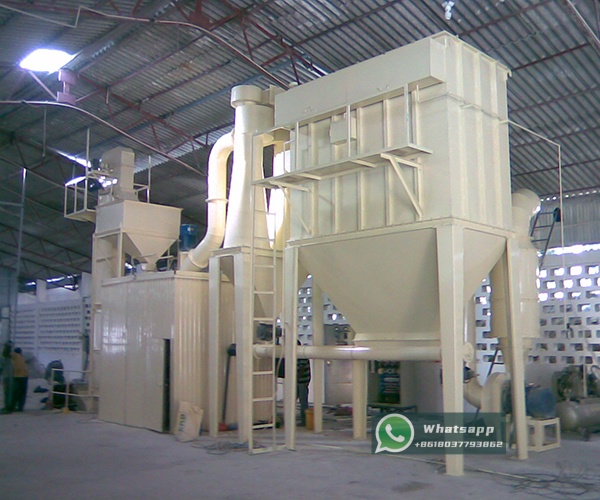
A typical zeolite milling line begins with primary crushing using a jaw crusher or hammer mill, reducing mined zeolite rock to smaller particles below 30–50 mm. The crushed material is then fed into a grinding mill via a vibrating feeder. For odor control applications, the target fineness often requires a pulverizer capable of producing powders in the range of 325 to 2500 mesh. After grinding, a classifier ensures uniform particle size distribution, and a bag filter collects the finished powder while maintaining clean operation. The system must also include a dryer if the raw zeolite has high moisture content, especially in tropical climates like Malaysia. Shanghai Zenith Machinery Co., Ltd. offers complete solutions for this process. Their mills integrate grinding and classification in one unit, simplified layout, and can be configured with auxiliary equipment such as dryers, feeders, and collectors.
Recommended Zenith Equipment for Odor-Control Zeolite Production
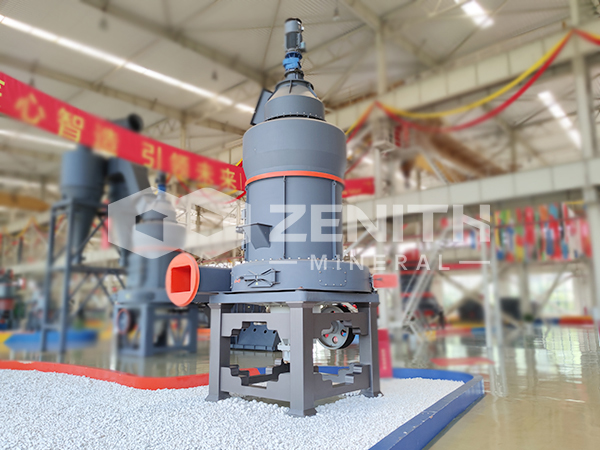
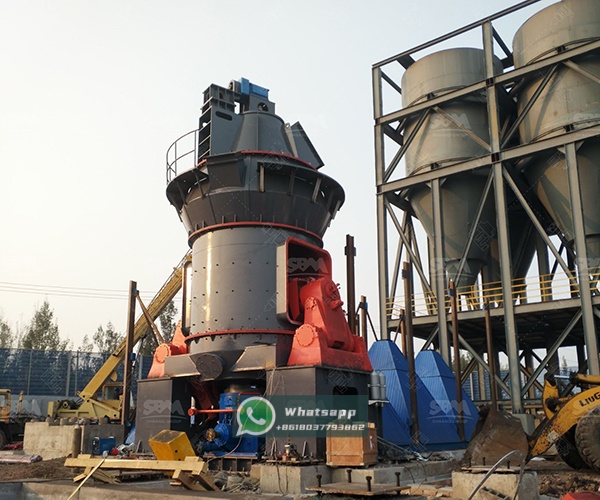
For Malaysian customers seeking a reliable zeolite milling line, Shanghai Zenith recommends the LUM Ultrafine Vertical Mill and the XZM Ultrafine Grinding Mill. Both machines are engineered for superfine powder production and offer excellent performance when grinding zeolite.
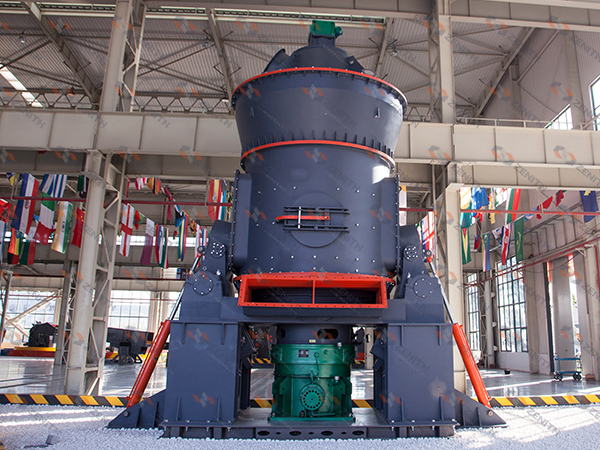
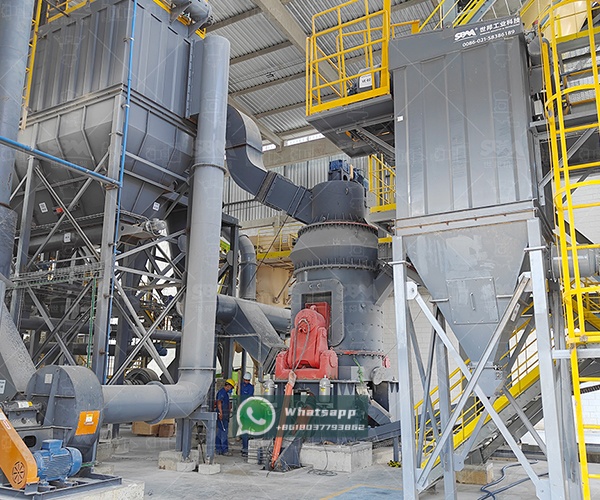
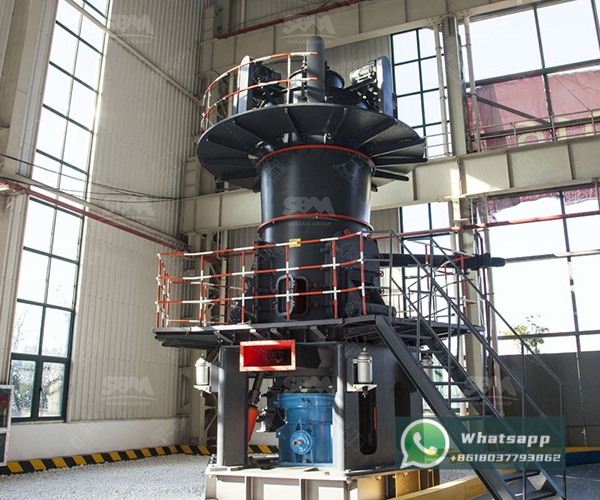
The LUM Ultrafine Vertical Mill is an ideal choice for large-scale production with high efficiency. It integrates grinding, drying, classifying, and transportation. Its compact layout saves floor space, and intelligent control makes operation easier. The LUM series can produce zeolite powder with D97 in the range of 5–30 μm, equivalent to approximately 325–2500 mesh. For example, the LUM1525 model has a main machine power of 220–250 kW and capacity of 1.6–11.5 t/h, while the LUM1836 model reaches a capacity of 2.3–15 t/h with 355–400 kW main power. Such capacities are well suited for commercial zeolite processing plants in Malaysia.
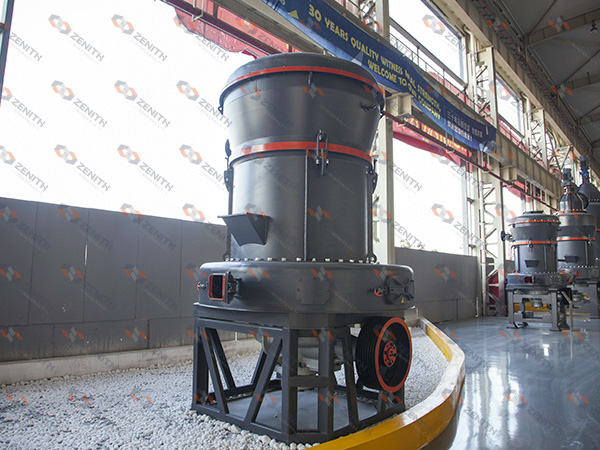
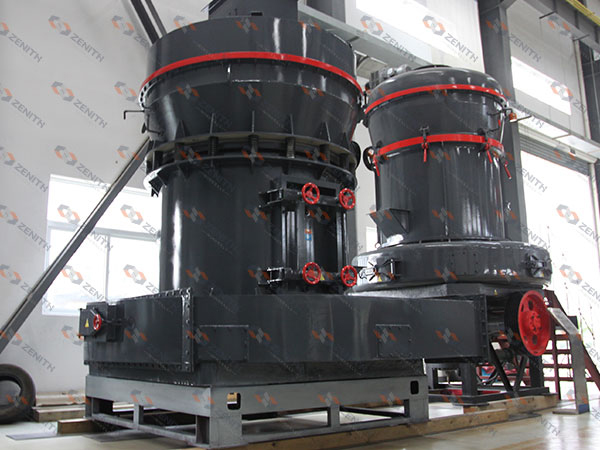
The XZM Ultrafine Grinding Mill is another excellent option. It uses a multi-ring, multi-roll grinding system with high grinding efficiency. The XZM221 model operates with a working diameter of Φ800 mm, accepts feed size up to 20 mm, and produces an output fineness between 325 and 2500 mesh at a capacity of 500–4500 kg/h with a 75 kW main motor. For larger operations, the XZM268 can produce 5000–25000 kg/h with a 315 kW motor. Both machines are widely used for superfine powder production of soft or medium-hard minerals, and zeolite falls perfectly within their processing scope.
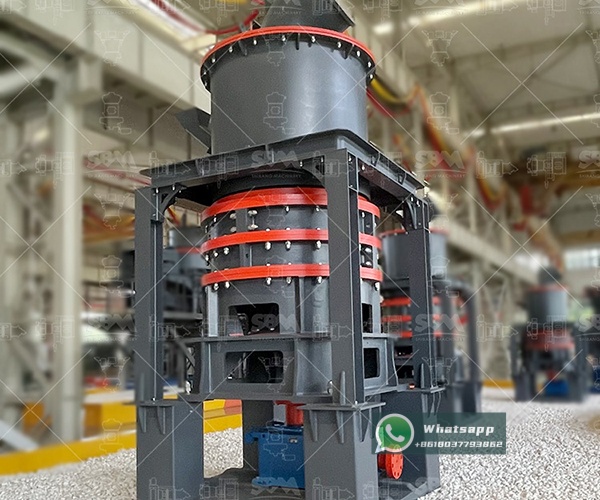
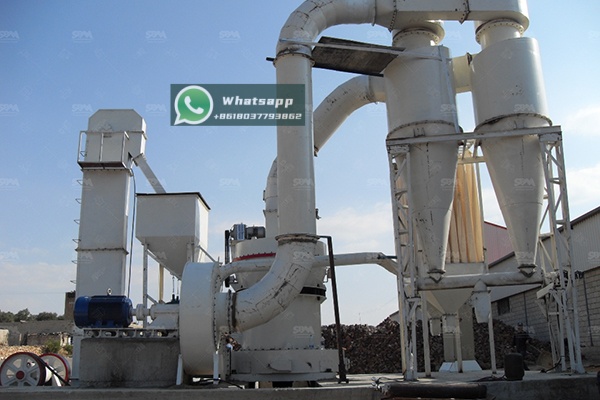
If the customer’s primary target is a coarser product for granular odor control media, the MTW Trapezium Grinding Mill may also be considered. For instance, the MTW138Z can process feed sizes below 35 mm and deliver final products from 1.6–0.045 mm with a capacity of 6–17 t/h. However, for applications requiring maximum surface area and adsorption capacity, the LUM and XZM are the recommended choices.
Advantages of Zenith Grinding Mills in Odor Control Zeolite Processing
Shanghai Zenith Machinery has decades of experience in ore grinding equipment. The company specializes in the research, development, and production of industrial powder grinding equipment. Its mills offer several key benefits for zeolite processors in Malaysia. First, high grinding efficiency reduces energy consumption and operating costs. Second, precise classification systems produce uniform particle size distribution, which is critical for consistent odor adsorption performance. Third, advanced sealing and dust collection systems ensure a clean working environment, meeting Malaysia’s environmental regulations. Fourth, Zenith’s equipment is robust and durable, minimizing downtime and maintenance expenses. With multiple patented technologies and a strong after-sales service network, Zenith is a trusted partner for long-term projects.
Case-Oriented Milling Solutions for the Malaysian Market
Zeolite processing in Malaysia often requires custom-designed lines due to variations in feed ore properties and product specifications. Zenith’s engineers can design a milling system based on actual raw material tests. Whether the objective is producing 800 mesh zeolite powder for deodorant sachets, 600 mesh powder for animal feed additives, or 325 mesh media for wastewater treatment, the milling line can be optimized accordingly. Pre-sale consultation and sample testing are available to guarantee product quality. For a country like Malaysia, with its high humidity and tropical conditions, Zenith can incorporate drying equipment and moisture-control systems to ensure stable operation throughout the year.
Conclusion
Zeolite has proven its value in odor control applications worldwide, and Malaysia’s growing markets for waste management, agriculture, and industrial hygiene create strong demand for high-quality zeolite powder. To unlock the full potential of this versatile mineral, investment in a professional zeolite milling line is essential. Shanghai Zenith Machinery Co., Ltd. offers advanced grinding solutions that combine efficiency, reliability, and scalability. The LUM Ultrafine Vertical Mill and XZM Ultrafine Grinding Mill are particularly suitable for producing the ultrafine zeolite powders required for superior odor control. Partnering with Zenith ensures that your zeolite processing project in Malaysia will achieve high output, stable product quality, and long-term operational success.
Key Equipment
Want This Solution for Your Project?
Contact us for a customized quotation and technical proposal.
Interested in This Solution?
Send us a message and our engineers will get back to you within 24 hours.