

Introduction
Talc is one of the most important industrial minerals used in personal care and pharmaceutical manufacturing. Its softness, lubricity, whiteness, oil absorption, and chemical inertness make it valuable in cosmetic powders, body powders, creams, toothpaste, and tablet formulations. In Pakistan, demand for high-quality talc is increasing as local cosmetic brands, contract manufacturers, and pharmaceutical companies expand production and seek to reduce dependence on imported specialty mineral powders. However, converting mined talc into a competitive cosmetic or pharmaceutical grade requires more than a conventional pulverizer. Producers need a controlled milling system that delivers consistent particle size distribution, minimizes contamination, manages dust, and can be integrated with classification, drying, and product collection.
Why Talc Quality Matters in Cosmetic and Pharmaceutical Use
Cosmetic-grade talc is valued for its smooth texture, good spreadability, matte finish, and ability to absorb moisture and oils. Pharmaceutical-grade talc is used in solid dosage forms as a glidant and lubricant, in dusting powders, and in some topical preparations. Both applications require strict attention to purity, particle size, heavy metal content, microbial limits, and, most importantly, confirmation that the product is asbestos-free. Milling is not simply a size-reduction step. It influences bulk density, flowability, brightness, surface area, and the overall performance of the final powder. Poorly controlled grinding can create excessive fines, inconsistent batches, heat damage, or contamination from wear parts.
Particle Size and Distribution
Cosmetic talc often requires a fine powder with a controlled top size, typically in the range of D97 5-30 micrometres for advanced applications, while pharmaceutical grades must meet pharmacopeial specifications and customer-approved particle size windows. Overgrinding can increase surface area and alter flow behaviour, while undergrinding may leave coarse particles that affect skin feel or tablet lubrication. A modern mill with an adjustable classifier and stable operating parameters helps maintain a narrow, repeatable particle size distribution.
Contamination Control and Hygiene
For cosmetic and pharmaceutical applications, contamination control is essential. Iron contamination from wear parts, dust ingress, and cross-contamination between batches must be minimized. Closed grinding, negative-pressure dust collection, magnetic separation, and easy-clean contact surfaces are important design considerations. In Pakistan, where humidity and dust levels can vary by region, enclosed conveying and efficient bag filters also help protect product quality and improve the working environment.
Key Milling Requirements for Pakistan’s Talc Processors
Pakistan has talc resources in areas such as Khyber Pakhtunkhwa and Balochistan, and local processors increasingly aim to supply higher-value cosmetic and pharmaceutical markets. The ideal milling solution should handle variable feed sizes, provide adjustable fineness, consume energy efficiently, occupy limited floor space, and support reliable operation under local power conditions. For small and medium producers, capacity flexibility is important; for larger export-oriented operations, high throughput and stable product quality are priorities. Equipment should also be easy to maintain and capable of being integrated with existing crushing, drying, screening, and bagging lines.
Recommended Zenith Solutions for Talc Processing
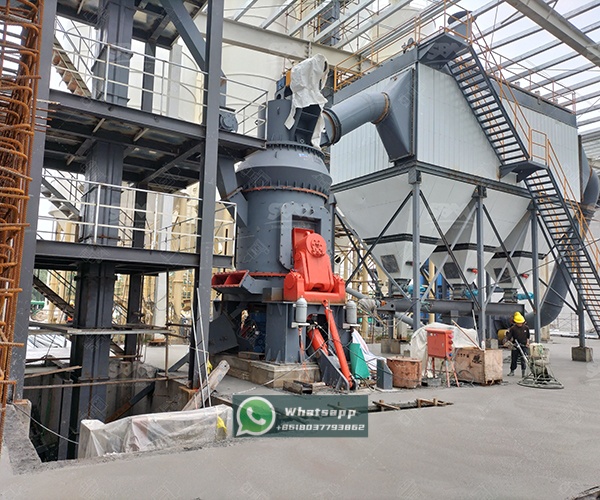
Shanghai Zenith Machinery Co., Ltd. is an experienced manufacturer of ore grinding equipment in China and has made significant achievements in ultra-fine powder grinding. The company specializes in the research, development, and production of industrial powder grinding equipment. For talc destined for cosmetic and pharmaceutical applications, two Zenith products are particularly suitable: the LUM Ultrafine Vertical Mill and the XZM Ultrafine Grinding Mill.
LUM Ultrafine Vertical Mill: Integrated Grinding, Drying, and Classification
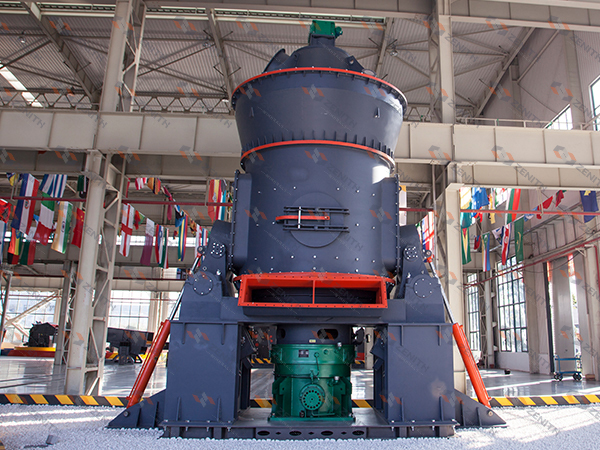
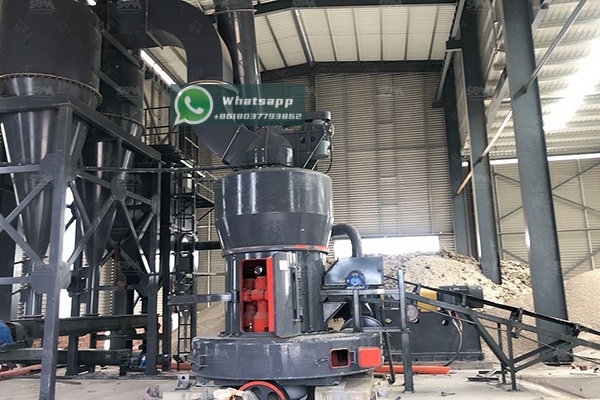
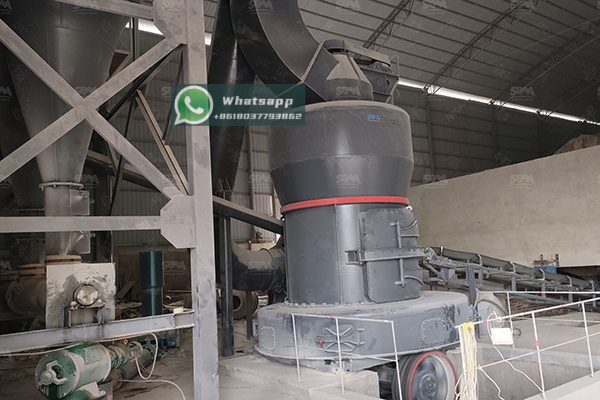
The LUM Ultrafine Vertical Mill integrates grinding, drying, classifying, and transportation in one compact system. It is designed to produce a high content of end-fines and features intelligent control for easier operation and maintenance. For Pakistani talc processors targeting cosmetic and pharmaceutical grades, the LUM1525 and LUM1632 models offer practical capacity ranges. The LUM1525 has a main machine power of 220-250 kW, a capacity of 1.6-11.5 t/h, and a size distribution of D97 5-30 micrometres. The LUM1632 has a main machine power of 280-315 kW and a capacity of 2.0-13.5 t/h. The LUM1836 is available for higher capacity requirements, with 355-400 kW and 2.3-15 t/h. Because the vertical design combines classification with grinding, it can reduce overgrinding and help maintain a consistent product. The integrated drying capability is also useful when talc moisture varies, while the closed system supports dust control and a cleaner production environment.
XZM Ultrafine Grinding Mill: Flexible Ultra-Fine Powder Production
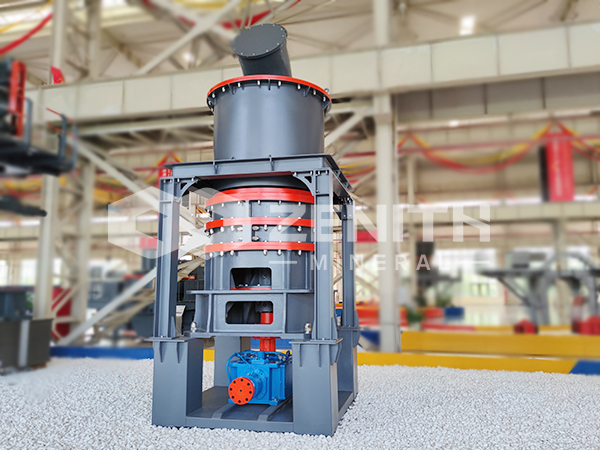
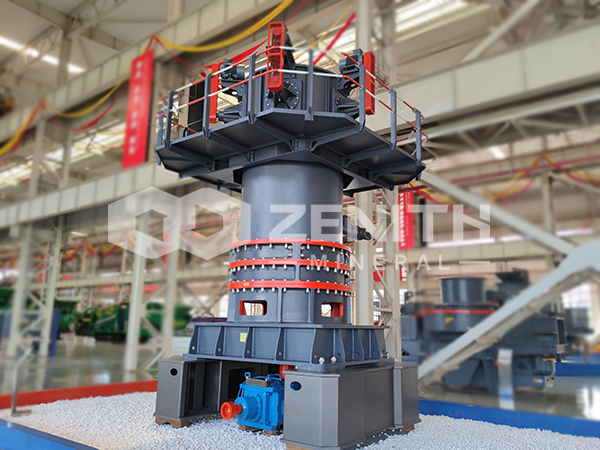
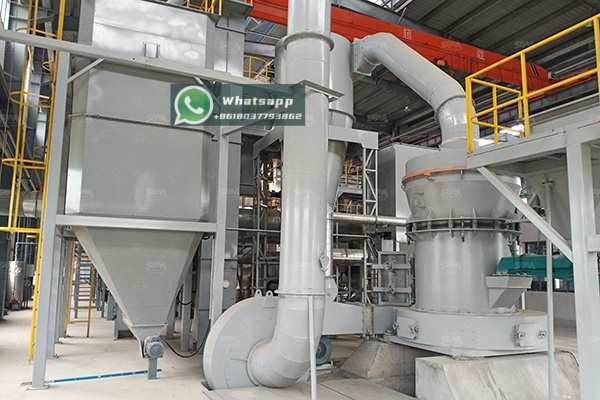
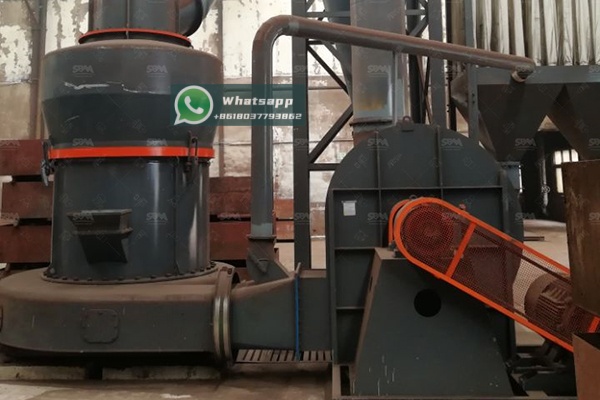
The XZM Ultrafine Grinding Mill is widely used for superfine powder production and is suitable for grinding soft or medium-hard materials with moisture content below 6%. It can achieve an output fineness of 325-2500 mesh. The XZM221 model has a working diameter of 800 mm, a maximum feed size of 20 mm, an output of 500-4500 kg/h, and a main motor power of 75 kW. The XZM268 model has a working diameter of 1680 mm, a maximum feed size of 20 mm, an output of 5000-25000 kg/h, and a main motor power of 315 kW. This mill is a good choice for producers who need flexibility across several cosmetic or pharmaceutical grades, or who operate smaller specialty batches alongside larger orders. When paired with proper feed preparation, magnetic separation, and dust collection, the XZM can support high-mesh talc production for demanding applications.
Integrating Milling into a Pakistan Talc Production Line
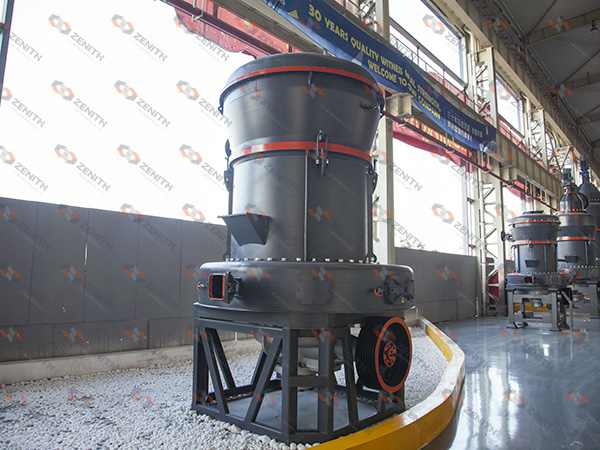
A well-designed talc processing line typically includes raw ore reception, hand sorting or beneficiation, crushing, drying if required, grinding and classification, product collection, and bagging. For cosmetic and pharmaceutical markets, additional steps such as magnetic separation, final screening, metal detection, and batch documentation are often necessary. The mill should not be selected in isolation; it must match the feed size, moisture, target fineness, capacity, and cleaning requirements of the whole plant. Zenith’s broader product range includes the MTW Trapezium Grinding Mill, MTM Medium-Speed Grinding Mill, Raymond Mill, LM Vertical Grinding Mill, LUM Ultrafine Vertical Mill, XZM Ultrafine Grinding Mill, Hammer Mill, and Ball Mill. This allows the company to recommend a suitable configuration rather than a single standard machine. For cosmetic and pharmaceutical talc, however, the LUM and XZM mills are the most focused solutions for fine and ultra-fine production.
Quality Control, Compliance, and Market Positioning
Milled talc for cosmetics and pharmaceuticals should be tested for particle size distribution, whiteness, moisture, bulk density, pH, heavy metals, microbial limits, and asbestos content. Pharmaceutical producers must work within good manufacturing practice requirements and pharmacopeial specifications such as USP/NF, Ph. Eur., or BP, depending on the market. Cosmetic manufacturers may also require documentation related to ingredient safety and cosmetic good manufacturing practice. The milling equipment should therefore be cleanable, dust-tight, and designed to minimize dead zones and cross-contamination. Before final equipment sizing, tests should be conducted on the actual talc ore from Pakistan. Shanghai Zenith can support grindability tests and process discussions to help producers select the right model and operating parameters.
Conclusion
Pakistan’s cosmetic and pharmaceutical sectors need reliable access to fine, consistent, and contamination-controlled talc. The right mill is a strategic investment that affects product quality, production cost, and market credibility. Shanghai Zenith Machinery Co., Ltd. offers two complementary solutions: the LUM Ultrafine Vertical Mill for integrated grinding, drying, and classification at medium to high capacities, and the XZM Ultrafine Grinding Mill for flexible ultra-fine powder production across multiple grades. By combining proper beneficiation, closed milling, dust control, and rigorous quality control, Pakistani talc processors can produce cosmetic and pharmaceutical-grade talc that meets domestic and international expectations. Interested producers should contact Shanghai Zenith Machinery Co., Ltd. to discuss ore characteristics, target fineness, capacity requirements, and plant integration.
Key Equipment
Want This Solution for Your Project?
Contact us for a customized quotation and technical proposal.
Interested in This Solution?
Send us a message and our engineers will get back to you within 24 hours.