
Kaolin Grinding Mill for Paper Grade Powder in Bangladesh
Bangladesh has a fast-growing paper, board, packaging, and printing industry. As mills expand capacity to serve domestic demand, the need for consistent, high-quality paper grade kaolin powder continues to rise. Kaolin, also known as china clay, is a hydrated aluminosilicate mineral used as a filler and coating pigment in papermaking. It improves opacity, brightness, smoothness, printability, and ink absorption while reducing the amount of more expensive pigments such as titanium dioxide. For papermakers in Bangladesh, selecting the right kaolin grinding mill is therefore a critical decision that affects product quality, production cost, and long-term profitability.
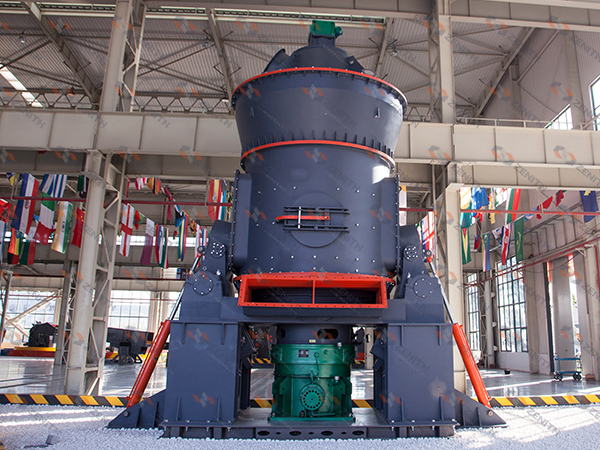
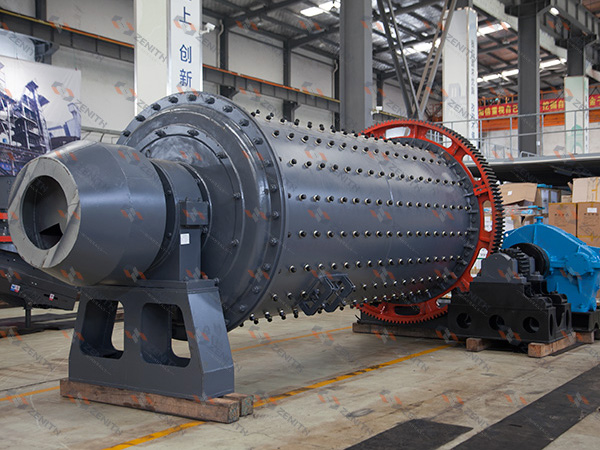
Shanghai Zenith Machinery Co., Ltd. is an excellent manufacturer of ore grinding equipment in China and has made great achievements in the field of ultra-fine powder grinding. The company specializes in the research, development, and production of industrial powder grinding equipment and related devices. Its main products include the MTW Trapezium Grinding Mill, Ball Mill, MTM Medium-Speed Grinding Mill, Raymond Mill, LM Vertical Grinding Mill, LUM Ultrafine Vertical Mill, XZM Ultrafine Grinding Mill, and Hammer Mill. This article discusses paper grade kaolin processing in Bangladesh and recommends suitable Zenith grinding solutions.
Why Paper Grade Kaolin Is Important in Bangladesh
Bangladesh’s paper industry produces writing and printing paper, newsprint, tissue, containerboard, and folding boxboard. Many of these products require mineral fillers and coatings to meet brightness, opacity, and print performance targets. Kaolin is valued because it is chemically stable, relatively soft, and compatible with papermaking chemistry. In filler applications, kaolin fills the spaces between cellulose fibers, improves sheet formation, and raises opacity. In coating applications, fine kaolin creates a smooth surface that accepts ink evenly and produces sharp images.
Local paper mills in Bangladesh often rely on imported kaolin or processed clay from regional suppliers. Imported powder can be expensive and subject to long lead times, freight costs, and quality variations. By investing in an efficient grinding and classification circuit, producers can process suitable kaolin crude or pre-processed clay into paper grade powder locally. This reduces logistics costs, improves supply security, and allows closer control over particle size distribution. For mills near Dhaka, Chittagong, Khulna, and other industrial centers, a well-designed kaolin grinding line can become a strategic asset.
Key Quality Requirements for Paper Grade Kaolin Powder
Paper grade kaolin is not a single specification. Filler grade and coating grade have different requirements. Filler grade kaolin is generally coarser and may be supplied at 325 mesh or 400 mesh, with controlled residue and low grit. Coating grade kaolin is much finer, often in the range of 1250 to 2500 mesh, with a narrow particle size distribution, high brightness, low iron content, and stable viscosity. Coating pigments must also have low abrasion to protect paper machine wires and blades.
Important quality parameters include whiteness, brightness, particle size distribution, moisture content, oil absorption, pH, and rheology. Moisture is particularly important in Bangladesh because the climate is humid and monsoon conditions can affect storage and grinding. Kaolin feed with high moisture may cause clogging, reduced mill capacity, and inconsistent fineness. A complete plant should therefore include crushing, drying where necessary, grinding, classification, dust collection, and product storage. Metal removal and screening are also recommended to protect downstream papermaking equipment.
Grinding Circuit Design for Kaolin in Bangladesh
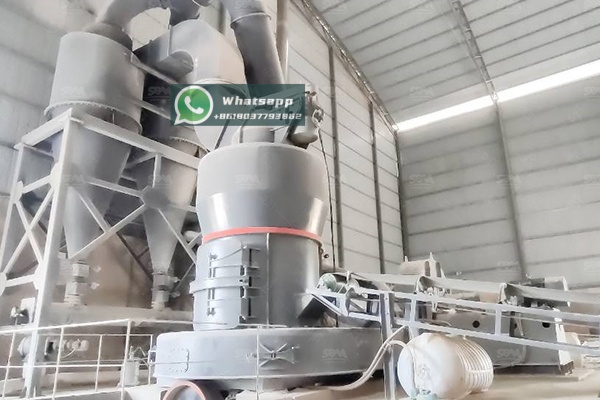
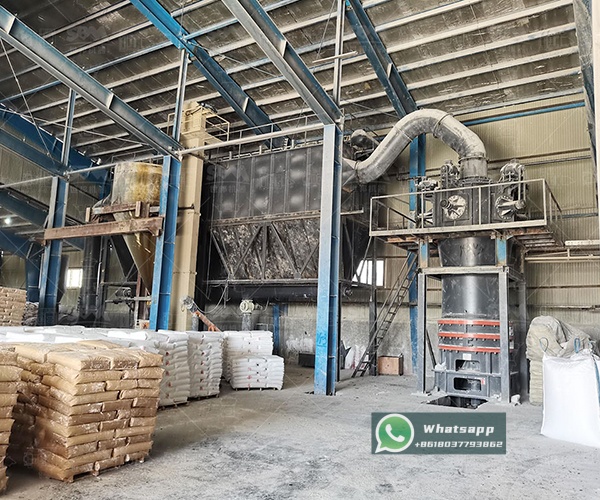
A typical dry kaolin grinding circuit starts with primary crushing to reduce lumps to a feed size acceptable for the mill. If the raw material contains moisture, a dryer or flash drying system is used before fine grinding. The grinding mill then reduces the clay to the required fineness. An air classifier separates fine product from coarse particles, and coarse material is returned to the mill for further grinding. A pulse jet dust collector controls emissions and recovers fine powder. Finished paper grade kaolin is stored in silos and packed in bags or bulk tankers.
Because paper grade powder must be consistent, the grinding mill and classifier must work together to deliver a stable top size and controlled fines content. Energy efficiency is another major consideration. Bangladesh paper mills face rising energy costs, so equipment that produces high output per kilowatt-hour is preferred. The mill should also be robust enough to handle abrasive minerals, easy to maintain, and supported by reliable spare parts and technical service.
Recommended Zenith Equipment for Paper Grade Kaolin
For paper grade kaolin in Bangladesh, Shanghai Zenith recommends two products that cover filler grade and coating grade production: the MTW Trapezium Grinding Mill and the XZM Ultrafine Grinding Mill. Together, they allow producers to serve different papermaking segments with one technology partner.
1. MTW Trapezium Grinding Mill for Filler-Grade Kaolin
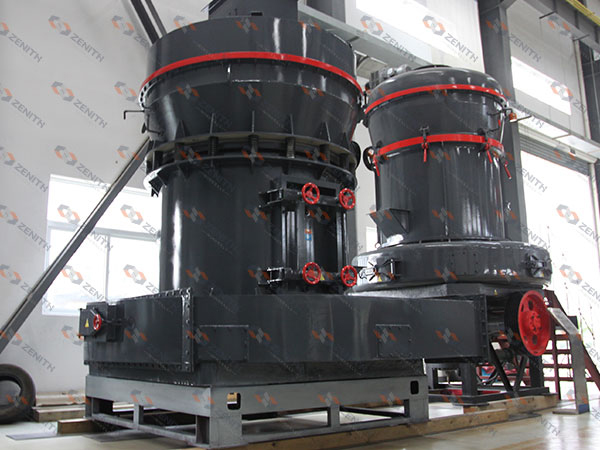
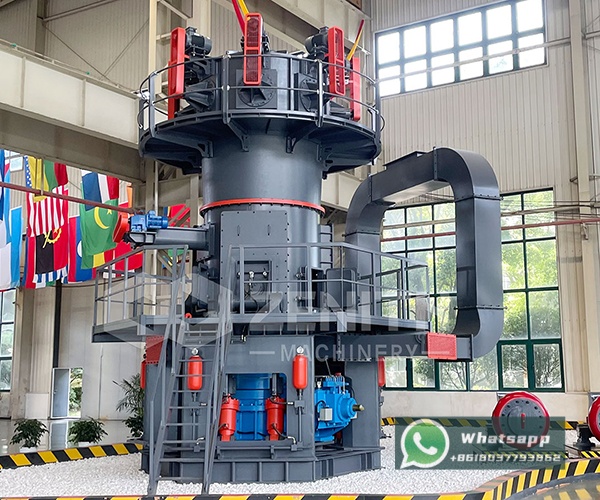
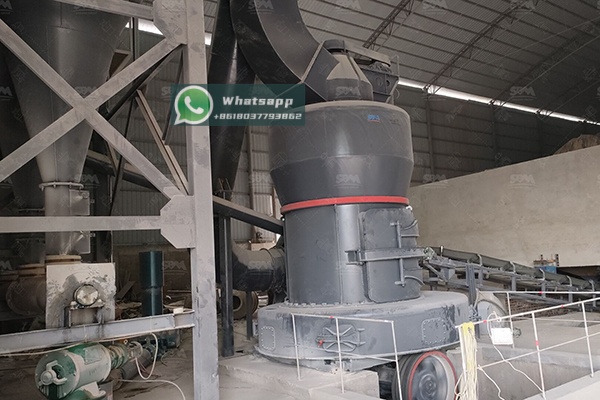
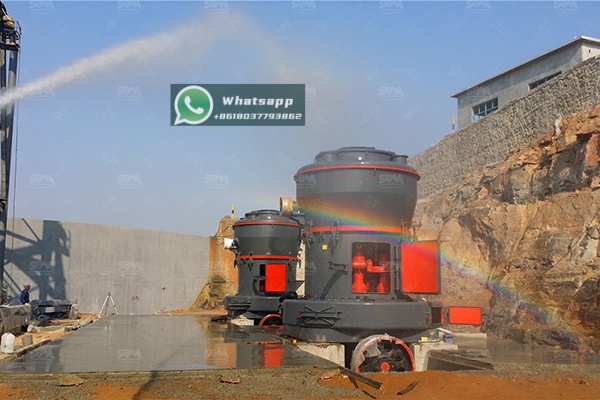
The MTW Trapezium Grinding Mill is a grinding mill with multiple patents, known for its compact structure, long service life, and eco-friendly design. It is suitable for processing materials with a maximum input size of 50 mm and can produce a final product as fine as 0.038 mm. This makes it an excellent choice for producing filler grade kaolin at 325 mesh and similar specifications. The mill can be configured with an air classifier, dust collector, and automatic control system to create a stable and efficient production line.
| Model | Max. Feed Size (mm) | Final size (mm) | Capacity (t/h) | Main motor (kW) | Fan motor (kW) |
|---|---|---|---|---|---|
| MTW110 | <30 | 1.6-0.045 | 3-9 | 55 | 55 |
| MTW110Z | <30 | 1.6-0.045 | 3-10 | 55 | 55 |
| MTW138Z | <35 | 1.6-0.045 | 6-17 | 90 | 110 |
| MTW175G | <40 | 1.6-0.045 | 9.5-25 | 160 | 200 |
| MTW215G | <50 | 1.6-0.045 | 15-45 | 280 | 315 |
For a Bangladesh paper mill requiring 6-17 t/h of filler grade kaolin, the MTW138Z is a practical choice. For larger board or packaging paper operations, the MTW175G and MTW215G offer higher capacity. The MTW mill’s compact footprint is advantageous where land is limited, and its dust collection design supports cleaner production.
2. XZM Ultrafine Grinding Mill for Coating-Grade Kaolin
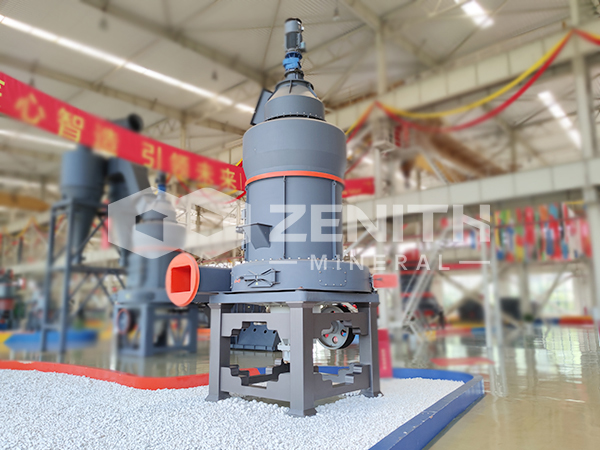
For coating grade paper kaolin, finer powder and tighter particle size control are required. The XZM Ultrafine Grinding Mill is widely used for superfine powder production and is suitable for grinding soft or medium-hard materials with moisture content below 6%. It can achieve an output fineness of 325-2500 mesh, making it well suited to high-grade paper coating applications. The XZM mill combines fine grinding and classification in a closed circuit, helping producers obtain the narrow distribution needed for smooth coating layers and good printability.
| Model | Working diameter (mm) | Max feed size (mm) | Final size (mesh) | Output (kg/h) | Main motor power (kW) |
|---|---|---|---|---|---|
| XZM221 | Φ800 | ≤20 | 325-2500 | 500-4500 | 75 |
| XZM268 | Φ1680 | ≤20 | 325-2500 | 5000-25000 | 315 |
For small to medium coating pigment lines, the XZM221 can produce 500-4500 kg/h of ultrafine kaolin. For larger paper complexes or dedicated mineral processing plants, the XZM268 offers 5000-25000 kg/h and can support a substantial coating grade supply. When paired with the MTW mill, the XZM mill allows a plant to produce both filler grade and coating grade kaolin for different paper machine requirements.
Operational and Environmental Considerations in Bangladesh
Bangladesh’s humid climate and monsoon season require special attention to drying, storage, and dust control. Kaolin feed should be protected from rain and ground moisture. A covered stockpile, rotary dryer, or flash dryer can reduce moisture before grinding. The grinding plant should use enclosed conveyors, negative pressure operation, and high-efficiency bag filters to prevent dust emissions. Wear-resistant liners and grinding elements are recommended because kaolin can be abrasive. Energy-efficient motors and variable frequency drives can reduce power consumption, while automation helps maintain stable product fineness.
Training and after-sales support are also important. Shanghai Zenith provides process configuration, equipment selection, installation guidance, and spare parts support for customers in Bangladesh and around the world. A well-designed kaolin grinding plant can help local paper producers reduce imported powder dependency, improve coating quality, and strengthen competitiveness in the domestic and export markets.
Conclusion
Kaolin is a key functional mineral for the paper industry in Bangladesh, and paper grade powder quality depends on the right grinding technology. For filler grade kaolin, the MTW Trapezium Grinding Mill offers reliable capacity, fine output, and efficient operation. For coating grade kaolin, the XZM Ultrafine Grinding Mill delivers the ultrafine fineness and classification control required for high-quality paper coatings. Papermakers and mineral processors in Bangladesh can contact Shanghai Zenith Machinery Co., Ltd. for a tailored kaolin grinding solution, from single mills to complete powder production lines.
Key Equipment
Want This Solution for Your Project?
Contact us for a customized quotation and technical proposal.

Interested in This Solution?
Send us a message and our engineers will get back to you within 24 hours.