Introduction
Nigeria has one of the largest cement markets in Africa, and the country’s cement industry continues to expand because of population growth, urbanization, and infrastructure development. Limestone is the principal calcium carbonate source for clinker production and is also used as a blending material in cement and as raw meal for the kiln. For cement manufacturers in Nigeria, reliable limestone grinding is therefore a critical step that directly affects raw meal quality, kiln stability, fuel consumption, and final cement cost. Shanghai Zenith Machinery Co., Ltd. is an experienced Chinese manufacturer of industrial powder grinding equipment, with a product range that includes the LM Vertical Grinding Mill, MTW Trapezium Grinding Mill, Ball Mill, Raymond Mill, XZM Ultrafine Grinding Mill, and other related devices. This article reviews the role of limestone mills in cement manufacturing in Nigeria and recommends two suitable Zenith solutions for different project scales.
Role of Limestone Grinding in Cement Manufacturing
In a cement plant, limestone is usually quarried, crushed, and then ground with corrective materials such as clay, shale, and iron ore to form raw meal. The raw meal must be fine and homogeneous before it enters the preheater and rotary kiln. If the limestone particles are too coarse, the raw meal will not react properly in the kiln, leading to higher free lime, unstable clinker quality, and increased heat consumption. At the same time, over-grinding wastes electrical energy, which is a major operating cost in Nigeria, where grid power is often unreliable and many plants rely on captive power or diesel generation. A well-selected limestone mill should therefore provide a stable product fineness, high grinding efficiency, good drying capability, and low maintenance requirements. Typical requirements for limestone preparation in cement manufacturing range from a maximum feed size of about 30 to 50 mm to a product fineness of 40 to 170 μm, depending on whether the powder is used for raw meal, cement blending, or other applications. Capacities can vary from a few tonnes per hour at a grinding station to more than 100 tonnes per hour at a large integrated cement plant.
Key Selection Criteria for Limestone Mills in Nigeria
Several practical factors should be considered when selecting a limestone mill for a Nigerian cement project. First, the mill capacity must match the clinker line or the independent powder market. Second, energy efficiency is essential because fuel and power costs strongly influence cement profitability. Third, the mill should handle limestone moisture, especially during the rainy season in southern and central Nigeria. Fourth, maintenance and spare parts availability should be considered, because long downtime can be very costly. Fifth, environmental performance is increasingly important, including dust control, noise reduction, and a small footprint. Finally, the supplier should provide process design, installation support, commissioning, training, and after-sales service. Shanghai Zenith designs its grinding mills with these requirements in mind and can configure complete grinding systems for different raw materials and production targets.
Recommended Product: LM Vertical Grinding Mill
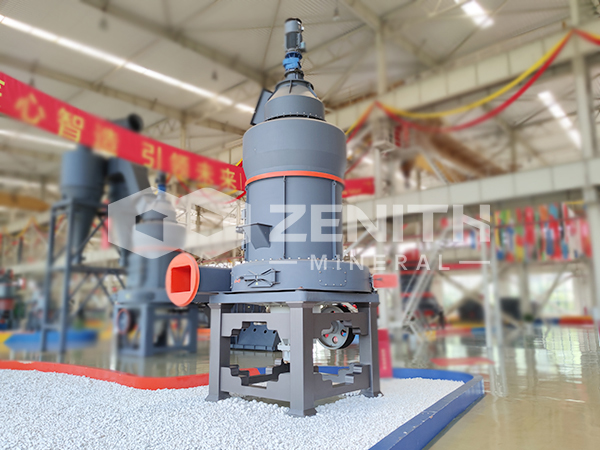
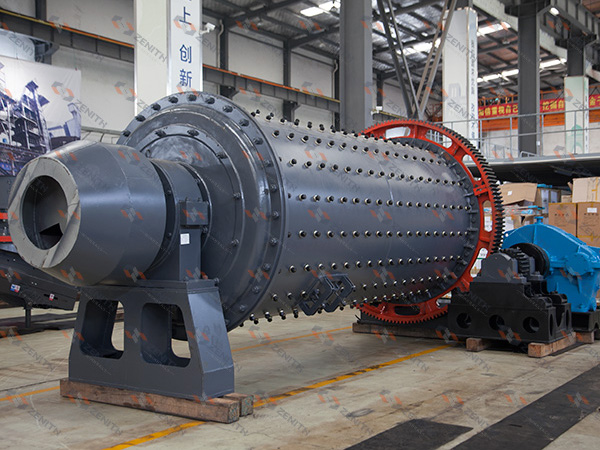
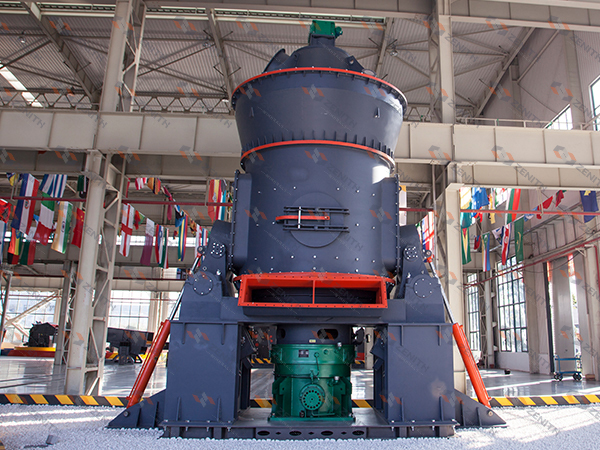
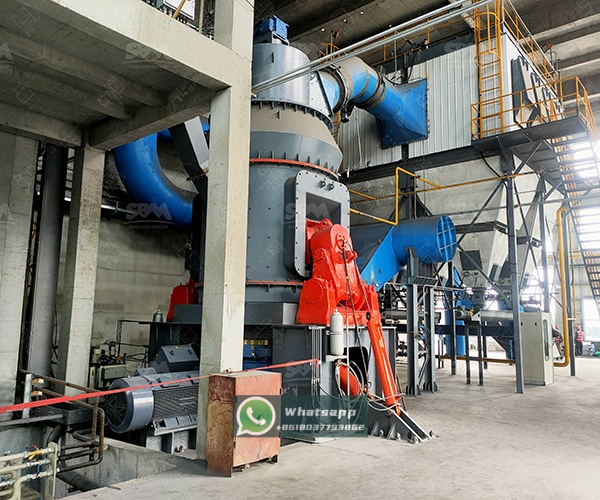
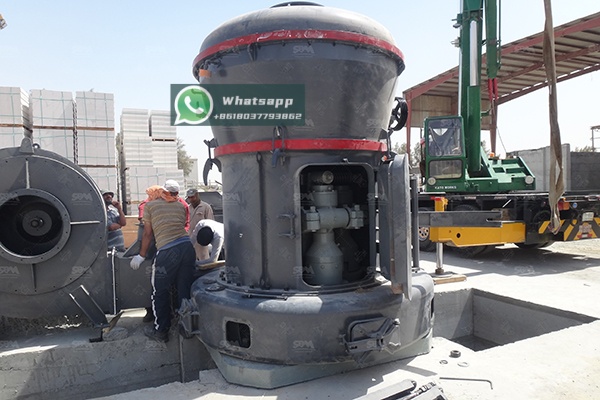
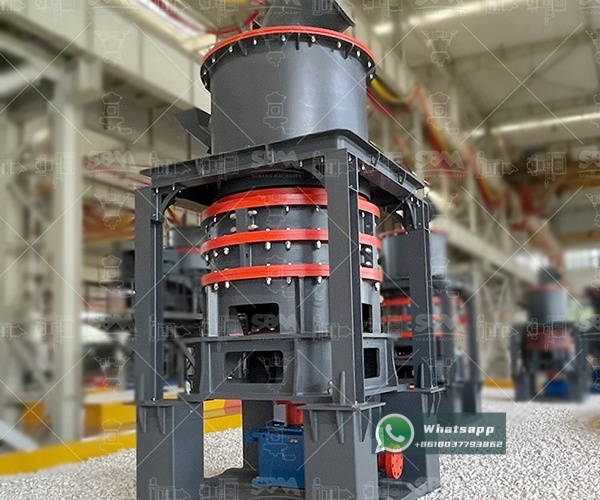
For medium and large cement plants, Shanghai Zenith recommends the LM Vertical Grinding Mill. This equipment integrates crushing, grinding, powder selection, drying, and material conveying into one compact system. It is an eco-friendly production solution with a small occupational area and a fine final powder. The LM Vertical Mineral Mill Series is suitable for limestone and other mineral raw materials. Its plate diameter ranges from 1300 mm to 2800 mm, its capacity from 10 to 170 t/h, its output fineness from 170 to 40 μm, its maximum feed size from less than 38 mm to less than 50 mm, and its main motor power from 200 kW to 1250 kW. For a typical integrated cement plant in Nigeria, models such as the LM190K and LM280K can provide stable raw meal preparation with relatively low power consumption. The vertical mill also offers good drying capacity when hot gas is available from the kiln or a hot gas generator, which is helpful for high-moisture limestone. Because the LM mill occupies a small area and requires fewer auxiliary machines than a traditional ball mill system, it can reduce civil construction and installation time, a significant advantage for projects with tight schedules.
| Model | Plate diameter (mm) | Capacity (t/h) | Output fineness (μm) | Max feed size (mm) | Main motor (kW) |
|---|---|---|---|---|---|
| LM130K | 1300 | 10-28 | 170-40 | <38 | 200 |
| LM190K | 1900 | 23-68 | 170-40 | <45 | 500 |
| LM280K | 2800 | 50-170 | 170-45 | <50 | 1250 |
For larger capacities, Zenith can also supply the LM Vertical Coal Mill Series, LM Vertical Slag Mill Series, and LM Vertical Fine-powder Mill Series. However, for limestone raw meal and cement blending, the LM Vertical Mineral Mill Series is the primary choice. Nigerian cement producers can use this mill to prepare consistent raw meal, improve kiln operation, and lower energy consumption per tonne of clinker.
Recommended Product: MTW Trapezium Grinding Mill
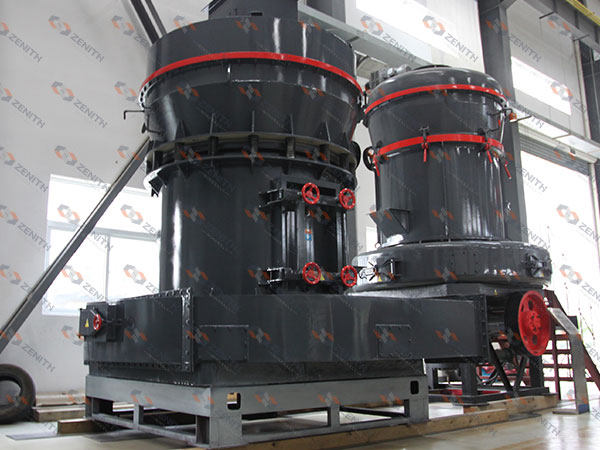
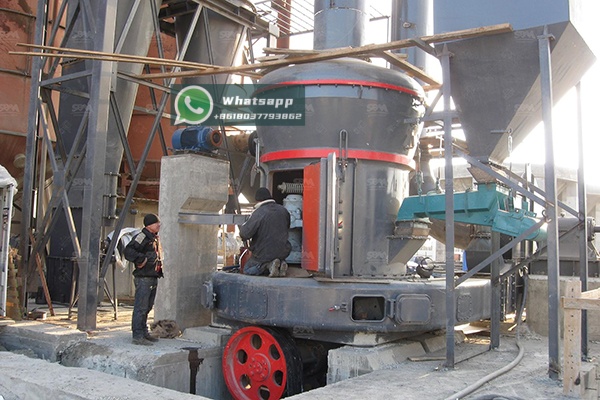
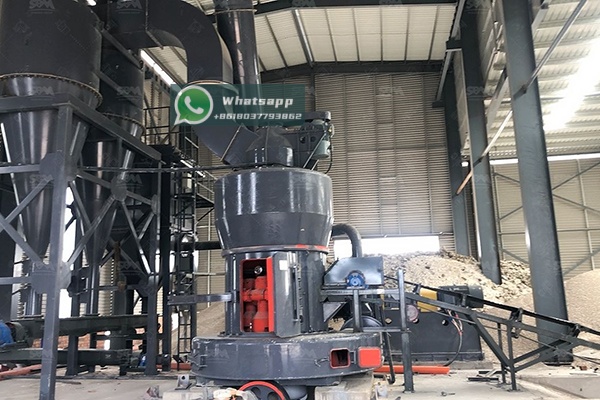
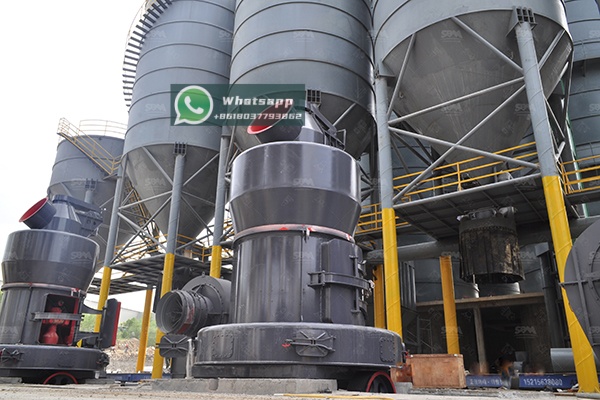
For small and medium cement grinding stations, limestone powder suppliers, and projects with limited initial investment, Shanghai Zenith recommends the MTW Trapezium Grinding Mill. This mill has multiple patents and is known for its compact structure, long service life, and eco-friendly design. It is suitable for processing materials with a maximum input size of 50 mm and can produce a final product as fine as 0.038 mm, with a typical range of 1.6 to 0.045 mm. The MTW series includes models from MTW110 to MTW215G, with capacities from 3 to 45 t/h, main motor power from 55 to 280 kW, and fan motor power from 55 to 315 kW. This makes the MTW mill a flexible solution for producing limestone powder for cement raw meal blending, cement admixture, or other construction applications. The mill is easy to maintain and can be configured with a dust collector to meet environmental requirements. For a Nigerian investor who needs a 10 to 25 t/h limestone grinding line, the MTW138Z or MTW175G can be a practical choice. The equipment can be installed in a relatively small workshop, which is useful in industrial parks or near cement blending facilities.
| Model | Max feed size (mm) | Final size (mm) | Capacity (t/h) | Main motor (kW) | Fan motor (kW) |
|---|---|---|---|---|---|
| MTW110 | <30 | 1.6-0.045 | 3-9 | 55 | 55 |
| MTW138Z | <35 | 1.6-0.045 | 6-17 | 90 | 110 |
| MTW175G | <40 | 1.6-0.045 | 9.5-25 | 160 | 200 |
| MTW215G | <50 | 1.6-0.045 | 15-45 | 280 | 315 |
Comparison and Selection Advice
When comparing the LM Vertical Grinding Mill and the MTW Trapezium Grinding Mill, the decision should be based on capacity, product fineness, available space, and investment budget. For a new integrated cement plant with a capacity requirement above 50 t/h, the LM vertical mill is generally preferred because of its high capacity, integrated drying and classifying functions, compact layout, and low specific power consumption. For a smaller grinding station, a cement blending plant, or a project requiring 3 to 25 t/h, the MTW mill offers a lower initial investment and easier layout. Both products are manufactured by Shanghai Zenith Machinery Co., Ltd., which specializes in the research, development, and production of industrial powder grinding equipment. The company can provide laboratory testing, process design, equipment selection, installation guidance, and spare parts support. For Nigerian customers, it is advisable to share limestone samples, moisture content, feed size, target fineness, and required capacity with Zenith’s engineers so that the most suitable mill and auxiliary equipment can be recommended.
Conclusion
Limestone grinding is a key link in cement manufacturing in Nigeria. The right mill can improve raw meal quality, stabilize kiln operation, reduce energy consumption, and increase overall plant profitability. Shanghai Zenith’s LM Vertical Grinding Mill and MTW Trapezium Grinding Mill provide reliable solutions for large, medium, and small limestone grinding projects. With proper selection and professional technical support, cement producers in Nigeria can build efficient and sustainable grinding systems that meet both current demand and future expansion needs.
Key Equipment
Want This Solution for Your Project?
Contact us for a customized quotation and technical proposal.
Interested in This Solution?
Send us a message and our engineers will get back to you within 24 hours.