Introduction
Indonesia has become one of Southeast Asia’s largest cement markets. Rapid urbanization, new infrastructure corridors, and privately financed construction projects have all increased the demand for dependable cement. In modern cement production, gypsum is not simply a filler; it is a functional additive that controls setting time and improves workability. Therefore, an efficient gypsum milling line is essential for any cement additive plant that wants to maintain a consistent product and competitive cost.
The selection of the right grinding technology is critical. Shanghai Zenith Machinery Co., Ltd. is an excellent manufacturer of ore grinding equipment in China and has made great achievements in the field of ultra-fine powder grinding. With many years of experience in industrial grinding, Zenith provides complete gypsum milling systems designed for high availability, low energy consumption, and precise grain size control.
Why Gypsum Must Be Ground for Cement Additives
Gypsum acts as a set retarder in Portland cement. During clinker grinding, a small amount of gypsum powder is interground with the clinker to prevent flash setting. The effectiveness of this additive depends on the fineness and uniformity of the gypsum powder. If the powder is too coarse or contains lumps, the setting behavior of the cement will be uneven. If it is ground too finely, it may cause moisture pickup and caking during transport. Hence, a dedicated milling line must deliver stable fineness with the right particle size distribution.
Furthermore, the quality of gypsum additives directly influences the early strength and long-term durability of cement. As Indonesian cement producers move toward higher quality standards and stricter export requirements, the role of a reliable gypsum milling line becomes even more decisive.
Specific Challenges of a Gypsum Milling Line in Indonesia
Indonesia’s tropical climate is humid throughout the year. Natural gypsum imported or mined in the archipelago can have high moisture content, especially after storage. High-moisture gypsum often clogs feeders, mills, and classifiers, leading to downtime. Additionally, many cement additive plants operate in areas with limited space and must control dust emissions carefully. These challenges require an integrated milling line that can dry and grind gypsum inside a single process while maintaining negative pressure to avoid dust escape.
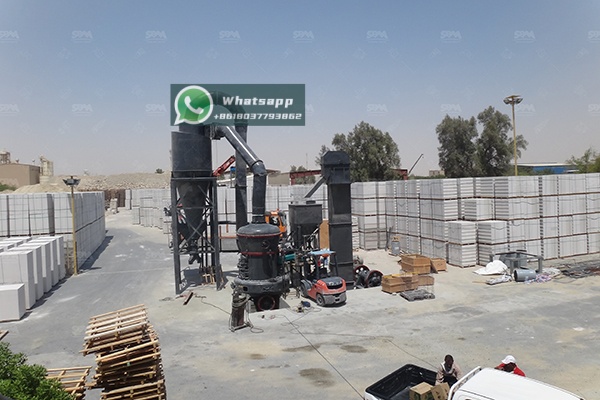
Zenith’s gypsum milling line is designed with these conditions in mind. It combines primary size reduction, hot-air drying, grinding, classification, and conveying in one compact system. The line can use natural gypsum or desulfurized gypsum, making it flexible for Indonesian producers who source raw materials from different suppliers.
Process Flow of Zenith Gypsum Milling Line
A typical Zenith gypsum milling line starts with a jaw crusher or hammer crusher to reduce the raw gypsum to mill feed size. The crushed material is stored in a hopper and then fed into the mill at a controlled rate. Hot air entering the milling chamber removes surface moisture and carries the ground particles upward into the dynamic classifier. Coarse particles are returned to the grinding zone by the rejects cone, while fine powder exits with the gas stream to a cyclone collector and bag filter. The clean product is transferred to a silo, ready to be proportioned with cement clinker.
- Feed size: less than 40 mm for direct mill feeding.
- Moisture tolerance: can handle high-moisture feed with integrated drying.
- Fineness range: from about 170 μm to 40 μm depending on the additive recipe.
- Operation mode: continuous, automatic or semi-automatic control.
Recommended Equipment for Gypsum Milling
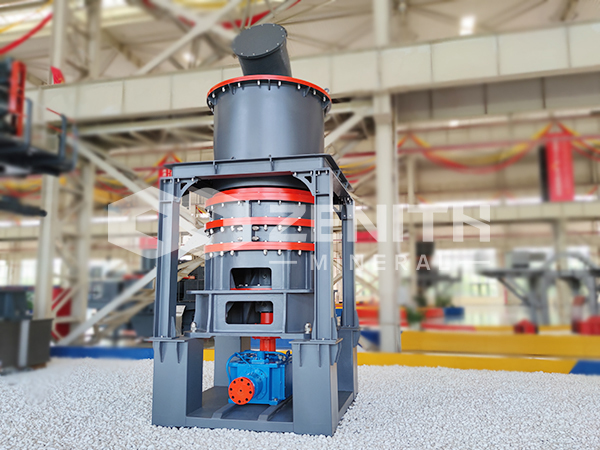
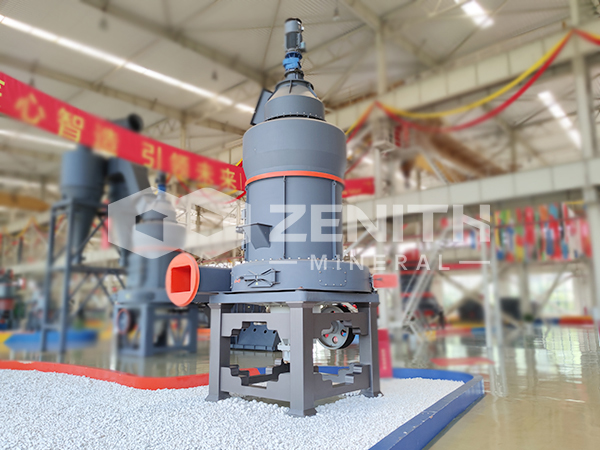
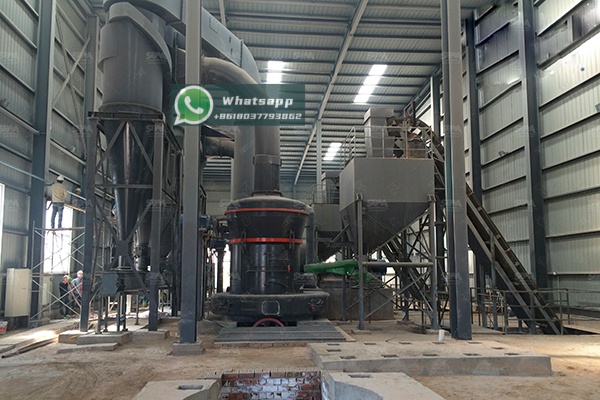
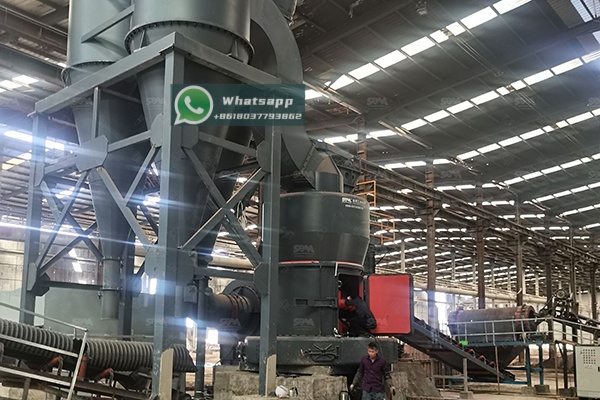
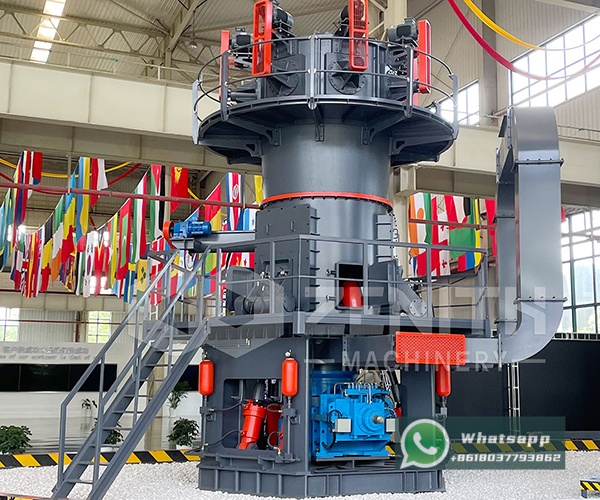
For Indonesian cement additive producers, Zenith recommends two outstanding grinding mills: the MTW Trapezium Grinding Mill and the LM Vertical Grinding Mill. Each provides excellent performance in gypsum milling, allowing customers to choose the technology that best fits their capacity, energy, and production objectives.
MTW Trapezium Grinding Mill
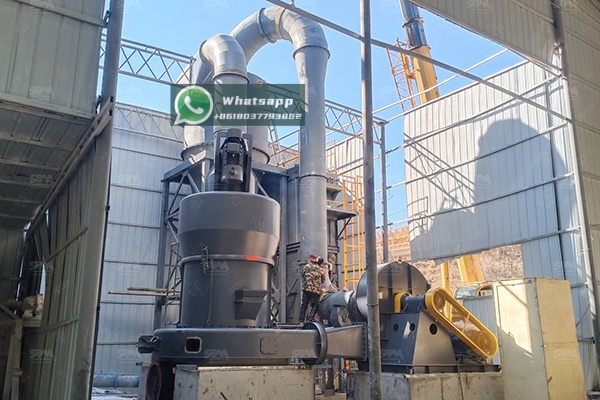
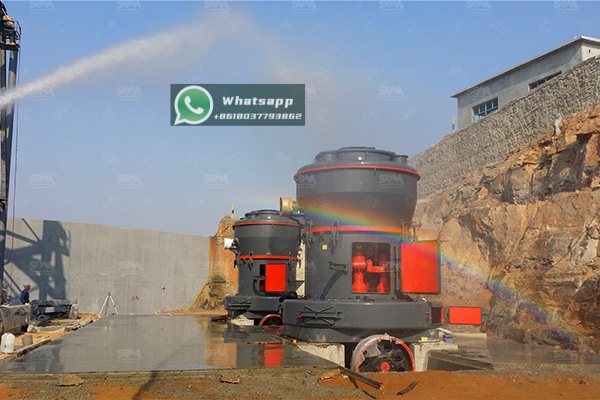
The MTW Trapezium Grinding Mill is a leading grinding machine with multiple patents, known for its compact structure, long service life, and eco-friendly design. It is extremely suitable for medium-scale gypsum milling with low energy consumption. The built-in classifier can adjust fineness between 1.6 mm and 0.038 mm, covering the typical requirements of cement additives. For a gypsum milling line with a capacity of 9.5 to 25 tons per hour, the MTW175G is an excellent choice.
| Model | Max. Feed Size (mm) | Final Size (mm) | Capacity (t/h) |
|---|---|---|---|
| MTW175G | <40 | 1.6–0.045 | 9.5–25 |
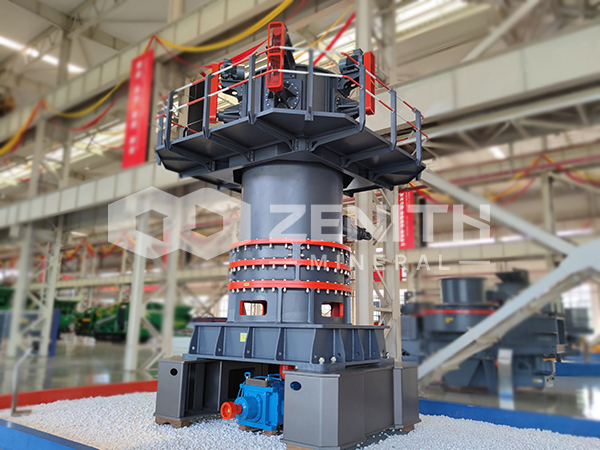
LM Vertical Grinding Mill
The LM Vertical Grinding Mill integrates crushing, grinding, powder selection, drying, and conveying into one machine. It occupies a small area, produces a fine final powder, and is an eco-friendly production solution. For high-capacity gypsum milling lines, the LM130K operates at 10 to 28 tons per hour with an output fineness of 170 to 40 microns, making it ideal for large cement plants with centralized powder grinding and drying requirements.
| Model | Plate Diameter (mm) | Capacity (t/h) | Output Fineness (μm) | Main Motor (kW) |
|---|---|---|---|---|
| LM130K | 1300 | 10–28 | 170–40 | 200 |
Why Choose Shanghai Zenith’s Gypsum Milling Solution?
Shanghai Zenith Machinery is an excellent manufacturer of ore grinding equipment in China and has made great achievements in the field of ultra-fine powder grinding. We are specialized in the research, development, and production of industrial powder grinding equipment and other related devices. Our main products include MTW Trapezium Grinding Mill, Ball Mill, MTM Medium-Speed Grinding Mill, Raymond Mill, LM Vertical Grinding Mill, LUM Ultrafine Vertical Mill, XZM Ultrafine Grinding Mill, and Hammer Mill. For gypsum milling, Zenith offers strong technical advantages:
- High grinding efficiency and lower power consumption.
- Accurate fineness control for stable cement setting times.
- Compact and modular design for simple installation in Indonesian plants.
- Dust-tight construction that respects environmental limits.
- Strong after-sales service and spare parts availability.
- Proven performance with natural, synthetic, and desulfurized gypsum.
Conclusion
As Indonesia’s cement market grows, the need for high-quality gypsum powder as a cement additive becomes more critical. A well-designed gypsum milling line from Shanghai Zenith can help producers achieve consistent quality, lower operating costs, and improved sustainability. Whether you choose the MTW175G for flexible medium-scale operation or the LM130K for large-volume continuous production, Zenith offers proven technology, competitive investment, and reliable support. Contact Shanghai Zenith today to design the right gypsum milling line for your cement additive plant in Indonesia.
Key Equipment
Want This Solution for Your Project?
Contact us for a customized quotation and technical proposal.
Interested in This Solution?
Send us a message and our engineers will get back to you within 24 hours.