Introduction to Gypsum Processing in Oman
Oman has established itself as a significant supplier of natural gypsum to the global market. Large gypsum deposits, particularly in the Dhofar region near Salalah and Thumrait, have enabled the Sultanate to export millions of tonnes of gypsum every year. Most of this tonnage is still shipped as run-of-mine ore. However, value-added gypsum powder is becoming increasingly attractive for local plaster producers, gypsum board manufacturers, cement plants, and agricultural buyers across the Middle East, Africa, and Asia. To serve these markets profitably, Omani plant operators need a reliable and efficient gypsum mill for 100 mesh powder. Producing a uniform 100 mesh powder is an excellent balance between operating cost and marketability.
Why 100 Mesh Gypsum Powder Is Important in Oman
One hundred mesh corresponds to a particle size of approximately 149 microns. This is finer than typical cement retarder gypsum, which is often crushed to under 6 mm, but it is still coarse enough to remain free-flowing, easy to handle, and inexpensive to produce. Gypsum powder of this fineness is widely used in plaster, building materials, gypsum blocks, and soil conditioners. It is also a popular specification for export grades of processed gypsum. For a country such as Oman, where high temperatures and dry conditions prevail, the ability to grind gypsum consistently without excessive energy consumption is a major competitive advantage.
Key Considerations When Selecting a Gypsum Mill
Before selecting equipment, an investor in Oman must first consider the feed size of the raw gypsum, the required output capacity, the moisture content, and the final fineness. Natural gypsum usually has a Mohs hardness of about 2, which makes it a relatively soft mineral. This means it can be efficiently ground by roller mills, trapezium mills, vertical mills, and Raymond mills. The main challenge is not hardness but moisture, abrasion, and the need for a stable throughput. Rotary dryers and grinding systems with internal hot-air drying are often used. For a final product of 100 mesh, the grinding mill must be fully adjustable and equipped with an efficient air classifier so that all finished powder meets the target specification.
Shanghai Zenith Machinery: An Experienced Grinding Equipment Manufacturer
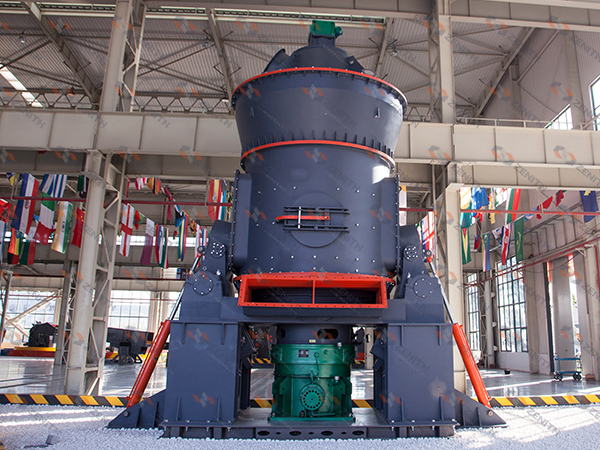
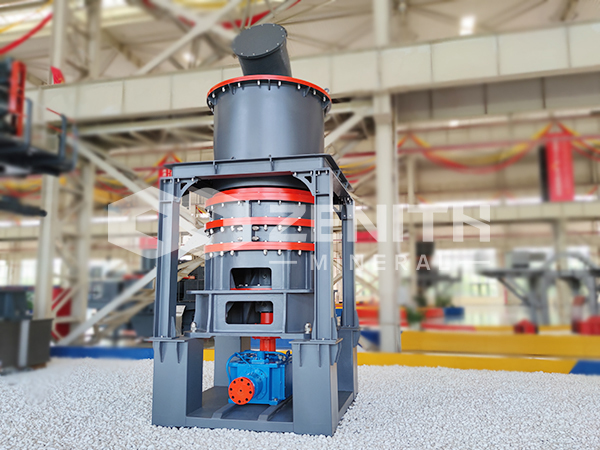
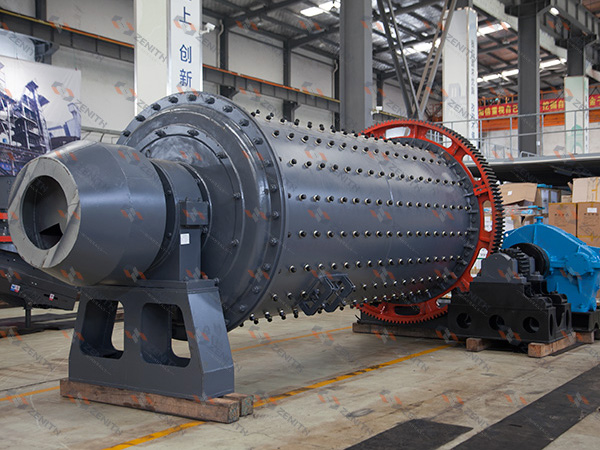
Shanghai Zenith Machinery Co., Ltd. is an excellent manufacturer of ore grinding equipment in China and has made great achievements in the field of powder grinding, including ultra-fine powder grinding. The company specializes in the research, development, and production of industrial powder grinding equipment. Its main products include the MTW Trapezium Grinding Mill, MTM Medium-Speed Grinding Mill, LM Vertical Grinding Mill, LUM Ultrafine Vertical Mill, Raymond Mill, XZM Ultrafine Grinding Mill, Ball Mill, and Hammer Mill. These machines have been installed in more than 170 countries and are recognized for robust construction, high availability, and precise classification. For Omani gypsum producers, Zenith offers cost-effective solutions with proven performance in the grinding of non-metallic minerals.
Recommended Solution 1: MTW Trapezium Grinding Mill for Medium to Large Gypsum Plants
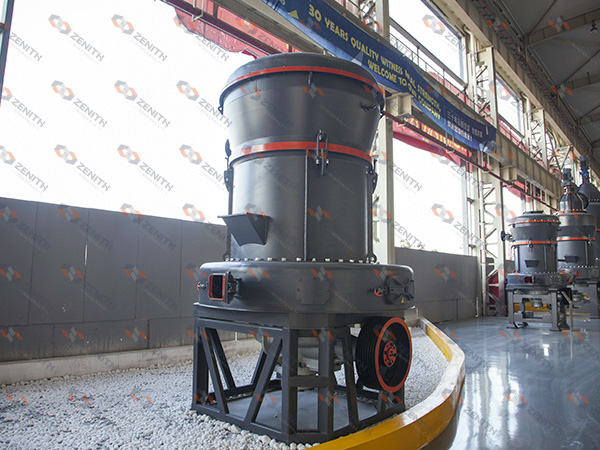
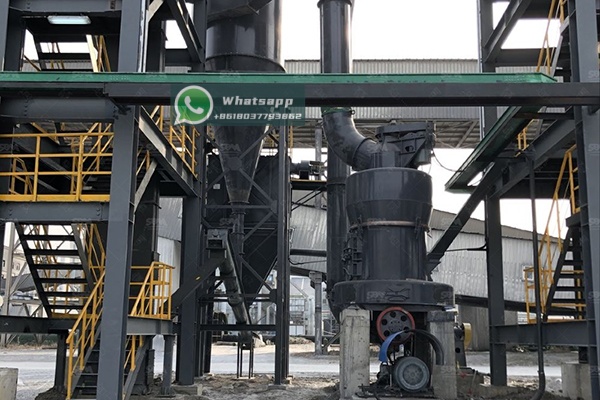
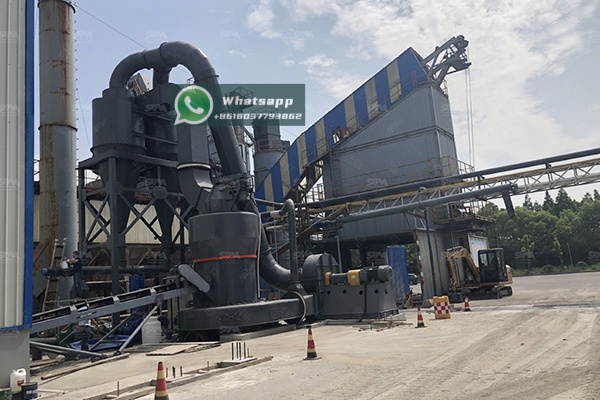
For a gypsum mill for 100 mesh powder in Oman, the first product from Shanghai Zenith that deserves attention is the MTW Trapezium Grinding Mill. This mill has several patents and is especially suitable for processing gypsum, limestone, calcite, and similar non-metallic minerals. It can accept feed material of up to 50 mm in some models and can produce a final product ranging from 1.6 mm to 0.045 mm. Naturally, the range between 0.15 and 0.18 mm is ideal for the 100 mesh requirement. The MTW series uses a trapezium-shaped grinding roller and ring, which is designed to increase grinding efficiency and reduce material slip. It also includes an adjustable classifier, a long-wearing grinding element, and an integrated lubrication system.
The MTW138Z model has a capacity of 6 to 17 tonnes per hour with a main motor of 90 kW, while the larger MTW175G model offers 9.5 to 25 tonnes per hour and requires 160 kW for the main motor. For many Omani gypsum powder projects, these are realistic capacity ranges. If the feed is well prepared, the MTW mill can continuously deliver gypsum powder with the exact fineness required for 100 mesh specifications. The mill also has a compact structure, long service life, lower noise, and an eco-friendly design. In Oman, with high ambient temperatures and limited fresh water, the dry grinding operation of the MTW mill is strongly preferred.
Recommended Solution 2: Raymond Mill for Smaller Plants and Lower Initial Investment
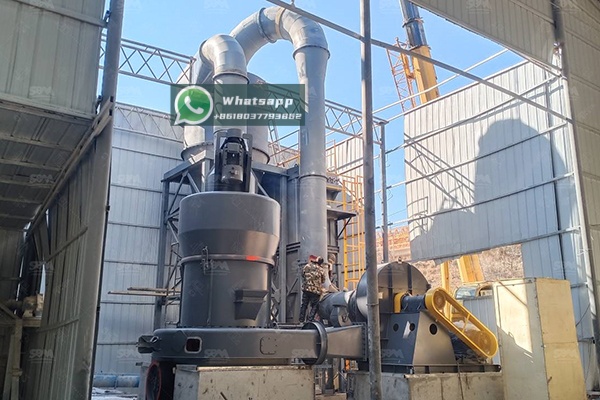
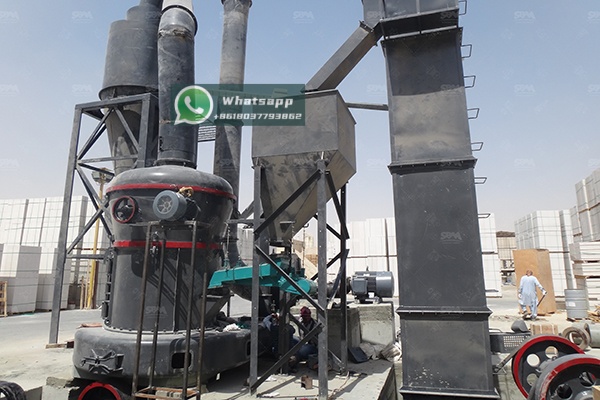
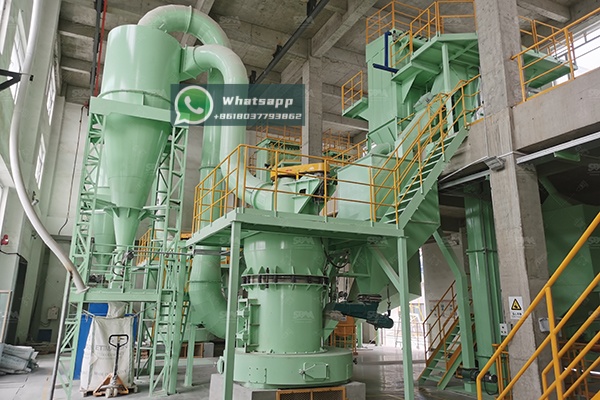
For smaller gypsum powder facilities, especially those producing between 2 and 10 tonnes per hour, Shanghai Zenith’s Raymond Mill is another excellent choice. The Raymond mill is a classical grinding machine with high grinding efficiency, lower energy consumption, and simple operation. It is beneficial for energy saving and environmental protection, and it remains one of the most economical technologies for producing 100 mesh gypsum powder. The YGM9517 model, for example, has four grinding rollers, a maximum feed size of 25 mm, and a capacity of 2.1 to 8 tonnes per hour. Its discharge fineness can be adjusted between 1.6 mm and 0.045 mm, meaning 100 mesh powder is straightforward to achieve. The YGM4121 model provides a higher capacity of 5 to 11 tonnes per hour and can serve projects with moderate scale expansion plans.
Because Raymond mills are simpler than vertical mills, maintenance is easier and spare parts are inexpensive. Many gypsum powder plants in Africa and the Middle East choose this type of mill as their first production unit. In Oman, where the gypsum sector often works with small quarry contractors, the Raymond mill allows a family company to operate a successful grinding business with modest capital investment. At the same time, the product quality remains high enough for export and for local construction material manufacturers.
Processing Flow for 100 Mesh Gypsum Powder
A typical grinding station in Oman begins with a primary jaw crusher that reduces run-of-mine gypsum rocks to approximately 30 mm. The crushed material is then conveyed to a raw gypsum bin. From there, a feeder controls the feed rate into the mill. Inside the mill, the gypsum is ground between rollers and rings. Hot air or ambient air passes through the mill to dry the material and carry the fine powder to a dynamic separator. The separator returns oversized particles to the grinding zone, and fine powder enters a baghouse or cyclone collector. Finally, the collected powder is transported to a silo and packed into bags. Both the MTW Trapezium Grinding Mill and the Raymond Mill fit naturally into this flow. Their classifiers ensure that 100 mesh powder is separated with precision, which is critically important for quality consistency.
Why Omani Gypsum Producers Trust Zenith Equipment
Shanghai Zenith Machinery brings more than just machinery to the project. Because Zenith is an excellent manufacturer of ore grinding equipment in China, the company understands the importance of mineral characterization, feed preparation, and process airflow. Zenith engineers regularly support clients with site planning, equipment selection, installation guidance, commissioning, operator training, and after-sales service. For a gypsum mill for 100 mesh powder in Oman, this technical support can shorten the time between project start and first commercial powder production. The equipment is also designed to be energy efficient. In a country where power costs matter, lower energy consumption directly improves production cost. Furthermore, Zenith grinding mills are designed with dust-tight and low-noise features, which helps operators comply with environmental and health requirements.
Matching the Right Mill to the Required Tonnage
An investor in Oman with a production target of 5 tonnes per hour can choose the YGM9517 Raymond mill and later add an extra unit when demand grows. A plant that plans to produce 10 to 20 tonnes per hour from day one should consider the MTW138Z or MTW175G Trapezium Grinding Mill. If the raw material feed size is below 50 mm and the moisture content is not too high, the MTW mill will deliver excellent throughput with little downtime. When the final product has to be extremely consistent, the advanced classifier of the MTW mill has a distinct advantage over ordinary grinding machines. Therefore, recommendations should always be made according to the actual capacity, the electricity available, and the local requirements for 100 mesh gypsum powder.
Conclusion
Oman has become a leading gypsum producer and exporter, and the next logical step is to capture more value by producing gypsum powder locally. A dedicated gypsum mill for 100 mesh powder in Oman should provide high capacity, excellent classification, low energy consumption, and strong durability. Shanghai Zenith Machinery supplies proven solutions for these requirements. The MTW Trapezium Grinding Mill is recommended for medium and large operations where efficiency and long-term reliability are priorities. For smaller projects with lower capital demand, the Raymond Mill remains a practical and profitable choice. Both machines allow operators to produce excellent gypsum powder at 100 mesh and to adapt as Omani gypsum markets continue to expand.
Want This Solution for Your Project?
Contact us for a customized quotation and technical proposal.

Interested in This Solution?
Send us a message and our engineers will get back to you within 24 hours.