1. The Growing Gypsum Industry in Oman and Its Grinding Needs
Oman possesses abundant natural gypsum resources, particularly in the southern region of Dhofar, where high-purity gypsum deposits are mined and exported worldwide. The country has also invested in downstream processing, including plasterboard manufacturing, to add value locally. Plasterboard, also known as drywall, is produced by calcining gypsum to form plaster (calcium sulfate hemihydrate), which is then mixed with water, additives, and other ingredients, and sandwiched between paper liners. A critical step in this process is the grinding of raw gypsum rock into a fine powder before calcination. The quality of the ground gypsum directly influences the setting time, strength, and surface finish of the final plasterboard.
Oman plasterboard factories require grinding mills that can handle high throughput, provide consistent fineness (typically 80% passing 100-200 mesh or even finer for premium products), and operate reliably under the region’s hot and dusty conditions. Energy efficiency is also paramount, as power costs can significantly affect production economics. Furthermore, the mills must be robust enough to process gypsum with varying moisture content (up to 5-8%) and occasional impurities.
To meet these demands, manufacturers worldwide have developed specialized grinding equipment. Among them, Shanghai Zenith Machinery Co., Ltd., a leading Chinese manufacturer with decades of experience in ore grinding, offers a comprehensive range of mills ideally suited for gypsum processing. Zenith’s product portfolio includes MTW Trapezium Grinding Mill, LM Vertical Grinding Mill, LUM Ultrafine Vertical Mill, MTM Medium-Speed Grinding Mill, Raymond Mill, and others, all engineered for high efficiency, low maintenance, and precise product fineness control.
2. Key Requirements for Gypsum Grinding in Plasterboard Production
Before selecting a grinding mill for a plasterboard factory, several technical factors must be considered:
- Feed Size: Raw gypsum rock typically arrives with a maximum size of 30-50 mm after primary crushing. The mill must accept this feed without pre-reduction.
- Fineness: Standard plasterboard production requires ground gypsum with a fineness of 80-90% passing 100 mesh (0.15 mm) or 200 mesh (0.075 mm). For some specialty boards, even finer powders (300-400 mesh) are needed.
- Capacity: Medium to large plasterboard lines consume 10-50 tons of gypsum per hour, so the mill must match that throughput.
- Moisture Tolerance: Natural gypsum often contains surface moisture. The mill should have drying capability or be designed to handle damp materials without clogging.
- Wear Resistance: Gypsum is moderately abrasive; wear parts must be durable to reduce downtime.
- Energy Consumption: Grinding is energy-intensive. Mills with advanced classification and optimized airflow can lower specific energy consumption (kWh/t).
Zenith’s grinding mills are designed with these factors in mind. For example, the MTW series features an internal classifier that adjusts fineness while minimizing oversize particles, and the LM vertical mill integrates drying, grinding, and classification in one unit, making it ideal for materials with high moisture.
3. Recommended Solutions for Oman Plasterboard Factories
3.1 MTW Trapezium Grinding Mill – The Reliable Workhorse
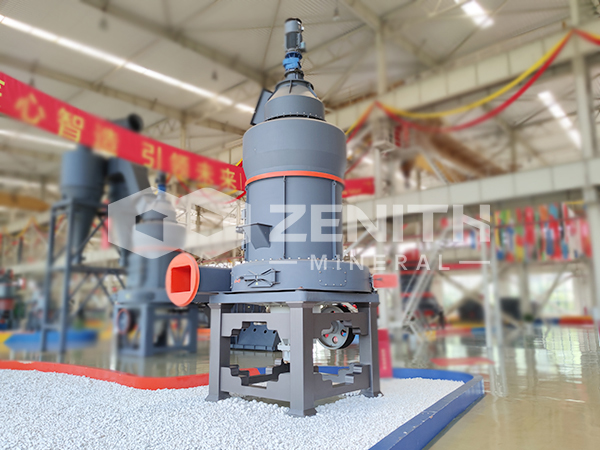
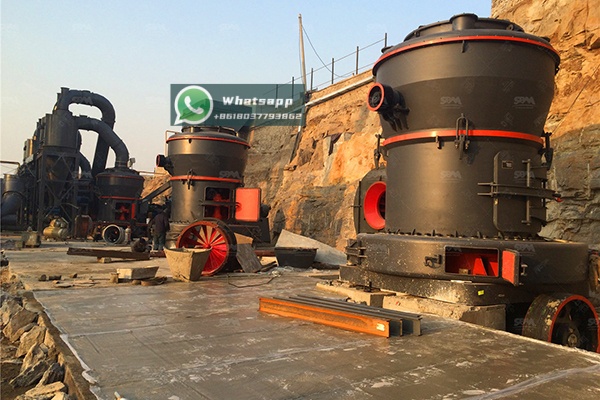
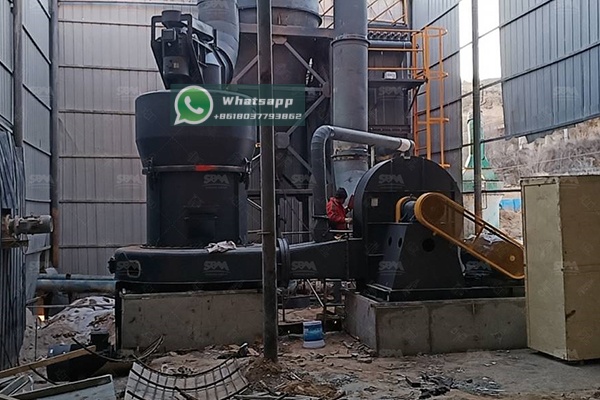
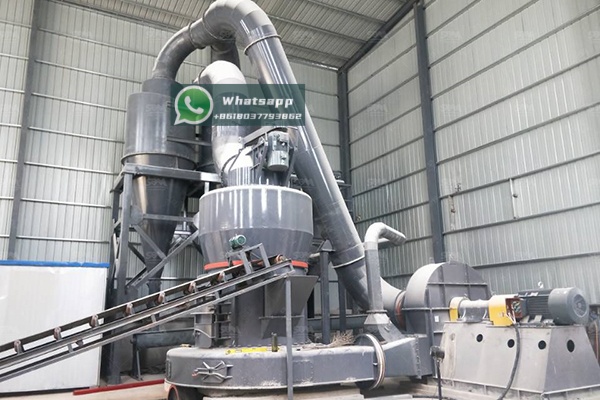
The MTW Trapezium Grinding Mill is one of Zenith’s flagship products, incorporating multiple patented technologies. Its trapezoidal grinding roller and ring design increase the grinding area, improving efficiency by 20-30% compared to traditional Raymond mills. The mill is available in models MTW110, MTW138, MTW175, and MTW215, with capacities ranging from 3 to 45 t/h. For a typical plasterboard plant requiring 15-25 t/h of ground gypsum, the MTW175G is an excellent choice. It handles feed sizes up to 40 mm and produces final fineness adjustable from 1.6 mm to 0.045 mm (10-325 mesh). The main motor power is 160 kW, and the fan motor is 200 kW, yielding a specific energy consumption of around 20-25 kWh/t, which is competitive.
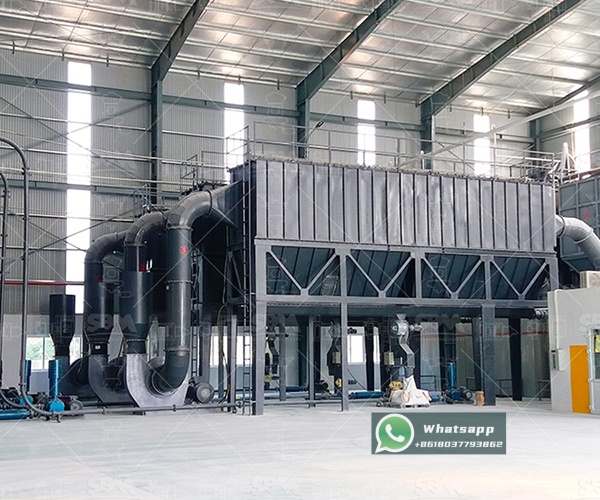
The MTW mill is also equipped with a pulse bag filter for dust collection, ensuring environmental compliance – an important consideration for factories in Oman’s sensitive desert ecosystems. Furthermore, its compact structure reduces floor space, and the integral automatic lubrication system minimizes maintenance.
3.2 LUM Ultrafine Vertical Mill – For High-Fineness and Superfine Products
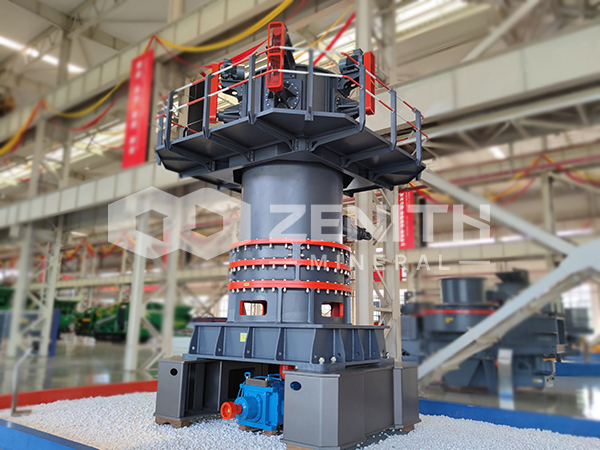
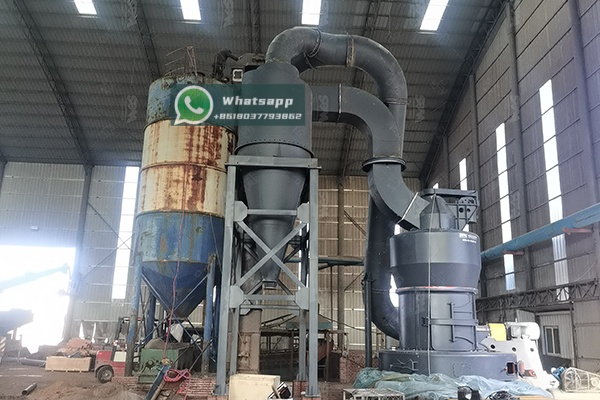
For plasterboard factories that aim to produce premium lightweight boards or specialized panels requiring extremely fine gypsum powder (325-500 mesh, D97 < 30 μm), the LUM Ultrafine Vertical Mill is ideal. This mill integrates grinding, classification, drying, and conveying in a single vertical structure. Its unique roller and table design generate a strong centrifugal force to grind materials, while the high-efficiency classifier ensures a sharp cut point. The LUM1525 model, with main motor power of 220-250 kW, can produce 1.6-11.5 t/h of product with fineness between 5 and 30 μm. Although its capacity is lower than the MTW, it is perfect for dedicated superfine gypsum production lines.
For larger superfine capacities, the LUM1836 (355-400 kW, up to 15 t/h) can be considered. Both models feature intelligent control via PLC system, allowing operators to adjust fineness and output remotely. The wear parts are made of high-chromium alloy, extending service life even when grinding abrasive gypsum.
4. Other Suitable Zenith Mills for Gypsum Grinding
While MTW and LUM are the top recommendations, several other Zenith mills can also serve gypsum applications:
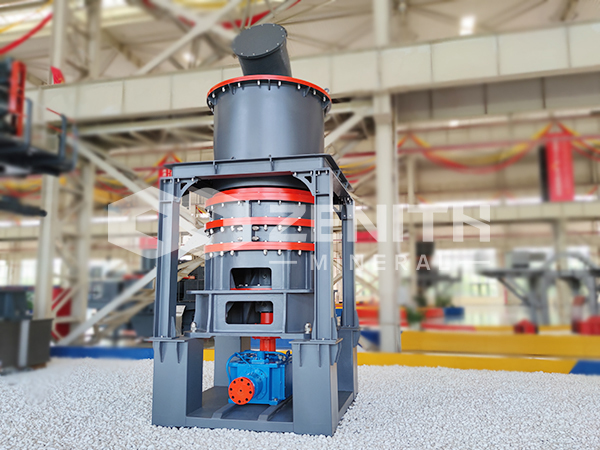
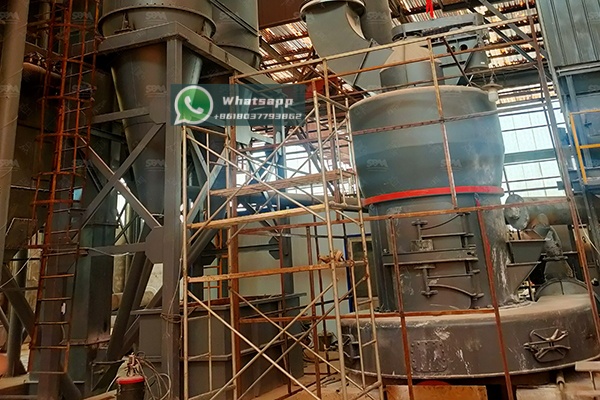
- LM Vertical Grinding Mill – Particularly the LM130K and LM190K series for mineral grinding. These mills combine crushing, grinding, drying, and classifying. They are especially advantageous when the gypsum contains high moisture (up to 15%) because hot air can be introduced through the mill. The LM190K produces 23-68 t/h with fineness of 170-40 μm, making it a high-capacity alternative.
- MTM Medium-Speed Grinding Mill – An upgraded version of Raymond mill, suitable for small to medium plants. The MTM160 can output 9-22 t/h with fineness up to 325 mesh.
- Raymond Mill (YGM series) – Classic and cost-effective, mainly for small-scale operations or as a backup unit.
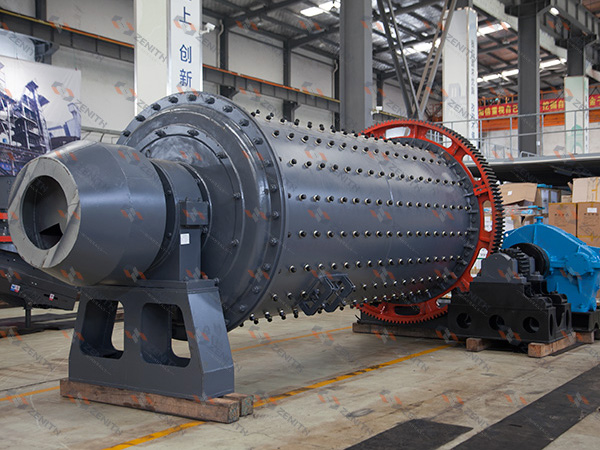
- Ball Mill – Although less efficient than vertical mills for gypsum, ball mills can be used for wet grinding if the plasterboard process requires slurry. Zenith offers both wet and dry ball mills.
However, for most modern plasterboard factories in Oman, the combination of an MTW mill for main production and an LUM mill for fine or specialty products provides the best balance of efficiency, flexibility, and investment cost.
5. Why Choose Shanghai Zenith Machinery for Your Oman Plasterboard Project?
Shanghai Zenith Machinery Co., Ltd. has been a trusted name in grinding equipment for over two decades. The company is an excellent manufacturer of ore grinding equipment in China, with a strong track record in the field of ultra-fine powder grinding. Zenith’s mills are exported to dozens of countries, including many in the Middle East where gypsum processing is prominent. Key advantages include:
- Customization: Zenith engineers can design the entire grinding system based on your raw material analysis, capacity requirements, and plant layout.
- After-Sales Support: With local agents or service centers in the Gulf region, Zenith provides on-site installation, commissioning, and training for Omani operators.
- Energy Saving: All recent Zenith mills are designed to reduce energy consumption by 10-30% compared to older technologies, directly lowering operating costs.
- Environmental Compliance: Each mill comes with an integrated bag filter or cyclone collector that meets international emission standards.
- Proven References: Zenith has supplied grinding systems to numerous plasterboard manufacturers in Saudi Arabia, UAE, and Iran, demonstrating reliability under similar climatic conditions.
6. Conclusion
Oman’s plasterboard industry is poised for growth, driven by construction demand and local gypsum availability. To achieve consistent product quality and operational efficiency, selecting the right grinding mill is crucial. Shanghai Zenith’s MTW Trapezium Grinding Mill and LUM Ultrafine Vertical Mill offer tailored solutions for both standard and superfine gypsum grinding. With robust construction, advanced classification, and energy-saving features, these mills will help Oman plasterboard factories maximize their output while minimizing costs.
For a detailed proposal and quotation, contact Zenith’s team to discuss your specific requirements. Investing in a Zenith grinding mill is an investment in long-term production excellence.
Key Equipment
Want This Solution for Your Project?
Contact us for a customized quotation and technical proposal.
Interested in This Solution?
Send us a message and our engineers will get back to you within 24 hours.