Introduction
Gypsum plays a critical role in the cement industry as a vital additive. In Egypt, where the construction sector is booming and cement production is a cornerstone of the economy, the quality and efficiency of gypsum grinding directly impact the final product’s setting time, strength development, and overall performance. As a leading manufacturer of ore grinding equipment, Shanghai Zenith Machinery Co., Ltd. offers state-of-the-art solutions tailored to the specific needs of Egyptian cement plants. This article explores the technical aspects of gypsum grinding for cement additives, highlights the challenges faced in the Egyptian market, and presents advanced grinding mills that deliver superior fineness, high capacity, and energy efficiency.
The Role of Gypsum in Cement
Gypsum (calcium sulfate dihydrate, CaSO₄·2H₂O) is added to clinker during the final grinding stage to control the setting time of cement. Without gypsum, cement would set almost immediately upon mixing with water, making it unusable. Typically, 3–5% gypsum is added, but the precise dosage depends on the clinker composition and desired cement properties. The grinding fineness of gypsum is crucial: too coarse leads to slow setting, while too fine can cause false set or excessive expansion. For cement additives, gypsum is often ground to a fineness of 80–200 mesh (0.180–0.075 mm). In recent years, the trend toward ultra-fine grinding (325–600 mesh) has gained momentum to enhance reactivity and reduce clinker factor, especially in blended cements.
Challenges in Gypsum Grinding for the Egyptian Market
Egyptian cement producers face several unique challenges:
- Moisture Content: Natural gypsum often contains up to 10–15% free moisture, which can cause clogging and reduce grinding efficiency. Drying is often required before or during milling.
- Hardness Abrasion: Though gypsum is relatively soft (Mohs hardness 2), impurities such as silica and clay can increase abrasion, leading to higher wear rates on grinding components.
- Capacity Requirements: With large-scale cement plants in Egypt (e.g., in Suez, Beni Suef, and Alexandria), grinding mills must handle throughputs from 10 t/h to over 50 t/h with consistent product quality.
- Energy Costs: Electricity prices in Egypt are a significant operational expense. Energy-efficient grinding technology is essential to maintain profitability.
Advanced Grinding Solutions from Shanghai Zenith
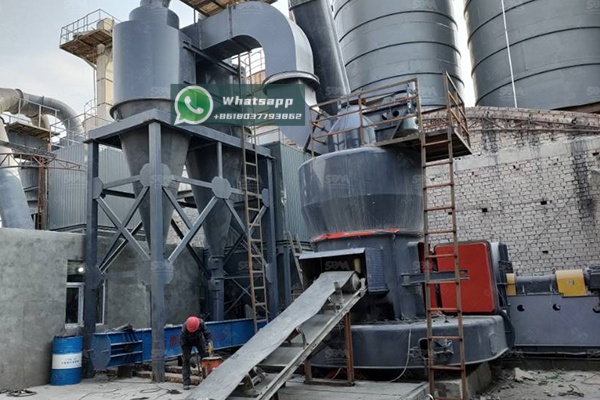
Shanghai Zenith Machinery Co., Ltd. has decades of experience in manufacturing ore grinding equipment for the cement industry. Our portfolio includes several mills perfectly suited for gypsum additive grinding, each offering unique advantages. Below we focus on two flagship products that have proven successful in Egyptian and Middle Eastern cement plants.
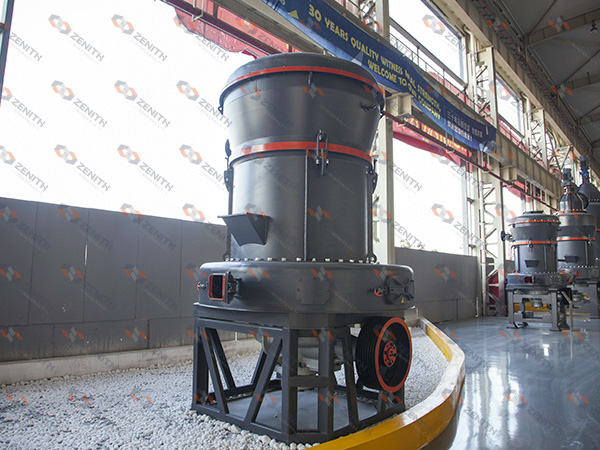
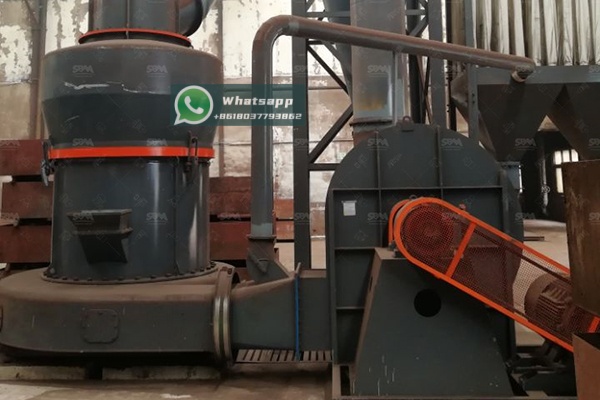
1. MTW Trapezium Grinding Mill
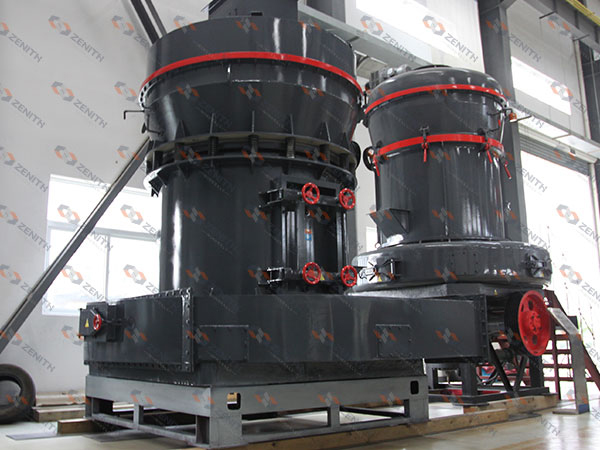
The MTW Trapezium Grinding Mill is a multi-patented machine designed for high-efficiency grinding of gypsum, limestone, and other non-metallic minerals. Its trapezoidal grinding ring and roller design increase the grinding area, improving capacity and reducing energy consumption. Key parameters relevant to gypsum additive grinding:
- Max Feed Size: Up to 50 mm (ideal for pre-crushed gypsum)
- Final Product Fineness: 1.6 – 0.038 mm (equivalent to 12 – 400 mesh)
- Capacity Range: 3 – 45 t/h (depending on model)
- Built-in Classifier: High-efficiency dynamic classifier ensures precise particle size distribution
- Moisture Handling: Can accommodate feed moisture up to 6–8% when equipped with hot air drying system
For typical Egyptian gypsum additive applications with target fineness of 80–200 mesh, the MTW138Z or MTW175G models are recommended. The MTW175G, with a main motor power of 160 kW and capacity of 9.5–25 t/h, provides an excellent balance between investment and operational cost. Its sturdy construction ensures long service life even when grinding gypsum with moderate impurities.
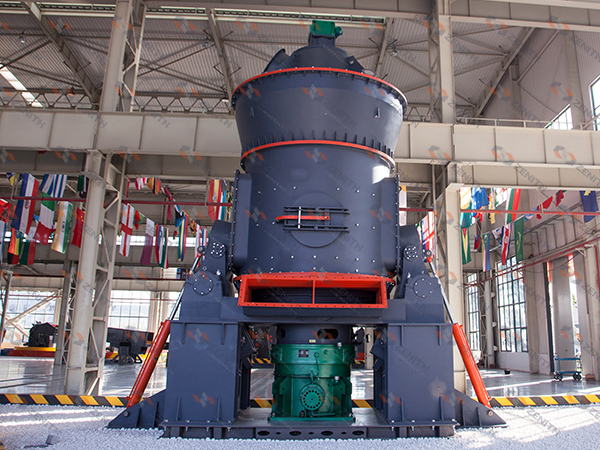
2. LM Vertical Grinding Mill
The LM Vertical Grinding Mill integrates crushing, grinding, drying, and classifying in one unit, dramatically simplifying the process flow. This is particularly advantageous for gypsum with high moisture content, as the mill can introduce hot gas into the grinding chamber to dry the material simultaneously. Key features:
- Integration: No need for separate drying equipment
- Fineness: Adjustable from 170 – 40 μm (80 – 400 mesh)
- Capacity: 10 – 170 t/h (LM series models)
- Occupational Area: Compact footprint, saving civil construction costs
- Low Noise & Less Dust: Environmentally friendly operation
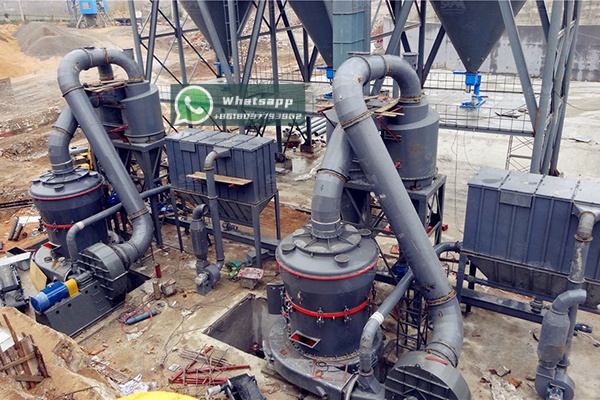
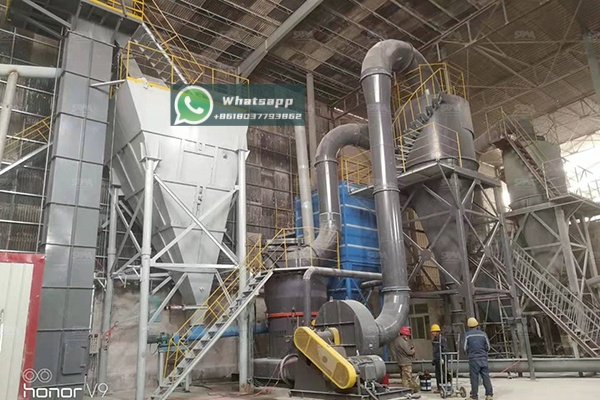
For large Egyptian cement plants requiring high throughput gypsum additive grinding, the LM190K (capacity 23–68 t/h) or LM280K (capacity 50–170 t/h) are ideal choices. The LM190K can handle feed sizes up to 45 mm and produce a 170–40 μm product, meeting the strictest quality standards for cement additives. The vertical mill’s roller and table design minimize wear, and the automatic lubricating system reduces maintenance downtime.
Why Choose Shanghai Zenith for Gypsum Grinding in Egypt?
- Proven Track Record: Zenith mills have been supplied to numerous cement plants in Egypt, including major clients in the Suez and Alexandria regions, with consistently positive feedback on reliability and efficiency.
- Comprehensive After-Sales Support: Local service centers and spare parts warehouses in Cairo and Alexandria ensure quick response times.
- Customization: We can tailor the grinding system to specific feedstock (e.g., natural gypsum, desulfurized gypsum, or phosphogypsum) and output requirements.
- Energy Efficiency: Our mills typically consume 20–30% less energy compared to traditional ball mills, directly reducing electricity bills for Egyptian producers.
Process Flow Recommendation
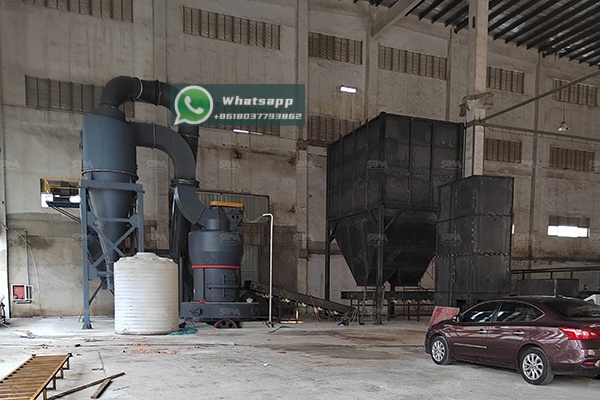
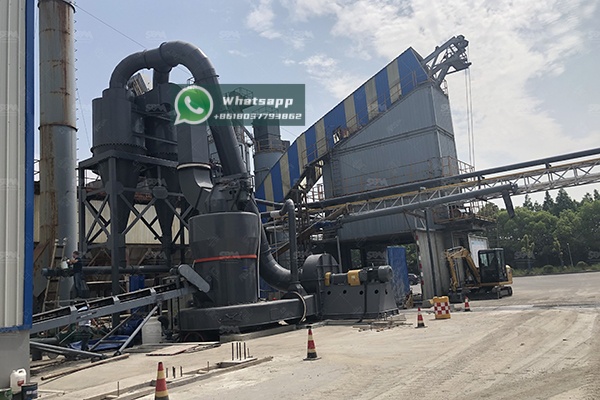
A typical gypsum additive grinding system using Zenith equipment consists of:
- Raw Material Handling: Front-end loader → hopper → vibrating feeder → jaw crusher (if feed >50 mm) → bucket elevator →
- Grinding Mill: MTW Trapezium Mill or LM Vertical Mill (with hot air generator if moisture >8%) →
- Product Collection: Cyclone separator + pulse bag filter → screw conveyor → cement additive silo.
This closed-circuit system ensures stable product fineness, minimal dust emission, and continuous operation.
Conclusion
Gypsum grinding for cement additives in Egypt demands robust, efficient, and adaptable equipment. Shanghai Zenith Machinery’s MTW Trapezium Grinding Mill and LM Vertical Grinding Mill offer the perfect combination of high capacity, low energy consumption, and precise fineness control. By investing in these advanced mills, Egyptian cement producers can enhance product quality, reduce operating costs, and stay competitive in the dynamic construction market. For more detailed technical consultation and a customized quotation, contact Zenith’s regional sales team in Egypt.
Shanghai Zenith Machinery Co., Ltd. – Your reliable partner for gypsum grinding solutions.
Key Equipment
Want This Solution for Your Project?
Contact us for a customized quotation and technical proposal.
Interested in This Solution?
Send us a message and our engineers will get back to you within 24 hours.